
💧 Quick answer
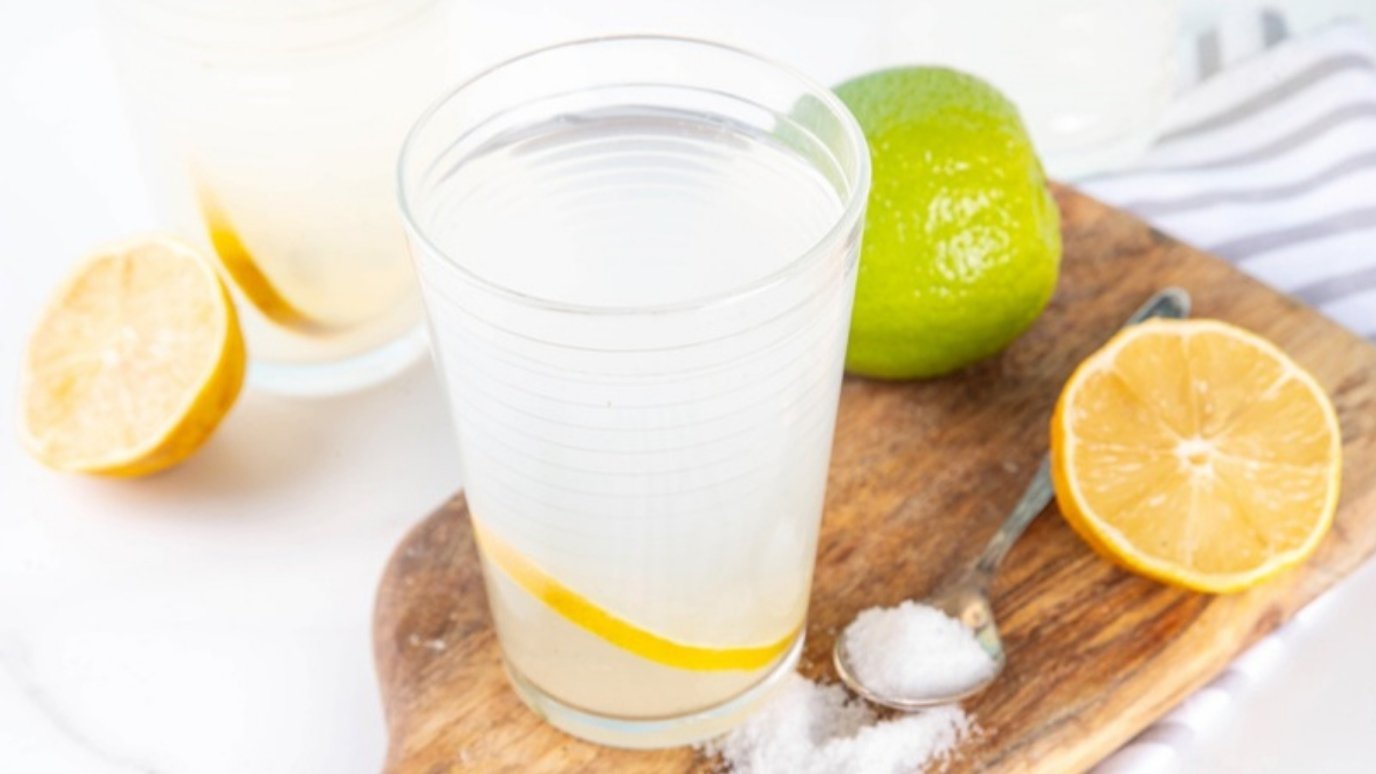
The simplest homemade electrolyte drink is 2 cups (16 oz) of water, ⅛ teaspoon of salt and 2 tablespoons of lemon juice. That gives about 290 mg of sodium with almost no sugar, similar to a bottle of Gatorade but without its 34 g of added sugar. For more potassium, swap half the water for coconut water. If you’re vomiting or have diarrhea, use a proper oral rehydration solution instead.
It’s 3 p.m., you’ve barely eaten, your head is pounding and plain water just isn’t hitting the spot. Maybe it’s a hot day, a long walk, a sweaty workout, or the queasy first weeks on a GLP-1 medication. You’ve seen the electrolyte packets everywhere, but at a dollar or more each, with sugar or sweeteners you’d rather skip, you’d like to make your own.
You can, with things already in your kitchen. Most homemade electrolyte recipes online never tell you how much sodium or potassium you’re actually getting, so you can’t tell whether yours is closer to flavored water or to Pedialyte. I’ve worked out the numbers for each recipe below from USDA data, and lined them up against the drinks you’d buy.
I’m Nada. I have a background in medicine and a Nutrition Science certification from Zewail International Academy, and the sources for every number are listed at the end.
Which Homemade Electrolyte Drink Do You Need?
| Your situation | Best pick | Why |
|---|---|---|
| Everyday drink, no sugar wanted | #1 Lemon salt water | Sodium with almost no sugar or calories |
| Long or sweaty workout (over an hour) | #2 Coconut lime | Sodium plus the most potassium, and a little natural sugar |
| Queasy, low appetite, on a GLP-1 | #3 Ginger lemon | Gentle flavor, zero sugar, easy to sip slowly |
| Hot day, want something that tastes like a treat | #4 Watermelon | Fruit flavor with potassium from the watermelon |
| Morning drink you’ll actually enjoy | #5 Citrus sunrise | Orange juice adds potassium and flavor |
| Want more potassium, no sugar | #6 Potassium plus | Cream of tartar adds potassium without carbs |
| Vomiting or diarrhea | Oral rehydration solution | Needs a specific salt-and-sugar ratio (see below) |
6 Homemade Electrolyte Drink Recipes
Each recipe makes one 16 oz (about 480 ml) serving. Stir until the salt fully dissolves, then taste: it should taste lightly salty, never like seawater. All use ⅛ teaspoon of regular table salt, which USDA data puts at about 291 mg of sodium. Measure it with a real measuring spoon rather than a pinch.
1. Lemon salt water (zero sugar)
2 cups cold water, ⅛ tsp salt, 2 tbsp fresh lemon juice. Add a few drops of stevia if you like it sweeter.
Per serving: about 290 mg sodium, 38 mg potassium, under 1 g sugar, 8 calories.
2. Coconut lime (best for long workouts)
1 cup unsweetened coconut water, 1 cup water, ⅛ tsp salt, 1 tbsp lime or lemon juice.
Per serving: about 355 mg sodium, 420 mg potassium, 10 g natural sugar, 48 calories. Coconut water varies a lot between brands, so check your label; the numbers here use USDA’s standard values for unsweetened coconut water.
3. Ginger lemon (zero sugar, gentle on the stomach)
2 cups water, 4 to 5 thin slices of fresh ginger, ⅛ tsp salt, ⅛ tsp cream of tartar, 1 tbsp lemon juice. Steep the ginger in 1 cup of hot water for 10 minutes, then add the rest and chill.
Per serving: about 290 mg sodium, 80 mg potassium, under 1 g sugar, 4 calories.
4. Watermelon refresher
1 cup diced watermelon, 1 cup cold water, ⅛ tsp salt, 1 tbsp lime or lemon juice. Blend until smooth and strain if you prefer it without pulp.
Per serving: about 290 mg sodium, 190 mg potassium, 10 g natural sugar, 50 calories.
5. Citrus sunrise
½ cup 100% orange juice, 1½ cups water, ⅛ tsp salt. A squeeze of lemon brightens it.
Per serving: about 290 mg sodium, 250 mg potassium, 10 g natural sugar, 56 calories.
6. Potassium plus (zero sugar)
2 cups water, ⅛ tsp salt, ¼ tsp cream of tartar, 2 tbsp lemon juice, optional stevia.
Per serving: about 290 mg sodium, 160 mg potassium, under 1 g sugar, 8 calories. Cream of tartar is surprisingly rich in potassium (USDA lists about 495 mg per teaspoon), so don’t go beyond the amount here, and skip this one if you have kidney disease or take a medication that raises potassium.
Homemade vs. Store-Bought Electrolyte Drinks
Here’s how the homemade versions compare with the drinks you’d pick up at the store, per the serving size each brand lists.
| Drink (serving) | Sodium | Potassium | Sugar | Calories |
|---|---|---|---|---|
| Gatorade Thirst Quencher (20 oz bottle) | 270 mg | 80 mg | 34 g (all added) | 140 |
| Pedialyte Classic (12 oz) | about 370 mg | about 280 mg | 9 g | 35 |
| Liquid I.V. Hydration Multiplier (1 stick) | 500 mg | 370 mg | 11 g | not listed here |
| LMNT (1 stick) | 1,000 mg | 200 mg | 0 g | not listed here |
| #1 Lemon salt water (16 oz) | 290 mg | 38 mg | under 1 g | 8 |
| #2 Coconut lime (16 oz) | 355 mg | 420 mg | 10 g (natural) | 48 |
| #6 Potassium plus (16 oz) | 290 mg | 160 mg | under 1 g | 8 |
Two things stand out. First, a homemade lemon salt water matches Gatorade’s sodium with none of its 34 g of added sugar. Second, LMNT carries about three times the sodium of the homemade recipes. That’s useful for very long, very sweaty sessions, but it’s a lot for an everyday drink, especially if you’re watching your blood pressure.
Do You Actually Need an Electrolyte Drink?
Often, no. For everyday life and workouts under an hour, plain water is enough for most healthy people. Mayo Clinic guidance says sports drinks make sense for exercise lasting longer than 60 minutes. An electrolyte drink is worth making when:
- You’re exercising for more than an hour, especially in the heat
- You’ve sweated heavily, like a long hot walk or yard work in summer
- You’re eating very little and struggling to drink enough, which is common in the first weeks of a GLP-1 medication
- You just find a lightly salty, lemony drink easier to sip than plain water
If you’re starting a new walking routine, like the plan in our guide to weighted vest walking, water will cover most walks. Save the electrolyte drink for the long or hot ones.
If You’re on Ozempic, Wegovy, Mounjaro or Zepbound
GLP-1 medications quiet your appetite, and for many people they quiet thirst too. Add nausea, vomiting or diarrhea in the early weeks, and dehydration can sneak up. It matters: the FDA prescribing information for Wegovy describes reports of acute kidney injury, mostly in people whose stomach side effects led to dehydration.
A few habits help. Sip steadily through the day instead of waiting until you’re thirsty, keep a bottle of the ginger lemon drink in the fridge for queasy afternoons, and don’t let a skipped meal turn into a skipped day of fluids. If you can’t keep fluids down, or you feel dizzy, confused or are barely urinating, contact your prescriber or seek care. For more on what’s normal and what isn’t, see our guide to the side effects of Ozempic.
🥗 Eating well when your appetite is low
The GLP-1 Kickstart Kit is a 73-page printable guide with small-portion, protein-first meal ideas and grocery lists for the weeks when food doesn’t appeal and every bite needs to count.
Get the GLP-1 Kickstart Kit for $27 →For Vomiting or Diarrhea: Make a Proper Rehydration Solution
The six recipes above are for everyday hydration. When you’re losing fluid fast from vomiting or diarrhea, you need an oral rehydration solution (ORS), which uses a specific ratio of salt to sugar so your gut can absorb water efficiently. A pharmacy ORS packet is the best option. If you can’t get one, the Rehydration Project’s homemade version is:
Homemade oral rehydration solution
1 liter (about 4¼ cups) clean water + 6 level teaspoons sugar + ½ level teaspoon salt. Stir until fully dissolved. It should taste no saltier than tears.
Measure carefully. Too much salt can be harmful, while a slightly weaker mix is safe. Sip small amounts often rather than gulping. And don’t use it as a substitute for medical care: severe or bloody diarrhea, vomiting that lasts more than a day, high fever, or signs of dehydration in a child or older adult all need a doctor.
Who Should Be Careful With Electrolyte Drinks
- High blood pressure or heart failure: extra sodium adds up quickly. Ask your doctor before adding salty drinks to your day.
- Kidney disease: your kidneys may not clear extra potassium or sodium well. Avoid the cream of tartar recipes unless your doctor says otherwise.
- Medications that raise potassium: such as some blood pressure drugs and potassium-sparing diuretics. Check with your pharmacist before using recipes #3 or #6.
- Diabetes: the fruit-based recipes (#2, #4, #5) contain about 10 g of natural sugar per serving. Count them, or stick to the zero-sugar ones.
You may have seen the viral pink salt drink promoted for weight loss. Pink Himalayan salt can stand in for table salt here, but it isn’t a weight-loss tool, and we break down why in our look at pink salt and lemon water.
How Long Does a Homemade Electrolyte Drink Last?
Keep it covered in the fridge and drink it within 24 hours. That matches the standard directions for oral rehydration solution packets. Recipes with fresh fruit or juice lose flavor quickly anyway, so make a day’s worth at a time. A batch of the plain lemon salt water can be scaled up easily: multiply everything by four for a 2-liter jug.
Homemade Electrolyte Drink FAQs
Can I just put salt in water for electrolytes?
Yes. Salt gives you sodium and chloride, the two electrolytes you lose most in sweat. About ⅛ teaspoon in 16 oz of water gives roughly 290 mg of sodium. Adding lemon, orange juice or coconut water brings in some potassium and makes it taste better.
What is the best natural drink for electrolytes?
Unsweetened coconut water is one of the best, with around 400 mg of potassium per cup and about 10 g of natural sugar. Orange juice has slightly more potassium (about 500 mg per cup) but twice the sugar. Both are low in sodium. Adding a small pinch of salt, as in recipe #2, makes it a more complete electrolyte drink.
How do you make your own rehydration solution?
Mix 1 liter of clean water with 6 level teaspoons of sugar and ½ level teaspoon of salt, and stir until dissolved. Use it for vomiting or diarrhea when you can’t get a pharmacy ORS packet, measure carefully, and see a doctor if symptoms are severe or don’t improve.
When should you drink a homemade electrolyte drink?
During or after exercise longer than an hour, after heavy sweating, on very hot days, or when you’re struggling to drink enough, such as while adjusting to a GLP-1 medication. For everyday hydration, plain water is usually enough.
Is a homemade electrolyte drink cheaper than store-bought?
Usually, by a wide margin. The salt and lemon in recipe #1 cost very little per serving. The fruit and coconut water recipes cost more, but generally still less than branded packets or bottled sports drinks.
How long does a homemade electrolyte drink last?
Up to 24 hours in a covered container in the fridge. After that, make a fresh batch.
Start Here
Make recipe #1 tonight: 2 cups of water, ⅛ teaspoon of salt and 2 tablespoons of lemon juice. Keep it in the fridge and reach for it after your next long walk or on a day when water alone isn’t going down. If you want more potassium, try the coconut lime version next.
This article is for general education and isn’t medical advice. If you have heart, kidney or blood pressure problems, diabetes, take prescription medications, or are caring for a child who is dehydrated, check with a doctor or pharmacist first.
References
- USDA FoodData Central: table salt (about 2,325 mg sodium per teaspoon), coconut water unsweetened, orange juice raw, lemon juice raw, watermelon raw, cream of tartar (about 495 mg potassium per teaspoon).
- Rehydration Project: Homemade oral rehydration solution.
- FDA: Wegovy (semaglutide) prescribing information, section 5.5, acute kidney injury due to volume depletion.
- Mayo Clinic Care Network: Sports drinks, better than water?
- Gatorade Thirst Quencher 20 oz nutrition label (HEB).
- Healthline: Pedialyte vs. Gatorade.
- LMNT and Liquid I.V. label data (NIH Dietary Supplement Label Database and brand site), compiled by Verified Supplement Data.
