
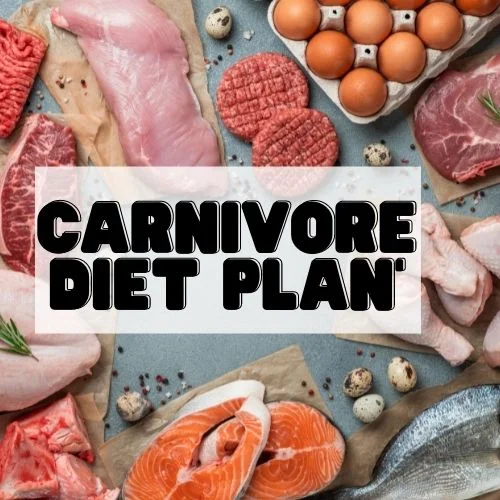
You want to try carnivore for a month, but the plan keeps collapsing at the same point: it’s day three, you’re staring at the fridge, and you can’t face another plain steak. A good 30-day carnivore diet meal plan fixes that by deciding what you eat before you’re hungry, so you’re rotating beef, eggs, fish, poultry and a little organ meat instead of improvising.
Below you’ll find a day-by-day menu for the first 14 days, a four-day rotation for days 15 to 30, a shopping list with quantities, a flat-out honest look at what the research does and doesn’t show, and who should skip this diet. There’s no file to download here, but the page prints cleanly: press Ctrl+P (Cmd+P on Mac) and choose “Save as PDF” to keep your own copy.
A quick word on who is writing. I’m Nada. I hold a certification in Nutrition Science from Zewail International Academy and I’m a pharmacist, but I’m not a registered dietitian and I don’t treat patients. I went through the current research for this update, and my honest summary is that a month of carnivore is something some people tolerate well, while the long-term picture is still unknown. I’ll show you both sides.
What a 30-Day Carnivore Diet Actually Looks Like
Carnivore means animal foods only: beef, lamb, poultry, fish and seafood, eggs and organ meats. Some people add butter, ghee, hard cheese or other dairy; stricter versions leave dairy out. Everything from plants, including vegetables, fruit, grains, legumes, nuts, seeds, oils and sweeteners, is out.
That’s why the first week feels so different. When carbohydrate drops close to zero, your body loses a lot of stored water and sodium, and many people report headaches, tiredness, dizziness or muscle cramps in the first days. This is often called the “carnivore flu” or “keto flu.” It’s commonly reported rather than well studied, but salting your food, drinking enough fluid and eating enough fat and calories usually helps.
The rules I’d follow for the 30 days
- Eat until you’re satisfied. Most people do best with two or three meals and no calorie counting. Under-eating is the most common reason people feel awful in week one.
- Choose fattier cuts. Ribeye, 80/20 ground beef, chicken thighs with the skin on and salmon keep you full. Lean-only plans leave you hungry and tempt you to quit.
- Salt to taste and drink to thirst. If you get headaches or cramps early on, more salt and fluid is the first thing to try.
- Rotate protein sources. Aim for beef most days, plus fish twice a week, eggs most days, and organ meat once or twice a week if you enjoy it.
- Decide your dairy rule on day one. Butter and hard cheese are optional. If you’ve never tried dairy-free, start with it included and remove it later if you want to experiment.
Who Should Not Try Carnivore (Read This First)
I’d rather you hear this now than on day 12. Please talk to your doctor before starting if any of these apply to you, and in some cases skip this plan entirely:
- You have kidney disease, kidney stones or gout. A 2026 scoping review described a case where kidney stones and gout got worse on carnivore and improved after stopping.
- You take medication for diabetes or blood pressure. Dropping carbohydrate changes how much medication you may need, and it should be adjusted with your doctor, not by guesswork.
- You’re pregnant or breastfeeding, or you’re under 18.
- You have high LDL cholesterol or a family history of early heart disease. Several studies in the review below found LDL rising on this diet.
- You have a history of disordered eating. Very restrictive food rules can make that worse.
What the Research Says in 2026 (and What It Doesn’t)
The most quoted study is a survey of 2,029 adults who already followed a carnivore diet (Lennerz et al., Current Developments in Nutrition, 2021). Most respondents reported feeling healthier and being happy with the diet. That’s real information, but it comes from people who found the diet online, stayed on it, and described their own health afterward. Anyone who quit because they felt terrible isn’t in that group, and nothing was measured in a lab. It shows that some people feel good, not that the diet is safe or effective for everyone. You can read the study abstract on PubMed yourself.
A newer piece of evidence is a scoping review published in Nutrients in January 2026, which looked at nine human studies from 2021 to 2025. The authors found some short-term benefits in some people, including weight loss and feeling full, but rated the evidence low: small samples, short durations, no control groups and no clinical outcomes such as heart attacks. They flagged low fiber, possible shortfalls in vitamin C, calcium, magnesium and several other nutrients, and higher LDL cholesterol in several studies (in one group the median rose from 157 to 256 mg/dL). They concluded that long-term adherence cannot be recommended. The full text is open access: Carnivore Diet: A Scoping Review of the Current Evidence, Potential Benefits and Risks.
So here is my balanced read. A 30-day trial is a reasonable, time-limited experiment for a healthy adult who is curious how they feel, and many people do lose weight because the diet is high in protein and filling. It isn’t proven to be better than other eating patterns, and nobody has long-term safety data. If you decide to try it, get your cholesterol checked before and after, and have a plan for what you’ll eat on day 31.
Carnivore Diet Food List: What to Eat
Here’s how I’d organize your shopping so the plan stays interesting without getting complicated. Nothing on this list needs special equipment.
| Group | What to buy | How often |
|---|---|---|
| Beef staples | Ribeye, chuck roast, ground beef 80/20, steak tips | Most days |
| Poultry | Chicken thighs and wings with skin, duck, turkey legs | 2 to 3 times a week |
| Fish and seafood | Salmon, canned sardines, shrimp, oysters, white fish with butter | 2 to 3 times a week |
| Eggs | Any style, cooked in butter or tallow | Most days |
| Organ meats | Beef liver, beef heart, bone marrow | Once or twice a week, small portions |
| Fats | Butter, ghee, beef tallow | To taste, to keep you full |
| Optional dairy | Hard cheese, heavy cream | Only if you tolerate it |
| Drinks | Water, plain sparkling water, bone broth, salt | All day |
About liver: it’s extremely rich in vitamin A, which is exactly why you shouldn’t eat it daily. Once or twice a week in a modest portion is plenty. If you’re pregnant, skip it and ask your doctor.
What to Avoid on Carnivore
The point of the diet is simplicity, and most “mistakes” are hidden plant ingredients. The usual culprits are sausages and jerky with sugar or spices, breaded meat, marinades and sauces, flavored coffee creamers and sweeteners of any kind.
| Category | Skip | Why it matters |
|---|---|---|
| Plant foods | Vegetables, fruit, grains, legumes, nuts, seeds | These are the foods carnivore removes entirely |
| Processed meats | Sausages with fillers, breaded chicken, sweetened jerky | Starch and sugar sneak in |
| Sauces and condiments | Ketchup, BBQ sauce, honey, most marinades | Added sugar and plant ingredients |
| Cooking oils | Seed oils and olive oil (strict version) | Strict carnivore sticks to animal fats |
| Sweeteners | All of them, even zero-calorie ones | Sweet taste can keep cravings alive; see my guide on craving sweets on carnivore |
| Drinks | Juice, soda, sweetened or flavored coffee | Hidden sugar |
Wondering about coffee? Plain black coffee is common among carnivore eaters, though some people leave it out. I cover the pros and cons in can you drink coffee on the carnivore diet.
👉 Can You Drink Coffee on Carnivore Diet? (The Shocking Truth Revealed!)
Week 1 Meal Plan: Getting Through the Adaptation Days
Week one is about eating enough and keeping salt and fluids up, not about variety. These meals take about five minutes of active work or are one-pan. Portions are a starting point: eat until you’re comfortably full.
| Day | Breakfast | Lunch | Dinner | Tip |
|---|---|---|---|---|
| 1 | 4 eggs scrambled in butter | Ground beef patties | Ribeye, salted well | Sip warm bone broth between meals |
| 2 | 3 eggs and beef bacon | Ground beef with tallow | Chicken thighs, skin on | Salt your food to taste |
| 3 | 4 eggs with a spoon of bone marrow | Leftover chicken thighs | Chuck roast | Drink water through the day |
| 4 | Omelet with butter | Canned salmon | Ribeye and butter | Eat more if you’re hungry |
| 5 | 4 eggs in tallow | Ground beef balls | Lamb chops | Keep dinners fatty |
| 6 | 3 eggs and leftover steak | Shrimp in butter | Ribeye or roast | Track headaches or cramps |
| 7 | Eggs and canned sardines | Ground beef | Chicken wings | Note energy and hunger |
If you feel awful: eat more, salt more, drink more, and rest. If you have chest pain, a racing heart, fainting or severe symptoms, stop and call a doctor.
Week 2 Meal Plan: Adding Variety
By now many people report steadier energy and less hunger between meals. It’s the right time to bring in fish, a first serving of organ meat and a couple of slow-cooked dishes you can batch.
| Day | Breakfast | Lunch | Dinner |
|---|---|---|---|
| 8 | 4 eggs and butter | Ground beef patties | Ribeye |
| 9 | Eggs and canned salmon | Chicken thighs | Small portion of beef liver, pan-fried, with butter |
| 10 | Eggs and bone marrow | Ground beef balls | Slow-cooked lamb shoulder |
| 11 | Eggs and oysters | Shrimp | Chicken wings |
| 12 | Scrambled eggs | Beef heart, sliced thin and seared | Ribeye |
| 13 | Omelet (cheese optional) | Ground beef | Salmon fillet |
| 14 | Eggs in tallow | Chicken thighs | Roast beef |
Days 15 to 30: A Four-Day Rotation You Can Repeat
From here I stop writing a different menu for every day, because that’s how plans become homework. Instead, repeat this four-day cycle for two weeks, swapping any meal for something of the same type you like better.
| Rotation day | Breakfast | Lunch | Dinner |
|---|---|---|---|
| A | Eggs in butter | Ground beef patties | Ribeye |
| B | Eggs and canned sardines | Chicken thighs | Beef liver (small portion) with butter |
| C | Omelet | Shrimp or oysters in butter | Lamb chops or roast beef |
| D | Eggs and beef bacon | Beef heart or leftover roast | Salmon fillet |
Run the cycle about four times, and use the last two or three days to decide what comes next. Weigh yourself weekly rather than daily, and measure your waist once a week, because early scale changes are mostly water.
📋 Keep Your Month on Track
Writing down what you ate, how you slept and how you felt makes day 31 a decision instead of a guess. My 4-Week Weight Loss Planner gives you weekly pages for meals, measurements and notes, so you can see what the 30 days really did for you.
Carnivore Shopping List and Budget Tips

Carnivore shopping gets shorter every week, because you buy the same six or seven things in bulk. Prices vary a lot by country and store, so I’m giving quantities rather than prices. Cost out your own list before you start.
Week 1 list (one person)
- Ground beef 80/20: about 8 lb (3.5 kg)
- Ribeye or chuck roast: about 3 lb (1.4 kg)
- Eggs: 3 dozen
- Chicken thighs, skin on: about 3 lb (1.4 kg)
- Butter: 1 to 2 lb (0.5 to 1 kg)
- Salt, and bone broth or marrow bones for simmering
Weeks 2 to 4 additions
- Lamb chops or lamb shoulder, one cut a week
- Salmon, canned sardines, shrimp or oysters
- Beef liver or heart: about 1 lb (450 g) total for the month is plenty
- Beef tallow or extra butter
Ways to keep the cost down
- Buy family packs and freeze them in meal-size portions.
- Ask a butcher for fatty trimmings and marrow bones, which are often cheaper per pound.
- Canned fish and frozen seafood keep well and cost less than fresh.
- Cook two dinners at once and eat the leftovers for lunch.
- Cooking for two? Double the meat and eggs; the plan scales as-is.
Need a snack idea between meals? See my guides to Carnivore Snax vs Carnivore Crisps and carnivore diet snacks.
Carnivore Diet vs. Keto: What’s the Difference?
Both diets are very low in carbohydrate, so both can shift your body toward burning fat. The difference is what’s left on the plate. Keto allows non-starchy vegetables, nuts, some berries and plant oils, as long as you stay under your daily carb limit, and it’s built around moderate protein. Carnivore removes plants altogether and is usually higher in protein.
If the idea of zero vegetables bothers you, keto is the easier long-term version, and I’ve written about getting back into ketosis if you ever slip. If you want to see what real people reported at the end of the month, read Carnivore Diet Results for 30 Days and my list of carnivore diet side effects to know before day 1.
👉 Carnivore Diet Results for 30 Days: What Happened on 30-day Only Meat
Frequently Asked Questions
Is a 30-day carnivore diet safe?
For many healthy adults, a short trial is tolerable, but safety isn’t proven. The 2026 scoping review found low-quality evidence, higher LDL in several studies and nutrient concerns, and no long-term data. Check with your doctor first, especially if you have kidney, heart or metabolic conditions.
How much weight can I lose in 30 days?
It varies a lot. In the first week much of the loss is water. After that, loss depends on how many calories you eat, and many people eat less simply because meat is filling. I can’t give you a reliable number, and any site promising a specific amount isn’t being straight with you.
Do I need supplements?
Not automatically, and I don’t recommend specific doses without knowing your health history. If you feel cramps or weakness, talk to your doctor about electrolytes and a blood test rather than guessing.
What if I get constipation or diarrhea?
Both are commonly reported when fiber drops to nearly zero. More water, more fat, and slower changes can help. If it lasts more than a week or you see blood, stop and see a doctor.
Can I do carnivore on a budget?
Yes, by relying on ground beef, chicken thighs, eggs and canned fish, and by buying in bulk. Ribeye every night is optional.
What should I do after 30 days?
Get your bloodwork checked, then reintroduce foods one at a time and notice how you feel. Many people end up on something closer to a low-carb or keto pattern with vegetables, which is easier to sustain.
My Bottom Line
A 30-day plan works best when it’s boring, repeatable and honest about what it can’t promise. Use the first two weeks to get through adaptation, the rotation to keep things easy, and the research to keep your expectations realistic. Please don’t treat this as medical advice: if you have a health condition or take medication, talk to your doctor first.
Last reviewed: October 2026.
Written by Nada, certified in Nutrition Science (Zewail International Academy) with a pharmacy degree. This article is educational and not a substitute for personal medical advice.
