
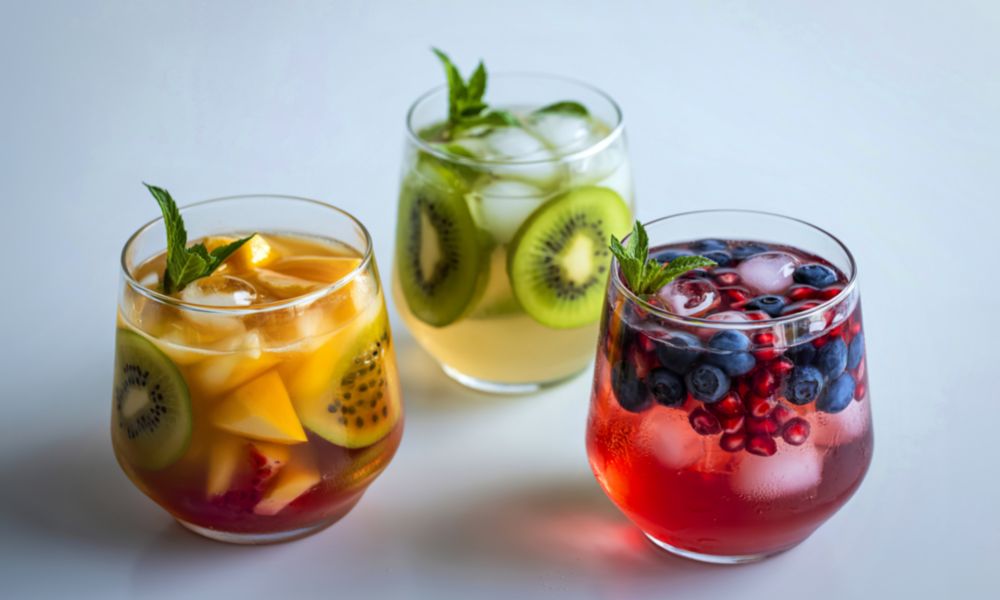
If you have been searching for what is the best drink to lower cholesterol, I want you to take a slow breath first. You do not need to panic, overhaul your entire kitchen, or start drinking something bitter every morning just to “be healthy.” Cholesterol support can be much gentler than that.
When you first hear that your cholesterol is high, it can feel personal. You may start replaying everything you ate, wondering if you did something wrong, or feeling like you suddenly need to become a perfectly disciplined person overnight. And if you are already dealing with stress, hormone changes, bloating, inflammation, fatigue, or food anxiety, that pressure can feel heavy.
But here is the calmer truth: one drink will not magically erase cholesterol, but the right drink can become a helpful daily habit that supports your body in a steady, realistic way. The goal is not control. The goal is support.
So, what is the best drink to lower cholesterol? For most people, one of the most helpful choices is a soluble-fiber-rich oat smoothie made with oats or oat bran, berries, ground flaxseed or chia seeds, and an unsweetened base such as water, unsweetened soy milk, or low-fat milk if you tolerate dairy well.
Why this kind of drink? Because cholesterol-friendly drinks work best when they are built around foods that help lower LDL cholesterol, especially soluble fiber. Soluble fiber can help reduce the amount of cholesterol absorbed into the bloodstream, and it is found in foods like oats, beans, apples, pears, and certain seeds. You can read more about cholesterol-supportive foods in this guide to foods that lower cholesterol.
This article will walk you through the best drinks for cholesterol in a calm, practical way. No fear. No extreme detox talk. No “never eat this again” energy. Just simple options you can actually live with.
Quick Answer: What Is the Best Drink to Lower Cholesterol?
The best drink to lower cholesterol is usually a high-fiber oat smoothie because it gives your body soluble fiber, antioxidants, and healthy fats in one easy meal or snack.
A simple version looks like this:
- Rolled oats or oat bran
- Berries, apple, or pear
- Ground flaxseed or chia seeds
- Unsweetened soy milk, water, or another unsweetened base
- Optional cinnamon for flavor
This kind of drink is not a “detox.” It is not a punishment. It is simply a gentle way to add more cholesterol-supportive nutrients into your day without needing to cook a full meal.
According to Mayo Clinic, soluble fiber can reduce cholesterol absorption in the bloodstream, and 5 to 10 grams or more of soluble fiber per day may help lower LDL cholesterol. Oats, beans, apples, and pears are examples of foods that provide soluble fiber.
That is why a drink built with oats and fruit can be useful. It is not because it “melts fat” or “flushes cholesterol.” It helps because it adds a nutrient your body can use.
How Can a Drink Help Lower Cholesterol?
Before we talk about recipes, let’s make this less confusing. Cholesterol is not automatically bad. Your body needs cholesterol for hormones, cell membranes, and vitamin D production. The problem is when certain types of cholesterol, especially LDL cholesterol, become too high over time.
LDL is often called “bad cholesterol” because high levels can contribute to plaque buildup in the arteries. HDL is often called “good cholesterol” because it helps carry cholesterol away from the arteries. Triglycerides are another blood fat that can rise with excess sugar, alcohol, refined carbs, and some metabolic or hormonal issues.
A drink can support healthier cholesterol when it helps you do one or more of these things:
- Add more soluble fiber
- Replace saturated-fat-heavy drinks
- Reduce added sugar intake
- Support fullness so you snack less impulsively
- Add plant compounds like polyphenols
- Help you build a calming daily routine around food
That last one matters more than people think. If food has started to feel stressful, your “cholesterol drink” should not feel like another rule. It should feel like a small supportive anchor in your day.
The National Heart, Lung, and Blood Institute explains that lifestyle changes for high cholesterol include choosing heart-healthy foods, limiting saturated fats, eating whole grains, fruits, and vegetables, and using structured eating patterns such as TLC or DASH when appropriate. Drinks are just one small part of that bigger picture.
The Best Drink to Lower Cholesterol: A Soluble-Fiber Oat Smoothie
If I had to choose one drink that feels realistic, nourishing, and cholesterol-friendly, I would choose an oat-based smoothie.
Not a sugary smoothie. Not a giant dessert drink. Not a “green punishment” smoothie that leaves you hungry an hour later. I mean a balanced, creamy, fiber-rich drink that feels like breakfast or a snack and actually helps you feel steady.
Here is why this drink works so well.
1. Oats Provide Soluble Fiber
Oats contain a type of soluble fiber called beta-glucan. This fiber forms a gel-like texture in the digestive tract, which can help reduce cholesterol absorption. That is why oats show up again and again in heart-health recommendations.
If you are someone who feels overwhelmed by healthy eating, oats are a beautiful place to start because they are familiar, affordable, gentle, and easy to use. You do not need a complicated supplement routine. You can simply blend oats into a smoothie or make overnight oats.
2. Berries Add Antioxidants and Fiber
Berries are naturally sweet, colorful, and rich in plant compounds. They also add fiber without making your drink feel heavy. If you are working on cholesterol and inflammation at the same time, berries are a lovely everyday choice.
Frozen berries are perfectly fine. In fact, they can make the smoothie thicker and more refreshing. You do not need to buy expensive fresh berries every week if that does not fit your budget.
3. Ground Flaxseed or Chia Seeds Add Extra Fiber
Ground flaxseed and chia seeds can add more fiber and plant-based omega-3 fats. They also help thicken the drink, which can make it more satisfying.
Small note from real life: if you are not used to eating much fiber, start small. A tablespoon of chia seeds may be too much at first for some people. Your digestion may prefer a slower build. Gentle progress counts.
4. Unsweetened Soy Milk Can Add Plant Protein
Unsweetened soy milk can be a helpful base because it provides plant protein and tends to be more filling than many low-protein plant milks. If you do not like soy milk or it does not suit your body, you can use water, unsweetened almond milk, or another unsweetened option.
The key is to avoid turning the drink into a sugar bomb. Many bottled smoothies, flavored coffee drinks, and sweetened “healthy” beverages contain far more added sugar than people realize.
Cholesterol-Lowering Oat Berry Smoothie Recipe
This is a gentle, beginner-friendly smoothie you can use as breakfast or as a filling snack. It is designed to support cholesterol, fullness, blood sugar balance, and calm energy.
Ingredients
- 1/3 cup rolled oats
- 1 cup frozen berries
- 1 tablespoon ground flaxseed or 1 teaspoon chia seeds
- 1 cup unsweetened soy milk, water, or unsweetened almond milk
- 1/2 banana, optional, for sweetness
- 1/2 teaspoon cinnamon, optional
- Ice, optional
Instructions
- Add the liquid to your blender first.
- Add oats, berries, flaxseed or chia seeds, banana if using, and cinnamon.
- Blend until smooth.
- Let it sit for 3 to 5 minutes if you want it thicker.
- Drink slowly, not like medicine. Let it feel like nourishment.
Gentle Tips
If your stomach is sensitive, use less oats at first. Try 2 tablespoons instead of 1/3 cup. If you are not used to seeds, start with 1 teaspoon of ground flaxseed. If you need more protein, add plain Greek yogurt if you tolerate dairy, or use unsweetened soy milk as your base.
If you are drinking this for breakfast and still feel hungry, that does not mean you failed. It may simply mean your body needs more food. You can pair the smoothie with boiled eggs, avocado toast, a handful of nuts, or another balanced option.
Healthy eating should not feel like trying to trick your hunger. Hunger is information, not a character flaw.
Other Drinks That May Help Lower Cholesterol
The oat smoothie is my top choice, but it is not the only helpful drink. Different people need different habits. Some people love smoothies. Others prefer tea. Some need something fast before work. Some want a night routine that keeps them away from stress-snacking.
Let’s go through the best options in a realistic way.
1. Green Tea
Green tea is one of the most popular drinks people search for when they want to lower cholesterol naturally. It contains plant compounds called catechins, which may support heart health. It is also naturally low in calories when you drink it without sugar.
Green tea can be a lovely replacement for sweet tea, soda, or high-calorie coffee drinks. That replacement effect matters. Sometimes the benefit is not only what you add, but also what you gently reduce.
How to use it:
- Drink 1 to 2 cups per day if you tolerate caffeine.
- Avoid adding lots of sugar or sweet syrups.
- Try it warm in the morning or iced in the afternoon.
- If caffeine makes you anxious, choose decaf green tea.
One calm reminder: green tea is not magic. It can support your routine, but it does not replace fiber-rich meals, movement, sleep, stress support, or medication if your doctor has prescribed it.
2. Psyllium Husk Drink
Psyllium husk is a soluble fiber supplement. It can be mixed with water and taken as a drink. Because it is rich in soluble fiber, it may help support LDL cholesterol levels.
But this is where I want to be careful with you. Psyllium can be helpful, but it is not something to use casually if you have swallowing issues, digestive conditions, or take medications. It can also affect how some medicines are absorbed, so it is best to ask your doctor or pharmacist about timing.
If you use psyllium, always take it with plenty of water and start with a small amount. Do not mix it and let it sit too long, because it thickens quickly.
For many people, I would start with food-based fiber first, such as oats, beans, fruit, and vegetables. Supplements can be useful, but they do not have to be your first step.
3. Unsweetened Soy Milk
Unsweetened soy milk can be a simple cholesterol-friendly drink, especially if it replaces whole milk, cream-heavy drinks, or sugary beverages. It provides plant protein and can be used in smoothies, coffee, oatmeal, or overnight oats.
If you enjoy creamy drinks, unsweetened soy milk may help you feel satisfied without relying on heavy cream or sweetened coffee creamers. That can be a gentle change that supports cholesterol over time.
Look for:
- Unsweetened soy milk
- Minimal added sugar
- Fortified options if you use it as a regular milk replacement
If soy does not work for you, that is okay. Food should fit your body and your life.
4. Smoothies With Beans? Surprisingly, Yes
This may sound strange at first, but white beans can blend into smoothies with a very mild taste. Beans are rich in soluble fiber, and they can make a smoothie creamier and more filling.
A simple version could include:
- 1/4 cup cooked white beans
- 1 cup berries
- 1 tablespoon oats
- Unsweetened milk or water
- Cinnamon
This is not for everyone, and that is fine. But if you are someone who struggles to eat enough beans in meals, blending a small amount into a smoothie can be an easy experiment.
Beans are also one of the foods highlighted by Harvard Health as a cholesterol-lowering food because they are especially rich in soluble fiber and can help you feel full for longer.
5. Hibiscus Tea
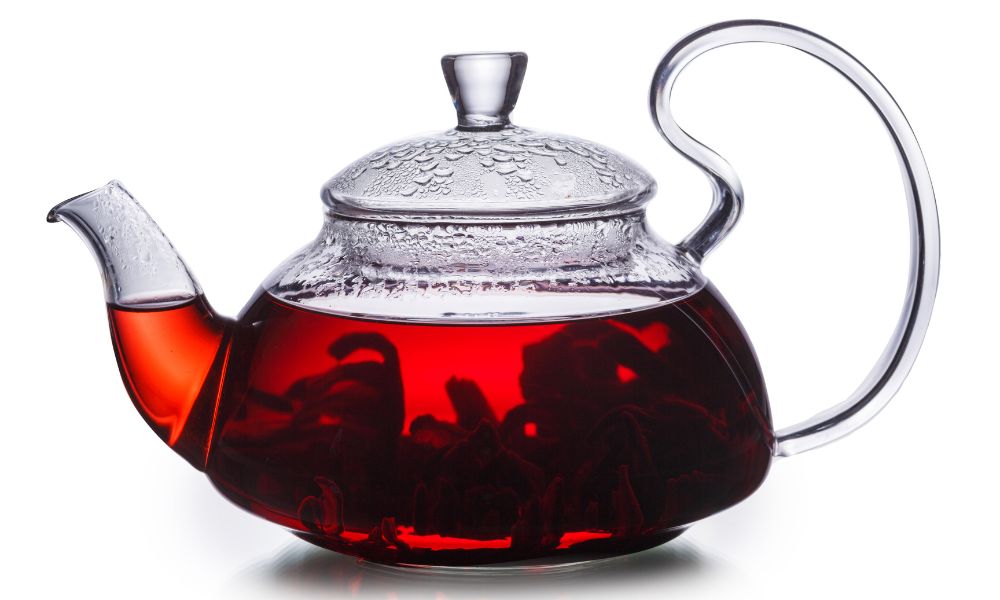
Hibiscus tea is tart, colorful, and naturally caffeine-free. It is more often discussed for blood pressure support than cholesterol, but it can still be part of a heart-friendly drink routine when you enjoy it without added sugar.
If stress is a big part of your eating pattern, a warm cup of hibiscus tea in the evening may help create a calming ritual. And sometimes that ritual matters because nighttime is when many people feel most vulnerable to cravings, grazing, or emotional eating.
If late-night eating is one of your pain points, you may also like this guide to late-night snacks for high cholesterol. The goal is not to shame nighttime hunger. The goal is to choose options that feel supportive instead of chaotic.
6. Water
Water does not directly lower cholesterol in the same way soluble fiber can, but it still matters. When you increase fiber, your body needs enough fluid. Water also helps with digestion, energy, and appetite awareness.
Sometimes thirst can feel like fatigue or cravings. If you are trying to build a calmer relationship with food, staying hydrated can help you understand your body’s signals more clearly.
You do not need to force a gallon a day. Just start gently. A glass of water in the morning, one with lunch, one in the afternoon, and one with dinner can be enough structure to begin.
7. Black Coffee or Light Coffee
Coffee is complicated because it depends on how you drink it. Plain coffee is very different from a large sweetened coffee drink with whipped cream, syrup, and full-fat add-ins.
If coffee is part of your life, you may not need to quit it. You may simply need to adjust it. Try using less sugar, choosing unsweetened milk, or reducing heavy cream. If you drink unfiltered coffee, such as French press or Turkish-style coffee, talk with your healthcare provider if your cholesterol is high, because unfiltered coffee may affect cholesterol levels in some people.
Again, the point is not perfection. The point is awareness.
Drinks to Limit If You Have High Cholesterol
Now let’s talk about what to limit, but gently. I do not want you to read this section as a list of “bad drinks.” Food guilt does not lower cholesterol. Shame does not build better habits. But awareness can help you make choices that support your future self.
1. Sugary Coffee Drinks
Sweet coffee drinks can be sneaky. They may contain added sugars, saturated fat from cream, and more calories than a full meal. Having one sometimes is not a disaster. But if it is a daily habit, it may make cholesterol, triglycerides, blood sugar, and cravings harder to manage.
Try this instead:
- Order a smaller size.
- Ask for fewer pumps of syrup.
- Use unsweetened milk.
- Choose cinnamon or vanilla extract at home.
- Keep your favorite version as an occasional treat, not your daily fuel.
2. Full-Fat Milkshakes
Milkshakes can be high in saturated fat and added sugar. If you have high LDL cholesterol, frequent high-saturated-fat drinks are worth reducing.
The American Heart Association explains that eating too much saturated fat can raise LDL cholesterol, which may increase the risk of heart disease and stroke.
If you love creamy drinks, you can make a more supportive version at home with frozen banana, unsweetened soy milk, cocoa powder, oats, and a little peanut butter. It will still feel comforting but with more fiber and less saturated fat.
3. Soda and Sweet Tea
Soda and sweet tea do not contain cholesterol, but they can still affect heart health because of added sugar. High sugar intake may contribute to weight gain, higher triglycerides, insulin resistance, and more cravings for some people.
If quitting feels too hard, reduce slowly. You can mix half-sweet tea and half unsweetened tea. You can switch from soda to sparkling water with fruit. You can decide that soda is a weekend drink instead of an everyday drink.
Small changes are not fake progress. They are often the only kind of progress that lasts.
A Gentle Daily Drink Routine for Cholesterol
If you like structure, here is a simple drink rhythm you can try. Please adjust it to your body, schedule, budget, and medical needs.
Morning
Start with water or unsweetened tea. If breakfast is hard for you, try the oat berry smoothie. It can be especially helpful if you usually skip breakfast and then crash later.
A balanced morning drink can help you feel more stable, especially if you are someone who gets intense cravings after a light or sugary breakfast.
Midday
Choose water, green tea, or unsweetened iced tea. If you drink coffee, keep it simple and avoid turning it into dessert every day.
This is also a good time to ask: Have I eaten enough real food today? Sometimes we try to solve hunger with drinks when what the body really needs is lunch.
Afternoon
If you get afternoon cravings, try a protein-and-fiber smoothie instead of grazing. This does not mean you are “not allowed” to snack. It simply gives your body something more supportive.
For example:
- Unsweetened soy milk
- Oats
- Frozen berries
- Ground flaxseed
- Cinnamon
Evening
Try caffeine-free herbal tea if evening stress makes you snack on autopilot. Hibiscus, chamomile, mint, or cinnamon tea can become a small calming signal that the day is winding down.
And if you are truly hungry at night, eat. Just choose something steady. A small bowl of oats, Greek yogurt with berries, apple with nut butter, or a fiber-rich snack may be better than fighting hunger until you feel out of control.
What About Apple Cider Vinegar?
Apple cider vinegar gets a lot of attention online, but I would not call it the best drink to lower cholesterol. Some people enjoy it diluted, but it can irritate the stomach, worsen reflux, and damage tooth enamel if used too strongly or too often.
If you like it in salad dressing, that is fine. But you do not need to force vinegar shots to be healthy. Your body does not need harsh rituals to deserve care.
For cholesterol, I would rather see you build a drink around oats, berries, seeds, and unsweetened liquid. That gives your body fiber and nutrients, not just acidity.
What About Lemon Water?
Lemon water is refreshing, hydrating, and can be a nice replacement for sugary drinks. But lemon water alone is not a strong cholesterol-lowering drink.
If lemon water helps you drink more water, wonderful. If it helps you replace soda, even better. But do not expect it to do the job of soluble fiber, heart-healthy meals, movement, sleep, and medical care.
You can enjoy lemon water without turning it into a miracle cure.
What About Ginger Tea?
Ginger tea can be soothing, especially if you deal with bloating, nausea, or digestion discomfort. It may be part of an anti-inflammatory lifestyle, but it should not be your main cholesterol strategy.
Think of ginger tea as supportive, not central. The central habits for cholesterol are still fiber, healthy fats, less saturated fat, less added sugar, more whole plant foods, movement, and working with your healthcare provider when medication is needed.
What About Turmeric Drinks?
Turmeric drinks are popular for inflammation, and turmeric contains curcumin, a compound often studied for its anti-inflammatory potential. But turmeric drinks are not automatically cholesterol-lowering, especially if they are made with lots of sugar or coconut milk high in saturated fat.
If you enjoy turmeric milk, keep it simple. Use an unsweetened base, add cinnamon, and avoid making it overly sweet. If you take blood thinners, have gallbladder issues, or use regular medication, check with your healthcare provider before using high-dose turmeric supplements.
Food-level turmeric in cooking is different from concentrated supplements. That distinction matters.
What Should You Add to a Cholesterol-Lowering Drink?
Instead of asking, “What drink will fix my cholesterol?” a more helpful question is, “What can I add to my drink that supports cholesterol gently?”
Here are some of the best add-ins:
Oats or Oat Bran
These are rich in soluble fiber and easy to blend. Oat bran has more concentrated fiber than regular oats, but rolled oats are easier to find and still helpful.
Berries
Berries add flavor, color, fiber, and antioxidants. They also make smoothies taste naturally sweet without needing much added sugar.
Apple or Pear
Apples and pears contain soluble fiber and blend well into smoothies. Keep the skin on if your blender can handle it.
Ground Flaxseed
Ground flaxseed adds fiber and plant-based omega-3 fats. Use ground flaxseed instead of whole flaxseed because whole seeds may pass through the digestive system without being fully absorbed.
Chia Seeds
Chia seeds add fiber and help thicken drinks. Start small if you are sensitive to fiber.
Unsweetened Soy Milk
This can add plant protein and creaminess. Choose unsweetened versions to avoid unnecessary added sugar.
Cinnamon
Cinnamon adds sweetness without sugar. It can make a smoothie feel cozy and satisfying.
What Should You Avoid Adding?
A cholesterol-friendly drink can quickly become less helpful depending on what gets added. Again, this is not about fear. It is about making the drink match your goal.
Try not to overload your drink with:
- Large amounts of honey, syrup, or sugar
- Sweetened condensed milk
- Heavy cream
- Ice cream
- Sweetened flavored yogurts
- Too much coconut cream
- Multiple high-calorie add-ins at once
You can still enjoy sweet drinks sometimes. But your everyday cholesterol-supportive drink should be built more like a balanced mini-meal than a dessert.
Common Mistakes When Using Drinks to Lower Cholesterol
Mistake 1: Expecting One Drink to Fix Everything
I understand why this happens. When you are worried, you want one clear answer. One drink. One food. One rule. Something that makes you feel safe again.
But cholesterol responds best to patterns, not panic. A smoothie can help. Green tea can help. But they work best as part of an overall lifestyle that includes fiber-rich foods, balanced meals, movement, sleep, stress support, and medical care when needed.
Mistake 2: Drinking Fiber Without Enough Water
If you increase oats, chia, flaxseed, beans, or psyllium, increase fluids too. Fiber needs water. Without enough fluid, you may feel bloated or constipated.
Mistake 3: Making Smoothies Too Sugary
A smoothie with fruit, juice, sweetened yogurt, honey, and flavored milk may contain more sugar than expected. Fruit is not bad, but balance matters. Add fiber, protein, and unsweetened liquid to make the smoothie steadier.
Mistake 4: Forgetting Protein
If your smoothie is only fruit and water, you may feel hungry quickly. Add protein from unsweetened soy milk, Greek yogurt, protein powder if appropriate, or a balanced meal alongside it.
Mistake 5: Using Drinks as Punishment
This one matters emotionally. If your cholesterol drink feels like punishment, you probably will not stick with it. Make it taste good. Make it fit your life. Let it feel like care, not control.
Can Drinks Replace Cholesterol Medication?
No. Drinks should not replace cholesterol medication if your healthcare provider prescribed it.
High cholesterol can be influenced by food, movement, weight, hormones, genetics, thyroid function, liver health, age, menopause, medications, and family history. Sometimes a person can eat very well and still need medication. That is not failure. That is biology.
The Centers for Disease Control and Prevention notes that high cholesterol is often managed through lifestyle changes and, when needed, cholesterol-lowering medicines prescribed by a healthcare professional.
So yes, build the smoothie habit. Drink the tea. Add the oats. But also follow up with your doctor, repeat your labs when recommended, and ask questions about your numbers.
A Gentle 7-Day Cholesterol Drink Plan
If you want a simple way to start, here is a calm 7-day plan. You do not have to follow it perfectly. Use it as inspiration.
Day 1
Make the oat berry smoothie for breakfast. Keep the rest of your day normal. Just notice how your energy feels.
Day 2
Drink green tea in the afternoon instead of a sweetened drink. If you need sweetness, add a small amount and reduce slowly over time.
Day 3
Try a smoothie with oats, apple, cinnamon, and unsweetened soy milk. This tastes cozy and can feel like apple pie in a glass.
Day 4
Focus on hydration. Drink water with meals, especially if you are adding more fiber.
Day 5
Try hibiscus or mint tea in the evening as a calming ritual. Pair it with a balanced snack if you are hungry.
Day 6
Make a chocolate version of the oat smoothie with unsweetened cocoa, banana, oats, flaxseed, and unsweetened soy milk.
Day 7
Choose your favorite drink from the week and make it again. The best habit is the one you can repeat without resentment.
The Bigger Picture: Drinks Help Most When Meals Support Them
One cholesterol-friendly drink is a beautiful start, but it works better when your meals are also moving in the same direction.
That does not mean you need a strict diet. It means slowly adding more of the foods your heart likes:
- Oats
- Beans and lentils
- Vegetables
- Fruit
- Nuts and seeds
- Olive oil
- Fatty fish if you eat fish
- Whole grains
It also means gently reducing foods that tend to raise LDL when eaten often, especially foods high in saturated fat. The NHLBI Therapeutic Lifestyle Changes program combines diet, physical activity, and weight management to help lower LDL cholesterol and improve heart health.
But please hear this: you do not have to do everything at once. Start with one drink. Then one breakfast. Then one snack. Then one dinner you repeat because it makes you feel good.
That is how real change happens for most women. Not through panic. Through repetition that feels safe enough to continue.
FAQs About the Best Drink to Lower Cholesterol
What is the best drink to lower cholesterol fast?
A soluble-fiber-rich oat smoothie is one of the best drinks to support cholesterol because it contains oats, fruit, and seeds that help increase fiber intake. But cholesterol usually does not change overnight. Most people need consistent habits for several weeks or months before seeing changes in lab results.
Can lemon water lower cholesterol?
Lemon water can help with hydration and may replace sugary drinks, but it is not a strong cholesterol-lowering drink by itself. It is fine to drink, but it should not be your main strategy.
Does green tea lower cholesterol?
Green tea may support heart health and can be a helpful replacement for sugary drinks. For cholesterol, it works best alongside fiber-rich foods, balanced meals, and other heart-healthy habits.
Is coffee bad for cholesterol?
It depends on the type and how you prepare it. Plain filtered coffee is different from sugary coffee drinks with cream and syrups. Unfiltered coffee may affect cholesterol in some people, so ask your healthcare provider if you drink it often and have high cholesterol.
Can smoothies lower cholesterol?
Smoothies can support cholesterol if they are made with soluble-fiber foods like oats, berries, apples, pears, chia seeds, or flaxseed. But smoothies made mostly with juice, sugar, and sweetened yogurt may not be as helpful.
Is oat milk good for cholesterol?
Unsweetened oat milk may be a better option than high-saturated-fat dairy drinks for some people, but whole oats or oat bran usually provide more fiber than oat milk. If you use oat milk, choose unsweetened versions.
What should I drink before bed to lower cholesterol?
There is no bedtime drink that directly lowers cholesterol overnight. But caffeine-free herbal tea can help create a calming evening routine. If you are hungry, pair it with a cholesterol-friendly snack instead of trying to ignore hunger.
How often should I drink an oat smoothie for cholesterol?
You can drink it several times per week if it fits your digestion and your overall meals. Some people enjoy it daily. Others prefer it 3 to 4 times per week. Consistency matters more than perfection.
Final Thoughts: Choose the Drink That Feels Like Support, Not Stress
So, what is the best drink to lower cholesterol? My gentle answer is: start with a soluble-fiber-rich oat smoothie made with oats, berries, ground flaxseed or chia seeds, and an unsweetened liquid base.
It is simple. It is realistic. It supports fullness. It adds soluble fiber. And it does not require you to become obsessive about food.
But more importantly, let this be a starting point, not another rule. You are allowed to care about your cholesterol without fearing every meal. You are allowed to want weight loss and still reject extreme dieting. You are allowed to support your body calmly, even if your eating is not perfect.
Your body does not need punishment. It needs patterns that feel safe enough to repeat.
Start with one drink. Add one supportive meal. Take one walk. Ask your doctor the questions you need to ask. Then keep going gently.
That is how cholesterol care becomes part of your life without taking over your life.
