
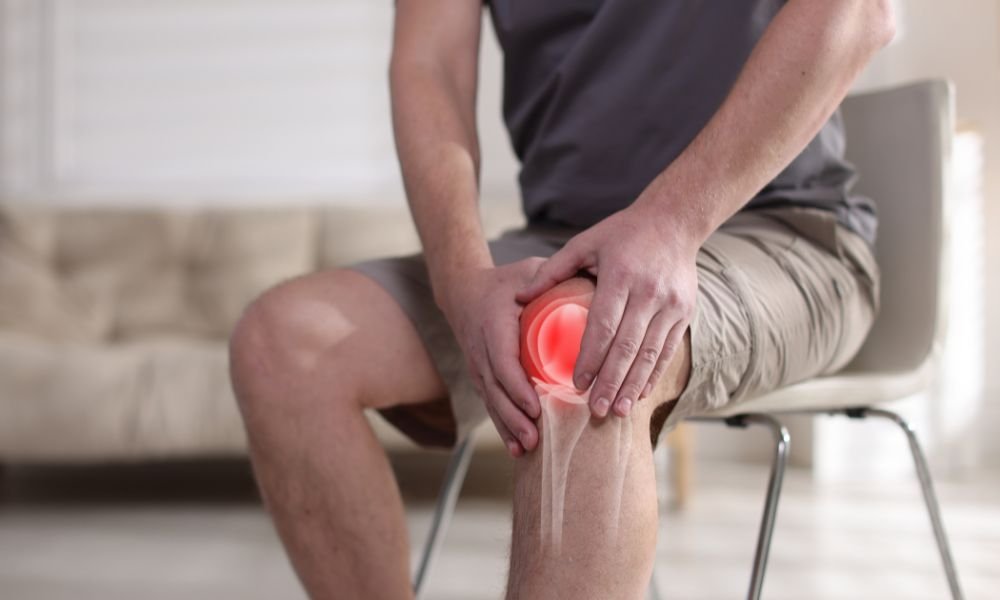
I didn’t expect to spend a week reading rheumatology research for a diet article, but that’s where this one took me. Joint pain is one of those topics where the internet is full of confident-sounding advice — “cut nightshades,” “never eat sugar again,” “this one spice cures inflammation” — and very little of it is honest about what the research actually supports. So this guide is my attempt to separate the two: what’s genuinely backed by evidence, and what’s just repeated often enough to sound true.
According to the CDC’s 2022 data, the age-adjusted prevalence of diagnosed arthritis among U.S. adults is 18.9% — close to 1 in 5 adults living with some form of joint pain serious enough to be formally diagnosed, and that doesn’t count the people dealing with unexplained joint aches who’ve never been formally evaluated. Diet isn’t a cure and it won’t replace medication for autoimmune or inflammatory arthritis, but the research on how food affects inflammatory markers is a lot more solid than most “anti-inflammatory diet” content gives it credit for. Here’s what actually holds up.
What “Anti-Inflammatory” Actually Means for Your Joints
Inflammation isn’t inherently bad — it’s how your body responds to injury or infection, and it’s supposed to resolve once the threat is gone. The problem is chronic, low-grade inflammation that never fully switches off. In joints, that shows up as swelling, stiffness, and pain that lingers well past what an actual injury would explain. It’s driven by inflammatory messengers called cytokines, and by markers like C-reactive protein (CRP) that rise in the blood when this process is active.
Certain foods measurably raise these markers, and others measurably lower them. That’s the actual mechanism behind “anti-inflammatory eating” — it’s not about a mystical toxin-flushing effect, it’s about which foods push your baseline inflammatory load up versus down over time.
Does Diet Really Affect Joint Pain? What the Research Says
Yes, with real research behind it — particularly for rheumatoid arthritis (RA), where the evidence is strongest. According to a Harvard Health review, Mediterranean-style eating — heavy on vegetables, fish, olive oil, and legumes, light on red meat and refined carbs — has been shown in clinical studies to reduce disease activity scores and inflammatory markers in RA patients. The Arthritis Foundation points to the same pattern, noting that people who follow a Mediterranean-style anti-inflammatory diet consistently report less pain and better physical function than those who don’t.
What’s worth being honest about: diet changes tend to help most with the everyday aches of osteoarthritis and general joint inflammation, and with managing flares in inflammatory arthritis alongside medication — not as a replacement for it. If you have a diagnosed autoimmune condition, food is a supporting tool, not a substitute for your treatment plan.
Osteoarthritis, Rheumatoid Arthritis, and Gout: Why the Type of Joint Pain Matters

“Anti-inflammatory diet” advice tends to get written as one-size-fits-all, but the three most common causes of joint pain don’t work the same way, and that changes which parts of this guide matter most for you.
- Osteoarthritis is largely mechanical wear-and-tear on cartilage, though low-grade inflammation still plays a role in pain and progression. Diet here is more about weight management (less load on joints) and slowing inflammatory wear — the general anti-inflammatory pattern in this guide applies well.
- Rheumatoid arthritis is autoimmune — the immune system attacks joint tissue directly. This is where the Mediterranean-diet research is strongest, since it’s specifically been studied for lowering disease activity scores and inflammatory markers in RA patients, not just general aches.
- Gout works differently from the other two. It’s caused by excess uric acid crystallizing in joints, and the dietary triggers are specific: high-purine foods like organ meats, certain seafood (anchovies, sardines in large amounts, shellfish), and high-fructose foods and drinks raise uric acid, regardless of how “anti-inflammatory” the rest of your diet looks. If gout is your specific issue, purine intake matters more than the general food list below.
This is also why the tart cherry research below is worth reading carefully — it was studied specifically for gout, not joint pain in general, and the results are more mixed than the marketing around cherry juice usually lets on.
15 Foods That Help Ease Joint Pain
Fatty Fish
- 1. Salmon – one of the richest food sources of the omega-3s EPA and DHA, which directly compete with the inflammatory compounds your body makes from omega-6 fats.
- 2. Sardines – similar omega-3 profile to salmon, plus calcium from the edible bones — useful since joint pain and bone health often go hand in hand.
- 3. Mackerel – another top omega-3 source, and generally more affordable than salmon if you’re eating fish a few times a week.
Colorful Produce
- 4. Leafy greens (spinach, kale, Swiss chard) – loaded with antioxidants and vitamin K, which has been studied for its role in reducing inflammatory markers.
- 5. Berries (blueberries, strawberries) – rich in anthocyanins, the pigment compounds shown to lower CRP levels in several human studies.
- 6. Tart cherries – specifically studied for gout and joint pain (more on the actual evidence below).
- 7. Broccoli and other cruciferous vegetables – contain sulforaphane, a compound shown to block some of the inflammatory pathways involved in cartilage breakdown.
Healthy Fats
- 8. Extra virgin olive oil – contains a compound called oleocanthal that’s been shown to inhibit the same inflammatory pathway (COX) that ibuprofen targets. It’s not a replacement for medication, but it’s one of the more genuinely evidence-backed “anti-inflammatory foods” out there.
- 9. Avocado – monounsaturated fat plus vitamin E, which supports the same anti-inflammatory pathways as olive oil.
Spices
- 10. Turmeric – the curcumin in turmeric has been studied for its ability to block inflammatory signaling; it’s most effective when paired with black pepper, which dramatically improves absorption.
- 11. Ginger – shown in small clinical trials to reduce pain and stiffness in osteoarthritis, likely by lowering prostaglandin production.
- 12. Garlic (and onions) – contain sulfur compounds linked to reduced inflammatory markers and, in some studies, a lower risk of developing osteoarthritis.
Nuts, Seeds & Whole Foods
- 13. Walnuts and 14. chia or flaxseed – plant-based omega-3 (ALA) sources, useful if you don’t eat fish; also bring fiber into the mix, which independently lowers CRP.
- 15. Beans and lentils – fiber and polyphenols together, which is part of why a higher-fiber diet is consistently linked to lower inflammatory markers. If you want the full picture on why fiber diversity matters this much, I go deep on it in my fibermaxxing guide.
Green tea deserves an honorable mention too — its catechins, particularly EGCG, have been studied specifically in rheumatoid arthritis models for their ability to block inflammatory enzymes, and whole grains like oats and quinoa round things out with the same fiber-driven CRP benefit as legumes.
Omega-3s: How Much Do You Actually Need?
This is where a lot of articles get vague, so here’s the actual number. According to the Arthritis Foundation, a 2021 analysis of 70 studies found that doses above 2.6 grams of combined EPA and DHA per day were the ones that actually lowered inflammatory biomarkers and helped some people reduce their NSAID use. Getting there from food alone usually means fatty fish two to three times a week, which is a realistic target compared to trying to hit it through diet every single day.
One caution worth repeating directly from that same source: going much beyond 3 grams a day isn’t recommended if you take a blood thinner or regular aspirin, since omega-3s have a mild blood-thinning effect of their own. If you’re considering a fish oil supplement rather than getting your omega-3s from food, that’s worth checking with your doctor first.
Do Tart Cherries Really Help With Gout?
This one deserves an honest answer instead of a marketing one. Tart cherries and tart cherry juice have shown real anti-inflammatory activity in lab studies, and some earlier clinical research linked cherry intake to a lower risk of gout attacks. But the newer, better-controlled trials are more mixed — some more recent randomized studies haven’t found that tart cherry juice reliably prevents gout flares the way the early research suggested. The Arthritis Foundation’s take is fair: cherries are a genuinely healthy, anti-inflammatory food worth including, but they’re not a proven cure for gout on their own, and shouldn’t replace a prescribed gout treatment plan.
7 Foods That Make Joint Pain Worse
Just as important as what to add is what tends to push inflammation up. According to the Arthritis Foundation’s breakdown of inflammatory food ingredients, these are the categories with the most consistent evidence against them:
- 1. Added sugar and sugary drinks – sugar triggers the release of inflammatory messengers called cytokines; sodas and sweetened drinks are the single biggest source of added sugar in most diets.
- 2. Refined carbohydrates (white bread, white pasta, most packaged baked goods) – digest quickly, spike blood sugar, and are linked to higher CRP levels than their whole-grain counterparts.
- 3. Fried foods and trans fats – among the most consistently inflammatory foods in the research, partly because frying at high heat creates compounds called advanced glycation end products (AGEs).
- 4. Processed and red meat – diets higher in processed meat are linked to higher inflammatory markers; this doesn’t mean cutting out meat entirely, just leaning toward fish and poultry more often.
- 5. Excess omega-6 seed oils (corn, soybean, sunflower oil in large amounts) – omega-6 isn’t inherently bad, but the modern diet’s ratio of omega-6 to omega-3 is heavily skewed, and that imbalance is part of what drives chronic inflammation.
- 6. High-sodium processed foods – some research links high salt intake to increased inflammatory immune cell activity, on top of its more well-known effects on blood pressure.
- 7. Ultra-processed snack foods (chips, packaged cookies, most “convenience” snack aisle items) – usually combine several of the above at once: refined carbs, added sugar, and industrial seed oils in a single product.
Myth-Busting: Do Nightshades Really Cause Joint Pain?
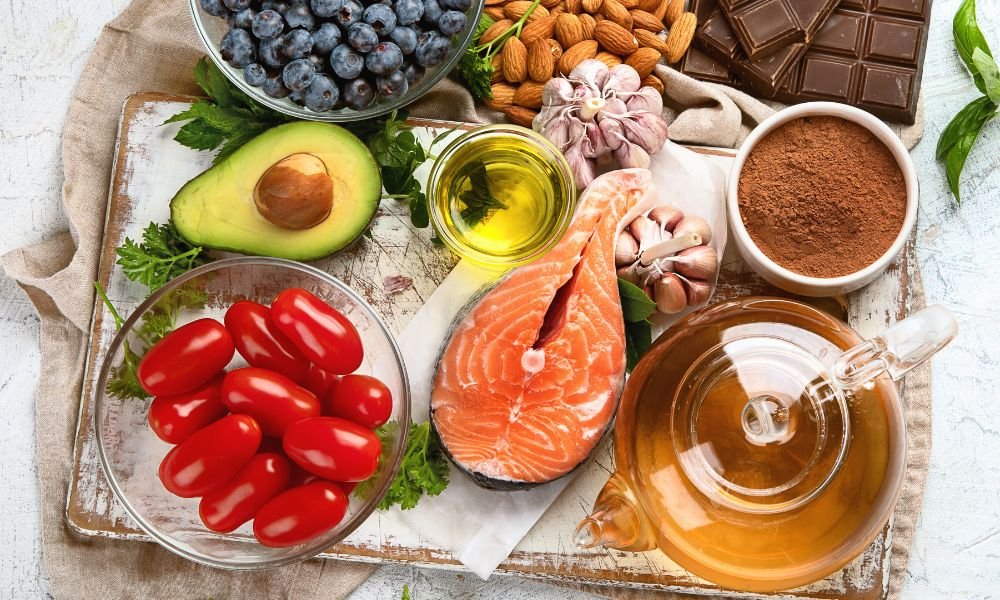
This is probably the most repeated claim in the arthritis-diet space, and it’s worth being straight about it: there isn’t good evidence behind it. Tomatoes, potatoes, peppers, and eggplant contain a compound called solanine, and decades ago some older animal studies suggested it might irritate the gut lining. But according to the Arthritis Foundation, newer research actually found the opposite in some cases — certain nightshades reduced gut inflammation rather than causing it — and most doctors and dietitians don’t consider the nightshade-arthritis link scientifically supported.
That said, some individuals genuinely do notice a difference, and self-reported symptoms matter even without a mechanism that’s been proven in a lab. If you’re curious, the more useful approach is a two-week elimination followed by a careful reintroduction, rather than cutting nightshades indefinitely based on a claim the research doesn’t actually back. Your energy is better spent on the food pattern with the actual evidence behind it — which is the Mediterranean-style approach, not eliminating tomatoes.
Building an Anti-Inflammatory Plate
Instead of thinking in individual “superfoods,” it’s more useful to think in ratios. A plate that consistently looks roughly like this does most of the work:
- Half the plate: non-starchy vegetables and/or berries — as much color variety as you can manage
- A quarter of the plate: a fiber source — legumes, whole grains, or a starchy vegetable
- A quarter of the plate: protein — fatty fish two to three times a week, poultry, eggs, or a plant protein the rest of the time
- Fat: extra virgin olive oil as your primary cooking and dressing fat, with nuts, seeds, or avocado added in
That’s genuinely most of it. It’s not a strict protocol — it’s a ratio you can hit most days without tracking anything.
When Joint Pain Shows Up With Hormonal Changes
If you’ve noticed new joint aches during perimenopause, you’re not imagining it. According to Mass General Brigham, estrogen has anti-inflammatory and joint-protective effects, and as levels drop during perimenopause and menopause, joint pain and stiffness become significantly more common — sometimes described as “menopause arthritis” even without a formal arthritis diagnosis. The same anti-inflammatory eating pattern in this guide is one of the tools that shows up in that research, alongside strength training and adequate protein.
If hormonal shifts are part of what you’re navigating, it’s worth looking at this alongside your broader eating pattern rather than in isolation — I’ve written more specifically about that in Best Diet for Perimenopause Belly Fat and Low Cortisol Diet Meal Plan, since chronic stress and elevated cortisol compound the same inflammatory pathways discussed here. If your joint pain comes with fatigue or shows up alongside a thyroid condition, my Hashimoto’s Thyroiditis Diet Plan covers the autoimmune-inflammation overlap in more depth.
A Full Day of Anti-Inflammatory Eating
- Breakfast: Oatmeal topped with blueberries, walnuts, and a drizzle of honey
- Lunch: Salmon salad with mixed greens, avocado, and an olive oil and lemon dressing
- Snack: A handful of tart cherries or an apple with almond butter
- Dinner: Turmeric-ginger lentil soup with a side of roasted broccoli
- Evening: Green tea
Nothing here requires a specialty ingredient or a supplement stack — that’s intentional. The research supports the pattern, not a single miracle food.
Common Mistakes People Make
- Chasing one “superfood” instead of the overall pattern. Turmeric alone won’t offset a diet that’s otherwise high in fried food and added sugar.
- Eliminating entire food groups without evidence. Cutting all nightshades, all dairy, and all gluten at once makes it impossible to know what, if anything, was actually the problem — and often just makes eating harder for no benefit.
- Expecting fast results. Inflammatory markers typically shift over weeks to months of consistent eating, not days.
- Ignoring movement. Gentle, regular movement is one of the most evidence-backed tools for joint pain in its own right — diet works best alongside it, not instead of it.
- Treating it as a replacement for medical care. If joint pain is new, worsening, or accompanied by swelling and stiffness that doesn’t improve, that’s worth a conversation with a doctor — diet supports treatment, it doesn’t replace a diagnosis.
Frequently Asked Questions
How long does it take for an anti-inflammatory diet to reduce joint pain?
Most people who notice a difference report it within 4 to 8 weeks of consistent eating. Inflammatory markers like CRP typically take several weeks of sustained dietary change to shift meaningfully.
Can diet alone cure arthritis?
No. Diet can help reduce inflammatory load and support symptom management, but it isn’t a cure for osteoarthritis, rheumatoid arthritis, gout, or any other diagnosed joint condition. It works alongside medical treatment, not in place of it.
Is dairy inflammatory?
The evidence is mixed and appears to be individual. Some people with inflammatory conditions report feeling better avoiding dairy, while population studies haven’t found a consistent inflammatory effect for most people. If you suspect it’s an issue for you, an elimination and reintroduction test is more useful than a blanket rule.
Do I need to take a fish oil supplement, or is food enough?
Food is the better starting point. Fatty fish two to three times a week can get you into a meaningful range without needing to track grams. A supplement can help close the gap if you don’t eat fish, but check with your doctor first, especially if you take blood thinners or NSAIDs regularly.
Should I stop eating nightshades to be safe?
Not by default. The evidence against nightshades is weak, and tomatoes, peppers, and eggplant bring real anti-inflammatory antioxidants to the table. If you genuinely suspect a personal sensitivity, test it deliberately rather than cutting them out indefinitely on principle.
Final Thoughts
What surprised me most while researching this is how much of the “anti-inflammatory diet” advice online is either exaggerated or oversimplified — either “this one food heals everything” or “cut out this entire category forever.” The actual research points somewhere much more boring and much more doable: a Mediterranean-style pattern, consistent fatty fish, real fiber, less ultra-processed food, and patience, since the changes happen at the level of inflammatory markers over weeks, not overnight.
If you want a broader, printable version of this way of eating, I also have a dedicated Anti-Inflammatory Diet PDF Guide and Grocery Shopping List that walks through the full shopping list. And as always — this article is educational, not medical advice. If you’re dealing with new, worsening, or persistent joint pain, please talk to a doctor to get an actual diagnosis before assuming diet is the whole answer.
