
Quick answer
An estrogen dominance diet is built on four things:
- Plenty of fiber, about 30 g a day, so you pass more estrogen out through your gut.
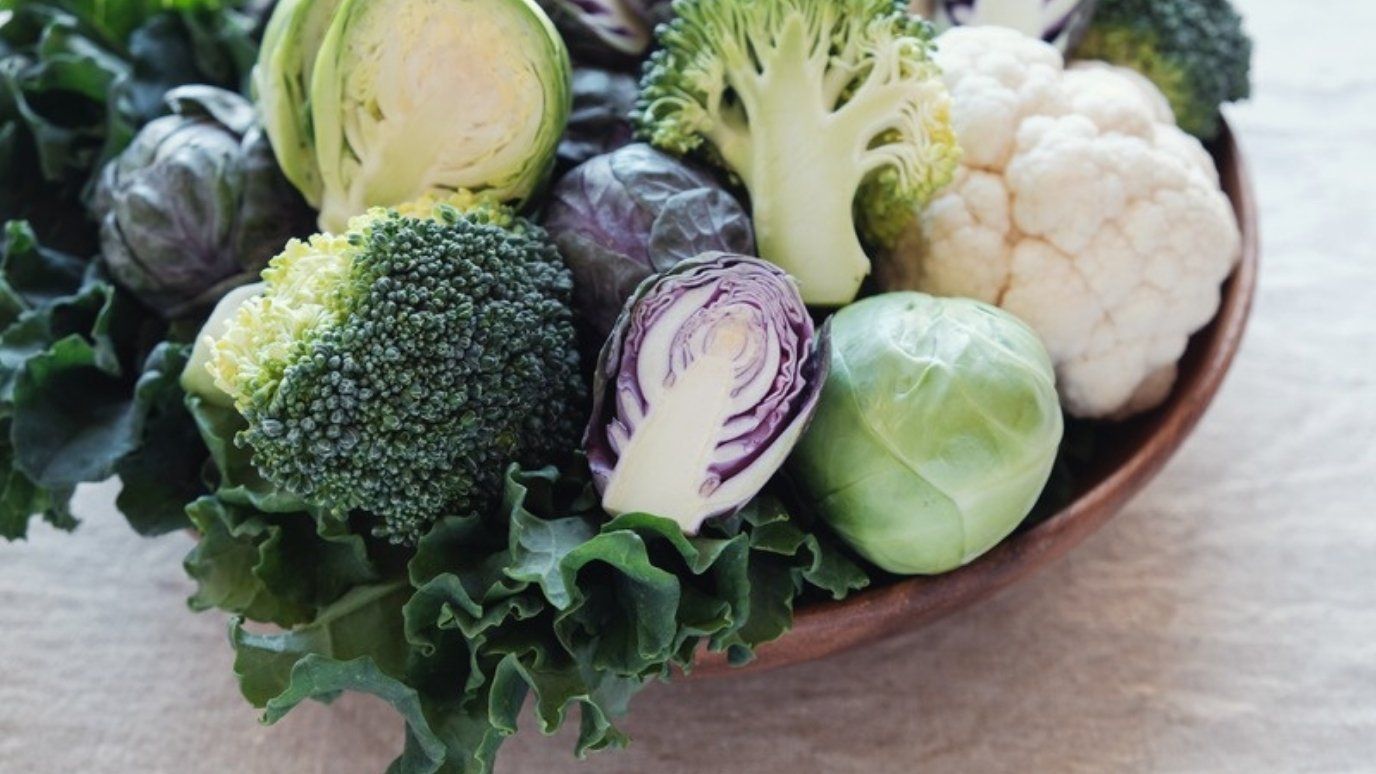
- Cruciferous vegetables, such as broccoli, cabbage and Brussels sprouts.
- Ground flaxseed.
- Losing extra body fat, because fat tissue makes estrogen.
Of these, weight loss and fiber have the strongest human evidence. In one 12-month trial, diet plus exercise lowered estradiol by about 20% in women after menopause.
“Estrogen dominance” isn’t a formal diagnosis, though. If you have heavy periods, sore breasts or cycle changes, get checked as well as changing your diet.
Pinterest is full of “estrogen dominance” checklists, detox teas and lists of foods to fear. Some of that advice is grounded in real research, some is half-true, and some (like avoiding all soy) runs against the evidence.
This guide follows the order you’d actually need: first the signs, then what’s really going on, then the foods that have human data behind them. After that comes a full sample day with the fiber math worked out, and finally when to stop guessing and get tested.
What are the signs of estrogen dominance?
These are the symptoms usually linked to having too much estrogen relative to progesterone:
- Heavy or longer periods, sometimes with clots
- Sore, swollen or lumpy-feeling breasts before your period
- Worse PMS: bloating, irritability, mood swings
- Shorter cycles or spotting before your period
- Water retention and weight gain around the hips and thighs
- Trouble sleeping in the days before your period
- Conditions that are fed by estrogen, such as fibroids, endometriosis and endometrial hyperplasia
Here’s the catch: every symptom on that list has other possible causes, including thyroid problems, iron deficiency, fibroids that need treatment, and perimenopause itself. That’s why I’ve put a section on testing at the end. A symptom checklist can point you in a direction, but it can’t diagnose you.
What is estrogen dominance, really?
“Estrogen dominance” isn’t a diagnosis you’ll find in medical guidelines. It’s a popular term for an imbalance: estrogen that is high, or normal but not balanced by enough progesterone. A few real situations fit that description:
- Perimenopause. In your late 30s to early 50s, estradiol often swings up and down, and some months it runs higher than in your 20s. At the same time, progesterone falls whenever you have a cycle without ovulation. This is the most common reason women in their 40s suddenly get heavier periods and sore breasts.
- Not ovulating. You only make significant progesterone after you ovulate. With PCOS, high stress, very low body weight or perimenopause, cycles without ovulation leave estrogen unopposed.
- Extra body fat. Fat tissue contains aromatase, an enzyme that turns other hormones into estrogen. After menopause, fat tissue becomes a main source of estrogen.
- Medications. Estrogen-only hormone therapy, without a progestogen when you still have a uterus, is one example your doctor will watch for.
Diet can’t change perimenopause or fix a fibroid. But it does influence two of these drivers, body fat and how much estrogen your gut sends back into circulation, so it’s worth getting right.
What foods reduce estrogen dominance?
I’ve ranked these by the strength of the human evidence, because Pinterest lists treat a mouse study and a 12-month clinical trial as if they were equal.
Strongest: an eating pattern that brings your weight down (if you carry extra fat)
This one isn’t a single food, but it has the best data. In a 12-month randomized trial of 439 women aged 50–75 with overweight or obesity, a reduced-calorie diet lowered estradiol by 16.2% compared with controls. Diet plus exercise lowered it by 20.3%. Free estradiol, the active fraction, fell by 26% with diet plus exercise, and the more weight women lost, the bigger the drop (Campbell et al., 2012).
Exercise alone lowered estradiol by only about 5%, a result that wasn’t statistically clear. So for estrogen, the food side does most of the work, and the two together do best. If menopause weight is your struggle, my perimenopause belly fat diet lays out the eating plan, and the 4-Week Weight Loss Planner ($5) helps you track meals, weight and habits week by week.
Strong: fiber, especially wheat bran
Your liver packages used estrogen and sends it to your gut to be excreted. Some gut bacteria make an enzyme called beta-glucuronidase that can “unpackage” that estrogen so it gets reabsorbed instead (Baker et al., 2017). Fiber binds estrogen and speeds things along, so more of it leaves your body.
The detail most articles miss comes from a classic 1991 trial in the American Journal of Clinical Nutrition. Researchers raised 62 premenopausal women’s fiber intake from about 15 g to 30 g a day for two months, using wheat, oat or corn bran. Only the wheat bran group had significant drops in estrone and estradiol. Oat and corn bran didn’t change estrogen levels at all (Rose et al., 1991).
So more fiber in general helps your gut, but if your goal is estrogen specifically, wheat bran and whole wheat are worth including (unless you have celiac disease or gluten sensitivity). The target from that study, about 30 g a day, is close to double what many women eat.
Moderate: ground flaxseed
Flax is rich in lignans, plant compounds with weak estrogen-like and anti-estrogen effects. In a small 1993 trial, women eating flaxseed daily had longer luteal phases and fewer cycles without ovulation, which matters because ovulation is what produces progesterone. I break that study down in my seed cycling guide. One to two tablespoons of ground flax a day is an easy place to start.
Moderate: cruciferous vegetables
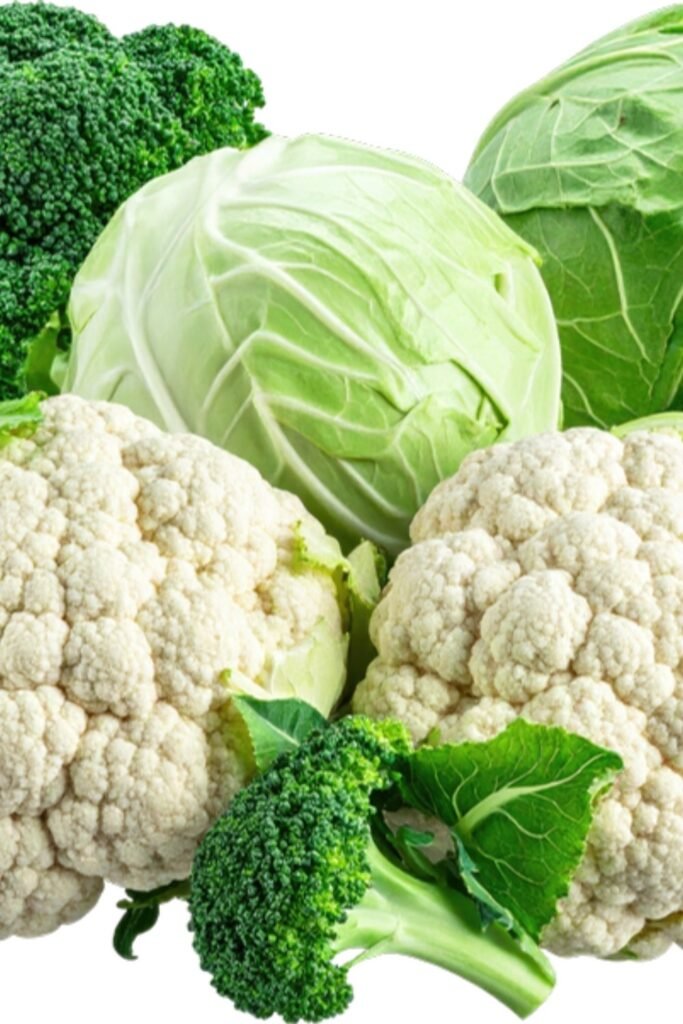
Broccoli, cauliflower, cabbage, kale, bok choy and Brussels sprouts contain glucosinolates, which your body turns into compounds such as indole-3-carbinol. In lab and small human studies, these compounds shift how your liver breaks down estrogen toward pathways considered gentler. What hasn’t been shown is that eating more broccoli improves estrogen-dominance symptoms. They’re still some of the best foods you can eat, and they add fiber, so they’re on the plate anyway.
Myth-busting: soy doesn’t raise estrogen before menopause
Many estrogen dominance lists say to cut out soy. A systematic review of 47 studies found that in premenopausal women, soy and isoflavones did not change estradiol, estrone or SHBG levels. They lowered FSH and LH by about 20% and lengthened the menstrual cycle by about a day. In postmenopausal women there was a small rise in estradiol that wasn’t statistically significant (Hooper et al., 2009). Tofu, edamame and soy milk are fine to keep. If you have a history of hormone-sensitive cancer, ask your oncology team about supplements, which are much more concentrated than food.
What are 5 estrogen foods to avoid?
There’s no proven list of five “estrogen foods” to cut. What the evidence does support is limiting the eating patterns that push estrogen up indirectly, by adding body fat or lowering your fiber intake:
- Sugary drinks and sweets, which add calories that are easy to overeat and feed weight gain.
- Refined grains like white bread and pastries, which push out the whole grains and bran that carry estrogen out.
- Ultra-processed snacks and fast food, which are high in calories and low in fiber.
- Deep-fried foods, which are calorie-dense and make weight loss harder.
- Very low-fiber days in general. If a day’s meals add up to under 15 g of fiber, that’s the pattern the 1991 trial started from.
Notice that none of these are “estrogenic” foods. They work through weight and fiber, which is where the research points. For a broader list of foods to lean on, see my hormone balancing diet food list.
Do eggs or dairy raise estrogen?
Eggs and milk naturally contain tiny amounts of hormones, because they come from female animals. But there’s no good evidence that eating eggs raises blood estrogen in women. Dairy has been studied more, with mixed and small effects. Neither is a reason to cut these protein-rich foods. If you’re trying to lose weight, eggs and Greek yogurt are especially useful because they keep you full.
An estrogen dominance diet sample day (with the fiber math)
Here’s what a day built around the evidence looks like. I calculated the fiber for each item from USDA FoodData Central values. The goal is to land at or above the roughly 30 g used in the wheat bran study.
| Meal | What to eat | Fiber |
|---|---|---|
| Breakfast | 40 g rolled oats cooked with milk, 2 tbsp wheat bran, 1 tbsp ground flax, 1 cup raspberries, and Greek yogurt on the side | ≈ 17 g |
| Lunch | Big salad with ½ cup cooked lentils, shredded cabbage, cucumber, tomato and olive oil dressing, plus grilled chicken or eggs | ≈ 10 g |
| Snack | 1 medium pear and a small handful of almonds | ≈ 7 g |
| Dinner | Baked salmon, 1 cup steamed broccoli, ½ cup brown rice | ≈ 7 g |
| Total | ≈ 40 g |
Where the numbers come from:
- Breakfast: 40 g oats ≈ 4 g, 2 tbsp wheat bran ≈ 3 g, 1 tbsp ground flax ≈ 2 g, 1 cup raspberries ≈ 8 g.
- Lunch: ½ cup lentils ≈ 8 g, plus about 2 g from the vegetables.
- Snack: a medium pear ≈ 5.5 g, almonds ≈ 1.5–2 g.
- Dinner: 1 cup broccoli ≈ 5 g, ½ cup brown rice ≈ 1.5–2 g.
That breakfast alone gets you more than halfway, which is the easiest way to hit 30 g without thinking about it the rest of the day. Wheat bran is also the cheapest item in the whole day.
Go slow if you’re starting low. Jumping from 15 g to 40 g of fiber overnight is a recipe for gas and bloating. Add about 5 g a week and drink more water as you go. If you’re on a GLP-1 medication, build up even more gradually. My high-fiber diet for GLP-1 users shows how.
How do you flush out excess estrogen?
Your body already “flushes” estrogen every day. The liver processes it, and you pass it out in stool and urine. You can’t speed that up with a detox tea, juice cleanse or castor oil pack. What you can do is support the route your body already uses:
- Have regular bowel movements. Constipation gives gut bacteria more time to reactivate estrogen before it leaves. Fiber, fluids and movement are the fix.
- Feed a diverse gut microbiome with lots of different plants and some fermented foods. My gut healing soup recipes include a 12-plant minestrone and a miso soup for exactly this.
- Lower your body fat if you carry extra, because it reduces how much estrogen your body makes in the first place.
Be skeptical of any product that promises to “detox estrogen” in days. Supplements like DIM and calcium-D-glucarate are popular for this, but they don’t have solid clinical evidence for estrogen-dominance symptoms, and they can interact with medications. Check with your doctor before trying them.
How do I fix estrogen dominance if it’s perimenopause?
If you’re in your 40s and your periods have become heavier, closer together, or come with sore breasts and poor sleep, perimenopause is the most likely driver. The diet above still helps, especially with weight and fiber. But it’s worth knowing there are effective medical options too, like progesterone-based treatments for heavy bleeding. That’s a conversation for your gynecologist, not something to tough out with tea.
One thing that helps that conversation is a few cycles of notes. Write down period dates, how heavy the flow is, breast tenderness, sleep and mood. My 28-Day Menopause Reset Journal ($5) gives you a page a day for exactly these symptoms, so you walk into your appointment with patterns instead of a vague “I feel off.”
If you’re trying to conceive, my hormone balancing diet for fertility covers how estrogen, progesterone and ovulation fit together when pregnancy is the goal.
When should you get tested, and which tests?
See a doctor rather than relying on diet alone if you have any of these:
- Periods heavy enough to soak a pad or tampon every 1–2 hours, or that last longer than 7 days
- Bleeding between periods, after sex, or any bleeding after menopause
- Signs of anemia, like tiredness, breathlessness or dizziness
- A new breast lump, or breast changes that don’t go away after your period
- Cycles shorter than 21 days or longer than 35 days
Tests your doctor may suggest:
- Mid-luteal progesterone: a blood test about 7 days before your expected period (day 21 of a 28-day cycle). This is the most useful single hormone test, because it shows whether you ovulated.
- Estradiol, FSH and LH: usually checked early in the cycle (days 2–5). These are harder to interpret in perimenopause because they swing from month to month.
- TSH and a complete blood count with ferritin, to rule out thyroid problems and iron deficiency, which mimic many of these symptoms.
- A pelvic ultrasound, if your bleeding is heavy, to look for fibroids, polyps or a thickened uterine lining.
What about saliva and urine hormone panels? They’re popular online, but the American College of Obstetricians and Gynecologists says the data on interpreting these extra hormone tests are limited and doesn’t recommend them for guiding hormone therapy (ACOG Clinical Consensus No. 6, 2023). Save your money for the standard blood tests above.
Estrogen dominance diet FAQs
How long does an estrogen dominance diet take to work?
In the 1991 wheat bran trial, estrogen levels dropped after two months. In the 12-month weight-loss trial, the more weight women lost, the bigger the drop. Give dietary changes at least two to three cycles before judging them.
Can I eat soy with estrogen dominance?
Yes. A review of 47 studies found that soy foods didn’t raise estradiol in premenopausal women. Tofu, edamame and soy milk are fine as part of a normal diet. Ask your doctor about soy supplements if you have a hormone-sensitive condition.
Is coffee bad for estrogen dominance?
Studies on caffeine and estrogen levels are mixed and the effects are small. Moderate coffee is fine for most women. If it worsens your sleep or breast tenderness, cut back and see if you notice a difference.
Does estrogen dominance cause weight gain?
It works both ways. Higher estrogen is linked with water retention and fat stored on the hips and thighs, and extra body fat makes more estrogen. Losing excess weight is one of the best-proven ways to lower estrogen.
Can estrogen dominance happen after menopause?
After menopause, total estrogen is low, but fat tissue becomes a main source of it. That’s why weight loss lowered estradiol in postmenopausal women in clinical trials. Any bleeding after menopause needs prompt medical review.
What is the best test for estrogen dominance?
There’s no single test. A mid-luteal progesterone blood test shows whether you ovulated. Estradiol, FSH, LH, thyroid and iron tests help rule out other causes, and an ultrasound checks for fibroids if your bleeding is heavy.
