
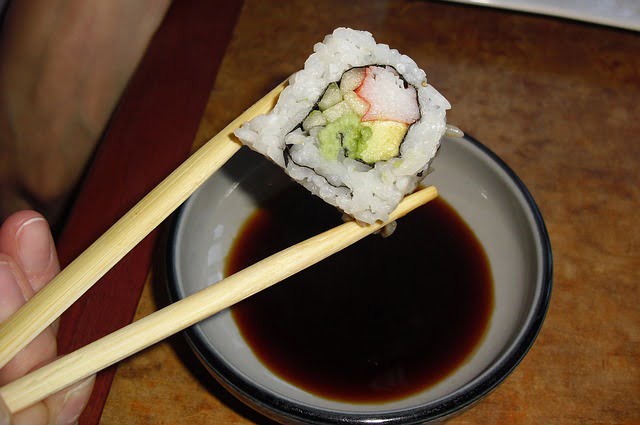
Even when you think you’ve eliminated gluten entirely, it can still slip into your diet through the back door. Gluten isn’t just in bread and pasta — it shows up in soy sauce, chocolate, canned foods, supplements, and even lip balm. These hidden sources are a common cause of recurring symptoms in people with celiac disease, gluten intolerance, or non-celiac gluten sensitivity.
Because gluten gives food its chewy texture and helps products bind together, many manufacturers add it as a stabilizer or thickener. For example, Kikkoman Soy Sauce contains wheat unless it’s specifically labeled gluten-free. Even popular chocolate brands sometimes include wheat-based flavorings or barley malt extract.
When I first started testing “gluten-free” chocolates for my site, only three out of seven were certified gluten-free — the rest had traces from cross-contamination. That experience taught me that living gluten-free isn’t just about skipping bread; it’s about learning where gluten hides and how to spot it on labels.
By understanding these hidden sources — and reading ingredient lists with a critical eye — you can prevent flare-ups, reduce inflammation, and feel genuinely better while staying true to your gluten-free lifestyle.
Check out the latest posts;
- How to Stop Period Cravings: Science-Backed Ways to Control PMS Hunger
- Female 7-Day Smoothie Weight Loss Diet Plan For Women: Free Smoothies Real Benefits
- Keto Cycle Diet Plan: How It Compares to Carb Cycling and Who Should Use It
- 10 Oatmeal Smoothie Weight Loss Recipes (Drinkable, Filling Blends for Busy Mornings)
- 5 Day Sugar Cleanse: A Simple Reset to Cut Cravings and Feel More Energized
Contents
- 1 Hidden Gluten in Everyday Foods You Might Trust Too Much
- 1.1 1. Breakfast Cereals
- 1.2 2. Salad Dressings and Marinades
- 1.3 3. Meat Substitutes and Veggie Burgers
- 1.4 4. Soups, Sauces, and Instant Noodles
- 1.5 5. Pizza and Frozen Foods
- 1.6 6. Snack Foods and Fried Chips
- 1.7 7. Condiments and Seasonings
- 1.8 8. Baked Goods, Mixes, and Desserts
- 1.9 9. Nutritional Supplements and Cosmetics
- 1.10 10. Processed Deli Meats and Hot Dogs
- 1.11 11. Seasoned Rice Mixes and Ready Meals
- 1.12 12. Energy Bars and Protein Snacks
- 1.13 13. Ice Creams and Frozen Desserts
- 1.14 14. Flavored Coffees and Drink Mixes
- 1.15 15. Soy-Based Vegetarian Sauces and Dressings
- 1.16 16. Snack Crackers and Breadsticks
- 1.17 17. Processed Cheeses and Cheese Spreads
- 1.18 18. Gravy, Stock Cubes, and Bouillon
- 1.19 19. Canned Beans and Lentil Soups
- 1.20 20. Granola and Trail Mixes
- 1.21 21. Stuffing Mixes and Preseasoned Croutons
- 1.22 22. Sauces in Packaged Pasta and Frozen Meals
- 1.23 23. Candy and Chewing Gum
- 1.24 24. Processed Breakfast Sausages
- 2 How to Identify Hidden Gluten on Nutrition Labels
- 2.1 1. Recognize the Obvious and Less Obvious Gluten Terms
- 2.2 2. Watch for Ambiguous Ingredients
- 2.3 3. Identify FDA-Compliant Gluten-Free Labeling
- 2.4 4. Pay Attention to Allergen Statements
- 2.5 5. Understand Cross-Contamination Warnings
- 2.6 6. Compare Brand Transparency
- 2.7 7. Use Digital Tools and Barcode Scanners
- 2.8 8. Track Personal Reactions and Keep a Gluten Journal
- 2.9 9. Know the High-Risk Product Categories
- 2.10 10. Contact Manufacturers When in Doubt
- 3 Conclusion
- 4 eferences
Hidden Gluten in Everyday Foods You Might Trust Too Much
Even a well-planned gluten-free diet can easily be compromised by ingredients that seem harmless at first glance. Many manufacturers add wheat, barley, or rye derivatives for texture, flavor, or shelf stability, making gluten nearly invisible to the consumer. Below is a detailed look at where gluten most often hides and how to make informed choices.
1. Breakfast Cereals
Breakfast cereals are among the most deceptive sources of hidden gluten. Although they appear to be grain-based and healthy, many use barley malt extract or wheat derivatives for flavor and crispiness.
- Why gluten is present: Barley malt syrup gives sweetness and crunch, while wheat starch improves flake structure and shelf life. Even small traces can trigger inflammation in individuals with celiac disease or non-celiac gluten sensitivity.
- Examples:
- Unsafe: Kellogg’s Special K and Cheerios Original both contain barley malt flavoring or risk cross-contamination.
- Safe: Nature’s Path Gluten Free Cereal and One Degree Organic Foods offer verified gluten-free options made with purity protocol oats.
Tip: Always verify that oats are labeled “certified gluten-free,” as regular oats are frequently contaminated during processing.
2. Salad Dressings and Marinades
Many salad dressings and marinades use thickeners or stabilizers derived from wheat, such as modified food starch or malt vinegar.
- Why gluten is present: Gluten-based ingredients provide viscosity and prevent oil separation in dressings. Malt vinegar, derived from barley, is another common additive.
- Examples:
- Unsafe: Hidden Valley Original Ranch Dressing lists modified food starch, which may be wheat-based depending on the production region.
- Safe: Primal Kitchen Avocado Oil Dressings and Tessemae’s Organic Dressings are certified gluten-free and made without malt vinegar.
Clinical note: Gluten ingestion through condiments, though minor, can sustain low-grade inflammation in celiac patients.
3. Meat Substitutes and Veggie Burgers
Plant-based meat alternatives often rely on vital wheat gluten to mimic the chewy, dense texture of real meat.
- Why gluten is present: Gluten is used as a binding agent and to retain moisture during cooking.
- Examples:
- Unsafe: MorningStar Farms Veggie Grillers Original contain wheat gluten as a key ingredient.
- Safe: Beyond Meat Burgers and Impossible Burger Gluten-Free Patties are verified as gluten-free.
Tip: Always review ingredient lists on vegan or vegetarian products, as “plant-based” does not necessarily mean gluten-free.
4. Soups, Sauces, and Instant Noodles
Canned and packaged soups are common culprits because many use flour, wheat starch, or soy sauce for thickening and flavor enhancement.
- Why gluten is present: Gluten helps stabilize emulsions and adds viscosity. Soy sauce, often included in flavor bases, introduces wheat.
- Examples:
- Unsafe: Campbell’s Chicken Noodle Soup contains enriched wheat flour.
- Safe: Progresso Gluten-Free Soups clearly state gluten-free on the label and meet FDA standards.
A clinical note from Lerner et al., 2019: gluten contamination in processed foods remains a major cause of ongoing intestinal inflammation despite a gluten-free diet.
5. Pizza and Frozen Foods
Even “cauliflower crust” or “thin-crust” frozen pizzas can include small amounts of wheat flour to improve elasticity and crispness.
- Why gluten is present: Cauliflower and other gluten-free bases often require binding with wheat-based additives for structure.
- Examples:
- Unsafe: DiGiorno Cauliflower Crust Pizza lists wheat flour among its ingredients.
- Safe: Against the Grain Gourmet Pizza and Udi’s Gluten Free Pizzas are safe options with certified gluten-free labeling.
6. Snack Foods and Fried Chips
Even when made from potatoes or corn, snacks can contain gluten through seasoning mixes or cross-contaminated frying oils.
- Why gluten is present: Manufacturers use wheat flour to bind seasoning powders and maintain crispness.
- Examples:
- Unsafe: Doritos Nacho Cheese and Lay’s Sour Cream & Onion are not certified gluten-free.
- Safe: Cape Cod Original Kettle Cooked Chips and Popchips are verified gluten-free.
7. Condiments and Seasonings
Condiments can be an overlooked source of gluten because many use caramel color or malt vinegar.
- Why gluten is present: Gluten improves texture, and barley-based vinegar adds flavor depth.
- Examples:
- Unsafe: A.1. Steak Sauce includes wheat-derived caramel color.
- Safe: Bragg Coconut Aminos and Red Duck Ketchup are naturally gluten-free condiments.
8. Baked Goods, Mixes, and Desserts
Gluten is the structural backbone of most baked goods, and even gluten-free alternatives may include trace amounts if processed in shared facilities.
- Why gluten is present: It provides elasticity and volume in cakes, brownies, and bread.
- Examples:
- Unsafe: Betty Crocker Brownie Mix and Pillsbury Cake Mixes contain wheat flour.
- Safe: King Arthur Gluten Free Mixes and Bob’s Red Mill GF Baking Mixes are certified by GFCO.
9. Nutritional Supplements and Cosmetics
Although often overlooked, gluten-based fillers may appear in vitamin tablets, capsules, or even skincare and cosmetic products.
- Why gluten is present: Wheat starch is sometimes used as a binder or stabilizer in medications and cosmetics.
- Examples:
- Unsafe: Certain regional formulations of multivitamins and lip balms contain hydrolyzed wheat protein.
- Safe: NOW Foods Gluten-Free Supplements and EpiLynx Gluten-Free Cosmetics are safe alternatives.
10. Processed Deli Meats and Hot Dogs
Processed meats often contain gluten-based fillers, flavorings, or binders to improve texture and moisture retention.
- Why gluten is present: Manufacturers frequently add wheat-based extenders or modified food starch to hold fat and water together.
- Examples:
- Unsafe: Oscar Mayer Classic Hot Dogs may contain wheat-based flavorings or be processed in shared equipment.
- Safe: Applegate Naturals Gluten-Free Hot Dogs are verified gluten-free and use natural ingredients.
Clinical note: Even minimal gluten contamination can maintain intestinal villous inflammation in celiac patients.
11. Seasoned Rice Mixes and Ready Meals
Packaged rice dishes often include seasoning blends thickened with wheat flour or barley malt for flavor enhancement.
- Why gluten is present: Gluten improves seasoning adhesion and adds umami depth through malted flavor agents.
- Examples:
- Unsafe: Knorr Rice Sides frequently contain wheat or barley derivatives.
- Safe: Lundberg Family Farms Rice Mixes are labeled gluten-free and independently tested.
12. Energy Bars and Protein Snacks
Protein bars and granola snacks frequently contain oats that are cross-contaminated with wheat or use malt flavoring.
- Why gluten is present: Barley malt syrup and hydrolyzed wheat protein add sweetness and binding texture.
- Examples:
- Unsafe: Clif Bar products often use barley malt.
- Safe: GoMacro Bars and RXBAR offer gluten-free certified varieties.
13. Ice Creams and Frozen Desserts
While plain ice cream is naturally gluten-free, mix-ins such as cookie dough, brownies, and caramel swirls frequently contain wheat flour.
- Why gluten is present: Cookie crumbs, wafers, and malt flavorings are common additives for texture and taste.
- Examples:
- Unsafe: Ben & Jerry’s Half Baked includes cookie dough and brownie pieces made with wheat flour.
- Safe: So Delicious Dairy Free Ice Cream and NadaMoo! Coconut Milk Ice Cream are gluten-free certified.
14. Flavored Coffees and Drink Mixes
Instant coffee mixes, flavored cappuccinos, and drink powders may contain gluten due to malted barley or starch-based thickeners.
- Why gluten is present: Gluten-based additives improve mouthfeel and foam stability in powdered beverages.
- Examples:
- Unsafe: Nescafé Cappuccino Mix and certain Starbucks VIA flavored sachets contain maltodextrin from wheat.
- Safe: Four Sigmatic Mushroom Coffee and Laird Superfood Creamers are gluten-free verified.
15. Soy-Based Vegetarian Sauces and Dressings
Asian condiments such as teriyaki, hoisin, or oyster sauce often rely on soy sauce brewed with wheat.
- Why gluten is present: Fermentation with wheat enhances sweetness and flavor complexity.
- Examples:
- Unsafe: Lee Kum Kee Hoisin Sauce and Kikkoman Teriyaki Sauce both use wheat.
- Safe: San-J Gluten Free Tamari Sauce and Coconut Secret Teriyaki Sauce are safe alternatives.
16. Snack Crackers and Breadsticks
Even seemingly plain crackers often contain wheat or barley malt for texture or flavor enhancement.
- Why gluten is present: Gluten forms the elastic network that gives crackers their crunch and chew.
- Examples:
- Unsafe: Ritz Crackers and Triscuit both list wheat as a main ingredient.
- Safe: Simple Mills Almond Flour Crackers and Mary’s Gone Crackers are certified gluten-free.
17. Processed Cheeses and Cheese Spreads
Some processed cheeses and cheese dips contain gluten-based thickeners or colorants to achieve smooth texture.
- Why gluten is present: Wheat starch stabilizes emulsified cheese and extends shelf life.
- Examples:
- Unsafe: Velveeta Cheese Sauce and certain Cheez Whiz flavors are not certified gluten-free.
- Safe: Sargento Natural Cheeses and Daiya Dairy-Free Shreds are gluten-free options.
18. Gravy, Stock Cubes, and Bouillon
Commercial gravy mixes and bouillon cubes are among the most overlooked gluten sources.
- Why gluten is present: Wheat flour acts as a thickener, and soy sauce adds a savory note, both containing gluten.
- Examples:
- Unsafe: Knorr Chicken Bouillon Cubes and McCormick Brown Gravy Mix contain wheat.
- Safe: Herb-Ox Gluten Free Bouillon and Savory Choice Liquid Broths are verified gluten-free.
19. Canned Beans and Lentil Soups
While beans themselves are naturally gluten-free, canned varieties sometimes include sauces thickened with wheat flour.
- Why gluten is present: Gluten-based starch improves consistency in sauces and prevents separation during storage.
- Examples:
- Unsafe: Bush’s Baked Beans Original contains modified food starch (may be wheat-based).
- Safe: Eden Organic Beans and Amy’s Organic Soups offer gluten-free certified options.
20. Granola and Trail Mixes
Many granolas contain oats processed alongside wheat or include barley malt syrup as a sweetener.
- Why gluten is present: Barley malt and cross-contaminated oats introduce hidden gluten.
- Examples:
- Unsafe: Quaker Granola and KIND Clusters are not always gluten-free certified.
- Safe: Purely Elizabeth Granola and Bakery On Main Granola are both certified gluten-free.
21. Stuffing Mixes and Preseasoned Croutons
These are almost universally made with wheat flour or dried bread crumbs.
- Why gluten is present: Wheat provides structure and absorbs broth during baking.
- Examples:
- Unsafe: Pepperidge Farm Herb Seasoned Stuffing contains enriched wheat flour.
- Safe: Aleia’s Gluten-Free Stuffing Mix and Three Bakers Stuffing Mix are gluten-free alternatives.
22. Sauces in Packaged Pasta and Frozen Meals
Even if the pasta claims to be gluten-free, the included sauce packet may not be.
- Why gluten is present: Wheat-based thickeners give sauces a creamy texture.
- Examples:
- Unsafe: Lean Cuisine Alfredo Pasta uses modified food starch that may contain gluten.
- Safe: Cappello’s Gluten-Free Pasta Meals and Evol Gluten-Free Bowls are fully gluten-free options.
23. Candy and Chewing Gum
Gluten can hide in candies through malt flavoring, wheat starch, or flour used as anti-caking agents.
- Why gluten is present: Gluten prevents candy stickiness and adds texture to certain chewy varieties.
- Examples:
- Unsafe: Twizzlers and Whoppers Malted Milk Balls both contain wheat and barley malt.
- Safe: YumEarth Candies and Surf Sweets Gummies are gluten-free certified.
24. Processed Breakfast Sausages
Commercial breakfast sausages sometimes contain gluten as a filler or binder.
- Why gluten is present: Wheat flour is added to bind meat and spices.
- Examples:
- Unsafe: Jimmy Dean Breakfast Sausage Links contain wheat-based flavoring in certain varieties.
- Safe: Applegate Organics Chicken & Apple Sausage and Aidells Sausages are gluten-free certified.
How to Identify Hidden Gluten on Nutrition Labels
Avoiding gluten successfully goes beyond steering clear of bread, pasta, or cookies. Many people following a gluten-free diet still experience symptoms because gluten often hides under unfamiliar names or ingredients that seem harmless.
Understanding how to read labels properly is one of the most effective tools for protecting your health and ensuring that what you buy truly aligns with a gluten-free lifestyle.
1. Recognize the Obvious and Less Obvious Gluten Terms
Manufacturers may not use the word “gluten” directly. Instead, they list derivatives of wheat, barley, or rye that serve as thickeners, stabilizers, or flavor enhancers.
Look for these common indicators on the ingredient list:
| Source Grain | Common Label Terms | Example Product |
|---|---|---|
| Wheat | flour, wheat starch, hydrolyzed wheat protein, vital gluten | Enriched flour in Betty Crocker Cake Mix |
| Barley | malt, malt extract, malt vinegar, malt flavoring | Malt flavor in Special K Cereal |
| Rye | rye flour, rye meal, pumpernickel | Found in multigrain breads |
| Triticale | hybrid of wheat and rye | Used in some artisanal crackers |
| Oats (non-certified) | may be contaminated during harvesting | Regular Quaker Oats (non-GF varieties) |
If any of these appear, the product is not gluten-free.
2. Watch for Ambiguous Ingredients
Certain words appear harmless but can either contain or be derived from gluten, depending on the manufacturer’s source.
You should verify the ingredient’s origin directly from the brand’s website or call customer service if unsure.
Common ambiguous ingredients:
- Modified food starch (unless specified as corn or potato)
- Dextrin or maltodextrin (can be wheat-derived)
- Natural flavors (sometimes extracted with malt-based alcohol)
- Caramel color (may come from barley)
- Soy sauce (most are brewed with wheat)
For instance, Hidden Valley Ranch Dressing lists “modified food starch” — this can be gluten-based depending on the production facility. Unless it’s clearly stated “corn-based,” avoid it if you have celiac disease.
3. Identify FDA-Compliant Gluten-Free Labeling
In the United States, the Food and Drug Administration (FDA) regulates the term “gluten-free”.
To carry this label, the food must contain less than 20 parts per million (ppm) of gluten.
However, not all “gluten-free” claims are verified by independent testing, so consumers should look for one of the following certifications:
- GFCO (Gluten-Free Certification Organization) – black circle logo with GF inside.
- Celiac Support Association (CSA) – blue logo with “Certified Gluten-Free” text.
- NSF Gluten-Free Certified – laboratory-tested and facility-verified.
Example comparison:
- King Arthur Gluten-Free Brownie Mix displays the GFCO certification on its packaging.
- Pillsbury Brownie Mix only states “may contain wheat,” which is insufficient for strict gluten-free diets.
4. Pay Attention to Allergen Statements
After the ingredient list, manufacturers are legally required to note major allergens in a “Contains” statement.
If you see:
Contains: Wheat
the product is unsafe for gluten-free diets.
However, a label that says “Made in a facility that processes wheat” is not a guarantee of safety either — it indicates possible cross-contamination.
Practical tip:
If the packaging doesn’t clearly state “gluten-free,” and there’s any mention of wheat or shared processing, treat it as unsafe unless confirmed otherwise by the manufacturer.
5. Understand Cross-Contamination Warnings
Even certified gluten-free ingredients can become contaminated during processing or packaging.
Research shows that ongoing low-level gluten exposure can maintain intestinal inflammation in celiac patients despite a gluten-free diet (Lerner et al., 2019, PMC6803387).
To minimize risk:
- Prefer brands that operate dedicated gluten-free facilities (for example, Bob’s Red Mill Gluten-Free Line).
- Avoid bulk-bin products where cross-contact is common.
- Use separate toasters, utensils, and cutting boards at home for gluten-free foods.
6. Compare Brand Transparency
Some companies publish detailed gluten statements on their websites, which helps establish trust and improves traceability:
| Brand | Gluten-Free Policy | Transparency Level |
|---|---|---|
| King Arthur Baking | Certified GF line tested for <10 ppm gluten | High |
| General Mills | Uses purity protocol oats but has cross-contamination warnings | Moderate |
| Kikkoman | Offers separate GF tamari line, labeled distinctly | High |
| Nestlé (Nescafé, Carnation) | May use wheat-based maltodextrin in mixes | Low |
When choosing products, favor brands that publicly disclose testing standards and manufacturing practices.
7. Use Digital Tools and Barcode Scanners
Several smartphone apps can help consumers identify hidden gluten in packaged foods.
Reliable tools include:
- Fig App – scans ingredient lists and allergen warnings.
- Spoon Guru – filters grocery products by gluten status.
- The Gluten Free Scanner – verified database linked to FDA and manufacturer data.
These tools are particularly useful when shopping internationally, where labeling standards differ.
8. Track Personal Reactions and Keep a Gluten Journal
Even with clean labels, sensitivity levels vary. Keep a simple record of new foods, reactions, and suspected sources of contamination.
For example, after introducing a new brand of soy sauce, note if bloating, fatigue, or headaches occur — all potential indicators of trace gluten exposure (PubMed ID 29202198).
Over time, a food journal helps identify patterns and refine your safe-food list.
9. Know the High-Risk Product Categories
Certain product types are notorious for inconsistent labeling or contamination. Handle these with extra caution:
- Seasoned snacks and chips
- Vegetarian and vegan sauces
- Imitation seafood (surimi, fish cakes)
- Gravy and soup bases
- Herbal teas or supplements with “natural flavors”
Reading both front-of-package claims and fine print ensures a complete understanding of the product’s true gluten status.
10. Contact Manufacturers When in Doubt
If an ingredient or label seems unclear, contact the manufacturer directly. Reputable companies typically respond within 24–48 hours with detailed sourcing information.
When I contacted a chocolate manufacturer about a “natural flavor” listing, they confirmed it was barley-based — a small inquiry that prevented a major flare-up.
Direct verification remains the most reliable step in maintaining a medically safe gluten-free diet.
Conclusion
Understanding what happens inside your body after gluten withdrawal helps you appreciate that a gluten-free diet is far more than a passing trend — it’s a deep physiological transformation.
From intestinal healing and immune recalibration to improved bone strength and neurological balance, every system begins to restore its natural rhythm once gluten is eliminated.
However, these benefits rely on consistency and awareness. Even tiny gluten exposures can delay progress, so staying informed about labeling, cross-contamination, and nutritional balance is crucial.
If you’d like to explore how these biological changes unfold week by week, check out our detailed guide:
Gluten Withdrawal Timeline: Symptoms, Stages, and How to Feel Better Faster
eferences
- Sategna-Guidetti, C. S. B., et al. (2000). The effects of 1-year gluten withdrawal on bone mass, bone metabolism and nutritional status in newly-diagnosed adult coeliac disease patients.
Alimentary Pharmacology & Therapeutics. PubMed ID: 10632643 - Lerner, A., O’Bryan, T., & Matthias, T. (2019). Navigating the Gluten-Free Boom: The Dark Side of Gluten-Free Diet.
Frontiers in Nutrition, 6, Article 153. PMC6803387 - Lerner, A., Shoenfeld, Y., & Matthias, T. (2018). Adverse effects of gluten ingestion and advantages of gluten withdrawal in non-celiac autoimmune disease.
Nutrition Reviews. PubMed ID: 29202198 - Fasano, A. (2011). Leaky gut and autoimmune diseases. Clinical Reviews in Allergy & Immunology. DOI 10.1007/s12016-011-8291-6.
- Lionetti, E., & Catassi, C. (2014). The spectrum of gluten-related disorders: Consensus on new nomenclature and classification.
BMC Medicine, 12, 13. DOI 10.1186/1741-7015-12-13. - PubMed Central, U.S. National Library of Medicine. “Gluten-Free Diet and Gut Microbiome Balance.” Link.
