
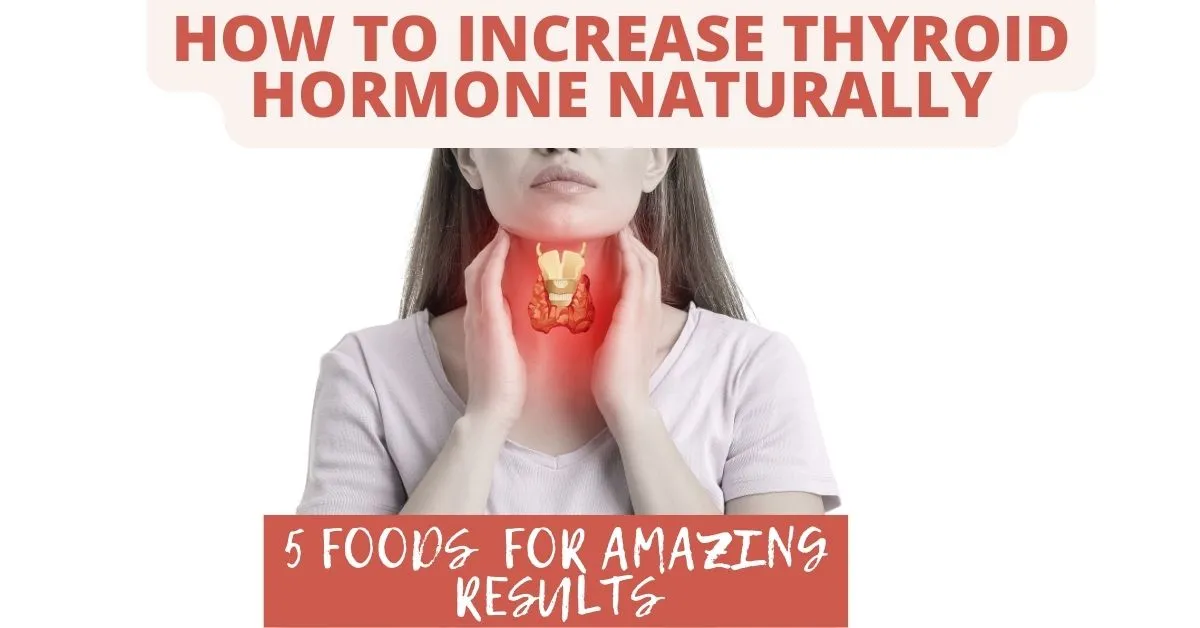
If you’re living with hypothyroidism, you already know how frustrating the symptoms can be — constant fatigue, unexplained weight changes, feeling cold all the time, brain fog, or hair thinning that just won’t stop. It can feel overwhelming trying to figure out what actually helps and what doesn’t.
While medication is often part of managing hypothyroidism, what you eat every day can also play a supportive role in how your body functions and how you feel overall. Certain nutrients are involved in thyroid hormone production and conversion, while some foods may interfere with hormone balance or medication absorption when consumed in excess or at the wrong time.
In this guide, you’ll learn about dietary choices that may help support thyroid health, including foods that provide important nutrients like iodine, selenium, zinc, and iron. We’ll also cover foods that many people with hypothyroidism are advised to limit or avoid, especially if they have autoimmune thyroid conditions such as Hashimoto’s.
This article is meant to help you make more informed food choices, not replace medical advice. Always work with a qualified healthcare professional when making changes to your treatment or diet.
Contents
- 1 5 Foods for thyroid health
- 2 1. Iodine-Rich Foods (But in Safe Amounts)
- 3 2. Selenium-Rich Foods (Supports T4 → T3 Conversion)
- 4 3. Zinc-Rich Foods (Helps Activate Thyroid Hormones)
- 5 4. Anti-Inflammatory Foods (For Hashimoto’s + Thyroid Support)
- 6 5. Foods Rich in Tyrosine (Used to Make Thyroid Hormones)
- 7 6. Iron-Rich Foods (Supports Oxygen + Hormone Regulation)
- 8 7. Vitamin D-Rich Foods (Regulates Immunity + Mood)
- 9 8. Gut-Friendly Fermented Foods (For digestion + immunity)
- 10 9. Slow-Carb, High-Fiber Foods (Energy + Blood Sugar Support)
- 11 10. Hydrating Foods (Reduce bloating + fatigue)
- 12 Thyroid foods to avoid
- 13 1. Foods That Interfere With Thyroid Hormone Absorption
- 14 2. Foods High in Goitrogens (Raw Cruciferous Vegetables)
- 15 3. Gluten (Especially With Hashimoto’s)
- 16 4. Ultra-Processed Foods & Added Sugars
- 17 5. Foods That Disrupt Gut Health
- 18 6. Excess Iodine
- 19 7. Excess Alcohol
- 20 8. Certain Fats That Slow Hormone Conversion
- 21 9. Highly Allergenic Foods (If Sensitive)
- 22 Thyroid functions
- 23 Bottom Line
- 24 References
5 Foods for thyroid health
Although many diet plans emphasize eating fresh, minimally processed foods, it’s also important to understand how certain nutrients found in everyday foods contribute to overall health. In many countries, foods are fortified to help prevent nutrient deficiencies — for example, iodine is commonly added to salt to support normal thyroid function.
Nutrition plays a supportive role in thyroid health by providing key nutrients involved in hormone production, conversion, and metabolic processes. A balanced diet may also help support immune function and overall well-being, which is especially important for people managing thyroid conditions like Hashimoto’s.
Below are some nutrient-rich foods commonly included in dietary approaches that support overall thyroid health.
1. Iodine-Rich Foods (But in Safe Amounts)
Iodine is needed to make thyroid hormones, but too much can worsen Hashimoto’s.
Aim for natural, moderate sources:
- Iodized salt (small amounts)
- Eggs
- Shrimp
- Cod
- Dairy (if tolerated)
- Seaweed in very small portions (avoid kelp supplements)
2. Selenium-Rich Foods (Supports T4 → T3 Conversion)
Selenium is one of the most important minerals to improve thyroid health.
- Brazil nuts (1–2 per day — very high selenium)
- Tuna
- Sardines
- Turkey
- Chicken
- Sunflower seeds
- Brown rice
Selenium helps reduce thyroid antibodies and inflammation.
3. Zinc-Rich Foods (Helps Activate Thyroid Hormones)
Zinc is essential for hormone production and immune support.
- Oysters
- Beef
- Lamb
- Pumpkin seeds
- Chickpeas
- Lentils
- Cashews
A zinc deficiency can worsen hypothyroid symptoms like hair loss and cold intolerance.
4. Anti-Inflammatory Foods (For Hashimoto’s + Thyroid Support)
These calm the immune system and reduce inflammation:
- Berries (blueberries, strawberries)
- Leafy greens (spinach, arugula)
- Sweet potatoes
- Turmeric
- Ginger
- Avocado
- Olive oil
- Fatty fish (salmon, mackerel, sardines)
These foods also improve energy and stabilize blood sugar.
5. Foods Rich in Tyrosine (Used to Make Thyroid Hormones)
Tyrosine + iodine = thyroid hormone production.
- Chicken
- Turkey
- White fish
- Cottage cheese
- Pumpkin seeds
- Peanuts
- Avocado
Tyrosine helps improve focus, mood, and metabolism.
6. Iron-Rich Foods (Supports Oxygen + Hormone Regulation)
Low iron is extremely common in hypothyroidism.
- Beef
- Turkey
- Spinach
- Lentils
- White beans
- Pumpkin seeds
- Quinoa
Pair with vitamin C (lemon, oranges) for better absorption.
7. Vitamin D-Rich Foods (Regulates Immunity + Mood)
Most people with thyroid disease are deficient.
- Salmon
- Egg yolks
- Mushrooms
- Fortified dairy or dairy alternatives
Vitamin D helps lower thyroid antibodies and supports mood.
8. Gut-Friendly Fermented Foods (For digestion + immunity)
Gut health is key for thyroid hormone conversion.
- Greek yogurt (if tolerated)
- Kefir
- Sauerkraut
- Kimchi
- Miso (gluten-free)
- Kombucha
These foods support a balanced microbiome.
9. Slow-Carb, High-Fiber Foods (Energy + Blood Sugar Support)
Stable blood sugar = fewer thyroid symptoms like fatigue, cravings, and anxiety.
- Oats
- Quinoa
- Brown rice
- Buckwheat
- Beans
- Lentils
- Chia seeds
10. Hydrating Foods (Reduce bloating + fatigue)
Hydration helps prevent constipation and low energy.
- Cucumbers
- Watermelon
- Broth
- Herbal teas (ginger, peppermint)
Check out more posts about the hypothyroidism diet
Thyroid foods to avoid
Just like there are some recommended food items, there are foods to avoid with hyperthyroidism to stay healthy.
1. Foods That Interfere With Thyroid Hormone Absorption
These can lower absorption of levothyroxine (Synthroid) or worsen symptoms when eaten too close to medication time.
Avoid eating within 4 hours of taking your medication:
- Soy products (tofu, soy milk, edamame, soy protein bars)
- High-fiber cereals (bran, whole-grain cereals)
- Calcium supplements
- Iron supplements
- Multivitamins containing iron or calcium
- Coffee (especially espresso) — delays absorption
- Walnuts
- Almonds in large quantities
2. Foods High in Goitrogens (Raw Cruciferous Vegetables)
Goitrogens can interfere with iodine uptake when eaten raw in large amounts.
Avoid raw when possible:
- Raw broccoli
- Raw cauliflower
- Raw kale
- Raw cabbage
- Raw bok choy
- Raw Brussels sprouts
- Raw turnips
➡️ Cook them instead — heat destroys most goitrogens.
3. Gluten (Especially With Hashimoto’s)
Research shows a strong link between autoimmune thyroid disease and gluten sensitivity.
Avoid:
- Wheat
- Barley
- Rye
- Couscous
- Malt
- Processed baked goods
➡️ Many with Hashimoto’s notice reduced inflammation and fewer symptoms when gluten-free.
4. Ultra-Processed Foods & Added Sugars
These high-carb foods worsen inflammation, weight gain, and fatigue — the three biggest thyroid complaints.
Limit:
- Cakes, cookies, pastries
- Packaged snacks (chips, crackers)
- Sugary cereals
- Fast food
- Energy bars with additives
- Sugary drinks
5. Foods That Disrupt Gut Health
A healthy gut is key for thyroid hormone conversion (T4 → T3).
Avoid:
- Artificial sweeteners (aspartame, sucralose)
- Carrageenan (found in many dairy alternatives)
- Fried foods
- Heavy processed meats (hotdogs, sausages)
6. Excess Iodine
Too much iodine can worsen hypothyroidism or trigger flare-ups in Hashimoto’s.
Limit:
- Iodized salt (use moderately)
- Seaweed snacks
- Kelp supplements (avoid completely)
- Iodine-heavy sushi
7. Excess Alcohol
Alcohol slows thyroid hormone production and irritates the gut.
Limit or avoid:
- Beer
- Wine
- Cocktails
- Hard liquor
8. Certain Fats That Slow Hormone Conversion
Avoid:
- Trans fats (margarine, shortening)
- Hydrogenated oils
- Highly fried foods
9. Highly Allergenic Foods (If Sensitive)
These commonly trigger inflammation in Hashimoto’s:
- Dairy
- Eggs
- Corn
- Soy
➡️ Not everyone needs to avoid these — but if they cause bloating, brain fog, or skin issues, consider testing sensitivity.
Thyroid functions
The thyroid gland secretes thyroid hormones in your body. These hormones have many functions that are vital for your body including:
- The thyroid is helpful in controlling the growth of your body.
- It helps in healing, replacing old worn-out cells.
- Controls the speed of metabolism.
As a result, people who report hypothyroidism also report issues like:
- rapid hair loss.
- Difficulty in retaining the body temperature.
- Extreme tiredness.
- Bad mood or mood swings.
- Feeling sleepy.
What increases thyroid hormone?
Experts claim that to ensure your thyroid stays healthy you need to increase food intake that contains:
- Iodine.
- Zinc.
- Selenium.
If you don’t feel like you are getting the right quantity through food, you can then take supplements.
Supplements
Certain nutrients, such as iodine, selenium, zinc, and iron, are involved in normal thyroid function. In some cases, healthcare professionals may recommend supplements when dietary intake is insufficient. Supplements should always be used under medical guidance, especially for individuals with thyroid conditions.
Some thyroid-support supplements, such as Thyrolin, are formulated with a combination of nutrients and plant-based ingredients designed to support general wellness. These formulations may include iodine, vitamin B6, and adaptogenic herbs like ashwagandha, which are commonly used in wellness products.
It’s important to note that dietary supplements are not intended to diagnose, treat, cure, or prevent any medical condition, and individual responses may vary. Always consult a qualified healthcare provider before starting any supplement, particularly if you are managing hypothyroidism or taking thyroid medication.
Bottom Line
Diet and lifestyle choices play an important role in overall health, and they may influence how certain conditions, including hypothyroidism, are managed. Differences in dietary habits, food availability, and lifestyle patterns can help explain why some health conditions are more common in certain regions than others.
While nutrition is an important factor in supporting thyroid health, it is not the only one. Regular physical activity, balanced nutrient intake, adequate sleep, and stress management all contribute to overall well-being and metabolic health.
Making gradual changes — such as choosing whole, minimally processed foods and limiting deep-fried or highly processed options — can support long-term health. These adjustments often take time, but when combined with an active lifestyle and professional medical guidance, they can help you feel more balanced and energized over time.
References
- Zimmermann, M. B., & Boelaert, K. (2015).
Iodine deficiency and thyroid disorders. The Lancet Diabetes & Endocrinology, 3(4), 286–295.
https://doi.org/10.1016/S2213-8587(14)70225-6 - Ventura, M., Melo, M., & Carrilho, F. (2017).
Selenium and thyroid disease: From pathophysiology to treatment. International Journal of Endocrinology, 2017, 1297658.
https://doi.org/10.1155/2017/1297658 - Rayman, M. P. (2012).
Selenium and human health. The Lancet, 379(9822), 1256–1268.
https://doi.org/10.1016/S0140-6736(11)61452-9 - Wiersinga, W. M. (2014).
Thyroid hormone replacement therapy. Hormone Research in Paediatrics, 81(2), 88–93.
https://doi.org/10.1159/000356042 - Virili, C., Centanni, M. (2015).
“With a little help from my friends” — The role of microbiota in thyroid hormone metabolism and enterohepatic recycling. Molecular and Cellular Endocrinology, 458, 39–43.
https://doi.org/10.1016/j.mce.2017.01.053
