
Quick answer
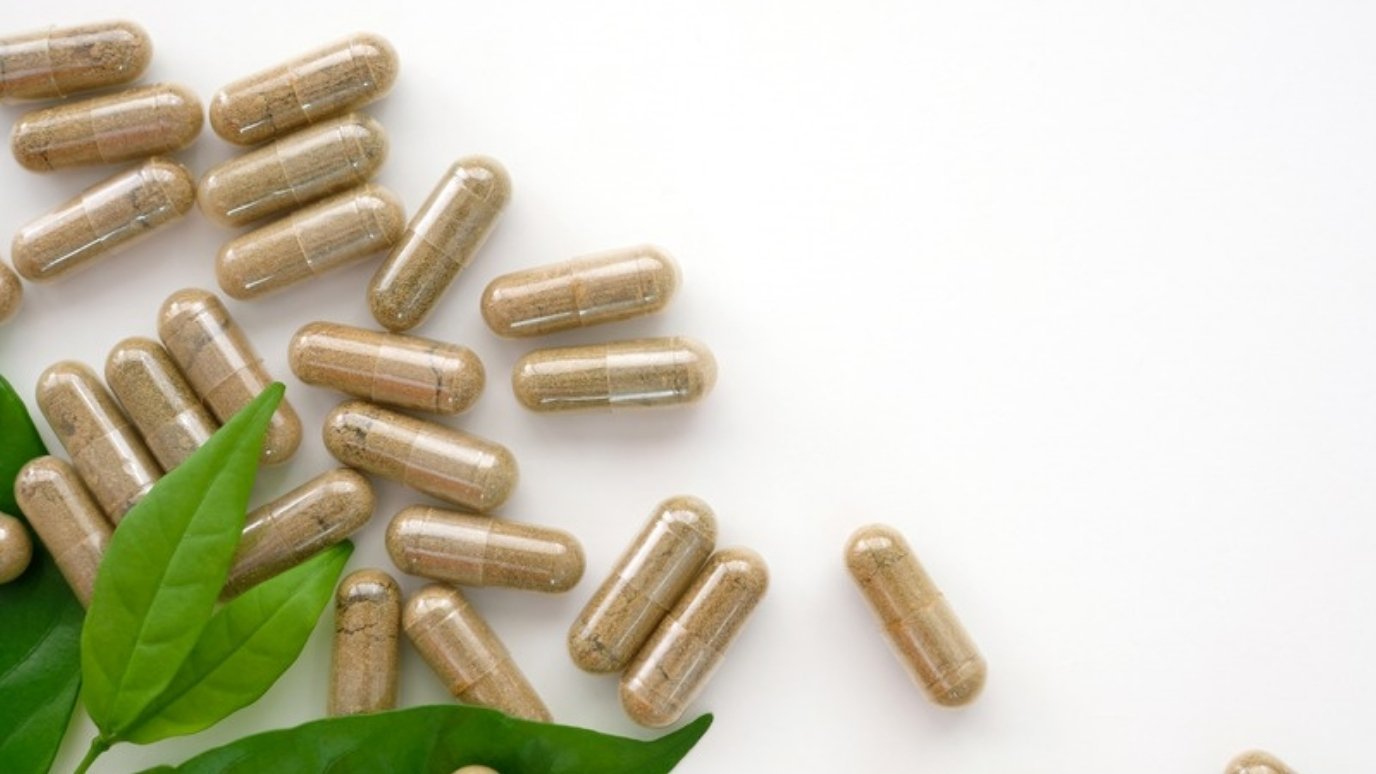
In clinical trials, berberine was usually taken as 300 to 500 mg two or three times a day with meals, for about 3 months. Start with one dose a day to see how your stomach handles it, since about a third of people in one trial had temporary digestive side effects. Don’t take it if you’re pregnant or breastfeeding, and check with your doctor or pharmacist first if you take any prescription medicine, because berberine changes how your liver processes many drugs.
You’ve bought the bottle, or you’re about to. Maybe a friend swears it helped her blood sugar, maybe TikTok called it “nature’s Ozempic,” or maybe your own reading on insulin resistance kept pointing to it. Now you’re standing in the kitchen with a capsule in your hand wondering: morning or night? Before food or after? How much is too much?
Those are exactly the right questions, and most articles answer them with a dose and a shrug. This guide goes through how berberine was actually taken in the research, what to expect, which medications it can interfere with, and what the newest evidence says about weight loss, which is less exciting than the hype.
I’m Nada. I have a background in medicine and a Nutrition Science certification from Zewail International Academy. Every study I mention is linked at the end.
How to Take Berberine at a Glance
| Question | What the research and safety guidance point to |
|---|---|
| How much? | Studies used doses such as 300 mg three times a day (900 mg total) and 500 mg three times a day (1,500 mg total) |
| How often? | Split into 2 to 3 doses across the day rather than one large dose |
| With food? | Usually taken with or just before meals |
| How to start? | One dose a day for the first week, then add more if your stomach is fine |
| How long? | Most trials lasted about 3 months; long-term safety data are limited |
| Who should skip it? | Pregnant or breastfeeding women, infants and children, and anyone on medications without a pharmacist’s OK |
How Much Berberine Should You Take?
There’s no official recommended dose for berberine, because it’s sold as a supplement rather than an approved drug. What we have instead are the doses used in research. In a 2008 trial in Metabolism, adults with type 2 diabetes took 500 mg three times a day, a total of 1,500 mg. A 2012 study on drug interactions used 300 mg three times a day, a total of 900 mg. Many supplements are sold in 500 mg capsules for this reason.
More isn’t better here. Higher doses raise the chance of stomach upset and of interactions with medicines, and there’s no good evidence that going above the studied range brings extra benefit.
Should You Take Berberine in the Morning or at Night?
Neither on its own. Trials didn’t give berberine once in the morning or once at bedtime; they split it across the day. So the more useful question is which meals to pair it with. If you take two doses, breakfast and dinner is an easy rhythm to remember. If you take three, add lunch. If you take only one dose while you’re starting out, put it with your largest meal.
Before or After Eating?
Take it with your meal or just before you start eating. Berberine’s best-studied effect is on blood sugar, including the rise after a meal: in a 2023 meta-analysis, it lowered 2-hour post-meal glucose as well as fasting glucose. Taking it with food also means it’s in your system when that rise happens. There’s no need to wait a set number of minutes before eating.
How Long Does Berberine Take to Work?
For blood sugar, effects can show up quickly. In the 2008 trial, fasting and after-meal glucose fell from the first week and kept improving over 3 months. For anything you’d notice yourself, like weight or a lab result at your next check-up, think in months rather than weeks. Most trials ran for about 3 months, which is a sensible point to review with your doctor whether it’s doing anything for you.
What Results Can You Actually Expect?
Here’s what pooled research shows, so you can set realistic expectations.
| Outcome | Average effect vs. placebo or control | Source |
|---|---|---|
| Fasting blood sugar | About 0.52 mmol/L lower (roughly 9 mg/dL) | 2023 meta-analysis, 18 trials |
| HbA1c | About 4.5 mmol/mol lower (roughly 0.4 percentage points) | 2023 meta-analysis, 7 trials |
| Insulin resistance (HOMA-IR) | Improved | 2023 meta-analysis, 12 trials |
| Body weight | About 0.9 kg (2 lb) lower | 2025 meta-analysis, 23 trials |
| Waist | About 1.3 cm (half an inch) smaller | 2025 meta-analysis, 23 trials |
One detail most articles miss: the 2023 meta-analysis found hints that berberine lowered fasting glucose and insulin resistance more in women than in men, and more in people who already had diabetes. The authors were clear that this rests on a small number of studies and needs confirming, but it’s relevant if you’re a woman dealing with insulin resistance or PCOS.
Is berberine really “nature’s Ozempic”?
No. The newest meta-analysis of 23 trials, published in the International Journal of Obesity in late 2025, found berberine lowered body weight by an average of 0.88 kg, a little under 2 lb. For comparison, in the STEP 1 trial, semaglutide (the drug in Ozempic and Wegovy) led to an average weight loss of about 15% of body weight over 68 weeks. For a 90 kg (200 lb) woman, that’s the difference between about 1 kg and about 13 kg. The NIH’s National Center for Complementary and Integrative Health also says there isn’t enough evidence to tell whether berberine works for weight loss.
Berberine’s real strength is modestly improving blood sugar and insulin sensitivity. If weight is your main goal, food and movement do far more, and our guide to foods that naturally support GLP-1 and fullness is a better place to start than any capsule.
Berberine Side Effects
The most common side effects are digestive: abdominal pain, constipation, diarrhea, nausea and vomiting, according to NCCIH. In the 2008 trial, about a third of participants (34.5%) had temporary stomach symptoms, and no liver or kidney damage was seen. Starting with one dose a day and taking it with food are the simplest ways to make it easier to tolerate.
What to Avoid When Taking Berberine
This is the part that matters most, and it’s the part most often skipped. Berberine isn’t an inert supplement. A 2012 study in healthy adults found that two weeks of berberine slowed three liver enzymes, CYP2D6, CYP2C9 and CYP3A4, that break down a large share of common medications. A 2026 review of berberine-drug interactions concluded it should be treated as an active drug when someone is on other medicines.
| If you take… | Possible problem |
|---|---|
| Diabetes medicines (metformin, insulin, sulfonylureas and others) | Blood sugar could drop too low, because both lower glucose |
| Blood pressure medicines | Blood pressure could drop more than intended |
| Cyclosporine (transplant medicine) | Blood levels rose by about a third in kidney transplant patients |
| Medicines cleared by CYP3A4, CYP2D6 or CYP2C9 | Higher drug levels; in the 2012 study, a sedative’s exposure rose about 40%, and the cough suppressant dextromethorphan and the blood pressure drug losartan were cleared more slowly |
| Medicines that affect heart rhythm (QT interval) | Possible additive effect, flagged in the 2026 review |
| Other blood-sugar supplements | Stacking effects you can’t easily measure at home |
A quick note on goldenseal, which contains berberine: NCCIH reports that in one study, goldenseal extract lowered metformin levels by about 25%. That’s a goldenseal finding, not a pure berberine one, but it’s another reason to tell your pharmacist about every supplement you take.
Who Should Not Take Berberine
- Pregnant or breastfeeding women. NCCIH says not to use it. In newborns, berberine can cause or worsen jaundice and could lead to kernicterus, a rare but life-threatening form of brain damage.
- Infants and children. For the same reason.
- Anyone on prescription medicines, unless a doctor or pharmacist has checked for interactions first.
- People with liver disease, since the liver does much of the work of processing berberine and other drugs; ask your doctor.
Can You Take Berberine With Ozempic, Wegovy or Mounjaro?
There are no trials testing the combination, so nobody can tell you it’s safe or useful. Both lower blood sugar, both can upset your stomach, and berberine can change how your body handles other medicines you may also be taking. If you’re on a GLP-1, don’t add berberine without asking your prescriber. And if you’re thinking of using berberine to replace your medication or to keep weight off after stopping it, the evidence above shows it won’t do the same job; our guide to stopping Ozempic without regaining the weight covers what actually helps.
🥗 On a GLP-1 medication?
The GLP-1 Kickstart Kit is a 73-page printable guide with small-portion, protein-first meal ideas and grocery lists to help you eat well while your appetite is low, without guessing.
Get the GLP-1 Kickstart Kit for $27 →How to Choose a Berberine Supplement
Supplements aren’t standardized the way medicines are, and the 2026 interaction review pointed out that berberine products vary in quality and that national limits on berberine in Europe differ by more than tenfold. So the dose on the label may not match what’s in the capsule. A few checks help:
- Look for berberine HCl with a clear amount per capsule, such as 500 mg.
- Prefer products with third-party testing, such as USP or NSF certification.
- Avoid blends that add several other blood-sugar ingredients, which makes it harder to know what’s doing what.
If you’ve talked it through with your doctor and want to try it, this is the berberine supplement I’ve looked into for the insulin-sensitivity angle. Disclosure: this post contains affiliate links. If you buy through them I may earn a small commission at no extra cost to you. See my affiliate disclosure for details.
For a food-first approach to the same problem, start with our insulin resistance diet guide, and compare other options in our review of insulin resistance supplements.
Berberine FAQs
Should berberine be taken at night or in the morning?
Studies split berberine across the day with meals rather than choosing morning or night. Two doses with breakfast and dinner, or three with each meal, follow the way it was researched.
What is the most effective way to take berberine?
Take it in divided doses with or just before meals, at amounts used in research (for example 500 mg two or three times a day), and give it about 3 months before judging whether it’s working. Check with a doctor or pharmacist first if you take any medicine.
How long do you have to wait to eat after taking berberine?
You don’t need to wait. Take it with your meal or right before you start eating, so it’s working when your blood sugar rises after the meal.
What should you avoid when taking berberine?
Avoid combining it with diabetes or blood pressure medicines, cyclosporine, or other drugs processed by the liver enzymes CYP3A4, CYP2D6 and CYP2C9 unless your doctor approves. Don’t take it if you’re pregnant or breastfeeding.
Can berberine help with weight loss?
Only slightly. A 2025 meta-analysis of 23 trials found an average weight loss of about 0.9 kg (2 lb) compared with control groups, far less than prescription GLP-1 medications.
Is berberine safe to take every day?
Daily use for about 3 months was generally well tolerated in trials, with stomach upset the main complaint. Longer-term safety hasn’t been studied as well, so review it with your doctor if you plan to keep taking it.
Before You Take the First Capsule
Write down every medicine and supplement you take and show the list to your pharmacist. If you get the green light, start with one 500 mg capsule with your biggest meal for a week, then build up slowly. Set a reminder for 3 months from now to ask your doctor for a fasting glucose or HbA1c check, so you’ll know whether it’s actually doing something for you.
This article is for general education and isn’t medical advice. Berberine can interact with prescription medicines. Talk to your doctor or pharmacist before starting it, especially if you have diabetes, high blood pressure, liver disease, take any medication, or are pregnant or breastfeeding.
References
- NCCIH (NIH): In the News: Berberine.
- Yin J, Xing H, Ye J. Efficacy of berberine in patients with type 2 diabetes mellitus. Metabolism, 2008.
- Zhao JV, et al. Overall and sex-specific effect of berberine on glycemic and insulin-related traits: a systematic review and meta-analysis. Journal of Nutrition, 2023.
- Elahi Vahed I, et al. The effect of berberine on obesity indices: a systematic review and meta-analysis. International Journal of Obesity, 2025.
- Guo Y, et al. Repeated administration of berberine inhibits cytochromes P450 in humans. European Journal of Clinical Pharmacology, 2012.
- Dumitru CN, et al. Berberine-drug interactions: mechanisms, clinical relevance and risk stratification. Pharmaceuticals, 2026.
- NCCIH (NIH): Goldenseal.
- Wilding JPH, et al. Once-weekly semaglutide in adults with overweight or obesity (STEP 1). New England Journal of Medicine, 2021.
