

If you’ve reached a point where your body just doesn’t respond the way it used to… you’re not imagining it.
You might be eating the same meals, trying to stay active, doing “all the right things”—and yet the weight feels harder to manage, especially around your waist. It can be frustrating, confusing, and honestly a little discouraging.
This is exactly why I wanted to create this guide.
I’m Nada, a pharmacist and the voice behind What Diet Is It, and I’ve seen how many women struggle with this stage like my mother—not because they’re doing something wrong, but because their body is going through a real, biological shift. Menopause changes how your body stores fat, uses energy, and responds to food. So the old rules don’t always work anymore.
But here’s the reassuring part: you don’t need extreme diets, and you don’t need to fight your body.
A well-balanced menopausal diet for weight loss isn’t about restriction—it’s about understanding what your body needs now, and supporting it in a calmer, more sustainable way. Small, consistent changes can make a real difference in your energy, your mood, and your weight over time.
In this guide, I’ll walk you through what actually works during menopause—simply, realistically, and without overwhelm—so you can feel more in control of your body again.
Why Weight Gain Happens During Menopause
If it feels like your body suddenly changed its rules, you’re not imagining it. Many women reach this stage eating the same way they always have—yet the scale starts creeping up, especially around the belly. It can feel confusing and unfair, but there’s a real biological reason behind it.
As you move through menopause, estrogen levels begin to decline. This hormone plays a role in how your body stores fat and maintains muscle. When it drops, your body tends to store more fat around the abdomen instead of the hips and thighs, and muscle mass slowly decreases. Since muscle helps keep your metabolism active, losing it means your body naturally burns fewer calories throughout the day.
At the same time, your body becomes a bit more sensitive to stress. Higher cortisol levels can make it easier to store fat—particularly in the midsection—and harder to lose it, even if your habits haven’t changed much.
There are also subtle shifts that add up over time:
- You may feel hungrier or crave quick energy foods
- Sleep can become lighter or more disrupted
- Energy levels may dip, making movement feel harder
None of this means you’re doing anything wrong. It simply means your body is adapting to a new hormonal environment.
The reassuring part is this: weight gain during menopause isn’t inevitable. Once you understand what’s happening, you can adjust your approach in a way that supports your body—rather than fighting against it. Small, steady changes in how you eat and move can make a meaningful difference over time.
What Is a Menopausal Diet for Weight Loss
If you’ve ever felt like diets that used to work suddenly don’t anymore, you’re not alone. During menopause, your body isn’t just “changing a little”—it’s shifting how it uses energy, stores fat, and responds to food. So instead of forcing old methods, a menopausal diet is about adapting in a way that actually supports your body now.
It’s Not About Eating Less — It’s About Eating Smarter
A common reaction is to cut calories drastically, but that usually backfires. When you undereat, your body responds by slowing metabolism even more and increasing cravings later in the day.
Instead, the goal is to:
- Keep your energy steady
- Reduce sudden hunger spikes
- Support your metabolism rather than suppress it
This is why balanced meals matter more than strict restriction.
Focus on Nutrients That Your Body Needs More Now
As hormones shift, your nutritional needs change too. A menopausal diet focuses on foods that help your body stay stable and strong:
- Protein helps preserve muscle mass, which naturally declines with age and affects metabolism
- Fiber supports digestion and helps regulate blood sugar and appetite
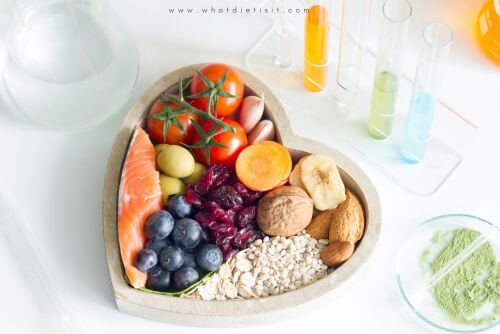
- Healthy fats (like olive oil, nuts, and fatty fish) support hormone function and reduce inflammation
- Whole, minimally processed foods give your body consistent energy without triggering crashes
This isn’t about perfection—it’s about giving your body what it’s asking for.
Stability Becomes More Important Than Ever
One of the biggest shifts during menopause is how sensitive your body becomes to blood sugar fluctuations.
Long gaps between meals or highly processed foods can lead to:
- energy crashes
- stronger cravings
- increased fat storage, especially around the belly
A more helpful approach is:
- eating regular, balanced meals
- combining protein + fiber + healthy fats
- avoiding extreme highs and lows in your eating pattern
This helps your body feel safe and steady again.
It Should Feel Sustainable — Not Stressful
This stage of life isn’t the time for rigid rules or all-or-nothing thinking.
A menopausal diet for weight loss should feel:
- realistic for your daily life
- flexible enough to enjoy food
- supportive of your energy and mood
You don’t need to be perfect. What matters most is consistency over time.
The Bigger Picture
A menopausal diet isn’t just about losing weight—it’s about helping your body adapt to a new phase.
When you shift from:
- restriction → nourishment
- control → understanding
You create a way of eating that works with your body, not against it.
And that’s where real, lasting change starts.
Key Principles of a Menopausal Diet
By this stage, you might already feel it—your body responds differently now. It’s not just about what you eat, but how your body handles it. That’s why the goal here isn’t strict dieting… it’s building a way of eating that keeps you steady, nourished, and supported through these changes.
Build Your Meals Around Protein
One of the biggest shifts during menopause is the gradual loss of muscle mass. And since muscle plays a major role in metabolism, this directly affects how easily your body burns calories.
Including protein in your meals helps:
- maintain muscle
- keep you full longer
- reduce unnecessary snacking
Think simple and realistic:
eggs, yogurt, lentils, chicken, fish, or even a handful of nuts added to your meal.
Don’t Skip Meals — Stay Consistent
It might seem like eating less often would help with weight loss, but during menopause, long gaps between meals can actually make things harder.
You may notice:
- stronger cravings later in the day
- sudden drops in energy
- overeating in the evening
A more supportive approach is:
- regular, balanced meals
- steady rhythm rather than extremes
Your body responds better to consistency than restriction.
Prioritize Fiber Without Overcomplicating It
Fiber becomes especially helpful now—not just for digestion, but for appetite control and blood sugar balance.
It helps you:
- feel full without overeating
- avoid energy crashes
- support gut health
You don’t need to track grams. Just aim to:
- add vegetables to most meals
- include whole grains or legumes
- keep fruit as an easy option
Keep Healthy Fats in Your Diet
There’s often a fear around fats, but your body actually needs them more during this stage.
Healthy fats can:
- support hormone balance
- reduce inflammation
- keep meals satisfying
Simple additions like olive oil, avocado, nuts, or seeds can make a big difference without making your diet feel restrictive.
Reduce Processed Foods Gently
You don’t need to eliminate everything at once. But becoming more aware of ultra-processed foods can help you feel more stable.
These foods often lead to:
- quick blood sugar spikes
- increased hunger later
- more fat storage over time
A helpful mindset is:
not “cut everything out,” but “choose better most of the time”
Support Your Body With Hydration and Sleep
This part is often overlooked, but it matters more than you think.
- Dehydration can feel like hunger
- Poor sleep increases cravings and slows metabolism
Small steps like drinking water regularly and protecting your sleep routine can quietly support your weight and energy.
Keep It Realistic and Flexible
This is probably the most important principle.
You don’t need:
- perfect meals
- strict rules
- constant tracking
What actually works is:
- small, consistent habits
- meals that fit your life
- a calm approach instead of pressure
A Simple Way to Think About It
Instead of asking:
“What should I cut?”
Try asking:
“What does my body need more of right now?”
That shift alone can change how you approach food—and how your body responds over time.
Best Foods to Include for Weight Loss During Menopause
At this stage, food starts to feel different—not just something you eat, but something that either supports your energy… or drains it. The goal isn’t to follow a perfect list, but to choose foods that help your body feel steady, nourished, and in control again.
Protein-Rich Foods That Support Your Metabolism
Protein becomes one of your biggest allies during menopause. As muscle mass naturally declines, your body needs more support to maintain it—and that directly affects how efficiently you burn calories.
Including protein regularly can help you:
- stay full longer
- reduce cravings
- support a healthier metabolism
Simple options you can rely on:
- eggs, Greek yogurt, cottage cheese
- chicken, fish, turkey
- lentils, beans, chickpeas
You don’t need large portions—just consistency across your meals.
Fiber-Rich Foods That Keep You Full and Balanced
Fiber works quietly but powerfully. It slows digestion, keeps blood sugar steady, and helps you feel satisfied without overeating.
When fiber is part of your meals, you’re less likely to experience:
- sudden hunger
- energy crashes
- late-night cravings
Easy ways to include it:
- vegetables (leafy greens, broccoli, zucchini)
- fruits (berries, apples, pears)
- whole grains (oats, quinoa, brown rice)
Think of it as your body’s natural stabilizer.
Healthy Fats That Support Hormones
During menopause, your body actually needs fat—not less of it, but the right kind.
Healthy fats help:
- support hormone balance
- reduce inflammation
- make meals more satisfying
You can include:
- olive oil
- avocado
- nuts and seeds
- fatty fish like salmon
A small amount goes a long way in helping your body feel calm and nourished.
Calcium and Vitamin D Foods for Long-Term Health
As estrogen declines, bone health becomes more important. Supporting your body with calcium and vitamin D isn’t just about bones—it also plays a role in overall strength and well-being.
Good sources include:
- yogurt, milk, or fortified plant-based alternatives
- leafy greens like kale
- sardines or salmon
Even small daily additions can make a difference over time.
Whole, Minimally Processed Foods That Keep Things Simple
One of the most helpful shifts you can make is choosing foods that are closer to their natural form.
These foods tend to:
- provide more nutrients
- keep you full longer
- avoid unnecessary sugar spikes
Instead of focusing on what to eliminate, try leaning toward:
- home-cooked meals
- simple ingredients
- balanced plates
A Note From Me
“I’ve seen how much pressure women put on themselves during this stage, trying to follow strict rules that only leave them more frustrated. The truth is, your body isn’t working against you—it’s asking for a different kind of support. When you start nourishing it instead of restricting it, things begin to feel lighter, more stable, and much more manageable.”
7-Day Menopausal Diet Plan for Weight Loss
Day 1:
- Breakfast: Scrambled eggs with spinach, avocado, and a sprinkle of chia seeds. Pair with a small piece of whole-grain toast.
- Lunch: Grilled chicken salad with mixed greens, cucumbers, tomatoes, olive oil, and lemon dressing.
- Snack: A handful of almonds and a small apple.
- Dinner: Baked salmon with roasted Brussels sprouts and quinoa.
Day 2:
- Breakfast: Greek yogurt topped with berries, flaxseeds, and a drizzle of honey.
- Lunch: Turkey and avocado lettuce wraps with a side of baby carrots and hummus.
- Snack: Celery sticks with almond butter.
- Dinner: Stir-fried tofu with broccoli, bell peppers, and zucchini in a light olive oil and garlic sauce, served with brown rice.
Day 3:
- Breakfast: Oatmeal made with almond milk, topped with chia seeds, sliced banana, and a sprinkle of cinnamon.
- Lunch: Quinoa bowl with grilled chicken, mixed greens, cucumbers, and a lemon-tahini dressing.
- Snack: A small handful of walnuts and a few slices of cucumber.
- Dinner: Grilled shrimp with sautéed kale and sweet potato.
Day 4:
- Breakfast: A smoothie with spinach, protein powder, flaxseeds, almond milk, and berries.
- Lunch: Salad with mixed greens, tuna (in olive oil), avocado, cherry tomatoes, and olive oil dressing.
- Snack: Carrot sticks with hummus.
- Dinner: Baked chicken breast with roasted cauliflower and a side of quinoa.
Day 5:
- Breakfast: Scrambled eggs with sautéed mushrooms, onions, and a side of half an avocado.
- Lunch: Lentil and vegetable soup with a side of mixed greens salad.
- Snack: Greek yogurt with a small handful of mixed nuts and a few fresh berries.
- Dinner: Grilled turkey burger with a side of roasted asparagus and a small serving of brown rice.
Day 6:
- Breakfast: Chia pudding made with almond milk and topped with sliced strawberries and pumpkin seeds.
- Lunch: Grilled salmon salad with mixed greens, olives, and a balsamic vinaigrette dressing.
- Snack: A handful of mixed nuts and a piece of dark chocolate (85% cocoa or higher).
- Dinner: Roasted chicken with sautéed spinach and sweet potato wedges.
Day 7:
- Breakfast: Whole-grain toast topped with avocado, a poached egg, and a sprinkle of pumpkin seeds.
- Lunch: Grilled chicken and quinoa bowl with roasted vegetables (broccoli, carrots, and zucchini).
- Snack: A small handful of sunflower seeds and a cup of green tea.
- Dinner: Baked cod with sautéed Brussels sprouts and mashed cauliflower.
Turn This Into a Simple Routine
Reading about what to eat is one thing… but actually sticking to it day by day can feel overwhelming—especially when your energy and appetite keep changing.
That’s exactly why I created a 28-Day Menopause Reset Journal.
It’s a simple, printable guide to help you:
- plan your meals without overthinking
- track your energy, mood, and hunger
- stay consistent in a calm, realistic way
No strict rules. Just gentle structure that works with your body—not against it.
👉 You can check it here if you feel like you need that extra support.
👉 Intermittent Fasting for Perimenopausal Women: Smart Schedules, Safe Starts, Real Benefits
Take Control of Your Menopause Journey
Struggling with weight gain, fatigue, or hormonal shifts? The 28-Day Menopause Reset Journal is your printable guide to feeling better fast—with daily wellness prompts, meal & mood tracking, and easy actions made for midlife women.
Start Your 28-Day Reset →How a Menopausal Diet Is Different From a Regular Diet
If you’ve ever caught yourself thinking, “Why isn’t what used to work working anymore?”—you’re not alone.
This is one of the most confusing parts of menopause. You’re not eating that differently, you’re not doing anything “wrong”… but your body just responds in a completely different way.
And that’s because it is different now.
It’s Not About Eating Less Anymore
Before menopause, you might have been able to:
- skip a meal
- cut calories quickly
- “tighten things up” for a few days
And see results.
Now, that same approach can leave you:
- more tired
- more hungry
- more frustrated
Your body isn’t being difficult—it’s just less tolerant of extremes. It responds better to regular, balanced meals than to restriction.
Protein Suddenly Matters More
This is one of those quiet shifts that makes a big difference.
As your hormones change, your body slowly loses muscle—and that affects your metabolism more than you might expect.
So now, it’s not just about eating “healthy”…
It’s about making sure your meals actually keep you full and supported.
Adding protein doesn’t have to be complicated. Just including it regularly can help you:
- feel more satisfied
- snack less without forcing it
- keep your energy more stable
Your Body Feels Blood Sugar Swings More
You might notice this without even realizing it.
Maybe:
- you get hungry faster than before
- sugar hits you harder
- energy crashes feel stronger
That’s because your body becomes more sensitive to ups and downs.
So instead of relying on quick fixes, what helps more now is:
- meals that keep you steady
- combinations of foods that don’t spike and crash
It’s less about “cutting carbs” and more about how you combine what you eat.
Stress and Sleep Actually Show Up on the Scale
This part can feel unfair.
Before, you might have gotten away with poor sleep or stressful days without it affecting your weight much.
Now, you may notice:
- more cravings when you’re tired
- more hunger when you’re stressed
- weight sitting more around your midsection
It’s not in your head—your body just reacts more strongly now.
And that’s why taking care of your sleep and stress isn’t extra—it’s part of the process.
It’s Less About Control… and More About Listening
This might be the biggest shift of all.
Before, dieting often felt like:
- pushing harder
- controlling more
- being strict
Now, that usually backfires.
What works better is:
- paying attention to how you feel
- adjusting gently
- staying consistent without pressure
A Gentle Way to Look at It
Instead of asking:
“What diet should I follow now?”
Try asking:
“What helps my body feel more stable today?”
That small shift makes everything feel a little easier… and a lot more sustainable.
It doesn’t have to be strict. Just something your body can rely on. If you want a structured example to follow, you can check this: a simple 1-week beginner Galveston diet meal plan designed for menopause.
When to Expect Results and What to Focus On
This is usually the part no one says out loud.
You start making changes—eating better, moving more—and naturally, you want to see something happen. But during menopause, progress can feel slower, and that can be frustrating if you’re expecting quick results.
The truth is, your body is still responding… just in a different way.
Progress Might Feel Slower — But It’s Still Happening
Weight loss during menopause doesn’t usually happen overnight. Hormonal shifts, changes in muscle mass, and metabolism all mean your body takes a bit more time to adjust.
You might not see big changes on the scale right away, but you may notice:
- your energy feels more stable
- your cravings are easier to manage
- your body feels less heavy or bloated
These are real signs that things are moving in the right direction—even if the scale hasn’t caught up yet.
Focus on How You Feel, Not Just the Number
It’s easy to rely on the scale as the only measure, but it doesn’t tell the full story.
Instead, pay attention to:
- how your clothes fit
- how your energy feels throughout the day
- how consistent you’ve been with your habits
Sometimes the most important changes are the ones you feel before you see.
Give Your Body Time to Adapt
Your body isn’t resisting change—it’s adapting to a new phase.
When you:
- eat more balanced meals
- move regularly
- support your sleep and stress
Your body gradually becomes more stable. And from that place, weight loss becomes easier and more sustainable.
Consistency Matters More Than Speed
This is where many people get stuck—starting strong, then getting discouraged when results aren’t immediate.
What actually works is:
- small habits
- repeated daily
- without pressure to be perfect
Even if progress feels slow, consistency builds momentum.
Set Realistic Expectations
A gentle, steady pace is not a failure—it’s what makes results last.
Instead of expecting rapid weight loss, think in terms of:
- gradual changes over weeks
- building habits you can maintain
- feeling better in your body over time
This approach protects both your progress and your mindset.
Frequently Asked Questions
Can you really lose weight during menopause?
Yes, you can. It may feel slower or different than before, but weight loss during menopause is absolutely possible. The key is adjusting your approach—focusing more on balance, consistency, and supporting your body rather than pushing it with extreme diets.
What is the best diet for menopause weight loss?
There isn’t one strict “best” diet. What works best is a balanced way of eating that includes:
- enough protein
- fiber-rich foods
- healthy fats
- minimally processed meals
The goal is to keep your body stable, reduce cravings, and support your metabolism—not follow rigid rules.
Why am I gaining weight even if I eat the same?
This is one of the most common frustrations.
During menopause, hormonal changes affect how your body stores fat, how much muscle you maintain, and how efficiently you burn calories. So even if your habits haven’t changed, your body’s response to them has.
How can I reduce menopause belly fat?
You can’t target fat loss in one specific area, but you can support overall fat loss by:
- eating balanced meals
- managing stress
- improving sleep
- staying active
Over time, these habits help reduce fat storage around the abdomen.
Does intermittent fasting work during menopause?
It can work for some women, but not for everyone. Long fasting periods may increase stress or cravings in some cases.
If you try it, pay attention to how your body feels. If it makes you more tired, hungry, or stressed, a more regular eating pattern may suit you better. If you’re curious whether fasting might help, I explained it in a simple, realistic way here: how intermittent fasting works during perimenopause and whether it actually suits your body.
How long does it take to see results?
It varies from person to person. Some women notice changes in energy and appetite within a few weeks, while weight changes may take longer.
What matters most is consistency. Small, steady changes tend to lead to more sustainable results over time.
Conclusion
🌸 Get a Structured 28-Day Plan for This Exact Stage
Small, consistent habits are the whole point — the 28-Day Menopause Reset Journal turns that idea into a day-by-day guide for food, mindset, and hormone-friendly habits, so you’re not guessing what to focus on next.
Get the Menopause Reset Journal — $5 →Menopause can feel like a turning point—and in many ways, it is. Your body is changing, and it’s asking for a different kind of support.
A menopausal diet for weight loss isn’t about strict rules or quick fixes. It’s about learning what helps your body feel steady, nourished, and balanced again.
When you:
- eat in a way that supports your energy
- build small, consistent habits
- give yourself time to adjust
You create progress that actually lasts.
You don’t have to do everything perfectly. You just need to keep showing up in a way that feels realistic for you.
And over time, those small steps add up—to better energy, more confidence, and a body that feels more like yours again.
