

The ottermode body type is all about achieving a lean, athletic physique with defined muscles and low body fat—typically around 8–15%. This body type balances aesthetics with functionality, resembling the sleek look of a swimmer. It’s not just about looks; maintaining an ottermode physique promotes cardiovascular health and strength. If you’re aiming for this body type, focus on a mix of strength training, cardio, and a high-protein diet to build lean muscle while staying fit.
Contents
- 1 What Is the Ottermode Body Type?
- 2 How To Know I Have the Ottermode Body Type
- 3 Can Any Body Type Achieve an Ottermode Physique?
- 4 What Are the Differences Between Mesomorph and Ottermode Bodies?
- 5 Benefits of Having an Ottermode Physique
- 6 Workouts to Achieve the Ottermode Body Type
- 7 Nutrition Tips for Building an Ottermode Body
- 8 Maintaining the Ottermode Body Type Long-Term
- 9 Frequently Asked Questions
- 9.1 How Long Does It Take to Achieve an Ottermode Body Type?
- 9.2 Is the Ottermode Body Type Suitable for Everyone?
- 9.3 Do I Need to Lift Heavy Weights for an Ottermode Physique?
- 9.4 Can Women Achieve an Ottermode Body Type?
- 9.5 What Are Common Mistakes When Trying to Achieve the Ottermode Body Type?
- 9.6 How Important Is Sleep for Achieving the Ottermode Body Type?
- 10 Conclusion
- 11 Before Starting Hard Diets
- 12 Struggling with unsustainable diets and frustrated by the lack of results?
What Is the Ottermode Body Type?
The ottermode body type is a lean, athletic physique characterized by low body fat, defined muscles, and a proportional build. This body type resembles a swimmer’s, with a toned chest, broad shoulders, and a slim waist. It prioritizes agility, endurance, and a healthy appearance rather than bulk or excessive muscle mass.
Achieving the ottermode look typically involves maintaining a body fat percentage of around 8–15% for men and 18–24% for women. This requires a combination of strength training, cardio, and a high-protein diet to build and preserve lean muscle while keeping fat levels low.
Known for its aesthetic appeal and functional benefits, this physique promotes overall health, including better cardiovascular endurance and reduced risk of chronic diseases. The ottermode body type is ideal for individuals seeking a balanced, athletic appearance.
How To Know I Have the Ottermode Body Type
The ottermode body type is defined by several key characteristics that make it distinct and desirable for those aiming for a lean, athletic appearance:
Low Body Fat
A defining feature of the ottermode body type is its low body fat percentage, typically ranging from 8–15% for men and 18–24% for women. This enables visible muscle definition without excess bulk.
Defined Muscles, Not Bulky
The ottermode physique showcases toned muscles, particularly in the chest, arms, and midsection, with a focus on definition rather than size. It’s about having a sculpted look rather than looking overly muscular.
Proportional and Symmetrical Build
The body is typically well-proportioned, with a balanced distribution of muscle. Broad shoulders, a lean torso, and a narrow waist are common traits that create an overall athletic silhouette.
Functional and Lean Strength
This body type supports not only aesthetics but also physical performance. Individuals with an ottermode physique often have improved agility, endurance, and functional strength, making it a highly efficient and healthy body type.
Visible V-Taper
The ottermode body often shows a V-shaped taper, where the upper body (shoulders and chest) is broader than the waist and hips. This is a key marker of athleticism and lean muscle.
Healthy and Sustainable
Achieving and maintaining this body type typically requires a focus on both diet and exercise, emphasizing sustainability over extreme diets or intense training routines. It’s associated with long-term health benefits, including better cardiovascular function and lower risks of obesity-related diseases.
These characteristics together make the ottermode body type a blend of aesthetic appeal, physical health, and functional fitness.
Can Any Body Type Achieve an Ottermode Physique?

Achieving an ottermode body type—characterized by a lean, muscular physique with visible muscle definition and low body fat—is largely influenced by individual factors such as genetics, starting body type, and lifestyle. While not everyone may develop the exact “ottermode” look, most people can achieve a lean and fit appearance with the right approach. Here’s how:
1. Understand Your Starting Body Type
- Ectomorphs: Naturally lean with difficulty gaining muscle but relatively low body fat. These individuals may need to focus more on muscle-building.
- Endomorphs: Tend to store more fat and may have a harder time losing weight. They need to emphasize fat loss while preserving muscle.
- Mesomorphs: Naturally muscular and athletic. They may find it easier to achieve an ottermode look with balanced training.
What Are the Differences Between Mesomorph and Ottermode Bodies?
The mesomorph and ottermode body types both represent lean, athletic physiques, but there are key differences between them in terms of body composition, physical characteristics, and how they are achieved. Here are the main distinctions:
1. Muscle Mass and Proportion
- Mesomorph: Mesomorphs typically have a naturally muscular build with a more robust amount of muscle mass. They tend to have a broader frame with wider shoulders and a larger overall bone structure. Their muscles are well-defined and can grow relatively easily with weight training.
- Ottermode: The ottermode body type is more defined by its lean muscle mass with less bulk. It emphasizes a toned physique with visible muscle definition but without the size and mass of a mesomorph. Ottermode individuals often have a more slender frame, focusing on muscle definition rather than overall muscle volume.
2. Body Fat Percentage
- Mesomorph: Mesomorphs naturally carry a moderate amount of body fat. While they can easily gain muscle, they may also store fat more readily if they aren’t careful with their diet or exercise regimen. Their body fat percentage may be higher compared to the ottermode physique, typically ranging from 12-20% for men.
- Ottermode: Individuals with an ottermode physique typically have a lower body fat percentage (around 8-15% for men and 18-24% for women). Their focus is on staying lean and achieving visible muscle definition with minimal fat accumulation.
3. Training Focus
- Mesomorph: Mesomorphs tend to focus on strength training to build muscle mass. They can often see rapid gains in muscle size with weight lifting and may incorporate higher-volume workouts to maintain muscle growth.
- Ottermode: The training approach for an ottermode body focuses on achieving muscle definition and a lean look, combining strength training with cardio to maintain low body fat. High-intensity interval training (HIIT), endurance exercises, and full-body workouts are common for achieving the ottermode physique.
4. Genetic Predisposition
- Mesomorph: Mesomorphs have a genetic predisposition to develop muscle more easily than other body types. They naturally have an athletic and muscular build, and with proper training, they can enhance these traits with less effort.
- Ottermode: While the ottermode body can be achieved through training and diet, it is more about achieving a specific aesthetic with less emphasis on muscle mass. Those aiming for an ottermode physique need to focus more on maintaining a low body fat percentage while building lean muscle.
5. Overall Appearance
- Mesomorph: Mesomorphs tend to have a more solid, muscular, and powerful appearance with a broader chest, shoulders, and hips. Their physique is often characterized by more bulk and a thicker frame.
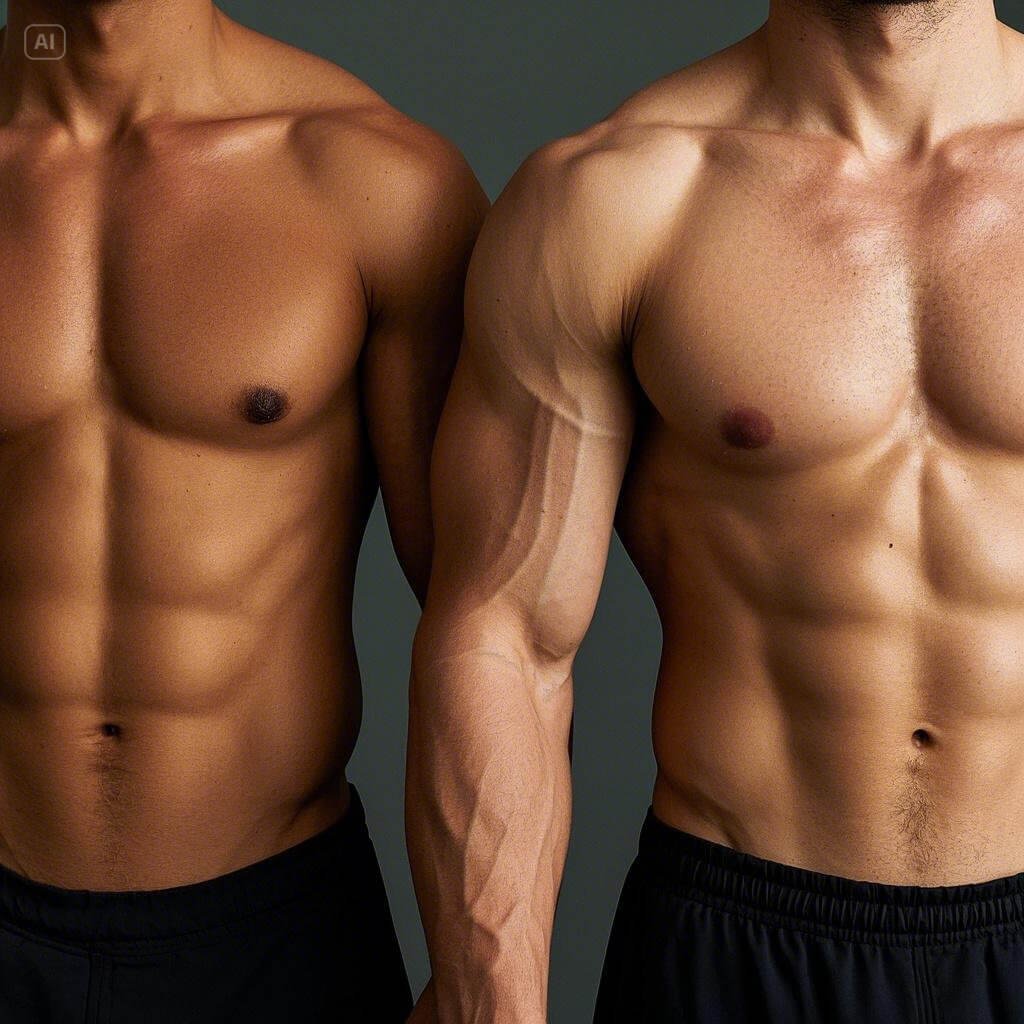
- Ottermode: The ottermode physique is more slender and toned, with an emphasis on muscle definition and a V-shaped torso. The appearance is athletic but with a more streamlined, less bulky build than a mesomorph.
6. Diet and Lifestyle
- Mesomorph: Mesomorphs can typically maintain a muscular build while consuming a higher-calorie diet, as their metabolism allows them to balance muscle gain and fat loss. However, they need to watch their diet to avoid accumulating excess fat.
- Ottermode: To achieve and maintain the ottermode body type, diet plays a critical role in keeping body fat low while building lean muscle. More focus is placed on protein intake, control of calories, and fat loss. A clean, balanced diet with regular workouts is necessary to sustain the ottermode physique.
In summary, mesomorphs tend to have a naturally muscular, broader frame with a tendency to gain both muscle and fat, while the ottermode body type focuses on maintaining a lean, toned physique with lower body fat and visible muscle definition. The ottermode body is generally more slender and defined, requiring a specific combination of training and nutrition to achieve and maintain.
Benefits of Having an Ottermode Physique
Improved Cardiovascular Health
Maintaining a low body fat percentage and an active lifestyle associated with the ottermode body type helps improve heart health. Cardiovascular exercise, such as swimming and running, commonly used to achieve this physique, boosts circulation and lowers the risk of heart disease.
Increased Agility and Endurance
The lean muscle mass and low body fat of the ottermode body make it easier to engage in activities requiring stamina, agility, and endurance. This body type supports better performance in sports and physical tasks, making it ideal for athletes or anyone who values fitness.
Functional Strength
Unlike bulkier body types, the ottermode physique emphasizes functional strength. The muscle mass is well-distributed and lean, enabling the body to perform everyday movements efficiently and with ease, from lifting objects to running or jumping.
Reduced Risk of Chronic Diseases
Maintaining a lean body fat percentage helps reduce the risk of obesity-related diseases, such as type 2 diabetes, high blood pressure, and metabolic syndrome. The ottermode body is associated with a healthier body composition and improved insulin sensitivity.
Boosted Confidence and Aesthetic Appeal
The toned, defined look of the ottermode physique is often considered visually appealing, contributing to higher self-esteem and confidence. Many people find that achieving this body type enhances both their appearance and their sense of well-being.
Sustainable Long-Term Health
Unlike extreme fitness regimens or crash diets, the ottermode body type is achievable and sustainable with regular exercise and balanced nutrition. This focus on health and longevity means individuals can maintain their physique for years without drastic lifestyle changes or risks to their health.
Workouts to Achieve the Ottermode Body Type
Achieving the ottermode body type requires a well-rounded workout routine that focuses on building lean muscle while reducing body fat. Here are some key workouts to help you get there:
1. Strength Training for Lean Muscle
Focus on compound exercises that work multiple muscle groups to build muscle mass without bulk. Some effective moves include:
- Squats (with body weight or added resistance)
- Deadlifts (help build lower back and core strength)
- Pull-ups or Chin-ups (builds upper body and arms)
- Push-ups (strengthens chest, shoulders, and triceps)
- Bench press (targets chest and arms)
Aim for 3-4 sets of 8-12 reps to promote muscle growth and definition.
2. High-Intensity Interval Training (HIIT)
HIIT workouts combine short bursts of intense activity followed by brief rest periods. This style of training is excellent for burning fat while preserving muscle mass. Example:
- Sprints (30 seconds on, 30 seconds off, for 10-15 minutes)
- Burpees
- Jump squats
- Mountain climbers
Perform 3-4 rounds of 20-30 minutes to increase fat loss and improve cardiovascular endurance.
3. Cardio Workouts
Consistent cardiovascular exercise helps reduce overall body fat, making muscle definition more visible. Recommended activities include:
- Swimming (full-body workout with low impact)
- Running or Cycling (both are great for fat-burning)
- Rowing (strengthens upper body and core)
Aim for 30-45 minutes of moderate-intensity cardio 3-4 times a week.
4. Core Workouts
A strong core is essential for an ottermode physique. Incorporate these exercises to target the abdominals, obliques, and lower back:
- Planks (hold for 30-60 seconds)
- Russian twists (with or without weight)
- Leg raises
- Bicycle crunches
Perform 3-4 sets of 15-20 reps for each exercise.
5. Full-Body Workouts
Full-body routines promote overall muscle balance and burn fat efficiently. These can include a mix of strength and cardio:
- Circuit training (combine bodyweight exercises like push-ups, lunges, and squats with short bursts of jumping jacks or high knees)
- Kettlebell swings (great for building strength and power)
- Jump rope (excellent for burning calories and improving coordination)
Perform full-body circuits 2-3 times a week, with 30-40 minutes per session.
6. Flexibility and Mobility Work
Flexibility and mobility exercises help prevent injuries and improve performance. Yoga, dynamic stretches, and foam rolling are excellent additions to your routine, especially after intense workouts.
By combining strength training, cardio, HIIT, and core exercises, you’ll be able to build the lean muscle and low body fat needed to achieve the ottermode body type. Aim for a balanced routine and consistency to see optimal results.
Nutrition Tips for Building an Ottermode Body
To build and maintain the ottermode body type, proper nutrition is just as important as the right workout routine. Here are key nutrition tips to help you achieve a lean, athletic physique:
1. Prioritize Protein Intake
Protein is essential for muscle growth and repair. Aim for 1.0–1.2 grams of protein per pound of body weight per day. Include lean protein sources like:
- Chicken breast
- Turkey
- Fish (salmon, tuna, cod)
- Eggs
- Plant-based proteins (lentils, chickpeas, quinoa)
Protein helps to build lean muscle while keeping you feeling full and satisfied.
2. Choose Healthy Fats
Healthy fats support hormone production and overall health while helping to maintain a lean physique. Include sources like:
- Avocados
- Olive oil
- Nuts (almonds, walnuts)
- Fatty fish (salmon, mackerel)
- Seeds (chia, flaxseeds)
These fats are calorie-dense, so consume them in moderation, focusing on portion control.
3. Carbohydrates for Energy
Carbs are crucial for fueling your workouts and recovery. Choose complex carbs over refined sugars for sustained energy. Opt for:
- Sweet potatoes
- Brown rice
- Oats
- Whole wheat bread
- Vegetables (especially leafy greens)
Eating carbs post-workout replenishes glycogen stores and helps muscle recovery.
4. Control Your Caloric Intake
To achieve a low body fat percentage, you need to be in a slight caloric deficit or maintenance, depending on your goals. Use a calorie-tracking app to monitor your intake, ensuring you’re consuming enough to fuel workouts but not overeating. A slight deficit (about 10–20% below maintenance) can help you shed fat while maintaining muscle mass.
5. Eat Smaller, Balanced Meals
Eating smaller, balanced meals throughout the day ensures a steady supply of nutrients. Include protein, healthy fats, and carbs in each meal to maintain energy and prevent overeating. Aim for 4–6 meals per day, focusing on portion control.
6. Stay Hydrated
Proper hydration is essential for muscle function, recovery, and fat loss. Drink plenty of water throughout the day, aiming for at least 8 cups (64 oz) daily, or more if you’re exercising intensely. Consider adding electrolytes to your water during intense workouts to replace lost minerals.
7. Limit Processed Foods and Added Sugars
Minimize processed foods, sugary snacks, and fast food, as they contribute to excess fat accumulation. Focus on whole, nutrient-dense foods that fuel your body and promote fat loss without the empty calories found in highly processed items.
8. Meal Timing for Optimal Results
Timing your meals around workouts can maximize performance and recovery. Consume a balanced meal with protein and carbs 1-2 hours before training. After your workout, prioritize protein and carbs to help muscle repair and replenish glycogen stores.
By following these nutrition tips, you’ll be able to fuel your body effectively, build lean muscle, and reduce body fat, all of which are essential to achieving the ottermode body type. Focus on a balanced diet, consistency, and smart eating habits to see the best results.
Maintaining the Ottermode Body Type Long-Term
Maintaining the ottermode body type long-term requires a consistent approach that combines exercise, balanced nutrition, and lifestyle habits. Here are key strategies to help you sustain your lean and athletic physique:
1. Consistency with Workouts
To keep your ottermode body type, continue with a regular fitness routine that includes strength training, cardio, and flexibility exercises. Strength training 3–4 times a week helps preserve muscle mass, while cardio (such as HIIT or moderate-intensity sessions) aids in fat maintenance. Mixing up your workouts can prevent plateaus and keep things engaging.
2. Monitor Your Diet
Sustaining an ottermode physique means continuing to follow a balanced diet rich in protein, healthy fats, and complex carbs. Keep tracking your calories to stay within your target range, adjusting as necessary to match your activity level. Eating nutrient-dense, whole foods will help prevent fat accumulation and maintain muscle definition.
3. Focus on Long-Term Lifestyle Habits
It’s important to treat maintaining the ottermode body as a lifestyle rather than a temporary goal. Incorporate healthy habits like meal prepping, staying active throughout the day, and prioritizing sleep (7–9 hours a night) to support muscle recovery and metabolic health.
4. Adapt to Life Changes
As life evolves, so should your approach. If you experience changes in your schedule, lifestyle, or activity level, adapt your workout and nutrition plan accordingly. For example, if you travel frequently, find quick, healthy meal options and short, effective workout routines. Flexibility is key to long-term success.
5. Track Progress and Make Adjustments
Regularly assess your physique and fitness goals. Use tools like progress photos, body fat percentage measurements, or strength levels to track changes. If needed, adjust your routine to ensure you stay on track. This might involve tweaking your workout intensity or modifying your diet to maintain a lean, muscular physique.
6. Avoid Extreme Dieting or Overtraining
Maintaining the ottermode body should not involve extreme measures. Avoid yo-yo dieting or overtraining, as these can lead to muscle loss and hormonal imbalances. Aim for gradual, sustainable changes to keep your body healthy and your physique intact.
7. Stay Hydrated and Manage Stress
Hydration and stress management are crucial for maintaining the ottermode body type. Drink enough water daily to support metabolic processes, and practice stress-relief activities like meditation, yoga, or simply taking time to relax. Chronic stress can lead to fat retention, especially around the abdominal area.
By combining these strategies, you can maintain the ottermode body type for the long haul. Focus on balance, consistency, and adaptability, and your physique will remain lean, toned, and functional.
Check out our latest posts:
- Easy Gluten-Free Desserts You Can Make at Home (Quick & Healthy)
- 3 Easy Low-Carb No-Bake Desserts (Quick & Sugar-Free)
- What to Eat When You Have Hypothyroidism Fatigue (Foods That Boost Energy)
- How to Stop Period Cravings: Science-Backed Ways to Control PMS Hunger
- Female 7-Day Smoothie Weight Loss Diet Plan For Women: Free Smoothies Real Benefits
Frequently Asked Questions
How Long Does It Take to Achieve an Ottermode Body Type?
The timeline depends on your starting point, consistency, and commitment to diet and exercise. On average, it may take 3–6 months to see significant progress.
Is the Ottermode Body Type Suitable for Everyone?
Yes, most people can work toward an ottermode physique, but genetics, metabolism, and body structure may influence the ease of achieving it.
Do I Need to Lift Heavy Weights for an Ottermode Physique?
Not necessarily. Moderate weights with higher reps and bodyweight exercises can help build lean muscle ideal for this body type.
Can Women Achieve an Ottermode Body Type?
Absolutely. Women can aim for a toned, lean physique similar to the ottermode body type through balanced strength training and cardio.
What Are Common Mistakes When Trying to Achieve the Ottermode Body Type?
Common mistakes include overtraining, neglecting cardio, consuming insufficient protein, and focusing solely on aesthetics rather than overall health.
How Important Is Sleep for Achieving the Ottermode Body Type?
Sleep is crucial as it aids muscle recovery, regulates hormones, and supports fat loss, all essential for building and maintaining an ottermode physique.
Conclusion
The ottermode body type represents the ideal blend of lean muscle and low body fat, creating a sleek, athletic look. Achieving it requires consistent strength training, cardio, and a well-balanced, high-protein diet to build muscle while staying lean. Prioritize recovery with adequate sleep and stress management to maximize your results. While genetics play a role, dedication and smart lifestyle choices are the keys to success. With the right approach, you can attain the ottermode physique and enjoy the long-term health benefits that come with it.
