

The pesce-pollotarian diet, an increasingly popular variant of the broader semi-vegetarian dietary approaches, emphasizes including fish, and poultry while excluding red meat and pork. This dietary choice is nutritionally balanced and ethically considerate, catering to individuals seeking to reduce their environmental footprint and improve their health without adopting a strictly vegetarian or vegan lifestyle. In this detailed exploration, we will cover the fundamentals of the peace-proletarian diet, its health benefits, potential challenges, and practical tips for successful adherence.
Contents
- 1 What is the Pesce-Pollotarian Diet?
- 2 Types and Categories
- 3 The Difference Between Pesce-Pollotarian, Pescatarian, and Pollotarian Diet
- 4 What Do Pesce-Pollotarians Eat?
- 5 Health Benefits of the Pesce-Pollotarian Diet
- 6 Potential Challenges of the Pesce-Pollotarian Diet
- 7 Practical Tips for Adopting the Pesce-Pollotarian Diet
- 8 Example Weekly Meal Plan
- 9 5 Pesce-Pollotarian Recipes
- 10 FAQs
- 10.1 Is this diet suitable for everyone?
- 10.2 Are pesce-pollotarians considered carnivores?
- 10.3 Can I follow a Pesce-Pollotarian Diet if I’m vegetarian or vegan?
- 10.4 How does this diet compare to a Mediterranean diet?
- 10.5 Can I eat out on a Pesce-Pollotarian Diet?
- 10.6 How can I balance the Pesce-Pollotarian Diet with exercise?
- 10.7 What are some common misconceptions about the Pesce-Pollotarian Diet?
- 10.8 Are there any specific fish or poultry types I should prioritize or avoid?
- 10.9 Can the Pesce-Pollotarian Diet be adapted for special dietary needs, like low-carb or gluten-free?
- 10.10 How does the Pesce-Pollotarian Diet compare to a vegetarian or vegan diet in terms of sustainability?
- 10.11 Are there any supplements I should consider while following this diet?
- 11 Conclusion
- 12 Before Starting Hard Diets
- 13 Struggling with unsustainable diets and frustrated by the lack of results?
What is the Pesce-Pollotarian Diet?
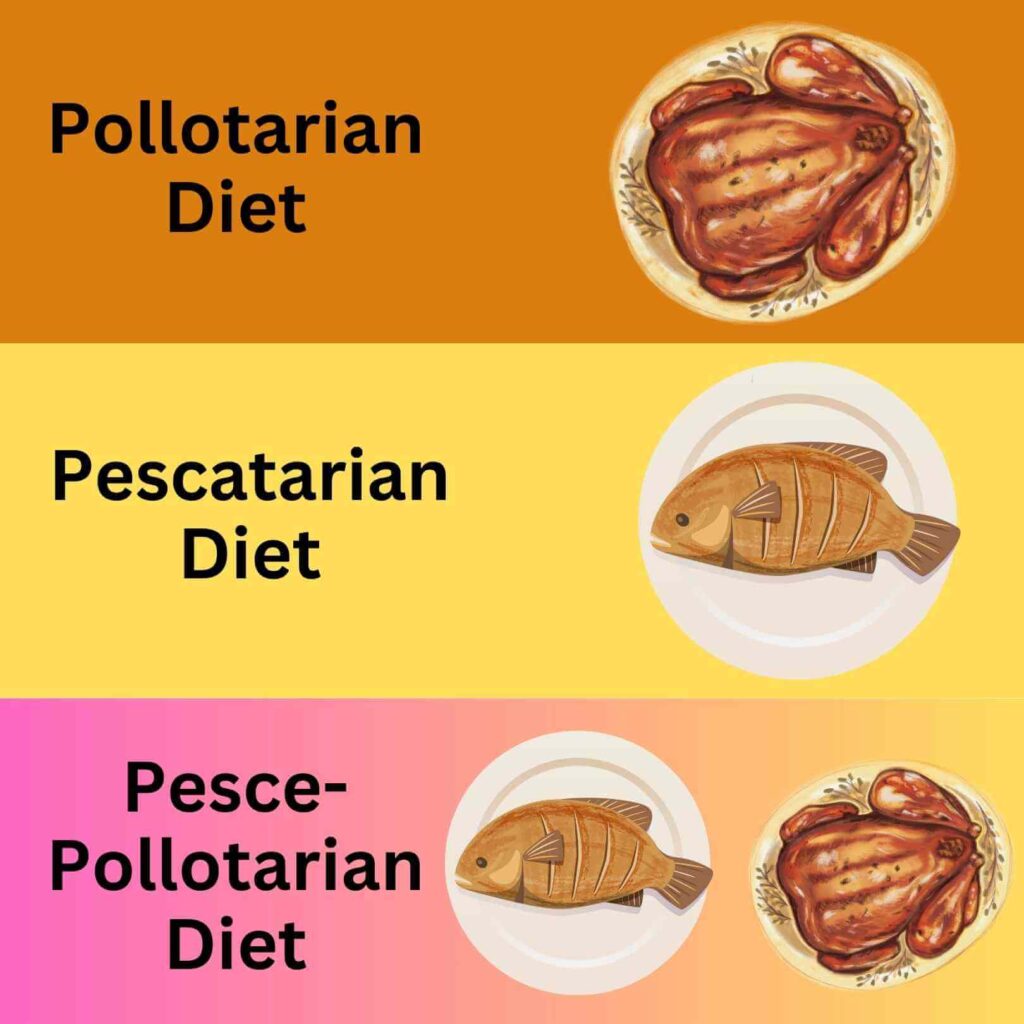
The pesce-pollotarian diet is a hybrid dietary plan that incorporates fish (Pescatarian diet), and poultry (Pollotarian Diet) while excluding other forms of meat, specifically red meat and pork. This diet is less restrictive than a vegetarian diet and offers greater flexibility in meal planning and nutritional intake.
Types and Categories
Strict Pesce-Pollotarian: This version strictly adheres to the exclusion of red meat, focusing entirely on fish, poultry, and plant-based foods.
Flexible Pesce-Pollotarian: A more lenient approach, allowing occasional consumption of red meat or pork, typically during social events or special occasions.
The Difference Between Pesce-Pollotarian, Pescatarian, and Pollotarian Diet
| Aspect | Pesce-Pollotarian Diet | Pescatarian Diet | Pollotarian Diet |
|---|---|---|---|
| Description | Includes fish and poultry, excludes red meat | Includes fish, excludes all other meats | Includes poultry, excludes fish and red meat |
| Nutritional Benefits | High in omega-3 fatty acids, lean proteins, vitamins B12 and D | High in omega-3 fatty acids, vitamins B12 and D | High in lean proteins, iron, and zinc |
| Potential Drawbacks | Limits red meat, sustainability concerns | Limits other meats, potential for mercury in fish | Limits fish and red meat, potential for lower omega-3 |
| Heart Health | Promotes heart health through omega-3s | Promotes heart health through omega-3s | Lean proteins beneficial for heart health |
| Dietary Flexibility | Balanced intake of seafood and poultry | Focus on seafood | Focus on poultry |
What Do Pesce-Pollotarians Eat?
- Fish: Provides high-quality protein, omega-3 fatty acids, vitamins, and minerals. Common choices include salmon, tuna, sardines, and trout.
- Poultry: Includes chicken and turkey, which are lean sources of protein and essential nutrients.
- Vegetables and Fruits: Crucial for vitamins, minerals, fiber, and antioxidants. They form the bulk of the diet alongside fish and poultry.
- Whole Grains and Legumes: Important for carbohydrates, fiber, and additional protein sources. Examples include quinoa, brown rice, lentils, and chickpeas.
- Nuts and Seeds: Provide healthy fats, protein, and additional micronutrients. Common choices are almonds, chia seeds, and flaxseeds.
Health Benefits of the Pesce-Pollotarian Diet
Cardiovascular Health
Incorporating fish, especially fatty varieties like salmon and mackerel, provides essential omega-3 fatty acids, which are known to reduce inflammation and improve heart health. Studies have shown that omega-3s can lower blood pressure, reduce triglycerides, and decrease the risk of heart disease.
Weight Management
The pesce-pollotarian diet can aid in weight management due to its balanced approach to protein intake. Fish and poultry are high in protein, which helps increase satiety and preserve muscle mass during weight loss. Additionally, the diet’s focus on vegetables and whole grains contributes to a low energy density, making it easier to manage caloric intake.
Nutritional Adequacy
This diet provides a comprehensive range of essential nutrients. Fish and poultry offer high-quality protein, B vitamins, and minerals like zinc and iron. Vegetables and fruits supply vital vitamins (such as vitamin C and folate), minerals (like potassium and magnesium), and fiber, which support overall health and digestion.
Reduced Risk of Chronic Diseases
By excluding red meat and processed foods, the pesce-pollotarian diet can lower the risk of several chronic diseases. The diet’s emphasis on whole, unprocessed foods supports immune function and reduces the likelihood of developing type 2 diabetes, certain cancers, and digestive disorders.
Potential Challenges of the Pesce-Pollotarian Diet
Nutritional Imbalances
While the pesce-pollotarian diet is generally well-balanced, individuals must be mindful of potential nutrient deficiencies. For instance, adequate intake of omega-3 fatty acids is crucial, particularly if fish consumption is limited. Supplementing with fish oil or algae-based omega-3s can address this need.
Environmental and Ethical Considerations
Choosing sustainably sourced fish and poultry is essential to mitigate environmental impacts. Overfishing and unsustainable farming practices can harm aquatic ecosystems and animal welfare. Opting for certified sustainable seafood and ethically raised poultry can help address these concerns.
Social and Cultural Factors
Adhering to the pesce-pollotarian diet may pose social and cultural challenges, especially in settings where meat is a central component of meals. Planning and preparation are necessary to navigate social gatherings and dining out while maintaining dietary principles.
Practical Tips for Adopting the Pesce-Pollotarian Diet
Meal Planning and Preparation
- Diversify Protein Sources: Include a variety of fish and poultry to ensure a broad spectrum of nutrients. Experiment with different cooking methods to keep meals interesting.
- Incorporate Plant-Based Foods: Fill your plate with vegetables, fruits, whole grains, and legumes to ensure a balanced intake of nutrients and fiber.
- Use Herbs and Spices: Enhance the flavor of your meals with herbs and spices to reduce the need for added salt or unhealthy fats.
Sustainable Choices
- Choose Sustainable Seafood: Look for labels indicating that the fish is sustainably sourced, such as those from the Marine Stewardship Council (MSC).
- Ethical Poultry: Select poultry products from farms that practice humane treatment and responsible farming methods.
Dining Out and Social Events
Communicate Your Needs: Inform hosts or servers of your dietary preferences to ensure suitable meal options are available.
Plan Ahead: Check menus in advance and select restaurants that offer pesce-pollotarian-friendly options.
Example Weekly Meal Plan
Monday
- Breakfast: Greek yogurt with chia seeds and fresh berries
- Lunch: Grilled salmon with quinoa and steamed broccoli
- Dinner: Chicken stir-fry with mixed vegetables and brown rice
Tuesday
- Breakfast: Smoothie with spinach, banana, and flaxseeds
- Lunch: Tuna salad with mixed greens, cherry tomatoes, and avocado
- Dinner: Baked chicken breast with roasted sweet potatoes and green beans
Wednesday
- Breakfast: Oatmeal with almonds and sliced apple
- Lunch: Sardine and chickpea salad with lemon vinaigrette
- Dinner: Turkey meatballs with whole-wheat pasta and marinara sauce
Thursday
- Breakfast: Whole-grain toast with avocado and poached eggs
- Lunch: Grilled shrimp tacos with cabbage slaw and salsa
- Dinner: Stuffed bell peppers with ground turkey and brown rice
Friday
- Breakfast: Cottage cheese with pineapple and walnuts
- Lunch: Fish taco salad with black beans and corn
- Dinner: Lemon herb roasted chicken with a side of asparagus
5 Pesce-Pollotarian Recipes
Lemon Garlic Baked Salmon with Steamed Vegetables
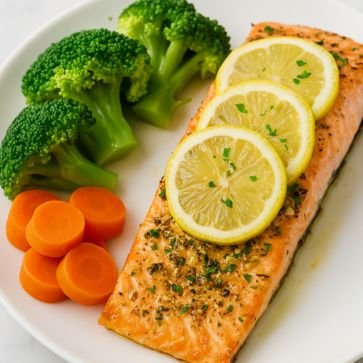
Ingredients (Serves 2)
- 2 salmon fillets (150–180g each)
- 2 tbsp olive oil
- 3 cloves garlic, minced
- Juice of 1 large lemon
- 4–5 lemon slices
- 1 tsp dried oregano
- ½ tsp salt
- ½ tsp black pepper
- 1 cup broccoli florets
- 1 cup carrot slices
- Optional: parsley for garnish
Instructions
- Preheat your oven to 200°C (400°F).
- Line a baking tray with parchment paper, place the salmon skin-side down.
- Drizzle each fillet with olive oil and lemon juice.
- Sprinkle minced garlic evenly over the top.
- Add oregano, salt, and pepper.
- Place a few lemon slices on each fillet.
- Bake for 12–15 minutes, depending on thickness.
- Meanwhile, steam the broccoli and carrots for 5–7 minutes until tender but still bright in color.
- Serve the salmon hot with steamed vegetables and a sprinkle of fresh parsley.
Tips
- If you want crispier edges, broil the salmon for the last 1–2 minutes.
- Don’t overcook — salmon should flake easily but remain moist.
2. Mediterranean Chicken & Quinoa Bowl
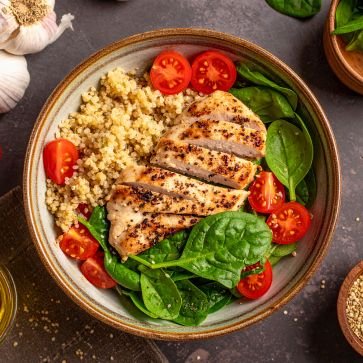
Ingredients (Serves 2)
- 1 cup cooked quinoa
- 300g chicken breast
- 1 tbsp olive oil
- 1 tsp paprika
- ½ tsp garlic powder
- ½ tsp cumin
- Salt and pepper
- ½ cup cherry tomatoes, halved
- ½ cucumber, chopped
- ¼ cup olives
- 2 tbsp chopped parsley
Lemon-Tahini Dressing
- 1 tbsp tahini
- 1 tbsp lemon juice
- 1 tsp olive oil
- 1 tsp water
- Pinch of salt
Instructions
- Cook quinoa according to package instructions (usually 1 cup quinoa + 2 cups water, simmer 12–15 minutes).
- Slice the chicken breast into strips for faster cooking.
- Season with paprika, garlic powder, cumin, salt, and pepper.
- Heat olive oil in a pan on medium heat and cook chicken for 5–6 minutes per side until golden and cooked through.
- Assemble each bowl: quinoa → veggies → olives → chicken.
- Mix dressing ingredients in a small bowl until creamy.
- Drizzle over the bowl and garnish with parsley.
Tips
- Add feta cheese for a stronger Mediterranean flavor.
- Prep ahead: quinoa and chicken store well for 3–4 days in the fridge.
3. Tuna Avocado Protein Salad
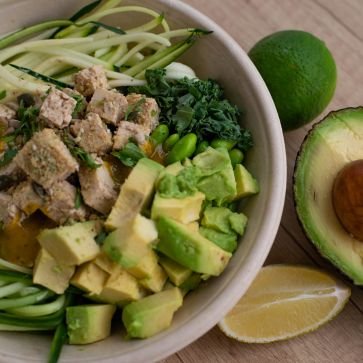
Ingredients (Serves 1–2)
- 1 can tuna in water, drained
- 1 ripe avocado
- ¼ cup finely chopped celery
- 1 tbsp lemon juice
- ½ tsp salt
- ¼ tsp black pepper
- Optional: dill or parsley
Instructions
- Cut the avocado in half, scoop out the inside, and mash lightly with a fork (keep some chunks for texture).
- Add tuna and mix gently.
- Stir in chopped celery, lemon juice, salt, and pepper.
- Mix until fully combined.
- Serve on whole-grain toast, in lettuce wraps, or as a stand-alone high-protein lunch.
Tips
- Add a boiled egg for extra protein.
- This recipe is best eaten fresh since avocado browns quickly.
4. Crispy Air Fryer Chicken Tenders

Ingredients (Serves 2)
- 300–350g chicken breast cut into strips
- 1 egg, whisked
- ¾ cup whole-wheat breadcrumbs
- 1 tsp paprika
- 1 tsp garlic powder
- ½ tsp onion powder
- ½ tsp salt
- ¼ tsp pepper
Instructions
- Preheat the air fryer to 200°C (400°F) for 3 minutes.
- Set up the coating station:
- Bowl 1 → whisked egg
- Bowl 2 → breadcrumbs mixed with spices
- Dip each chicken strip in egg, then coat completely in the breadcrumb mixture.
- Place the tenders in the air fryer in a single layer.
- Spray lightly with cooking oil for extra crispiness.
- Air fry for 10–12 minutes, flipping halfway through.
- Serve with lemon wedges or a yogurt-based dip.
Tips
- Don’t overcrowd the air fryer — cook in batches for best results.
- For extra crunch, use panko breadcrumbs.
5. Light Shrimp & Spinach Creamy Pasta
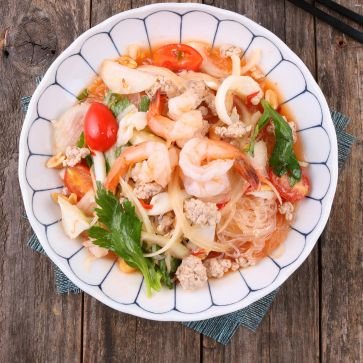
Ingredients (Serves 2)
- 200g shrimp, peeled & deveined
- 2 cups fresh spinach
- 2 tbsp olive oil
- 3 cloves garlic, minced
- 1 cup whole-grain pasta
- ¼ cup light cream or 3 tbsp Greek yogurt
- 1 tbsp lemon juice
- Salt & pepper to taste
- Optional: chili flakes, parmesan
Instructions
- Cook pasta according to package instructions and reserve ¼ cup pasta water.
- Heat olive oil in a large pan.
- Add shrimp, salt, pepper, and sauté for 2 minutes per side until pink. Remove shrimp and set aside.
- In the same pan, add garlic and cook for 30 seconds.
- Add spinach and let it wilt (1–2 minutes).
- Stir in cream or Greek yogurt, plus a splash of pasta water to create a silky sauce.
- Add the pasta and shrimp back into the pan and toss everything together.
- Finish with lemon juice and optional chili flakes or parmesan.
Tips
- Greek yogurt creates a healthier, high-protein creamy sauce.
- Add cherry tomatoes for color and sweetness.
FAQs
Is this diet suitable for everyone?
While the Pesce-Pollotarian Diet can offer health benefits, it may not be suitable for everyone. Those with specific health conditions, allergies, or dietary restrictions should consult with a healthcare provider or a nutritionist to ensure it meets their individual needs.
Are pesce-pollotarians considered carnivores?
No, pesce-pollotarians are not considered carnivores. A carnivore diet primarily consists of animal products, usually focusing on meat and sometimes excluding all plant-based foods.
In contrast, a pesce-pollotarian diet includes fish and poultry but also emphasizes plant-based foods like fruits, vegetables, grains, and legumes. This diet is more aligned with a semi-vegetarian approach, where meat consumption is limited to specific types (fish and poultry) while still incorporating a variety of plant-based foods.
So, pesce-pollotarians are not considered carnivores because their diet is not solely or predominantly made up of animal products.
Can I follow a Pesce-Pollotarian Diet if I’m vegetarian or vegan?
A Pesce-Pollotarian Diet includes animal products, so it wouldn’t align with vegetarian or vegan diets. However, you might consider a similar approach with just fish or poultry if you’re transitioning from a vegetarian diet.
How does this diet compare to a Mediterranean diet?
The Pesce-Pollotarian Diet shares similarities with the Mediterranean diet, which emphasizes fish, poultry, and plant-based foods. However, the Mediterranean diet typically includes a wider variety of plant-based foods, with less emphasis on poultry.
Can I eat out on a Pesce-Pollotarian Diet?
Yes, many restaurants offer fish and chicken options. Look for menus that feature grilled, baked, or steamed dishes and ask for modifications to suit your dietary preferences.
How can I balance the Pesce-Pollotarian Diet with exercise?
- Hydration: Drink plenty of water to stay hydrated and support overall health and performance.
- Protein Needs: Ensure you’re consuming enough protein to support muscle repair and growth. Include fish, poultry, legumes, and nuts in your diet.
- Energy Levels: Opt for complex carbohydrates from whole grains, fruits, and vegetables to maintain energy levels during workouts.
What are some common misconceptions about the Pesce-Pollotarian Diet?
- Flavor and Variety: Some might assume the diet is bland, but with various spices, herbs, and cooking methods, meals can be flavorful and diverse.
- Lack of Protein: Some may think it’s challenging to get enough protein, but with fish, poultry, legumes, and nuts, it’s manageable.
- Nutritional Deficiencies: With proper planning, you can meet all nutritional needs. Key nutrients like vitamin B12 and iron can be obtained from supplements or fortified foods.
Are there any specific fish or poultry types I should prioritize or avoid?
Avoid: Limit consumption of fish high in mercury (e.g., shark, swordfish) and processed poultry products with added sodium or preservatives.
Prioritize: Opt for sustainably sourced fish like salmon, sardines, and trout. Choose organic or free-range poultry when possible.
Can the Pesce-Pollotarian Diet be adapted for special dietary needs, like low-carb or gluten-free?
- Gluten-Free: Choose gluten-free grains like quinoa or rice and ensure any processed products you consume are labeled gluten-free.
- Low-Carb: Focus on low-carb vegetables and protein sources like fish and chicken. Avoid high-carb sides like bread or rice.
How does the Pesce-Pollotarian Diet compare to a vegetarian or vegan diet in terms of sustainability?
- Plant-Based Focus: While it includes animal products, it still emphasizes plant-based foods, aligning with many sustainability goals.
- Environmental Impact: Generally, the Pesce-Pollotarian Diet has a lower impact than a diet high in red meat, but fish farming and overfishing can still be concerns. Choosing sustainably sourced fish and poultry can help mitigate these issues.
Are there any supplements I should consider while following this diet?
- Iron: If iron intake is a concern, consider an iron supplement after consulting with a healthcare provider.
- Omega-3s: If you don’t eat fish regularly, consider an omega-3 supplement derived from algae.
- Vitamin B12: Since B12 is mostly found in animal products, a supplement or fortified foods might be necessary.
Conclusion
The pesce-pollotarian diet offers a balanced approach to eating that promotes health and sustainability. By focusing on fish, poultry, vegetables, fruits, whole grains, and nuts, this diet provides essential nutrients while reducing the consumption of red meat and processed foods. Through careful meal planning and mindful choices, individuals can enjoy a nutritious, varied diet that supports overall well-being and environmental stewardship.
