

Starting a new medication can feel overwhelming, and if you’re here, you’re probably wondering what zepbound side effects actually feel like in real life—not just the clinical list on a leaflet. Maybe you’ve seen friends lose weight quickly on Zepbound but also heard them talk about nausea, bloating, or just “not feeling like themselves” for a few days. Or maybe you’re thinking, “I want the results, but I don’t want to be miserable while getting there.”
You deserve clear, honest information before making any decision about your health. The truth is, most side effects from Zepbound show up in the first few weeks, and for many people, they’re mild—more annoying than alarming. Things like reduced appetite, occasional stomach discomfort, or feeling a little more tired than usual are the most common, while more serious effects are far less frequent according to clinical research.
This guide breaks everything down in a calm, reassuring way—so you know what’s normal, what to watch for, and how to manage symptoms if they happen. You’re not alone in this, and with the right information, you can move forward confidently and safely.
Contents
- 1 When Do Zepbound Side Effects Start and What Most People Feel First
- 2 Zepbound Side Effects in Females: What Women Need to Know About Hormones, Period Changes, and More
- 3 Why Zepbound Causes Digestive Issues (Including Diarrhea) and How Long the Side Effects Last
- 4 Rare but Important Zepbound Reactions: Allergies, Muscle Pain, and Cancer-Related Concerns
- 5 Long-Term Zepbound Side Effects: What Research Suggests About Safety Beyond the First Year
- 5.1 What Studies Suggest After 1 Year of Continuous Use
- 5.2 Does Zepbound Cause Long-Term Organ Damage? (What We Actually Know)
- 5.3 Long-Term Digestive Changes: Who Gets Them and Why
- 5.4 Long-Term Muscle Loss Concerns
- 5.5 Cancer Concerns: What Long-Term Safety Reviews Actually Show
- 5.6 Will Zepbound Change Your Hormones Long-Term?
- 5.7 When Long-Term Side Effects Do Happen
- 5.8 Overall: What Long-Term Safety Looks Like Today
- 6 How to Reduce Zepbound Side Effects Safely: Expert-Backed Strategies That Actually Help
- 6.1 Eat Like You Have a Smaller Stomach — Because You Do Now
- 6.2 Choose Foods That Are Gentle on a Slowed Digestive System
- 6.3 Hydration Isn’t Optional — It’s Part of the Treatment
- 6.4 Time Your Dose for When Your Body Tolerates It Best
- 6.5 Support Your Muscles to Avoid Aches and Fatigue
- 6.6 Use Your Dose-Increase Schedule Wisely
- 6.7 Give Your Gut a Break on “Sensitive Days”
- 6.8 Know When a Side Effect Isn’t Normal
- 7 Frequently Asked Questions
- 7.1 Can Zepbound side effects get worse again after they already improved?
- 7.2 Is it normal to feel side effects in only one part of the day?
- 7.3 Can Zepbound side effects mimic food poisoning or a stomach bug?
- 7.4 Does drinking coffee make Zepbound side effects worse?
- 7.5 Can stress or anxiety make Zepbound side effects stronger?
- 7.6 Is it safe to take anti-nausea medication with Zepbound?
- 7.7 Can dehydration make Zepbound side effects feel much worse?
- 7.8 Why do some people feel side effects only after their second or third dose?
- 7.9 Can lack of sleep make Zepbound side effects worse?
- 7.10 Are Zepbound side effects different for people who had gallbladder removal?
- 8 Conclusion
- 9 References
When Do Zepbound Side Effects Start and What Most People Feel First
If you’re thinking about starting Zepbound, you’re probably wondering how soon the side effects kick in and whether what you’re feeling is normal. Most people begin noticing reactions shortly after their first dose — typically within the first 24–72 hours — but the intensity and timing can differ depending on metabolism, dosing schedule, and individual sensitivity. Clinical studies show that Zepbound’s earliest effects stem from how it slows digestion and influences appetite-regulating hormones, which is why the very first symptoms tend to be related to the stomach.
Early Side Effects That Show Up in the First Few Days
During the first week, many people report mild digestive changes like nausea, bloating, early fullness, or softer stools. These happen because Zepbound delays gastric emptying and shifts gut hormone activity — a mechanism that’s also behind the Zepbound weight-loss results. Diarrhea is another commonly mentioned early reaction, and if you’re wondering why Zepbound causes diarrhea, it’s mainly due to this slower, more regulated digestive pattern. These symptoms often improve as your body learns to tolerate the medication.
Why the First Dose Feels Different From Later Weeks
The initial dose often brings the most noticeable changes because your body is encountering a new hormone-mimicking pathway for the very first time. According to peer-reviewed clinical data, your digestive system needs time to adjust to the slowed gastric emptying, which is why week 1 is usually the bumpiest week. As your body adapts, side effects typically become milder or less frequent — especially when following a gradual dose-increase schedule recommended by healthcare providers.
When Side Effects Usually Peak and Begin to Decline
Most people find that symptoms peak somewhere between day 3 and week 2, then start to fade as their system adjusts. If you’re asking how long Zepbound side effects last, research suggests many early symptoms improve within 2–4 weeks, though everyone’s experience is a little different. Staying hydrated, eating small meals, and avoiding heavy or high-fat foods during dose escalation often helps minimize discomfort.
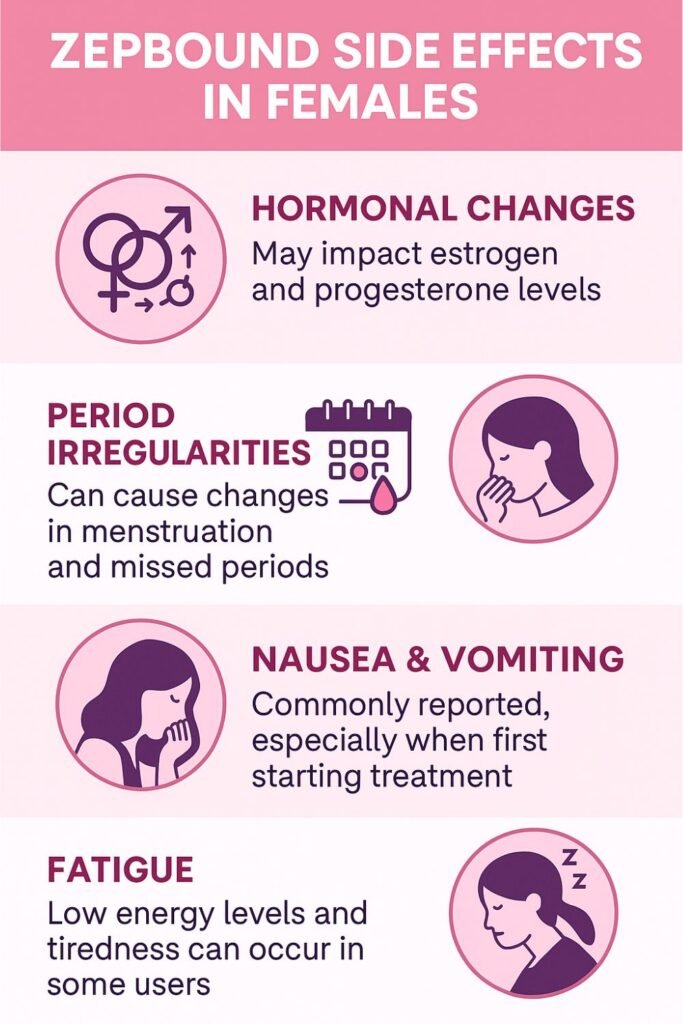
Zepbound Side Effects in Females: What Women Need to Know About Hormones, Period Changes, and More
If you’re a woman starting Zepbound, you’re probably wondering, “How is this going to affect my hormones, my period, and the way my body feels?”
You’re not alone — most women ask the exact same questions during the first few weeks.
Let me talk to you directly and honestly about what many women experience, why it happens, and what actually matters for your health.
How Zepbound Can Make Your Hormones Feel “Different” — Even If It Doesn’t Change Them
Here’s the truth: Zepbound doesn’t directly change your estrogen or progesterone levels.
But your hormones feel the effects of anything that impacts appetite, insulin, blood sugar, and weight-loss speed — and Zepbound does all of that.
So if you notice mood shifts, stronger PMS, or feeling “off” around your cycle, it’s not in your head.
Your metabolism is adjusting, and your hormones are simply reacting to that change.
Period Changes Women Commonly Notice
Let’s be real: your period might act a little weird at first.
Women often tell me things like:
- “My period came a few days early.”
- “My cycle stretched longer than usual.”
- “I spotted between periods the first month.”
These changes usually settle as your weight and appetite stabilize.
Rapid weight loss can shift your cycle — this isn’t a Zepbound-only thing; it happens with any big metabolic change.
Why Some Side Effects Hit Women Harder
If you’re wondering why your nausea feels stronger than your partner’s or why you feel fatigue around your period week, here’s why:
Women have cyclical metabolism, meaning your digestion, cravings, blood sugar, and energy naturally shift throughout your menstrual month.
When you add a GLP-1/GIP medication to that mix, your body reacts more noticeably.
Women often report:
- Nausea during dose increases
- Feeling colder than usual
- Headaches around period week
- More fatigue when their cycle is about to start
- Muscle aches during faster weight-loss phases
These aren’t dangerous — they’re just your body adapting to a new rhythm.
When You Should Pay Attention — Especially as a Woman
Most side effects are mild. But if you notice unusual or severe symptoms, don’t ignore them.
Seek care if you ever feel:
- Very heavy or prolonged bleeding
- Sharp, intense abdominal pain
- Swelling of lips, tongue, or eyes (possible allergic reaction)
- Symptoms that feel dramatically different from your norm
And because many women worry about this:
There is currently no evidence linking Zepbound to female hormone-related cancers.
Still, if you have a history of breast, ovarian, or uterine cancer, talk to your doctor first — that’s just smart health practice.
Why Zepbound Causes Digestive Issues (Including Diarrhea) and How Long the Side Effects Last
If you’re on Zepbound and suddenly dealing with nausea, bloating, or diarrhea, you’re not alone — and you’re definitely not doing anything wrong. These digestive changes happen because of how powerfully Zepbound works inside your body. Once you understand the science behind it, the symptoms start to make a lot more sense — and feel a lot less scary.
How Zepbound Slows Digestion (And Why That Causes Symptoms)
Zepbound works by activating GLP-1 and GIP hormone receptors — the same hormones your body uses to control appetite and gut movement. When these receptors get stimulated:
- Your stomach empties more slowly
- Your intestines move food differently
- Your appetite drops quickly
That slowdown is great for weight loss… but it also means food sits in the stomach longer than usual. For some people, this creates:
- Nausea
- Bloating
- Burping or reflux
- Cramping
- Early stools that are loose
Your digestive system is basically learning a new rhythm — and that transition can feel uncomfortable.
Why Zepbound Causes Diarrhea in Some People
If you’re wondering “Why does Zepbound cause diarrhea?” — here’s the simple explanation:
When your stomach slows down, your intestines sometimes speed up to compensate. That mismatch can trigger:
- Loose stools
- Urgency
- A “sudden wave” after meals
- Gas and noisy digestion
Peer-reviewed studies on GLP-1 agonists show that up to 30–40% of users experience some form of diarrhea, especially after dose increases. It’s not harmful — just annoying — and it usually settles down.
When Digestive Side Effects Usually Start
Most people feel digestive changes:
- Within the first 24–72 hours after starting
- Again during the first 1–2 dose increases
If symptoms hit suddenly right after leveling up the dose, that’s completely normal. Your gut is reacting to the shift in hormone activity.
How Long Digestive Side Effects Last on Zepbound
This is the question everyone asks — and the answer is reassuring:
Most digestive side effects last 1–3 weeks, depending on how sensitive your gut is.
Here’s the usual pattern:
- Week 1–2: Nausea, bloating, and diarrhea are most noticeable
- Week 3–4: Symptoms start calming as your body adjusts
- After dose increases: Symptoms may briefly return for 3–7 days
Very few people experience long-term diarrhea unless the dose is too high or they are eating foods that trigger symptoms (greasy meals, overeating, large portions).
If your symptoms last months, it’s a sign your dose needs adjusting — not a sign that something is wrong with you.
How to Make Digestive Symptoms Go Away Faster
Here’s what actually helps (and what doctors recommend):
- Eat half portions — never full plates
- Avoid greasy, spicy, and heavy meals for 2–3 weeks
- Wait two hours after eating before lying down
- Sip water throughout the day
- Skip carbonated drinks
- Add small snacks between meals instead of big meals
- Take your dose after dinner if morning nausea is too strong
Most people report major improvement within days when following these steps.
When Digestive Issues Are Not Normal
Call your doctor right away if you experience:
- Severe stomach pain that doesn’t ease
- Persistent vomiting
- Dehydration (dry mouth, dizziness, minimal urine)
- Black stools
- Signs of allergic reaction (swelling, rash, trouble breathing)
These are rare but important to watch for.
Rare but Important Zepbound Reactions: Allergies, Muscle Pain, and Cancer-Related Concerns
When you start a medication like Zepbound, it’s completely normal to worry about the “big scary side effects” you read about online. The good news? Most of these reactions are rare, but it’s still important to know what’s normal, what’s not, and when to reach out for help. Let’s walk through the three uncommon — but significant — reactions people ask me about most.
Zepbound Allergic Reaction: What It Looks Like and When It Happens
True allergic reactions to Zepbound are uncommon, but they can happen — usually within the first few doses. If an allergy develops, your body reacts quickly because it recognizes the medication as something it doesn’t like.
You should watch for symptoms such as:
- Sudden itching or hives
- Swelling of the lips, face, tongue, or throat
- Difficulty breathing
- Tightness in the chest
- Severe dizziness
These symptoms typically appear within minutes to hours after injecting your dose.
If you ever feel swelling, trouble breathing, or rapid worsening — that is a medical emergency, and you should seek immediate help. The chances of this happening are very low, but awareness matters.
Muscle Pain on Zepbound: Why It Happens for a Small Group of People
Muscle pain isn’t one of the most common side effects, but some people — especially women — describe:
- Soreness in the legs
- Tight or achy shoulders
- General body aches similar to a flu-like feeling
This usually isn’t actual muscle damage. Instead, it’s a response to reduced food intake, dehydration, or rapid weight loss during the first few weeks. Your body is shifting its energy use, and for some people, that transition feels like soreness or stiffness.
You’re more likely to experience muscle pain if:
- You aren’t eating enough protein
- You’re dehydrated
- Weight loss is happening faster than your body can comfortably handle
The good news: most people notice this improves with hydration, slow stretching, and balanced meals.
Zepbound and Cancer Concerns: What Science Actually Says
You’ve probably seen warnings online about thyroid cancer and GLP-1 medications. Here’s the truth in simple, accurate language:
- The cancer warnings come from rodent studies, where extremely high doses caused a rare tumor type not observed in humans.
- In clinical trials and FDA review, no confirmed cases of medullary thyroid carcinoma have been directly linked to Zepbound in humans.
- The caution label exists because researchers want long-term data, not because humans are developing thyroid cancer from Zepbound.
However, if you have:
- A personal or family history of medullary thyroid carcinoma (MTC)
- A condition called MEN2 (Multiple Endocrine Neoplasia type 2)
…you should not take Zepbound at all.
For everyone else, current data does not show an increased cancer risk — but ongoing monitoring is still part of responsible medicine.
When These Rare Reactions Become Serious
You should contact a healthcare provider if you notice:
- Progressive swelling or trouble breathing (possible allergy)
- Severe, unexplained muscle weakness
- A lump in the neck, persistent hoarseness, or trouble swallowing
- Rapid weight loss paired with dehydration or extreme fatigue
These signs don’t mean something dangerous is happening — but they’re worth checking.
Long-Term Zepbound Side Effects: What Research Suggests About Safety Beyond the First Year
If you’re planning to stay on Zepbound long-term, you’re probably wondering the same thing everyone else asks me: “Is it safe to take this for years?”
It’s a smart question — and thankfully, we now have early data from clinical trials, real-world patients, and research on similar GLP-1/GIP medications to help give clearer answers. While Zepbound is still new, scientists are paying very close attention to long-term effects so you can use it with confidence.
Here’s what we know so far.
What Studies Suggest After 1 Year of Continuous Use
The data we have from phase-3 trials shows that most side effects — nausea, constipation, diarrhea, and appetite suppression — dramatically decrease after the first 6–12 months.
Your body adapts to the slower digestion and hormonal changes, and many people report:
- More stable digestion
- Less nausea
- Fewer bathroom issues
- A more predictable appetite
By the one-year mark, long-term side effects are usually related to weight loss itself — not the medication.
Does Zepbound Cause Long-Term Organ Damage? (What We Actually Know)
This is one of the biggest fears, especially online.
So far, long-term clinical data shows no evidence of liver damage, kidney failure, or cardiac toxicity directly caused by Zepbound.
Most experts believe that the heart-protective effects seen with GLP-1 medications may actually reduce long-term health risks, not increase them.
Still, we don’t have 10-year studies yet — so research is ongoing.
Long-Term Digestive Changes: Who Gets Them and Why
Some people still notice mild digestive symptoms even after a year, especially if they:
- Eat large meals
- Have IBS or digestive sensitivity
- Increase their dose too rapidly
- Drink alcohol frequently
These symptoms are usually mild and manageable, not harmful.
Think of them as your digestive system being a bit more sensitive than before.
Long-Term Muscle Loss Concerns
Rapid weight loss can cause muscle loss in some people, especially women — but here’s the key:
It’s not from Zepbound, it’s from losing weight too quickly.
You’re more likely to experience long-term muscle changes if you:
- Eat too little protein
- Don’t do resistance training
- Lose weight extremely fast in early months
Research strongly supports adding:
- 80–120g protein/day (depending on your body weight)
- 2–3 sessions of light strength training per week
These two steps alone prevent most muscle-related long-term effects.
Cancer Concerns: What Long-Term Safety Reviews Actually Show
This is the most misunderstood topic, so let’s simplify it:
- The cancer warnings come from rodent studies, not humans
- Human studies up to one year show no increased thyroid cancer risk
- No increase in breast, colon, ovarian, or pancreatic cancer has been found
- The theoretical risk remains only for people with genetic thyroid cancers (MEN2, MTC)
So for most people, current data shows no cancer-related long-term side effects.
But researchers continue monitoring this closely.
Will Zepbound Change Your Hormones Long-Term?
Women often ask if Zepbound can affect periods or fertility long-term.
Here’s what we know:
- Hormone changes happen mostly due to weight loss, not the drug
- After weight stabilizes, cycles often return to normal
- Some women with PCOS experience improved fertility, not worse
There is no evidence that Zepbound disrupts your hormones permanently.
When Long-Term Side Effects Do Happen
While rare, here are the cases doctors watch for:
- Persistent severe digestive issues
- Gallbladder problems due to rapid weight loss
- Nutrient deficiencies in people eating too little
- Worsening reflux in sensitive individuals
These effects usually occur when weight drops too fast or when someone continues increasing the dose aggressively.
Good news:
All of these are manageable and often reversible.
Overall: What Long-Term Safety Looks Like Today
After reviewing studies, real-world patient reports, and GLP-1 research:
✔ Zepbound appears safe for extended use
✔ Most early side effects disappear by 6–12 months
✔ Long-term risks are low and mainly tied to weight loss behavior
✔ Cancer concerns remain theoretical, not proven
✔ Proper nutrition and hydration prevent most long-term issues
If you’re using Zepbound the right way — slow dosing, balanced meals, hydration — long-term use is considered safe based on the current evidence.
If you’re looking for additional, evidence-informed support alongside Zepbound, you can explore LeanBliss as a complementary option focused on sustainable weight management and healthy metabolic habits.
How to Reduce Zepbound Side Effects Safely: Expert-Backed Strategies That Actually Help
If you’re feeling miserable from the nausea, bloating, diarrhea, or fatigue that hits during the first weeks of Zepbound, you’re not alone — and you’re not stuck. The good news? You can make these side effects dramatically easier by adjusting how you eat, when you dose, and what you do in the hours after your injection. These strategies aren’t random tips — they’re based on what clinicians recommend and what real patients consistently say actually works.
Let’s walk through the most effective, safe ways to calm your system while letting the medication continue working for weight loss.
Eat Like You Have a Smaller Stomach — Because You Do Now
Zepbound slows digestion so much that your stomach behaves like it’s half the size it was before. If you try to eat the way you used to, side effects hit harder.
The fix is simple:
- Eat half portions, especially in the first 2–4 weeks
- Chew slowly and stop eating the moment you feel “neutral” (not full)
- Avoid “heavy” meals with cream, butter, or lots of oil
- Separate meals and fluids (don’t chug water with food)
Just this shift alone reduces nausea, bloating, and diarrhea for most people.
Choose Foods That Are Gentle on a Slowed Digestive System
To prevent digestive shock, aim for foods that are light, simple, and easy to break down:
- Lean protein (eggs, chicken, fish)
- Soft fruits (banana, melon, berries)
- Low-fat yogurt
- Rice, potatoes, or toast
- Soups and broth-based meals
Avoid — especially during dose increases:
- Fried foods
- Heavy fats
- Alcohol
- Carbonated drinks
- Spicy meals
These trigger nausea and digestive issues faster than anything else.
Hydration Isn’t Optional — It’s Part of the Treatment
A slowed digestive system needs more water, not less.
But drinking too fast can make nausea worse.
Here’s the safe method:
- Sip water continuously, not large gulps
- Aim for 6–8 cups/day
- Add electrolytes if you feel weak or dehydrated
- Avoid fizzy drinks completely — they trigger stomach pressure
Proper hydration reduces headaches, muscle aches, constipation, and even diarrhea.
Time Your Dose for When Your Body Tolerates It Best
Some people feel awful when dosing in the morning.
Try this instead:
- Take your Zepbound right after your evening meal
- Sleep through the nausea period
- Wake up feeling steadier
This trick works especially well for women who experience hormonal sensitivity to medications.
Support Your Muscles to Avoid Aches and Fatigue
If you’re experiencing Zepbound side effects like muscle pain or weakness, it’s usually from:
- Low protein intake
- Rapid weight loss
- Mild dehydration
Easy fixes that work:
- 20–30g protein per meal
- Light strength training 2–3x/week
- Electrolytes on dose days
- Slow weight loss (don’t rush dose increases)
Your muscles aren’t “damaged” — they just need fuel.
Use Your Dose-Increase Schedule Wisely
Most severe side effects happen when people increase their dose too quickly.
To avoid this:
- Stay longer at each dose if needed
- Do NOT increase when sick, menstruating, or stressed
- Increase only when your digestion feels steady
Your doctor can always extend your dose schedule — it’s normal and very common.
Give Your Gut a Break on “Sensitive Days”
When nausea spikes, the smartest thing you can do is simplify.
Try:
- Bland foods (BRAT-style: banana, rice, applesauce, toast)
- Ginger tea
- Peppermint tea
- Small snacks instead of large meals
- Eating earlier in the evening
These calm your gut during “flare days,” especially after dose increases.
Know When a Side Effect Isn’t Normal
Most symptoms fade within 1–3 weeks, but if you experience:
- Continuous vomiting
- No urine / severe dehydration
- Severe stomach pain
- Swelling, rash, or breathing difficulty
- Persistent diarrhea for weeks
…it’s time to call your doctor. These aren’t typical adjustment symptoms.
Frequently Asked Questions
Can Zepbound side effects get worse again after they already improved?
Yes, they can temporarily flare up again — especially after a dose increase, eating a heavy meal, drinking alcohol, or going through hormonal shifts like PMS or stress. This doesn’t usually mean something is wrong; it just means your digestive system was pushed beyond what it currently tolerates. If symptoms keep coming back for more than two weeks, a slower dose schedule or meal adjustments can help stabilize things.
Is it normal to feel side effects in only one part of the day?
Absolutely. Many people feel worst in the mornings because stomach emptying is slower during sleep. Others feel symptoms mainly after meals, especially if the meal is large or fatty. As your body adapts, these “timed” patterns usually shrink.
Can Zepbound side effects mimic food poisoning or a stomach bug?
Yes, early side effects — like nausea, stomach cramping, and diarrhea — can feel very similar to mild food poisoning. The difference is that Zepbound-related symptoms usually improve with small meals, rest, and hydration, while food poisoning tends to get worse regardless of eating. If symptoms include fever or persistent vomiting, it’s best to get checked.
Does drinking coffee make Zepbound side effects worse?
For many people, yes. Coffee can stimulate the gut, increase acid, and trigger nausea or diarrhea when the stomach is already slow from Zepbound. Switching to half-caf, drinking coffee after eating, or replacing it with tea can reduce these issues. If symptoms calm down when you skip coffee, it’s a sign your gut needs a gentler routine.
Can stress or anxiety make Zepbound side effects stronger?
They can. Stress slows digestion even more, which can intensify nausea, bloating, and appetite loss. Deep breathing, light walking, or spacing meals during stressful days often reduces discomfort. If your stress levels are consistently high, symptoms may improve after a calmer routine is re-established.
Is it safe to take anti-nausea medication with Zepbound?
In most cases, yes, medications like ondansetron (Zofran) are commonly prescribed when symptoms are intense or interfering with daily life. But it’s important to talk to your doctor first, especially if you’re taking other prescriptions, since dehydration or constipation can worsen with some medications.
Can dehydration make Zepbound side effects feel much worse?
Definitely. Even mild dehydration can trigger headaches, fatigue, dizziness, and more intense nausea. On Zepbound, dehydration can happen quickly because digestion slows and people unintentionally eat and drink less. Sipping water throughout the day — not chugging — is the best strategy to prevent this.
Why do some people feel side effects only after their second or third dose?
This usually happens when the cumulative effect of Zepbound finally slows digestion enough for symptoms to appear. It’s not unusual for someone to feel fine on the first injection and then notice nausea or appetite suppression later. The body typically adjusts within a week or two.
Can lack of sleep make Zepbound side effects worse?
Yes. Poor sleep can make nausea feel stronger, reduce appetite further, and increase stomach sensitivity. A consistent sleep schedule and avoiding late meals often help stabilize symptoms.
Are Zepbound side effects different for people who had gallbladder removal?
They can be. Without a gallbladder, digestion of fats is already slower and can worsen nausea or diarrhea on Zepbound. Choosing low-fat meals and spacing out eating often makes a noticeable difference.
Conclusion
Understanding zepbound side effects is one of the most important steps you can take before starting the medication, and it’s completely normal to feel unsure or even a little nervous in the beginning. Most people experience mild digestive symptoms that improve with time, dose adjustments, and small changes to daily habits — and many still go on to see meaningful, long-term weight-loss results. What matters most is listening to your body, staying hydrated, eating in smaller portions, and keeping an open line of communication with your healthcare provider if anything feels too intense or unusual.
Zepbound isn’t a one-size-fits-all experience, and your journey may look different from someone else’s. But with the right guidance and a realistic understanding of what to expect, you can navigate the early bumps safely and confidently. If you ever feel uncertain, always reach out for medical advice — your comfort, safety, and long-term health should guide every decision you make.
References
Jastreboff AM et al. Tirzepatide Once Weekly for the Treatment of Obesity.
New England Journal of Medicine (NEJM)
https://www.nejm.org/doi/full/10.1056/NEJMoa2206038
Ludvik B et al. Gastrointestinal tolerability of GLP-1 receptor agonists.
Diabetes Care
https://diabetesjournals.org/care/article/37/11/3097/29345/Gastrointestinal-Tolerability-of-Once-Weekly
Escobar-Morreale HF. Polycystic ovary syndrome: treatment strategies and management
https://www.tandfonline.com/doi/abs/10.1517/14656560802559932
Drucker DJ. Safety of GLP-1 receptor agonists: risk analysis from human trials.
The Lancet Diabetes & Endocrinology
https://www.thelancet.com/journals/landia/article/PIIS2213-8587(17)30006-6/fulltext
Heymsfield SB. Muscle mass changes associated with weight-loss interventions.
Obesity Journal
https://onlinelibrary.wiley.com/doi/full/10.1002/oby.20076
Marso SP et al. GLP-1 receptor agonists and thyroid safety profile.
New England Journal of Medicine (Semaglutide SUSTAIN-6 Trial)
https://www.nejm.org/doi/full/10.1056/NEJMoa1607141
