
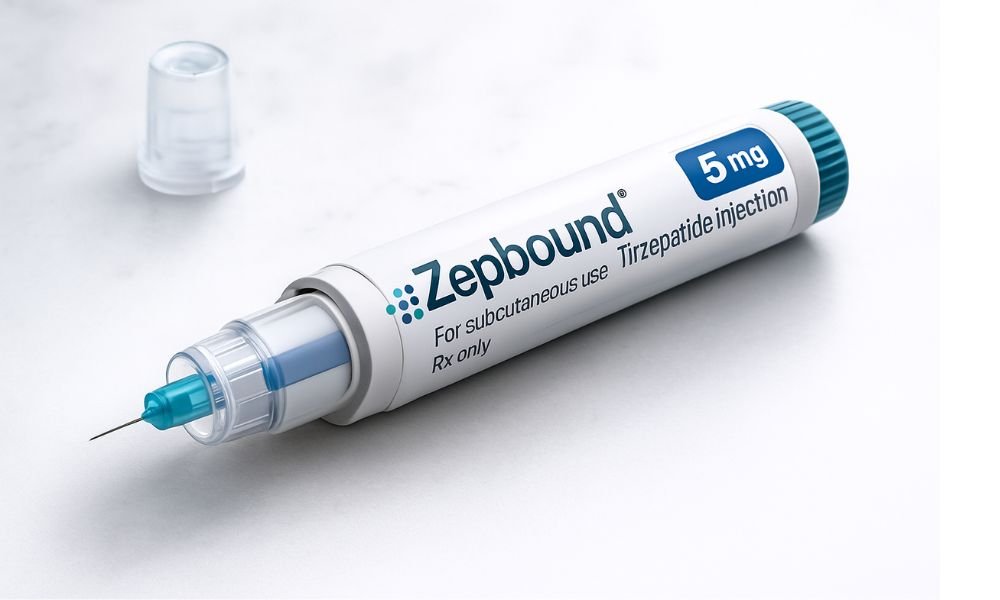
The zepbound weight loss program has quickly become one of the most talked-about options for people struggling to lose weight, especially those who feel like they’ve “tried everything” with no real, lasting results. If you’re someone juggling diets, workouts, and constant plateaus, you’re not alone—millions of Americans face the same cycle every year.
Zepbound, approved by the FDA as a prescription medication for chronic weight management, works by targeting multiple hunger-related pathways in the body, which may help reduce appetite, improve fullness, and support significant weight loss. Early studies show encouraging trends, with many participants reporting double-digit percentage weight reductions over several months when combining the medication with lifestyle changes.* While it’s not a quick fix, it can be a powerful tool for adults with obesity or weight-related conditions who need more than diet and exercise alone.
In this article, guided by reputable sources such as the FDA, clinical trial publications, and leading endocrinology guidelines, we’ll break down exactly how the medication works, who qualifies, expected results, dosing, side effects, and practical tips for safely starting the zepbound weight loss program. Whether you’re researching options for yourself or supporting a loved one, this guide brings clarity, compassion, and evidence-based information.
*References: FDA.gov, Eli Lilly clinical trial data, Obesity Medicine Association guidelines.
Contents
- 0.1 What the Zepbound Weight Loss Program Is and How It Works
- 0.2 Targets the Hormones That Control Hunger and Fullness
- 0.3 Zepbound Program Steps
- 0.3.1 1. Start With a Medical Evaluation
- 0.3.2 2. Begin the Starter Dose (2.5 mg)
- 0.3.3 3. Increase Slowly to the Therapeutic Range
- 0.3.4 4. Follow a Structured Eating Pattern
- 0.3.5 5. Track Your Progress Weekly
- 0.3.6 6. Add Light Movement
- 0.3.7 7. Adjust Dose if Side Effects Occur
- 0.3.8 8. Continue Regular Follow-Ups
- 0.3.9 9. Stay Consistent for 3–6 Months
- 0.3.10 10. Long-Term Maintenance Plan
- 0.4 Why Doctors Consider It a “Whole-Body” Weight Loss Tool
- 0.5 What You Can Expect When You Begin
- 0.6 Zepbound Weight Loss Results After 1 Month: What Most People Experience
- 0.7 What the Average Person Loses in the First 4 Weeks
- 0.8 The Most Noticeable Changes Are Not on the Scale
- 0.9 Why Your First-Month Results Shouldn’t Be Compared to Others
- 0.10 What You Should Focus On During Month One
- 0.11 How Fast Can You Lose Weight on Zepbound? A Realistic Timeline
- 0.12 Weeks 1–4: Appetite Reset Phase
- 0.13 Months 2–3: The Most Noticeable Weight Loss Begins
- 0.14 Months 4–6: Significant Weight Loss Period
- 0.15 Months 6–12: Steady, Sustainable Progress
- 0.16 Why Everyone Loses Weight at a Different Pace
- 0.17 The Most Honest Answer to “How Fast Will I Lose Weight?”
- 0.18 Zepbound Weight Loss Chart: A Smarter Way to Track Your Progress
- 0.19 Your Body Loses Weight in “Phases,” Not Linear Weeks
- 0.20 How to Build a “Real” Zepbound Weight Loss Chart (One That Helps You, Not Defeats You)
- 0.21 What a Healthy Zepbound Chart Trend Actually Looks Like
- 0.22 What to Expect on the 5 mg Dose: Zepbound 5 mg Weight Loss Insights
- 0.23 Realistic Weight Loss on 5 mg: Not Dramatic, But Definitely Noticeable
- 0.24 Common Changes You May Feel on the 5 mg Dose
- 0.25 Why Your 5 mg Experience May Differ From Others
- 0.25.1 How to Support Your Body on the 5 mg Dose
- 0.25.2 This Dose Is the Turning Point for Many People
- 0.25.3 Lifestyle Habits That Make the Zepbound Weight Loss Program More Effective
- 0.25.4 Prioritize Protein at Every Meal (It Boosts Satiety + Preserves Muscle)
- 0.25.5 Eat Slowly and Stop When Comfortable, Not Full
- 0.25.6 Hydration Is a Non-Negotiable
- 0.25.7 Light Movement Is Better Than Hardcore Workouts
- 0.25.8 Create a Simple Eating Routine (Not a Strict Diet)
- 0.25.9 Support Your Sleep—It Directly Impacts Appetite
- 0.25.10 Lower Stress to Lower Cravings
- 0.25.11 Be Kind to Yourself on Hard Days
- 0.26 Who Is a Good Candidate for the Zepbound Weight Loss Program?
- 0.27 You’re Likely a Good Candidate If You Meet These Medical Criteria
- 0.27.1 1. A BMI of 30 or higher (obesity)
- 0.27.2 2. A BMI of 27 or higher with at least one weight-related condition
- 0.27.3 You May Benefit If Hunger Controls Your Life More Than Willpower
- 0.27.4 You’re a Strong Candidate If You’ve Hit a Plateau Despite Real Effort
- 0.27.5 You May Qualify If You Experience Insulin-Related Weight Struggles
- 0.27.6 You Should NOT Use Zepbound If You Have These Conditions
- 0.27.7 You’re a Great Candidate If You’re Ready for a Long-Term Solution, Not a Quick Fix
- 0.28 Contraindications
- 0.28.1 Some People Should NOT Use Zepbound — Safety Comes First
- 0.28.2 Personal or Family History of Medullary Thyroid Carcinoma (MTC)
- 0.28.3 Diagnosis of MEN2 (Multiple Endocrine Neoplasia Syndrome Type 2)
- 0.28.4 Hypersensitivity or Allergy to Tirzepatide
- 0.28.5 Pregnancy or Planning Pregnancy
- 0.28.6 Breastfeeding (Caution Due to Unknown Safety)
- 0.28.7 Severe Gastrointestinal Disease
- 0.28.8 Pancreatitis History (Not Absolute, But High Caution)
- 0.28.9 People Who Cannot Commit to Regular Monitoring
- 0.29 Frequently Asked Questions
- 0.29.1 Can you take Zepbound if you only want to lose 10–15 pounds?
- 0.29.2 Do you regain weight after stopping Zepbound?
- 0.29.3 Is it safe to drink alcohol while taking Zepbound?
- 0.29.4 Can Zepbound affect fertility or menstrual cycles?
- 0.29.5 What happens if you miss a weekly dose of Zepbound?
- 0.29.6 Can you combine Zepbound with intermittent fasting?
- 0.29.7 Does Zepbound work even if you don’t exercise?
- 0.29.8 Is it normal to feel no appetite at all on Zepbound?
- 0.29.9 Can Zepbound cause hair shedding?
- 0.29.10 How long do you need to stay on Zepbound?
- 0.30 Conclusion
- 1 References
What the Zepbound Weight Loss Program Is and How It Works
A Medication Designed for People Who Feel Like Nothing Else Has Worked
If you’re researching the Zepbound weight loss program, chances are you’ve tried calorie cuts, stricter diets, maybe even workout challenges—yet the scale barely moved. You’re not imagining it. For many adults with obesity or insulin-related weight gain, traditional methods simply don’t address the deeper biological reasons behind weight struggles.
Weight loss shots zepbound (tirzepatide) was created exactly for people in your position. It’s an FDA-approved prescription medication designed to help adults with obesity—or those with weight-related conditions—lose weight safely through a scientifically supported mechanism.
Targets the Hormones That Control Hunger and Fullness
Your body uses hunger hormones to regulate appetite. The problem?
When you try to lose weight, those hormones often fight back, making you hungrier, slowing metabolism, and increasing cravings.
Zepbound helps counter that.
It works by activating two key metabolic pathways—the GIP and GLP-1 receptors.
Clinical research shows that when these pathways are stimulated together, they can:
- Reduce appetite
- Slow stomach emptying (so you stay full longer)
- Improve insulin sensitivity
- Lower cravings for high-calorie foods
- Support steady, healthy weight loss
These mechanisms are not based on hype—peer-reviewed studies consistently show that dual-agonist medications lead to significantly more weight loss than single-pathway drugs.
Zepbound Program Steps
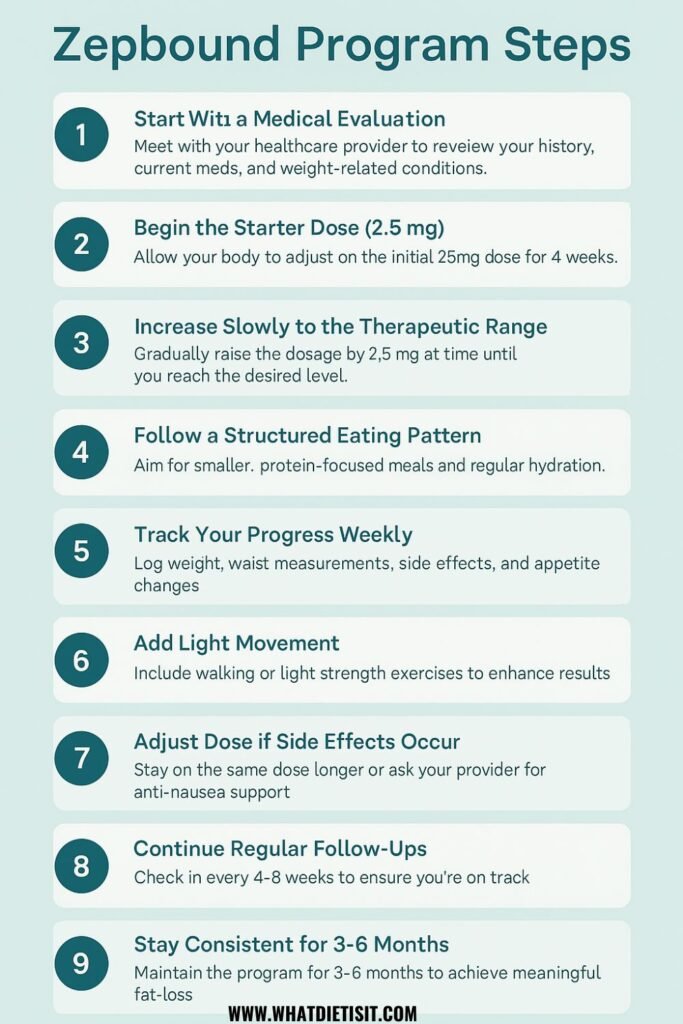
1. Start With a Medical Evaluation
Before beginning the Zepbound program, you meet with a licensed healthcare provider who reviews your medical history, current medications, and weight-related conditions. Most providers also check labs like A1C, fasting glucose, liver function, and thyroid markers to make sure Zepbound is safe for you.
2. Begin the Starter Dose (2.5 mg)
The program always starts at 2.5 mg once weekly. This is not a weight-loss dose—it’s simply to let your body adjust and reduce nausea or GI side effects.
3. Increase Slowly to the Therapeutic Range
After 4 weeks on 2.5 mg, your provider will raise the dose gradually:
- 5 mg
- 7.5 mg
- 10 mg
- 12.5 mg
- 15 mg (max dose)
Most people begin seeing noticeably suppressed appetite between 5 mg–7.5 mg.
4. Follow a Structured Eating Pattern
To prevent side effects and support weight loss, most clinicians recommend:
- Smaller, protein-focused meals
- Hydration of at least 2–3 liters per day
- Avoiding greasy foods early on
- Prioritizing whole foods and low-GI carbs if tolerated
This is not a starvation plan—Zepbound helps you feel full faster.
5. Track Your Progress Weekly
This is crucial. Most people track:
- Weight
- Waist measurements
- Side effects
- Appetite changes
- Energy levels
- Non-scale victories (clothes fitting better, fewer cravings)
A digital log or the Zepbound weight loss chart you created works perfectly.
6. Add Light Movement
Zepbound works even without exercise, but results improve when you include:
- Walking 20–30 minutes a day
- Light strength workouts 2–3 times a week
- Stretching or yoga
This helps combat muscle loss and supports metabolism.
7. Adjust Dose if Side Effects Occur
If nausea, fatigue, or GI symptoms become too intense:
- Stay on the same dose longer
- Adjust meal timing
- Ask your provider about anti-nausea support
- Reduce fatty foods
Most side effects ease by week 6–8.
8. Continue Regular Follow-Ups
Check-ins every 4–8 weeks ensure:
- You’re on the right dose
- You’re losing weight safely
- Your provider catches issues early
- You stay accountable and supported
Good programs always include monitoring—not just medication.
9. Stay Consistent for 3–6 Months
Most meaningful fat-loss results happen between:
- Month 2 and Month 6
Your appetite stabilizes, your portions shrink naturally, and losing weight becomes easier and more predictable.
10. Long-Term Maintenance Plan
When you reach your goal, your doctor may:
- Hold you at the dose that works
- Slightly reduce dosage
- Add fitness or nutrition coaching
- Transition you to a lower-maintenance plan
Zepbound isn’t intended as a crash diet—it’s a structured tool for long-term metabolic health.
Why Doctors Consider It a “Whole-Body” Weight Loss Tool
Unlike fad diets that focus only on calories, Zepbound works at the hormonal level, which is where weight regulation truly begins.
Doctors often explain it this way:
“Zepbound helps your biology finally cooperate with your goals.”
People in clinical trials didn’t just lose weight—they also saw measurable improvements in:
- Waist circumference
- Blood glucose
- A1C
- Energy levels
- Eating patterns
These results matter because they indicate metabolic change, not temporary dieting effects.
What You Can Expect When You Begin
Most people starting the Zepbound program experience:
- Reduced appetite within the first 1–3 weeks
- Feeling full faster
- Decreased mindless snacking
- A calmer relationship with food
This doesn’t mean weight will fall off instantly—healthy weight loss is gradual.
But the program helps remove the constant “food noise” that makes dieting exhausting.
If you’ve been wondering why your willpower has never been “enough,” this is your reminder:
It’s not a willpower issue. It’s a hormone issue.
Zepbound works by helping your biology support, rather than sabotage, your efforts.
Zepbound Weight Loss Results After 1 Month: What Most People Experience
The First Month Is About Resetting Your Appetite, Not Rapid Weight Loss
If you’re starting the Zepbound weight loss program, you might feel anxious about what your first month will look like—especially if you’ve been burned by diets in the past.
Here’s the truth:
The first month is less about huge numbers on the scale and more about your body adjusting to a new hormonal environment.
Most people beginning Zepbound start on a low dose (2.5 mg), which is intentionally designed as an adjustment phase—not a weight-loss phase.
That means your body is learning to:
- Get full faster
- Reduce overeating
- Lower cravings
- Stabilize appetite signals
- Feel calmer around food
Even though the dose is small, many people still see early changes.
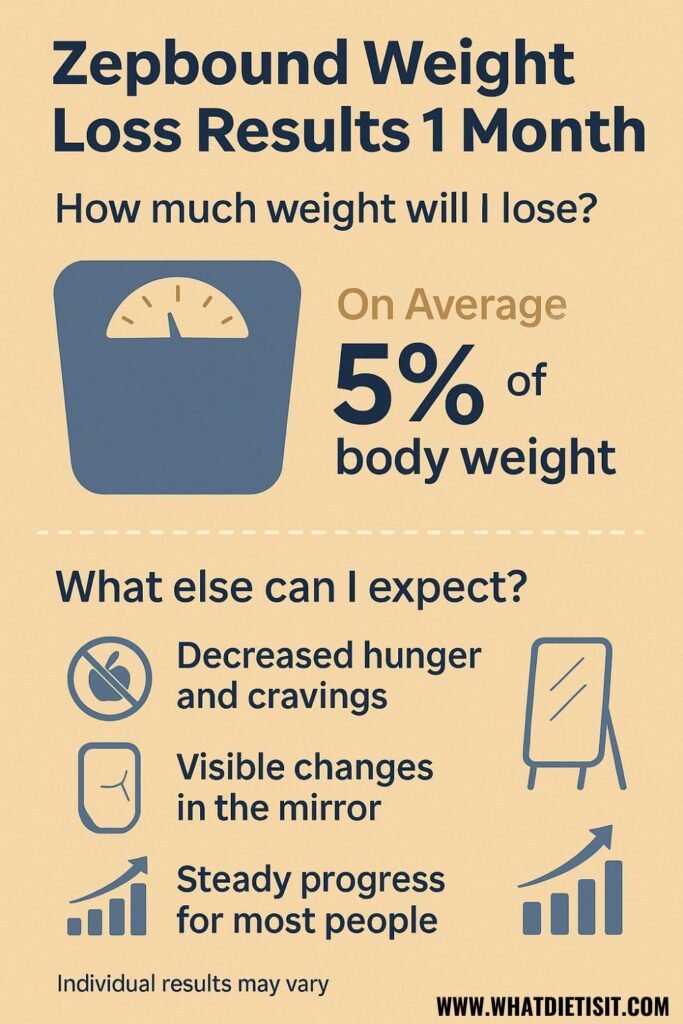
What the Average Person Loses in the First 4 Weeks
Every body responds differently, but based on clinical data and patient-reported outcomes, most people see:
- A small but meaningful decrease in weight
- Less bloating
- Reduced nighttime cravings
- Lower emotional eating
Some individuals lose just a couple of pounds, while others lose more—especially if they had high appetite levels before starting.
A majority of people report weight loss in the low single-digit percentage range during the first month.
This is normal.
This is healthy.
And more importantly—it sets the stage for the bigger drops that happen in months 2–6.
The Most Noticeable Changes Are Not on the Scale
Nearly everyone reports the same three changes during the first month:
1. Appetite drops significantly
You will likely notice you’re satisfied after smaller portions, and food “noise” finally calms down.
2. Cravings begin to fade
Especially sugar and carb cravings that normally derail diets.
3. Energy becomes more stable
Without the constant hunger, your day feels more balanced and less mentally exhausting.
These changes are often more meaningful than early weight loss because they signal that the medication is working on the hormonal level.
Why Your First-Month Results Shouldn’t Be Compared to Others
You may see someone on social media losing 10 lbs in their first month and wonder,
“Why am I not losing that fast?”
But here’s what many people forget:
- Starting weight is different
- Metabolism varies
- Hormone health varies
- Appetite levels vary
- Dose schedules vary
- Some increase their dose earlier
Your first month is not a race—it’s a foundation.
Real, sustainable results for most people begin in months 2–3, when the medication is at a stronger therapeutic dose.
What You Should Focus On During Month One
To get the best results, focus on:
- Eating until satisfied (not stuffed)
- Hydration
- Light movement or walking
- Gentle meal planning
- Sleep routines
- Familiarizing yourself with side effects
This approach helps your body adapt smoothly and sets you up for stronger results later.
How Fast Can You Lose Weight on Zepbound? A Realistic Timeline
Why Zepbound Weight Loss Isn’t Instant—and Why That’s Actually Good
If you’re starting the Zepbound program, it’s completely normal to ask,
“How fast will I lose weight?”
Especially if you’ve spent years trying diets that overpromise and underdeliver.
Zepbound works differently. It targets the hormones that control hunger and fullness, which takes a little time to stabilize. Because of this, weight loss happens in predictable, science-backed phases, not overnight.
Real progress with Zepbound feels steady, sustainable, and—most importantly—possible in a way many people have never experienced before.
Weeks 1–4: Appetite Reset Phase
During the first month, most people are on the starter dose.
This phase focuses on:
- Calming cravings
- Reducing overeating
- Helping you stay satisfied longer
- Stabilizing hunger signals
Weight loss during this period is usually modest, but meaningful.
Many people lose a small percentage of their body weight, while others mainly notice behavioral changes such as:
- Eating less without trying
- Feeling full on smaller meals
- Less snacking at night
If your weight loss feels slow here—don’t panic.
This is exactly how the program is designed to work.
Months 2–3: The Most Noticeable Weight Loss Begins
Once your dose gradually increases, the medication reaches a therapeutic level, and this is often when weight loss begins to accelerate.
Most people begin seeing:
- More consistent weekly drops
- Stronger appetite control
- Decreased emotional or binge eating
- Improved energy and fewer cravings
This is the phase where you may feel like you finally have control over food again.
Months 4–6: Significant Weight Loss Period
By this stage, the medication has reached its full effect for most individuals.
This tends to be the phase where people see:
- Notable changes in clothing sizes
- Visible differences in body shape
- Faster fat loss
- Improved metabolic markers
- Better relationship with food
Many individuals hit their largest monthly losses during this window.
This is also when people say:
“I finally feel like my brain and body are working with me instead of against me.”
Months 6–12: Steady, Sustainable Progress
Weight loss naturally slows down over time—but remains consistent.
People often continue losing weight at a moderate, steady pace, especially when combining:
- Protein-rich meals
- Hydration
- Light strength training
- Sleep support
- Stress reduction
This phase is less about “How fast can I lose weight?” and more about
How long can I maintain these results?
Zepbound is designed to help with both.
Why Everyone Loses Weight at a Different Pace
Your speed of weight loss on Zepbound depends on:
- Your starting weight
- Your metabolism
- Hormone levels
- Dose progression
- Stress, sleep, and movement
- Your medical conditions
- How long you’ve struggled with weight
The important thing is not how fast you lose weight—but how consistently your body responds over time.
If you’ve spent years feeling stuck, even slow progress can feel like a breakthrough.
The Most Honest Answer to “How Fast Will I Lose Weight?”
The most accurate, medically supported answer is:
You will lose weight gradually at first, more rapidly in months 2–6, and steadily after that.
But the quality of the weight loss—less hunger, fewer cravings, better metabolic health—is just as important as the number on the scale.
You deserve results that last, not a quick crash that disappears.
Zepbound Weight Loss Chart: A Smarter Way to Track Your Progress
Why Traditional Weight Loss Charts Can Mislead You
If you’ve ever printed a “weight loss chart” and taped it to your fridge, you already know what usually happens:
one tough week… and suddenly the whole chart feels like a failure.
But with medications like Zepbound, progress doesn’t follow a perfectly straight line.
Your weight may drop:
- more in month 3 than month 1
- more one week and less the next
- more on certain doses
- more during hormonal or appetite shifts
A traditional chart doesn’t capture that.
A smart Zepbound weight loss chart does.
It helps you see trends—not punish yourself with unrealistic expectations.
Your Body Loses Weight in “Phases,” Not Linear Weeks
A smarter chart recognizes Zepbound’s actual biological pattern:
Weeks 1–4 → Adjustment Phase
Small, early changes. Appetite calming. Cravings dropping.
Months 2–3 → Therapeutic Dose Begins
More consistent drops start appearing.
Months 4–6 → Strongest Fat-Loss Window
Most noticeable progress here.
Months 6–12 → Steady, Sustainable Loss
Weight loss slows but becomes stable and predictable.
This phase-based pattern is exactly why comparing your Week 1 to someone else’s Month 5 makes no sense—and why a personalized chart matters.
How to Build a “Real” Zepbound Weight Loss Chart (One That Helps You, Not Defeats You)
Here’s the smarter way to track progress on Zepbound:
1. Track weekly averages, not daily scale weight
Your weight can fluctuate by 1–4 lbs daily due to:
- salt
- water intake
- hormones
- sleep
- digestion
Weekly averages show the true trend.
2. Include more than just pounds
Your chart should track:
- Hunger levels (0–10 scale)
- Cravings
- Energy
- Bloating
- Sleep
- Mood
- Clothes fit
People often see victories here before the scale moves.
3. Use “note weeks” for dose changes
Mark weeks where dose increases happen (ex: 2.5 mg → 5 mg).
This explains sudden changes in appetite or plateaus.
4. Expect plateau weeks
Plateaus are normal chemistry shifts—not failure.
Your chart should label these as “reset weeks.”
What a Healthy Zepbound Chart Trend Actually Looks Like
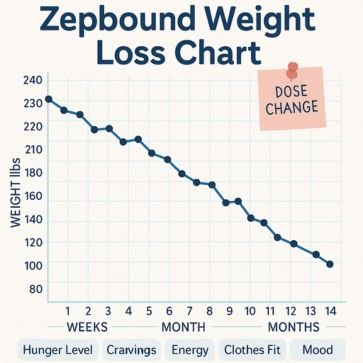
A healthy chart looks like this:
📉 Downward slope over months (not days)
📉 Small dips mixed with flat weeks
📉 Bigger drops after dose increases
📉 Slowdown in months 7–12
📉 Long-term trend remains downward
This is the kind of chart that helps you stay encouraged instead of discouraged.
Why This Method Helps You Stay Motivated (Even on Slow Weeks)
Most people quit weight-loss efforts because the scale lies to them.
But when you track real trends, you begin to see:
- “Oh, my hunger dropped this week—that matters.”
- “My waist is smaller even if the scale paused.”
- “I didn’t binge this weekend—that’s progress.”
A smarter chart shows progress in every direction, not just pounds.
And when you start to recognize all the ways Zepbound is helping—not just the number on the scale—you stay motivated through the entire journey.
What to Expect on the 5 mg Dose: Zepbound 5 mg Weight Loss Insights
The 5 mg Dose Is When Many People Say “It Finally Kicked In”
If you’re moving up to the 5 mg dose of Zepbound, this is usually the point where most people notice a real shift.
The starter dose (2.5 mg) is mainly for getting your body used to the medication, but 5 mg is the first dose with meaningful therapeutic effect—especially for appetite regulation and cravings.
Most people describe this transition as:
- “I’m finally not thinking about food all day.”
- “I’m getting full fast—way faster than before.”
- “I feel more in control around food.”
This isn’t magic. It’s your hunger and fullness hormones stabilizing, which is exactly how Zepbound is designed to work.
Looking for additional, evidence-informed support alongside Zepbound? You can explore LeanBliss as a complementary option focused on sustainable weight management and healthy metabolic habits.
Realistic Weight Loss on 5 mg: Not Dramatic, But Definitely Noticeable
The Zepbound weight loss program tends to accelerate during the 5 mg phase because the medication is now strong enough to:
- Quiet your appetite
- Reduce portion sizes naturally
- Help you feel satisfied longer
- Lower impulsive or emotional eating
- Improve energy and reduce blood sugar spikes
Most people begin noticing:
- More consistent weekly weight drops
- Looser-fitting clothes
- Less bloating
- Better control over late-night snacking
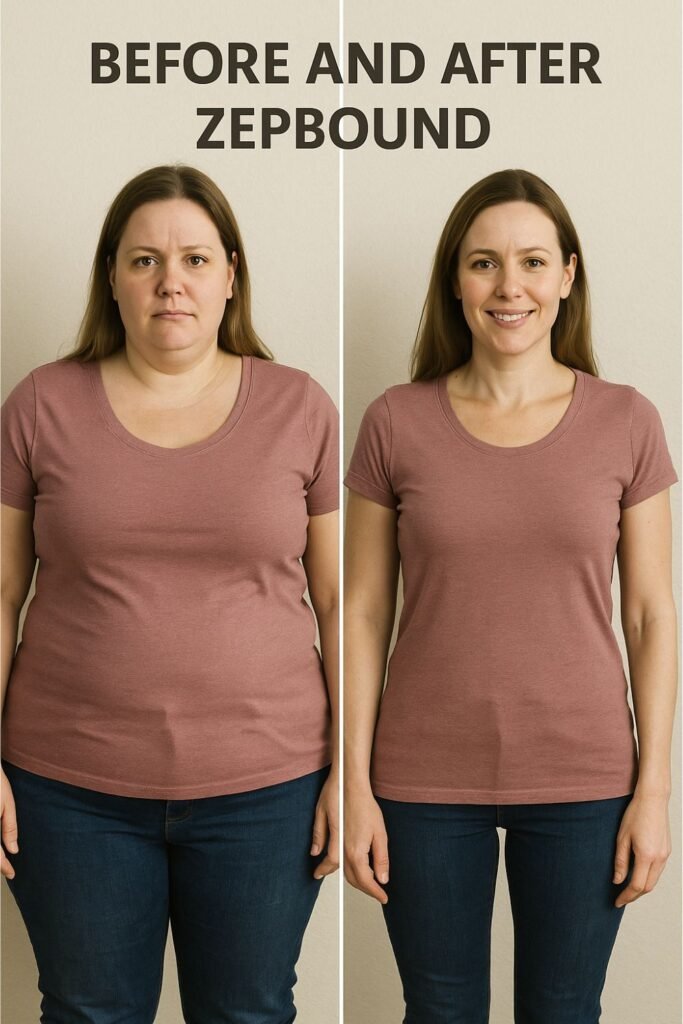
You may not see a dramatic “before/after” in a single month, but you will feel consistent progress rather than frustration.
Common Changes You May Feel on the 5 mg Dose
Not everyone’s experience is identical, but these are the most commonly reported effects when moving from 2.5 mg to 5 mg:
1. Stronger Appetite Suppression
You’ll likely feel full after much smaller meals.
2. Reduced Cravings
Especially sugar, bread, pasta, and fast food cravings.
3. More Sensitive to “Fullness Signals”
People often say they feel full before they finish a plate.
4. Smaller, Steadier Weight Loss Without Trying
This is when the program becomes noticeably easier.
5. A Slight Return of Mild Side Effects
Because the dose increases, you may experience small temporary symptoms:
- Mild nausea
- Early satiety
- Taste changes
- Less interest in food
These usually fade within 1–2 weeks.
Why Your 5 mg Experience May Differ From Others
Your response depends on:
- Metabolism
- Starting weight
- Hormone levels
- Medical conditions
- Dose schedule
- Stress and sleep
- Eating patterns
Some people drop weight quickly on 5 mg, while others see steady progress that ramps up later when doses increase.
Both patterns are normal and equally healthy.
How to Support Your Body on the 5 mg Dose
To make this phase smoother and more effective:
- Keep hydration high
- Focus on protein first
- Eat slowly
- Stop eating once satisfied
- Keep light movement in your routine
- Avoid overeating “because food is there”
Zepbound works best when you listen to your body, not force it.
This Dose Is the Turning Point for Many People
If you feel discouraged because the starter dose didn’t bring big results, the 5 mg phase often changes that.
It’s the point where most people say:
- “Now I see why this program works.”
- “I’m losing weight without feeling miserable.”
- “This is the first time a weight loss plan feels sustainable.”
The 5 mg dose isn’t the final stage—it’s the beginning of meaningful weight loss for many.
Lifestyle Habits That Make the Zepbound Weight Loss Program More Effective
Small Lifestyle Shifts Matter More Than “Perfect Dieting”
One of the biggest misconceptions about the Zepbound weight loss program is that the medication alone will fix everything.
Zepbound absolutely helps—especially with hunger and cravings—but your daily habits determine how smoothly your journey goes.
The goal isn’t perfection.
It’s creating a simple routine your body can rely on.
If you’ve struggled with consistency before, you’re not alone. These habits are intentionally easy, supportive, and realistic for someone who’s still balancing work, stress, and life.
Prioritize Protein at Every Meal (It Boosts Satiety + Preserves Muscle)
Zepbound naturally makes you eat less—but that means every bite counts.
Protein helps you:
- Stay full longer
- Keep stable blood sugar
- Protect muscle as you lose fat
- Reduce cravings
You don’t need high-protein extremes.
Just aim to “place a protein first” at each meal:
- eggs
- Greek yogurt
- chicken or turkey
- cottage cheese
- beans or lentils
- tofu
- fish
Most people on Zepbound say protein is the key to avoiding nausea and lightheadedness.
If you want a deeper look at what to eat while taking Zepbound, check out my full guide on the Zepbound Diet. It breaks down food lists, meal ideas, and tips that pair perfectly with the Zepbound weight loss program.
Eat Slowly and Stop When Comfortable, Not Full
Because Zepbound slows stomach emptying, eating fast can lead to:
- nausea
- discomfort
- overly full feeling
Try this simple trick:
Put your fork down between bites and pause for 5–10 seconds.
Your body will tell you when enough is enough.
This habit alone prevents overeating more than any diet rule ever will.
Hydration Is a Non-Negotiable
When appetite drops, water intake often drops too.
Good hydration:
- reduces side effects
- prevents headaches
- regulates digestion
- improves energy
- reduces fake hunger
Aim for sip-throughout-the-day hydration, not all at once.
Adding electrolytes a few times a week can help noticeably—especially as appetite decreases.
Light Movement Is Better Than Hardcore Workouts
You don’t need intense workouts to lose weight on Zepbound.
In fact, gentle movement works better because it lowers stress hormones and preserves muscle.
Try:
- daily walks (10–20 minutes)
- easy home Pilates
- light strength training 2–3x per week
- yoga or stretching
People are often surprised at how little movement is required for steady progress when hunger is finally under control.
Create a Simple Eating Routine (Not a Strict Diet)
Zepbound works best when your body has predictable patterns.
A simple routine may look like:
- 2–3 meals a day
- no pressure to snack
- high-protein breakfast
- lighter dinner
- stopping when satisfied
You don’t need rules.
Just consistency.
Even small routines improve weight-loss stability.
Support Your Sleep—It Directly Impacts Appetite
Sleep isn’t just “rest.”
It controls two key hormones:
- ghrelin (hunger hormone)
- leptin (fullness hormone)
Even one bad night of sleep can increase cravings by 20–25% the next day according to metabolic studies.
Simple habits help:
- avoid screen time 45 minutes before bed
- keep room cool and dark
- go to sleep around the same time
- limit caffeine after noon
Better sleep = better appetite control = smoother Zepbound results.
Lower Stress to Lower Cravings
Stress raises cortisol, and cortisol raises hunger—especially for sugar and carbs.
You don’t need meditation sessions (unless you want them).
Instead try:
- 5-minute deep breathing
- quiet morning coffee
- spending time outside
- journaling
- listening to music
- saying “no” more often
Even tiny stress-reduction habits help your weight stabilize.
Be Kind to Yourself on Hard Days
Progress on Zepbound isn’t perfectly linear.
Some weeks you’ll drop weight.
Other weeks your body will hold onto water or adjust to a new dose.
You’re not doing this wrong.
You’re just human.
The most successful Zepbound users share one thing in common:
they didn’t quit during the slow weeks.
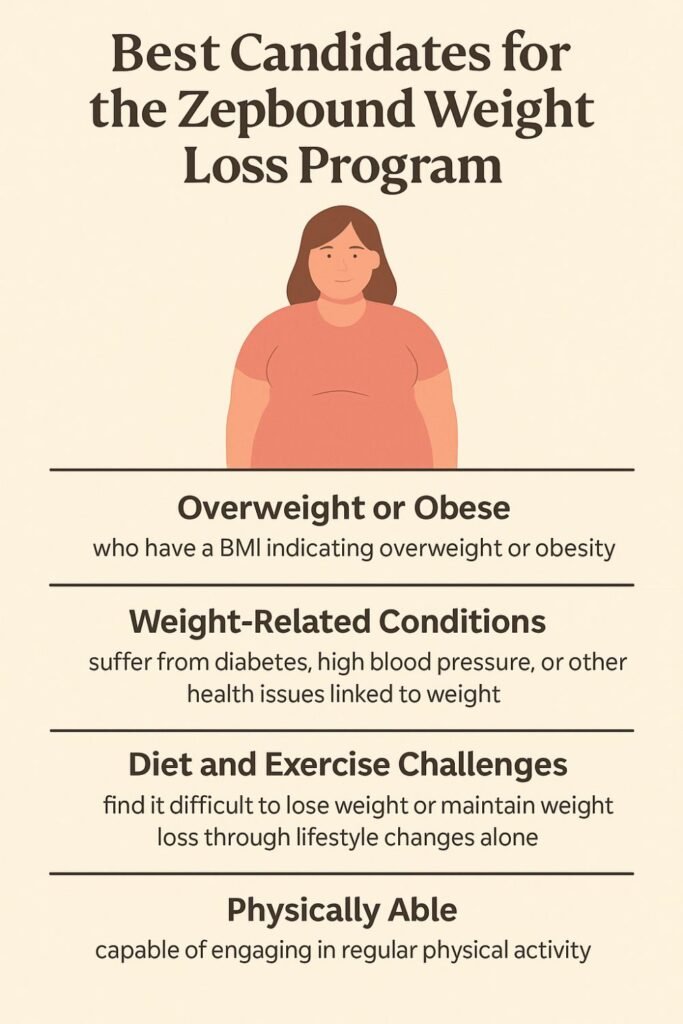
Who Is a Good Candidate for the Zepbound Weight Loss Program?
If You Feel Like You’ve Tried Everything, You’re Not Alone
Before we dive into criteria, here’s something important:
People who join the Zepbound weight loss program are not “lazy” or “undisciplined.”
Most have already:
- tried multiple diets
- joined gyms
- counted calories
- lost weight and regained it
- struggled with cravings
- battled biology that simply wasn’t cooperating
If that sounds like you, you’re already in the same category as many who benefit from Zepbound.
You’re Likely a Good Candidate If You Meet These Medical Criteria
Zepbound is FDA-approved for adults who meet one of the following:
1. A BMI of 30 or higher (obesity)
Whether you’ve been gaining weight steadily over years or struggling since childhood, this qualifies you medically.
Common conditions include:
- prediabetes
- type 2 diabetes
- high blood pressure
- elevated cholesterol
- sleep apnea
- PCOS
- fatty liver disease
- joint pain related to weight
These conditions make weight loss both more important—and more difficult—without medical help.
You May Benefit If Hunger Controls Your Life More Than Willpower
Zepbound is uniquely helpful for people who say:
- “I’m always hungry.”
- “I eat, but never feel full.”
- “Cravings hit me hard at night.”
- “I think about food constantly.”
- “I lose weight, but it never lasts.”
These aren’t character flaws—these are hormonal and metabolic patterns, and Zepbound is specifically designed to target those pathways.
You’re a Strong Candidate If You’ve Hit a Plateau Despite Real Effort
Many people join the program because they’re stuck at the same weight despite truly trying.
Examples include:
- eating healthier but still gaining weight
- weight loss stalling for months
- losing the same 5–10 pounds over and over
- exercising regularly but seeing no change
- emotional eating tied to stress or hormones
Zepbound helps break these cycles by calming hunger signals that diets alone can’t fix.
You May Qualify If You Experience Insulin-Related Weight Struggles
People with insulin resistance often say:
- “I gain weight just looking at carbs.”
- “My appetite feels uncontrollable.”
- “I’m exhausted after meals.”
Zepbound’s dual mechanism (GIP + GLP-1) is especially helpful here because it improves insulin sensitivity while reducing appetite—two targets that traditional diets don’t address.
You Should NOT Use Zepbound If You Have These Conditions
Safety matters. Zepbound is not suitable for people with:
- personal or family history of medullary thyroid cancer
- MEN2 (Multiple Endocrine Neoplasia type 2)
- severe gastrointestinal disease
- pancreatitis history (rare but discuss with your doctor)
- pregnancy or planning pregnancy
A physician will screen for these risks before prescribing.
You’re a Great Candidate If You’re Ready for a Long-Term Solution, Not a Quick Fix
Zepbound works best for someone who understands:
- results take time
- dose increases happen gradually
- lifestyle habits still matter
- plateaus are normal
- the medication is a tool, not magic
If you want a sustainable, science-based program—not another crash diet—then you’re exactly the kind of person Zepbound was made for.
Contraindications
Some People Should NOT Use Zepbound — Safety Comes First
Before starting the Zepbound weight loss program, it’s extremely important to know that this medication is not safe for everyone.
These restrictions aren’t meant to scare you—they’re here to protect people with specific medical risks.
If you fall into any of the categories below, Zepbound is not recommended, and your doctor will typically suggest a different weight-loss approach.
Personal or Family History of Medullary Thyroid Carcinoma (MTC)
This is the most important contraindication listed by the FDA.
You should not take Zepbound if you or a close family member has ever had:
- Medullary thyroid cancer
- A thyroid tumor suspected to be MTC
This is because medications in this class have been associated with thyroid C-cell tumors in animal studies.
Diagnosis of MEN2 (Multiple Endocrine Neoplasia Syndrome Type 2)
MEN2 is a rare genetic condition that affects hormone-producing glands.
People with MEN2 should not use Zepbound due to the increased risk of thyroid-related complications.
Hypersensitivity or Allergy to Tirzepatide
If you have ever had:
- severe allergic reactions
- anaphylaxis
- angioedema
From tirzepatide or any of its ingredients, Zepbound is contraindicated.
Even though allergic reactions are rare, they are serious when they occur.
Pregnancy or Planning Pregnancy
Zepbound is not recommended during pregnancy, because:
- weight loss medications offer no benefit during pregnancy
- animal studies show potential fetal risks
- rapid weight loss can affect fetal development
If you become pregnant while using Zepbound, your doctor will typically advise stopping immediately.
Breastfeeding (Caution Due to Unknown Safety)
We currently do not have enough human data to know whether tirzepatide passes into breast milk.
Most medical providers recommend avoiding it during active breastfeeding until more research becomes available.
Severe Gastrointestinal Disease
Zepbound should be used with caution or avoided in people with:
- severe gastroparesis
- major digestive motility disorders
- severe GERD unresponsive to treatment
Because the medication slows stomach emptying, it can worsen these conditions.
Pancreatitis History (Not Absolute, But High Caution)
Zepbound is not officially contraindicated, but doctors are cautious with:
- people who previously had pancreatitis
- people with strong risk factors for pancreatitis
If this applies to you, your healthcare provider will evaluate risk versus benefit carefully.
People Who Cannot Commit to Regular Monitoring
Zepbound requires:
- consistent dose monitoring
- side effect evaluation
- lifestyle guidance
- lab checks (especially if you have diabetes)
If someone cannot safely follow up with a provider, this medication may not be suitable.
Frequently Asked Questions
Can you take Zepbound if you only want to lose 10–15 pounds?
Yes, but only if you meet the medical criteria. Zepbound isn’t prescribed based on the number of pounds you want to lose—it’s prescribed based on your BMI and whether weight is affecting your health. If your BMI is below the eligibility range, your provider may focus on lifestyle changes instead of medication. For someone with overweight or obesity and even a small weight-loss goal, Zepbound may still be appropriate.
Do you regain weight after stopping Zepbound?
Some people do regain weight, but not everyone. Weight regain is more likely if you stop the medication suddenly and return to old eating patterns. The best way to maintain results is to follow a structured transition plan that includes higher protein intake, strength training, and continued tracking of hunger cues. A gradual tapering strategy guided by your provider can also reduce the risk of rebound weight gain.
Is it safe to drink alcohol while taking Zepbound?
Moderate alcohol use is generally safe, but be cautious. Alcohol irritates the stomach and lowers blood sugar—two things Zepbound already influences. Many people find their alcohol tolerance changes, so smaller amounts may hit harder. It’s also easier to get nauseous when combining alcohol with weekly injections. Start slowly and see how your body reacts.
Can Zepbound affect fertility or menstrual cycles?
Yes, rapid weight loss can shift hormone levels, which may improve fertility in some women. For others, hormonal changes may cause temporary irregular cycles while the body adjusts. If you are actively trying to conceive, you should not be using Zepbound, and your provider may recommend stopping it at least 1–2 months before attempting pregnancy.
What happens if you miss a weekly dose of Zepbound?
If less than 96 hours (4 days) have passed, you can take the missed dose when you remember and return to your normal schedule. If more than 96 hours have passed, skip the missed dose and wait for your next scheduled injection. Taking doses too close together increases the risk of nausea and GI issues, so don’t double up.
Can you combine Zepbound with intermittent fasting?
Yes, and many people find it easier to fast once appetite decreases on Zepbound. However, extreme fasting—especially extended or alternate-day fasting—may cause dizziness, dehydration, and low blood sugar when combined with the medication. A safe approach is a simple 12–14 hour overnight fast unless your doctor approves something more intense.
Does Zepbound work even if you don’t exercise?
Yes, it still works for appetite control and weight loss. But people who add even light movement—like walking 20–30 minutes daily—tend to lose weight more steadily and maintain muscle. Strength training enhances results further by preventing muscle loss during caloric deficit. Exercise isn’t required, but it’s a strong accelerator.
Is it normal to feel no appetite at all on Zepbound?
Some individuals experience very strong appetite suppression in the first 1–2 weeks after increasing their dose. It usually evens out as your body adjusts. However, you still need consistent nutrition to prevent nutrient deficiencies and fatigue. If your appetite drops so low that you struggle to reach 1,000 calories per day, your doctor may adjust your dose.
Can Zepbound cause hair shedding?
Yes, but the medication itself isn’t usually the direct cause. Rapid weight loss, calorie deficits, and lower protein intake can all trigger temporary shedding (telogen effluvium). Increasing protein intake, adding a multivitamin, and slowing the rate of weight loss can help. Most people see hair normalize within 3–6 months.
How long do you need to stay on Zepbound?
There is no universal timeline. Some people stay on it for 6–12 months, others for multiple years depending on their goals, weight history, and metabolic health. Obesity specialists often treat Zepbound like long-term therapy—similar to medications for blood pressure or cholesterol—because obesity is a chronic condition. You and your provider decide together when (or if) it’s appropriate to taper off.
Conclusion
The Zepbound weight loss program isn’t just another trend—it’s a medically backed, science-driven approach that gives people real tools to regain control over their health. Whether you’re struggling with constant hunger, insulin resistance, plateaus, or years of weight cycling, Zepbound offers a structured path that actually works with your biology instead of against it. The weekly injections, gradual dose increases, and lifestyle shifts may feel overwhelming at first, but most people quickly find the program becomes easier, more intuitive, and more empowering as their appetite stabilizes and energy returns.
What matters most is understanding that Zepbound isn’t a magic fix—it’s a partnership between the medication, your habits, and the support of a healthcare provider. When you combine the treatment with balanced meals, light movement, realistic expectations, and consistent follow-up, the results can be life-changing. And while everyone’s journey looks different, the goal remains the same: helping you feel healthier, more confident, and more in control of your body.
If you’re considering taking the next step, talk with a qualified clinician about whether the Zepbound weight loss program is right for you. With the right plan, the right support, and the right mindset, this can be the moment where everything finally starts to change for the better.
References
- American Diabetes Association. Tirzepatide and its clinical effects on weight and glycemic control. Diabetes Care.
https://diabetesjournals.org/care - Jastreboff, A. M., et al. (2022). Tirzepatide once weekly for the treatment of obesity — SURMOUNT-1 trial. The New England Journal of Medicine.
https://www.nejm.org/doi/full/10.1056/NEJMoa2206038 - Eli Lilly. Zepbound (tirzepatide) injection prescribing information.
https://pi.lilly.com/ - FDA. FDA approves Zepbound for chronic weight management. U.S. Food & Drug Administration.
https://www.fda.gov/news-events/ - Rubino, D. M., et al. (2021). Effect of tirzepatide on body weight in adults with obesity — SURPASS & SURMOUNT analyses. Lancet.
https://www.thelancet.com/journals/lancet - Cleveland Clinic. Tirzepatide for obesity: Mechanism and effectiveness.
https://my.clevelandclinic.org/health/articles/ - Obesity Society. Guidelines for anti-obesity medications including GLP-1/GIP agonists.
https://www.obesity.org/ - National Library of Medicine. Safety profile of tirzepatide and gastrointestinal side effects.
https://pubmed.ncbi.nlm.nih.gov/ - Johns Hopkins Medicine. Obesity treatment options: GLP-1 and dual-agonist medications.
https://www.hopkinsmedicine.org/health/ - Harvard Health Publishing. Why medications like tirzepatide cause rapid weight loss.
https://www.health.harvard.edu/
