

You wash your hands, you take your vitamins, and you still end up flat on the couch with a box of tissues by February. If that’s your winter every year, the problem probably isn’t willpower — it’s that “boosting” your immune system isn’t really a thing you can do with a single food or a megadose of anything. What you can do is give your immune system the raw materials it needs to do its job well, and a handful of foods do that better than others.
I put this list together from what the research actually supports, not from the “eat this one fruit and never get sick again” claims that circulate every winter. Some of these foods you already have in your kitchen. A few might surprise you.
What “immune-boosting” actually means
Here’s the honest version: there’s no food or supplement that prevents colds and flu outright. Your immune system is a network of cells, not a dial you can turn up. What nutrition can do is make sure that network has what it needs — vitamin C, zinc, vitamin D, protein, and a healthy gut microbiome — so it can respond the way it’s supposed to when a virus shows up. According to the National Institutes of Health, research shows that for most people, vitamin C supplements don’t actually reduce the risk of catching a cold in the first place — but people who take it regularly may get a slightly shorter, milder cold when they do get sick. Starting it after symptoms appear doesn’t do much. That distinction matters, because it’s the difference between food as prevention and food as a false promise.
10 foods worth stocking up on this winter
Here’s where I’d actually spend my grocery budget between now and the end of flu season.
1. Garlic
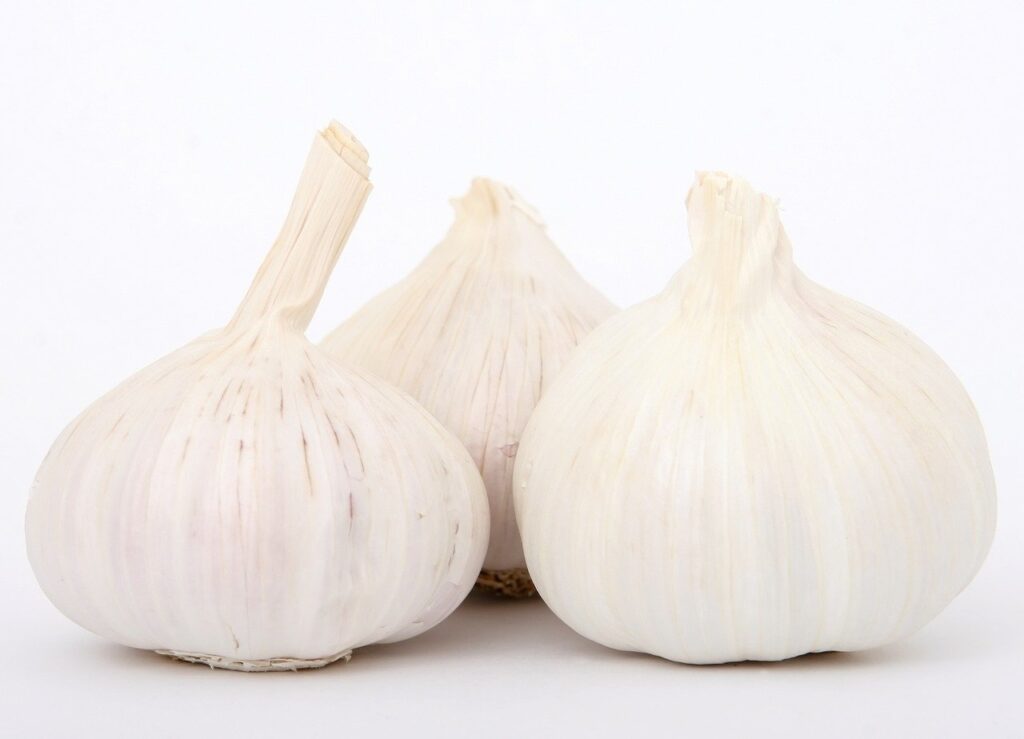
Garlic owes its reputation to allicin, the sulfur compound released when you crush or chop a clove — it’s what gives garlic its bite and its antimicrobial punch against a range of bacteria and viruses. Cooking it whole mutes that effect, so if you want the benefit, crush it and let it sit for about ten minutes before you cook it; that gives the enzyme reaction time to happen.
Garlic can also modestly help with blood sugar and blood pressure, which is part of why it shows up so often in diabetic-friendly meal plans. If you’re managing blood sugar day to day, it’s worth knowing how garlic-heavy dishes fit into a broader diabetic food exchange plan rather than treating it as a stand-alone fix.
2. Citrus fruits
Oranges, grapefruit, tangerines, and lemons are the classic vitamin C sources, and for good reason — a single orange gets you most of the way to the 90 mg men and 75 mg women need per day, according to the NIH’s Office of Dietary Supplements. Vitamin C supports several immune cell functions and acts as an antioxidant, but as I mentioned above, it won’t stop you from catching a cold. What it may do is trim a day or so off how long you’re miserable, if you’re already taking it consistently rather than starting once you feel a scratchy throat coming on.
3. Broccoli and spinach
Broccoli packs vitamins A, C, and E along with fiber and a long list of antioxidants — steaming it lightly rather than boiling it to death preserves more of that. Spinach brings beta-carotene and its own antioxidant profile, and like broccoli, it holds onto more nutrients with a quick sauté than with prolonged cooking. Neither one is a magic bullet, but a diet that regularly includes cruciferous and leafy greens is consistently linked to better overall health markers, immune function included.
4. Red bell peppers
Ounce for ounce, red bell peppers actually contain roughly twice the vitamin C of citrus fruit, plus a solid dose of beta-carotene, which your body converts to vitamin A. Both nutrients play a role in skin and mucosal barrier health — your first line of defense against pathogens is literally the lining of your nose and throat, and it needs nutrients too.
5. Ginger
Ginger’s anti-inflammatory compounds can take the edge off a sore throat and may help settle nausea, which is one reason it’s a go-to when you’re already feeling rough rather than strictly a prevention food. Fresh ginger steeped in hot water with lemon is an easy way to work it in daily through the colder months.
6. Almonds
Almonds are one of the best food sources of vitamin E, a fat-soluble antioxidant that works differently from vitamin C — it needs dietary fat to be absorbed, and unlike water-soluble vitamins, your body can actually store it. A small handful (about 23 almonds, roughly an ounce) covers a meaningful share of your daily vitamin E needs and gives you healthy fats and magnesium in the same bite.
7. Turmeric
Turmeric’s active compound, curcumin, has a genuinely interesting research record. A 2024 meta-analysis of 14 randomized trials found that curcumin supplementation measurably reduced exercise-induced muscle soreness and markers of muscle damage, with the biggest effect showing up 72 to 96 hours after a hard workout — which is exactly when delayed-onset soreness tends to peak. It’s also been studied for joint discomfort, though I’d stop short of calling it a treatment for arthritis; talk to your doctor before using it alongside any prescribed medication, since curcumin can interact with blood thinners.
8. Chicken and bone broth
Chicken soup isn’t just comfort food with a placebo effect attached — the warm fluid helps with hydration and congestion, and chicken itself is a solid source of vitamin B6, which supports the formation of new red blood cells. Broth simmered from the bones adds gelatin and collagen-derived compounds that some research links to gut lining support, which loops back to immune health in a way most people don’t expect (more on that below).
9. Green tea
Green tea’s flavonoids and its signature antioxidant, EGCG, have been studied for a range of effects on immune cell function. It also contains L-theanine, an amino acid that shows up in sleep-quality research — and sleep is one of the biggest, most under-discussed levers for immune resilience. Two or three cups a day is a reasonable amount for most healthy adults; more than that and the caffeine can start interfering with sleep, which works against you.
10. Eggs

Eggs are a complete protein source that also happen to be one of the few naturally occurring food sources of vitamin D — a nutrient tied to immune regulation that a large share of people are actually deficient in, especially in winter when sun exposure drops. They also bring vitamin A, several B vitamins, and choline. If you want to see how eggs stack up against other nutrient-dense staples, I’ve broken down which superfoods your body actually needs in more detail.
The gut connection nobody mentions
This is the part most “immunity food” lists skip entirely: roughly 70 to 80% of your immune cells live in your gut, according to Cleveland Clinic. That’s not a typo — your digestive tract is functionally your largest immune organ. The beneficial bacteria there help train your immune system to tell the difference between harmless substances and actual threats, and they produce short-chain fatty acids that keep your gut lining intact and calm chronic inflammation.
Practically, that means fiber-rich whole foods and fermented foods like plain yogurt, kefir, and sauerkraut deserve a spot on this list as much as any single vitamin does. I’ve put together a longer list of foods that actually support gut health if you want to build this out beyond winter.
Easing sinus and allergy symptoms
Sinus congestion and seasonal allergy flare-ups often get lumped in with “immunity” even though the mechanism is different — allergies are your immune system overreacting, not underperforming. Still, a few food-based habits tend to help people feel more comfortable:
- Oily fish like salmon or sardines for omega-3s, which have anti-inflammatory properties
- Herbal teas — chamomile, green tea, licorice root — for their soothing, anti-inflammatory compounds
- Carrot and tomato juice for a concentrated dose of beta-carotene and vitamin C
- Fresh ginger, added to food or steeped as tea, in reasonable amounts
- Raw onions, which contain quercetin, a compound with antihistamine-like properties in lab studies
- Honey, though evidence for it easing seasonal allergies specifically is mostly anecdotal rather than well-established
- Apples, pineapple, and grapes for their mix of antioxidants and, in pineapple’s case, the enzyme bromelain
If sinus symptoms last more than ten days, come with a fever, or keep coming back, that’s worth a conversation with your doctor rather than another cup of tea — chronic sinusitis and seasonal allergies can look similar from the inside but need different treatment.
Common mistakes people make with “immune-boosting” foods
A few patterns come up again and again when people try to eat their way through cold season:
- Megadosing vitamin C after symptoms start. The research is fairly consistent that this doesn’t do much — consistency before you’re sick matters more than quantity after.
- Ignoring sleep and stress. No food compensates for chronic sleep deprivation, which measurably suppresses immune function on its own.
- Treating supplements as a substitute for food. Whole foods bring fiber, water, and hundreds of other compounds a pill can’t replicate.
- Skipping protein. Your immune system builds antibodies out of protein — a diet too low in it genuinely weakens your response to infection.
What a full day of eating for immune support actually looks like
It’s easier to picture this as a full day rather than a list of ten disconnected foods. Here’s a realistic example that works most of these foods in without turning your meals into a supplement regimen:
- Breakfast: Two eggs, a handful of spinach cooked in, and a piece of fruit like an orange or kiwi for vitamin C.
- Lunch: A bowl with grilled chicken, roasted red bell pepper and broccoli, and a small side of plain yogurt or kefir for the gut-health angle.
- Snack: A small handful of almonds and a piece of fruit, or a mug of ginger tea if it’s cold out.
- Dinner: Bone broth-based soup with garlic, ginger, and turmeric stirred in, plus a protein source and a green vegetable.
- Throughout the day: Water first, one or two cups of green tea if you tolerate caffeine well, and an actual bedtime that gets you seven-plus hours of sleep.
Notice that nothing in that day requires a special ingredient or a trip to a supplement shop. That’s intentional — the food-first approach is both cheaper and better supported by evidence than most of what gets marketed as an “immunity stack.”
A simple winter food checklist
If you don’t want to overhaul your whole diet, aim for this most days between now and spring: one vitamin-C-rich food, one source of healthy fat (almonds, olive oil, fatty fish), a serving of fermented or fiber-rich food for your gut, enough protein at each meal, and seven to eight hours of sleep. That combination does more for you than any single “superfood” ever will.
What’s actually new in immune nutrition this year
The food industry has shifted its language lately, and it’s worth understanding why. You’ll increasingly see “immune resilience” or “immune support” on labels instead of “boost,” because regulators have pushed back on the idea that any product can meaningfully strengthen an already-healthy immune system. The more useful trend underneath that marketing shift is personalization — researchers are paying more attention to how gut bacteria composition varies person to person, which is part of why a food that helps one person’s digestion and inflammation levels barely moves the needle for someone else. Postbiotics (the compounds beneficial bacteria produce, rather than the bacteria themselves) are also getting more research attention as a more stable, shelf-friendly way to get some of the same gut benefits as fermented foods, though the evidence there is still younger than the evidence for whole fermented foods themselves.
None of that changes the basics in this article — it just confirms that whole foods, sleep, and gut health are where the real research money is going, not toward a single miracle ingredient.
Quick answers to common questions
Can you actually boost your immune system in a day or two?
No, and I’d be skeptical of anything that claims otherwise. Immune cells take time to develop and respond; a single smoothie or supplement dose doesn’t change that timeline. What you can do quickly is stop actively working against your immune system — get more sleep tonight, hydrate, and eat something with protein and vitamin C instead of skipping meals.
Is orange juice a good source of vitamin C, or is whole fruit better?
Whole citrus fruit is generally the better choice. You get the same vitamin C along with fiber that slows sugar absorption and supports the gut bacteria discussed above, without the extra sugar and calories that come with a full glass of juice.
Do elderberry or zinc lozenges actually work?
Some small studies suggest zinc lozenges taken within 24 hours of symptom onset may shorten a cold by a day or so, similar to the modest effect seen with vitamin C. I’d treat both as minor symptom-management tools rather than something to rely on instead of the food habits above, and I wouldn’t take zinc long-term without talking to a doctor, since high doses can interfere with copper absorption.
The bottom line
None of these foods will make you immune to winter colds — nothing will. What they do is stack the odds in your favor: fewer nutrient gaps, a healthier gut, better sleep from things like L-theanine in green tea, and a body that’s genuinely better equipped to fight off what it’s exposed to. That’s a more honest promise than “boost your immunity overnight,” but it’s also the one backed by actual evidence.
