

Searching for herbs for low cortisol usually means one thing: you want to bring a stress-driven cortisol level down, and that is how I use the phrase in this guide. There is a catch most herb lists skip, though. Genuinely low cortisol is a separate medical condition, and a few popular herbs can work against you if that is what you have.
I’m Dr. Nada, a pharmacist (BPharm, Cairo University) certified in Nutrition Science and Obesity Management. I went through the human research on 13 popular herbs, sorted them by how much evidence they really have, and flagged who should skip each one. The short version: ashwagandha has the most direct cortisol data, rhodiola is less proven than its marketing suggests, and licorice belongs on the “be careful” list rather than the “lowers cortisol” list.
High Cortisol vs. Low Cortisol: Check Which One You Mean
Cortisol is a hormone made by your adrenal glands. It follows a daily rhythm, highest soon after you wake and lowest at night. Ongoing stress and poor sleep can keep it higher than it should be, and that is the problem nearly every herb below is marketed for.
Low cortisol is something else. The NIDDK lists the symptoms of adrenal insufficiency as long-lasting fatigue, muscle weakness, loss of appetite, weight loss, low blood pressure that drops further when you stand up, salt cravings and low blood sugar. The most common cause overall is suddenly stopping corticosteroid medicine that was taken for a long time, and Addison’s disease is mostly autoimmune. You can read the full list in the NIDDK overview of adrenal insufficiency.
Fatigue and poor sleep show up on both lists, and on a dozen other lists too, so symptoms alone cannot tell you which situation you are in. Only a doctor can test it. If you get dizzy when you stand, crave salt, are losing weight without trying, or recently stopped steroid medicine, see your doctor before taking any herb. A herb that lowers cortisol is the wrong direction for that problem.
What the Research Actually Shows About Herbs and Cortisol
Here is the part that surprised me when I went through the studies: only one herb on this list has a real body of human trials that measured cortisol itself.
A 2023 systematic review in Nutrients looked at nine human trials of ashwagandha in stressed adults. Seven measured plasma cortisol and all seven reported a drop, with durations between about 30 and 90 days. The two studies that measured salivary cortisol disagreed. The authors also point out the limits: cortisol was not always sampled at a consistent time of day, no study checked adrenal function, one case report described reduced adrenal function after roughly ten weeks of use, and the long-term effects are unknown. You can read it in Cazzola et al., Nutrients 2023.
Rhodiola is the one most often sold as a cortisol herb, yet a systematic review of 11 trials on rhodiola for fatigue rated the quality of every study as weak and called the evidence contradictory and inconclusive. For the rest of the herbs in this guide, the honest summary is traditional use plus small studies on anxiety, calm or sleep, with little or no direct cortisol measurement.
That does not make them useless. A calmer evening and better sleep are one of the real ways cortisol comes down. It just means “lowers cortisol” is a claim I will only make for ashwagandha, and even there with caveats.
| Herb | Best-supported use | Direct cortisol evidence | Main caution |
|---|---|---|---|
| Ashwagandha | Stress and anxiety | Several short human trials | Rare liver injury; avoid with liver disease |
| Rhodiola | Fatigue | Inconclusive | Evidence is low quality |
| Holy basil (tulsi) | Traditional stress support | Limited | Mention it to your pharmacist if you take medicines |
| Lemon balm | Calm, mild anxiety | Limited | Can add to drowsiness |
| Chamomile | Relaxation, sleep | Limited | Avoid if allergic to ragweed-family plants |
| Lavender | Anxiety, sleep | Limited | Oral products vary a lot in quality |
| Magnolia bark | Calm | Limited | Can be sedating |
| Valerian | Sleep | Limited | Can add to sedative medicines |
| Passionflower | Anxiety | Limited | Can be sedating |
| Schisandra | Traditional tonic | Limited | Little human safety data |
| Ginseng | Fatigue, focus | Mixed | Can interact with blood thinners and diabetes medicines |
| Reishi | Traditional tonic | Limited | Little human safety data |
| Licorice root | Digestion, throat | Not a cortisol-lowering herb | Raises blood pressure, lowers potassium |
The Herbs With the Most Research
Ashwagandha
Ashwagandha is the herb to start the conversation with, because it is the one with the cortisol trials described above. People take it for stress, anxiety and sleep, and in the studies that measured it, plasma cortisol came down over one to three months.
Watch for: LiverTox, the NIH liver-safety database, rates ashwagandha as a likely but rare cause of liver injury, usually showing up two to twelve weeks after starting, and says to avoid it with cirrhosis or advanced liver disease. Mislabelled or contaminated products are part of the problem. Stop it and call your doctor if you notice yellow skin or eyes, dark urine or itching. Details are in LiverTox: Ashwagandha.
Rhodiola Rosea
Rhodiola comes from cold, high-altitude regions and is popular for the “worn out but wired” feeling. Some trials suggest less mental fatigue, but as noted above, the quality is poor and the results contradict each other. I would treat it as an experiment, not a proven fix.
Watch for: because the evidence is weak, do not stack it with other herbs hoping for a combined effect. Start one at a time.
Holy Basil (Tulsi)
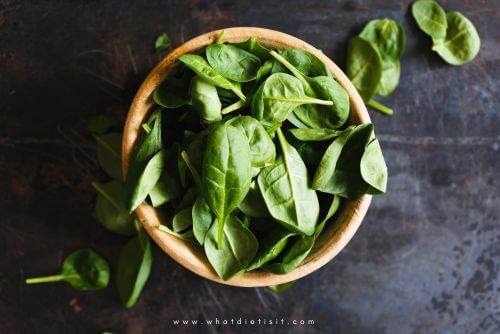
Tulsi is a staple of Ayurvedic tradition and a pleasant tea. Small studies suggest it may ease feelings of stress, but I could not find strong trials that track cortisol, so I would not promise a hormonal effect. It is one of the easiest herbs to try as a daily tea because the amount in a cup is gentle.
Watch for: herbs can interact with prescription medicines, so mention tulsi to your pharmacist if you take any.
If you would rather not buy several bottles, one blended option is CortiSync. The manufacturer lists Sensoril ashwagandha, holy basil, rhodiola, lemon balm, magnolia, L-theanine and litchi, with two capsules taken with a meal. The claims on the sales page come from the company, not independent trials, and it carries the usual statement that it is not meant to diagnose, treat, cure or prevent disease. It has the same cautions as its individual ingredients, so it is not for pregnancy, liver disease, or true low cortisol.
Disclosure: this post contains affiliate links. If you buy through them I may earn a small commission at no extra cost to you. You can read more on my affiliate disclosure page.
Calming Herbs: Better for Sleep and Nerves Than for Cortisol
These six herbs are mainly about feeling calmer. If stress is keeping you awake, calmer sleep is a legitimate route to lower evening cortisol, so they have a place, but I will not pretend they have been shown to lower the hormone.
Lemon Balm
A gentle citrus-scented herb in the mint family, usually taken as tea or in blends. Small studies point to a calming effect and mild help with restlessness. Watch for: it can add to the drowsiness from sleep or anxiety medicines.
Chamomile
The classic bedtime tea. There is modest evidence for easing anxiety, and a warm ritual before bed helps on its own. Watch for: it is related to ragweed, so people with ragweed or daisy-family allergies can react.
Lavender
Lavender aromatherapy is harmless for most people, and some trials have tested a standardized oral lavender oil for anxiety. Watch for: oral lavender products vary widely, so a random capsule is not the same as the product tested. Do not swallow essential oil.
Magnolia Bark
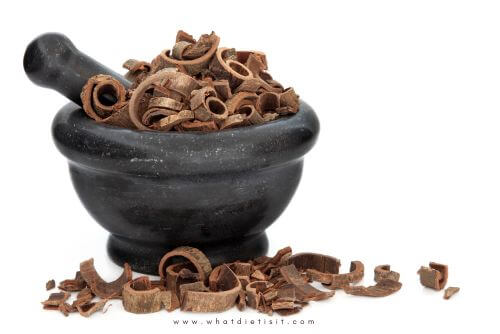
Magnolia bark is used in traditional Chinese medicine, and it is one of the ingredients in blended stress formulas. Human data are limited. Watch for: it can be sedating, so avoid combining it with sleep aids.
Valerian Root
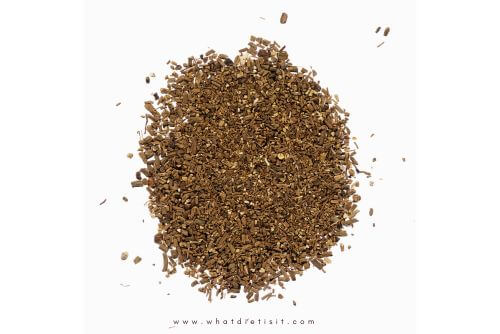
Valerian is mostly used for sleep, and trials give mixed results. Being natural does not make it a risk-free sleeping pill. Watch for: it can add to the effect of sedatives, so check with your pharmacist first.
Passionflower
A traditional calming herb with small trials on anxiety. Watch for: it can make you drowsy, and it is not well studied in pregnancy.
Herbs With Weaker Evidence or Real Cautions
Schisandra
A berry used as a tonic in traditional Chinese medicine, sold as an adaptogen. Human data on stress and cortisol are thin. Watch for: little safety information in pregnancy or alongside medicines, so keep it to the “ask first” list.
Ginseng
Ginseng is mostly studied for fatigue and focus, with mixed results. Watch for: it can interact with blood thinners such as warfarin and with diabetes medicines, so talk to a doctor or pharmacist before taking it.
Reishi Mushroom
Reishi has a long history in traditional medicine and a lot of marketing about immunity, but good human trials on stress and cortisol are lacking. I would not rely on it for that purpose.
Licorice Root
Licorice is the one I would most like to move out of the “lowers cortisol” category. The sweet compound in licorice, glycyrrhizin, interferes with how the body switches cortisol off in the kidney. That can push blood pressure up and potassium down. A case report in CMAJ describes a man who ended up in hypertensive emergency after drinking a homemade licorice extract daily for about two weeks, with a potassium of 2.5 mmol/L. See the CMAJ case report.
Watch for: skip licorice if you have high blood pressure, heart or kidney disease, take blood pressure medicine or diuretics, or are pregnant. Do not use it to treat low cortisol on your own.
How to Try a Herb Without Learning the Hard Way
The goal is to find out whether one herb helps you, and to be able to stop it quickly if it does not. Here is the approach I would suggest, based on how supplements and medicines interact.
- Talk to your doctor or pharmacist first if you take any prescription medicine, are pregnant or breastfeeding, have liver, kidney, heart or thyroid conditions, or have a surgery coming up. Tell the surgical team about any supplement.
- Add one herb at a time, and give it a few weeks before judging it. The ashwagandha trials ran 30 to 90 days.
- Choose products with third-party testing, such as USP or NSF marks, because LiverTox notes that commercial herbal products can be mislabelled or contaminated.
- Follow the label rather than internet dosing advice. I am not recommending a dose here, because the right amount depends on the product and on you.
- Stop and call a professional if you develop a rash, yellow skin or eyes, dark urine, palpitations, severe headaches or unusual drowsiness.
Herbs Are the Smallest Lever
If your cortisol is high because of stress, a tea will not undo a week of five-hour nights. Sleep, caffeine timing, regular meals and a bit of daily movement do more. If you want food-based support, start with my low cortisol diet meal plan and the list of low cortisol snacks. If the stress shows up around your middle, my guide to cortisol belly covers that. And if you are not sure how stressed you really are, the stress level quiz is a decent starting point. Short sleep is also tied to extra appetite, as I explain in why sleep deprivation causes weight gain.
Frequently Asked Questions
Can herbs for low cortisol help if I actually have low cortisol?
No. Herbs sold to lower cortisol are the wrong tool for adrenal insufficiency, which needs medical diagnosis and treatment. If you have symptoms such as dizziness on standing, salt cravings or unexplained weight loss, see a doctor.
How long does ashwagandha take to lower cortisol?
In the trials reviewed in Nutrients, durations ran from about 30 to 90 days. A few days of use will not tell you much, and the long-term effects are unknown.
Can I take more than one herb at a time?
It is better not to. Combining sedating herbs such as valerian, passionflower and magnolia can make you drowsy, and when you take several at once you cannot tell which one is helping or causing a problem.
Do these herbs interact with medicines?
Some do. Ginseng can interact with blood thinners and diabetes medicines, licorice interacts with blood pressure treatment, and calming herbs can add to sedatives. Ask your pharmacist to check your own list.
Are these herbs safe in pregnancy or while breastfeeding?
There are not enough good safety data for most of them, and ashwagandha and licorice are best avoided unless your doctor says otherwise. Ask your doctor before using any herbal supplement.
The Bottom Line
Ashwagandha is the only herb here with human trials that actually measured cortisol, and even those are short and imperfect. The rest are best viewed as calming habits. Make sure your problem really is high cortisol, pick one herb, check it against your medicines, and let sleep and food do the heavy lifting.
Last reviewed: October 2026.
Written by Dr. Nada Ahmed El Gazaar, BPharm — a pharmacist certified in Nutrition Science (Zewail International Academy) and Obesity Management (EPSN Academy), who works with nutrition clients online. This article is educational and not a substitute for personal medical advice.
References
- Cazzola R et al. Withania somnifera (ashwagandha) and cortisol in stressed adults: a systematic review. Nutrients, 2023.
- Ross SM. Systematic review of Rhodiola rosea for fatigue. PMC.
- NIH LiverTox. Ashwagandha. National Library of Medicine.
- Hypertensive emergency after homemade licorice extract: case report. CMAJ.
- NIDDK. Symptoms and causes of adrenal insufficiency and Addison’s disease.
