

Bariatric full liquid diet menu pdf might not sound exciting, but if you’ve just had weight loss surgery, you already know this stage is a big deal. Imagine this: you’re home after surgery, your stomach feels sensitive, and suddenly even sipping water feels different. You’re told solids are off-limits for now, but you still need protein, hydration, and nutrients to heal. That’s where a clear, structured liquid diet plan becomes your lifeline. Having a bariatric full liquid diet menu pdf in your hands takes the guesswork out—it tells you what you can drink, how often, and how to get enough protein without feeling overwhelmed. This plan helps you avoid complications, keeps your energy steady, and reassures you that you’re on the right track during those tough first weeks.
Contents
- 1 What Is a Bariatric Full Liquid Diet Menu?
- 2 Why the Full Liquid Diet Stage Matters After Bariatric Surgery
- 3 Key Foods and Drinks Included in a Bariatric Full Liquid Diet
- 4 Sample Daily Bariatric Full Liquid Diet Breakdown
- 5 Common Challenges and How to Overcome Them
- 6 Where to Find and Download a Bariatric Full Liquid Diet Menu PDF
- 7 Frequently Asked Questions
- 7.1 Can I add protein powder to my bariatric full liquid diet?
- 7.2 How long do I usually stay on a full liquid diet after bariatric surgery?
- 7.3 Can I drink coffee or tea on a bariatric full liquid diet?
- 7.4 What happens if I eat solid food too early?
- 7.5 Are smoothies allowed on a bariatric full liquid diet?
- 7.6 How much liquid should I drink each day?
- 8 Conclusion
What Is a Bariatric Full Liquid Diet Menu?
A bariatric full liquid diet menu is a carefully planned eating phase that comes right after bariatric surgery (like gastric bypass or sleeve gastrectomy). During this stage, patients are limited to smooth liquids and foods with no solid chunks, which makes it easier for the healing stomach to handle nutrition without strain.
It usually includes:
- Broths and strained soups (low-fat, no chunks).
- Protein shakes (to support healing and prevent muscle loss).
- Milk, yogurt, or lactose-free alternatives (smooth texture only).
- Sugar-free gelatin or pudding.
- Diluted fruit juices (without pulp, and usually in small amounts).
The goal of this diet isn’t just to give your stomach time to heal, but also to help you stay hydrated, meet protein needs, and prepare for the next stage—soft and pureed foods. Typically, patients follow this stage for about 1–2 weeks, but the exact timeline depends on the surgeon’s recommendations.
Why the Full Liquid Diet Stage Matters After Bariatric Surgery
The full liquid diet stage after bariatric surgery is more than just a list of food rules—it’s a critical part of your healing journey. Think of it as a bridge between the clear liquid phase (right after surgery) and the soft foods stage. Your new stomach pouch is still very delicate, and introducing solids too early could cause pain, nausea, or even complications like leaks.
This stage matters for several key reasons:
- Healing protection – Liquids reduce strain on your healing stomach and surgical staples.
- Nutrition support – Protein shakes and smooth liquids give your body the protein, vitamins, and hydration it needs while you can’t eat solids.
- Building habits – It’s a chance to learn mindful eating (small sips, slow intake) and set the stage for lifelong habits after bariatric surgery.
- Preventing complications – Skipping this step or “cheating” with solid foods too soon can increase risks of blockages, vomiting, or delayed healing.
Most patients stay on the full liquid diet for about 1–2 weeks, but it depends on the surgeon’s instructions and individual recovery. It may feel restrictive, but remember—it’s temporary and designed to set you up for long-term success with your weight loss journey.
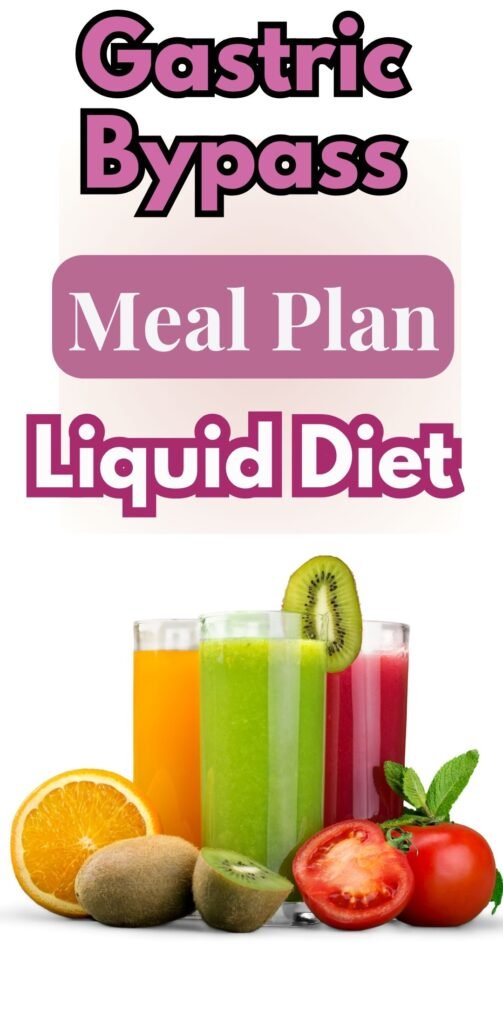
Key Foods and Drinks Included in a Bariatric Full Liquid Diet
The bariatric full liquid diet may feel limiting at first, but it’s designed to give your body the nutrients, hydration, and protein you need while your stomach heals. During this stage, everything should be smooth, lump-free, and easy to sip slowly.
Protein-rich liquids:
- Whey or plant-based protein shakes (sugar-free, low-fat).
- High-protein drink mixes recommended by your bariatric team.
- Skim or lactose-free milk, or unsweetened soy/almond milk.
Nutritious soups and broths:
- Strained, blended soups (like cream of chicken, cream of mushroom).
- Clear broths (chicken, beef, or vegetable).
- Low-sodium consommé.
Smooth dairy options:
- Plain Greek yogurt thinned with milk.
- Sugar-free pudding (very soft and smooth).
- Low-fat cottage cheese blended until smooth.
Hydrating liquids:
- Water (small, slow sips throughout the day).
- Sugar-free flavored water or electrolyte drinks.
- Herbal teas, caffeine-free and unsweetened.
Other approved items:
- Unsweetened applesauce or thinned fruit purée (no chunks).
- Sugar-free gelatin.
- Decaf coffee (only if cleared by your doctor).
⚠️ Avoid: carbonated drinks, sugary juices, alcohol, high-fat cream soups, and any food with lumps or solid pieces.
This stage is less about variety and more about healing and hydration. Think of it as giving your stomach the calm environment it needs to recover while still fueling your body.
Related: Gastrointestinal Soft Diet Food List: 25 Easy-to-Digest Foods for Sensitive Stomachs
Sample Daily Bariatric Full Liquid Diet Breakdown
This is just an example of how a full liquid day might look after bariatric surgery. Always follow your surgeon or dietitian’s exact instructions.
Breakfast (8:00 AM)
- ½ to 1 cup protein shake made with skim or lactose-free milk (around 20g protein).
- Sip slowly over 30 minutes.
Mid-Morning Snack (10:30 AM)
- ½ cup sugar-free Greek yogurt thinned with milk.
- Herbal tea or water, sipped slowly.
Lunch (1:00 PM)
- 1 cup strained cream of chicken soup or vegetable broth.
- Add unflavored protein powder if approved.
Afternoon Snack (3:30 PM)
- ½ cup sugar-free pudding or blended cottage cheese.
- Water or electrolyte drink (no carbonation, no sugar).
Dinner (6:00 PM)
- 1 cup strained cream of mushroom soup or clear consommé.
- Optional: thinned applesauce (unsweetened, smooth).
Evening Snack (8:30 PM)
- ½ cup protein shake or sugar-free gelatin.
- Warm decaf herbal tea to relax.
💡 Tips to Remember:
- Aim for 60–80g of protein per day, depending on your care team’s advice.
- Take tiny sips, no straws, and avoid gulping.
- Spread fluids out during the day—don’t drink with meals.
- Total fluid intake goal is usually around 48–64 oz daily.
Related: Liquid Diet for Constipation: Quick Relief Plan & Safe Options
Common Challenges and How to Overcome Them
Transitioning to a bariatric full liquid diet menu pdf stage can feel overwhelming. Many patients share the same struggles, but the good news is there are practical ways to overcome them:
1. Feeling Hungry Too Soon
Even though liquids are easier to digest, they may leave you feeling hungry quickly. To help:
- Prioritize protein-rich liquids like shakes, strained Greek yogurt, or bone broth.
- Space your “meals” every 2–3 hours to stay satisfied.
2. Taste Fatigue
Drinking the same soups and shakes day after day can get boring.
- Try flavor drops (sugar-free) to change the taste of your water.
- Rotate between savory (soups, broths) and sweet (protein shakes, sugar-free puddings) options.
- Experiment with different protein shake flavors or blend with unsweetened almond milk for variety.
3. Nausea or Fullness
It’s common to feel queasy or overly full in the early days.
- Sip slowly—take at least 20–30 minutes to finish each serving.
- Avoid using straws or gulping, as this can add air and discomfort.
- Stick to room temperature liquids if hot or cold ones trigger nausea.
4. Meeting Protein Goals
Getting enough protein (often 60–80g per day) can be tricky.
- Add unflavored protein powder to soups or sugar-free puddings.
- Choose high-protein shakes that offer at least 20g per serving.
- Keep a daily tracker (many surgeons recommend a log or app) to make sure you’re on track.
5. Social and Emotional Challenges
Watching family or friends eat solid foods while you’re on liquids can be frustrating.
- Remind yourself this phase is temporary—it usually lasts 1–2 weeks.
- Join a bariatric support group (online or in person) to share tips and stay motivated.
- Celebrate small victories like finishing your protein goal for the day.
💡 Takeaway: These challenges are normal, but with planning, creativity, and support, you can get through the full liquid stage successfully—and set the stage for long-term success after bariatric surgery.
Where to Find and Download a Bariatric Full Liquid Diet Menu PDF
Frequently Asked Questions
Can I add protein powder to my bariatric full liquid diet?
Yes, protein powder is often recommended during the full liquid diet stage after bariatric surgery. It helps you meet your protein needs (usually around 60–80g daily) when chewing solid foods isn’t allowed yet. Always choose unflavored or bariatric-approved powders and mix them with low-fat milk, broth, or sugar-free beverages.
How long do I usually stay on a full liquid diet after bariatric surgery?
Most patients stay on a full liquid diet for about 1–2 weeks, but the exact duration depends on your surgeon’s instructions and how well your body is healing. Some doctors may adjust the time frame if they see you need more recovery before moving on to soft or pureed foods.
Can I drink coffee or tea on a bariatric full liquid diet?
You can usually drink decaf coffee or tea, but it’s best to avoid caffeinated drinks right after surgery because caffeine can dehydrate you and irritate your stomach. If you want flavor, try herbal teas without added sugar.
What happens if I eat solid food too early?
Eating solid food before your stomach heals can cause nausea, vomiting, pain, or even complications at the surgical site. That’s why it’s important to follow the liquid-to-soft-to-solid food progression step by step.
Are smoothies allowed on a bariatric full liquid diet?
Yes, but only if they are completely smooth with no chunks, seeds, or skins. Use low-fat yogurt or milk as a base, add protein powder if needed, and avoid high-sugar fruits or sweeteners. Strain them if necessary to make sure the texture is safe.
How much liquid should I drink each day?
Most doctors recommend sipping at least 48–64 ounces of fluid daily to prevent dehydration. Take small sips throughout the day since your stomach can’t handle large amounts at once.
Conclusion
Wrapping up, following a bariatric full liquid diet menu pdf can feel like a big adjustment, but it’s an essential step for healing and setting yourself up for long-term success after surgery. This stage isn’t just about sipping soups and shakes—it’s about giving your body the fuel it needs while protecting your new stomach. With the right plan, protein-rich liquids, and plenty of hydration, you’ll stay on track and ease the transition to soft foods and beyond.
Remember, every bariatric journey is unique, so always follow your healthcare team’s guidance. If you’re looking for structure, having a bariatric full liquid diet menu pdf on hand makes it easier to plan your day, reduce stress, and stay focused on your goals. With patience, consistency, and the right support, this stage will soon be behind you—and you’ll be one step closer to the healthier life you’ve worked hard for.
