
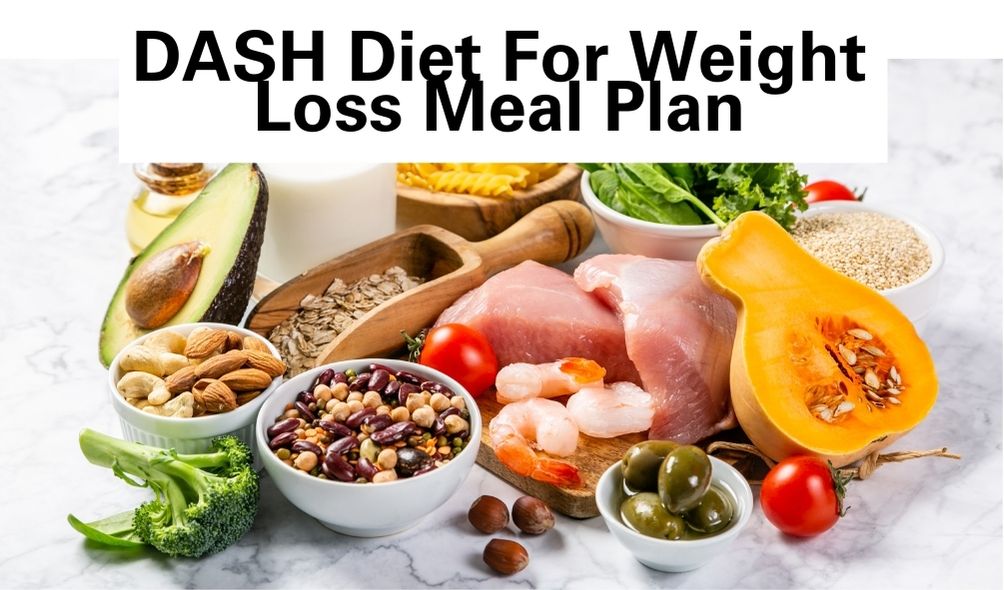
The DASH diet — short for Dietary Approaches to Stop Hypertension — was originally developed to help lower high blood pressure. However, over the years, research has shown that it offers benefits far beyond blood pressure control. It can improve cholesterol levels, support heart health, reduce insulin resistance, and help with sustainable weight loss.
Unlike restrictive diets that eliminate food groups or drastically cut carbohydrates, the DASH diet focuses on food quality, portion balance, and sodium reduction. Because it is nutritionally balanced and sustainable, it can be followed long-term — making it particularly suitable for individuals who want to lose weight without extreme deprivation.
In this article, we’ll break down:
- Practical tips to personalize it safely
- How the DASH diet supports weight loss
- What foods are included (and limited)
- A structured 7-day DASH meal plan
Contents
- 1 What Is the DASH Diet?
- 2 Can the DASH Diet Help With Weight Loss?
- 3 Potential Health Benefits Beyond Weight Loss
- 4 7-Day DASH Meal Plan for Weight Loss
- 5 How to Customize DASH for Your Goals
- 6 FAQs About the DASH Diet
- 6.1 Is the DASH diet suitable for people who don’t have high blood pressure?
- 6.2 How fast can you lose weight on the DASH diet?
- 6.3 Can you follow the DASH diet without counting calories?
- 6.4 Is the DASH diet considered low-carb?
- 6.5 Can the DASH diet help reduce belly fat?
- 6.6 Is it okay to drink coffee on the DASH diet?
- 6.7 Can you follow the DASH diet if you are lactose intolerant?
- 6.8 Does the DASH diet work for people with hypothyroidism?
- 6.9 Is the DASH diet safe for people with kidney problems?
- 6.10 Can you do the DASH diet while fasting (intermittent fasting or Ramadan)?
- 6.11 What is the biggest mistake people make on the DASH diet?
- 6.12 Can you meal prep the DASH diet?
- 7 Final Thoughts
- 8 References
What Is the DASH Diet?
The DASH diet is a healthy eating pattern originally created to help lower high blood pressure. DASH stands for Dietary Approaches to Stop Hypertension.
Instead of focusing on strict restrictions or cutting out entire food groups, the DASH diet emphasizes:
- Vegetables and fruits
- Whole grains
- Low-fat dairy
- Lean protein (fish, chicken, beans)
- Nuts and seeds
- Healthy fats (like olive oil)
At the same time, it limits:
- High-sodium foods
- Processed foods
- Sugary drinks and sweets
- Excess saturated fat (like fatty meats and full-fat dairy)
Because it’s balanced, nutrient-dense, and easy to follow long-term, the DASH diet is often recommended not only for blood pressure, but also for overall heart and metabolic health.
Can the DASH Diet Help With Weight Loss?
Yes, the DASH diet can support weight loss — even though it was originally designed to lower blood pressure, not specifically for fat loss.
Weight loss occurs with the DASH diet because it naturally improves diet quality and reduces calorie density. It emphasizes high-fiber foods like vegetables, fruits, and whole grains, which increase fullness and help control appetite. At the same time, it limits processed foods, added sugars, and high-fat fast foods that are typically calorie-dense.
Several factors make DASH helpful for weight management:
- Higher fiber intake improves satiety and reduces overeating
- Lean protein sources help preserve muscle mass during weight loss
- Reduced sodium intake may decrease water retention
- Balanced macronutrients prevent extreme hunger or energy crashes
- Sustainable structure makes long-term adherence easier
However, portion control still matters. The standard DASH plan is around 2,000 calories per day. If weight loss is the goal, total calorie intake may need to be moderately adjusted based on age, sex, activity level, and metabolic needs.
Unlike restrictive diets, DASH promotes gradual and steady weight loss rather than rapid drops that are difficult to maintain. For individuals with hypertension, high cholesterol, or metabolic risk factors, this makes it a safer and more sustainable approach.
Potential Health Benefits Beyond Weight Loss
Although many people try the DASH diet to lose weight, its biggest strength is that it supports overall health in a much deeper way. The DASH eating pattern was originally created for people with high blood pressure, but researchers later found that it also improves several other risk factors linked to chronic diseases. This is mainly because DASH is naturally rich in fiber, potassium, magnesium, calcium, and antioxidants, while being lower in sodium, added sugars, and saturated fat.
Instead of focusing only on calories, the DASH diet improves the quality of the diet and encourages balanced meals that support the heart, blood vessels, and metabolism. This makes it especially useful for people who want weight loss and want to protect themselves from conditions like hypertension, high cholesterol, insulin resistance, and cardiovascular disease. In many cases, the health improvements from DASH happen even before major weight loss occurs, which is one reason it is considered one of the most clinically supported eating patterns worldwide.
1. Lower Blood Pressure
The DASH diet was specifically developed to reduce hypertension. By emphasizing potassium-, magnesium-, and calcium-rich foods while limiting sodium, it has been shown to significantly lower both systolic and diastolic blood pressure.
2. Improved Heart Health
The diet limits saturated fat and encourages whole, minimally processed foods. This pattern can help reduce LDL (“bad”) cholesterol levels and lower overall cardiovascular risk.
3. Better Blood Sugar Control
Because it prioritizes whole grains, fiber, lean protein, and balanced meals, the DASH diet may improve insulin sensitivity and support stable blood sugar levels.
4. Reduced Risk of Stroke
Improved blood pressure control and healthier lipid profiles together contribute to a lower risk of stroke.
5. Improved Nutrient Intake
The diet promotes a wide variety of nutrient-dense foods, helping ensure adequate intake of essential vitamins, minerals, and antioxidants.
6. Long-Term Sustainability
Unlike restrictive diets, DASH is flexible and balanced. Its sustainability makes it easier to maintain healthy habits long-term, which is critical for preventing chronic diseases.
Overall, the DASH diet is not just a weight loss plan — it is a clinically supported dietary pattern designed to protect heart and metabolic health over time.
7-Day DASH Meal Plan for Weight Loss
This 7-day DASH meal plan is designed as a practical example of how to follow the DASH diet in a balanced way while supporting weight loss. The meals focus on high-fiber carbohydrates, lean protein, low-fat dairy, and plenty of fruits and vegetables. It also keeps sodium and added sugars low, which is one of the main principles of DASH.
Important notes before you start:
- This plan is a general template, not a medical prescription.
- If your goal is weight loss, portion size matters — you can adjust the serving sizes depending on your calorie needs.
- Try to choose fresh or minimally processed foods whenever possible, since packaged foods are often high in hidden sodium.
How to Customize DASH for Your Goals
One of the strengths of the DASH diet is its flexibility. It is not a rigid meal plan but a structured eating pattern that can be adjusted depending on your personal health goals — whether that’s weight loss, blood pressure control, improved cholesterol, or overall metabolic health.
Here’s how you can tailor the DASH diet to fit your needs:
1. For Weight Loss
The standard DASH plan is based on approximately 2,000 calories per day. If weight loss is your goal:
- Reduce portion sizes slightly, especially from grains and starches
- Keep protein adequate to preserve muscle mass
- Prioritize high-fiber vegetables to increase fullness
- Limit calorie-dense extras like nuts, oils, and sweets
Weight loss should be gradual and sustainable rather than extreme.
2. For Blood Pressure Control
If lowering blood pressure is your main focus:
- Aim for the lower sodium target (around 1,500 mg per day)
- Choose fresh foods instead of packaged or canned products
- Increase potassium-rich foods like bananas, spinach, potatoes, and beans
- Avoid processed meats and salty snacks
Sodium awareness is especially important in this case.
3. For Cholesterol Improvement
To improve cholesterol levels:
- Reduce saturated fat (fatty red meat, full-fat dairy, butter)
- Choose fish rich in omega-3 fatty acids (like salmon)
- Increase soluble fiber from oats, legumes, fruits, and vegetables
- Use olive oil instead of animal fats
These adjustments support heart health while maintaining DASH principles.
4. For Blood Sugar Balance
If you are concerned about insulin resistance or blood sugar levels:
- Choose whole grains instead of refined grains
- Pair carbohydrates with protein or healthy fats
- Avoid sugary drinks and sweetened juices
- Spread carbohydrate intake evenly across meals
This helps prevent sharp glucose spikes.
5. For Long-Term Sustainability
The most important factor is adherence. To make DASH sustainable:
- Adapt meals to your cultural food preferences
- Plan simple, repeatable meals
- Allow moderate flexibility (occasional treats within limits)
- Focus on consistency rather than perfection
The DASH diet is not meant to be temporary. When adjusted properly, it can become a long-term eating pattern that supports both weight management and chronic disease prevention.
FAQs About the DASH Diet
Is the DASH diet suitable for people who don’t have high blood pressure?
Yes. Even though DASH was designed for hypertension, it is considered a healthy eating pattern for most adults because it emphasizes nutrient-dense foods, balanced meals, and lower sodium intake. Many people follow it for weight management, cholesterol control, and overall metabolic health.
How fast can you lose weight on the DASH diet?
Weight loss speed depends on calorie intake, activity level, and starting weight. Most people lose weight gradually on DASH because it is not a crash diet. A realistic and healthy rate is around 0.5–1 kg per week when portions are adjusted for weight loss.
Can you follow the DASH diet without counting calories?
Yes, many people lose weight on DASH without counting calories because the diet naturally improves food quality and reduces ultra-processed foods. However, if weight loss stalls, calorie awareness and portion adjustments may be needed.
Is the DASH diet considered low-carb?
No. The DASH diet includes carbohydrates from whole grains, fruits, vegetables, and legumes. It is a balanced plan, not a low-carb diet. However, it can be adjusted to lower carbohydrate intake if needed by reducing grain servings and increasing protein and vegetables.
Can the DASH diet help reduce belly fat?
Yes, it can. Belly fat is strongly linked to insulin resistance and chronic inflammation. Because DASH reduces added sugars, improves fiber intake, and supports stable blood sugar, it may help reduce abdominal fat over time when paired with consistent calorie control.
Is it okay to drink coffee on the DASH diet?
Yes. Coffee is allowed on the DASH diet. The main recommendation is to avoid adding large amounts of sugar or high-fat creamers. If you have high blood pressure, it’s also helpful to monitor how caffeine affects your readings.
Can you follow the DASH diet if you are lactose intolerant?
Yes. You can replace dairy with lactose-free milk, lactose-free yogurt, or fortified plant-based options like unsweetened soy milk. The goal is to maintain calcium and vitamin D intake while keeping saturated fat low.
Does the DASH diet work for people with hypothyroidism?
It can. DASH is generally supportive for thyroid health because it includes nutrient-rich foods and avoids extreme restriction. However, weight loss in hypothyroidism may be slower, and meal planning may need to focus more on protein, fiber, and consistent calorie control.
Is the DASH diet safe for people with kidney problems?
It depends on the stage of kidney disease. DASH is high in potassium and sometimes higher in protein than recommended for advanced kidney disease. People with chronic kidney disease should not follow DASH without medical supervision and individualized guidance.
Can you do the DASH diet while fasting (intermittent fasting or Ramadan)?
Yes. The DASH diet can be followed during intermittent fasting or Ramadan by focusing on balanced meals during eating windows. The key is to avoid high-sodium foods at iftar and suhoor and to include vegetables, lean protein, and whole grains to maintain fullness and stable energy.
What is the biggest mistake people make on the DASH diet?
The most common mistake is focusing only on “healthy foods” while ignoring portion sizes and sodium sources. Many people also underestimate how much sodium comes from bread, cheese, sauces, and packaged foods.
Can you meal prep the DASH diet?
Yes, and it often improves success. Meal prepping DASH-friendly foods like grilled chicken, brown rice, roasted vegetables, and salad ingredients makes it easier to follow the plan without relying on processed, high-sodium meals.
Final Thoughts
The DASH diet is not a trendy weight loss plan — it is a clinically supported eating pattern that improves overall health while supporting sustainable weight management. Because it focuses on whole foods, balanced meals, and lower sodium intake, it can help reduce blood pressure, improve cholesterol levels, and support better metabolic health over time.
For weight loss, the most important factor is consistency. The DASH diet works best when it is adjusted to your calorie needs, built around realistic meals you can maintain, and followed as a long-term lifestyle rather than a short-term diet.
If you want a practical, safe, and flexible approach to losing weight while protecting your heart and reducing chronic disease risk, the DASH diet is one of the strongest options available.
References
1. Saneei, P., et al. (2015). Effects of the Dietary Approaches to Stop Hypertension (DASH) diet on cardiovascular risk factors: A systematic review and meta-analysis. British Journal of Nutrition, 113(1), 1–15. https://doi.org/10.1017/S0007114514003341
2. National Heart, Lung, and Blood Institute. (2020). The science behind the DASH eating plan. U.S. Department of Health and Human Services, NIH. https://www.nhlbi.nih.gov/education/dash/research
3. Rasaei, N., et al. (2025). Effect of the Dietary Approaches to Stop Hypertension (DASH) diet on adiposity indices in children with overweight and obesity: An 8-week triple-blind randomized controlled trial. European Journal of Pediatrics, 184, Article 295. https://doi.org/10.1007/s00431-025-06135-3
4. Frontiers in Nutrition. (2021). Effects of the modified DASH diet on adults with elevated blood pressure and cardiometabolic risk factors. Frontiers in Nutrition. https://www.frontiersin.org/journals/nutrition/articles/10.3389/fnut.2021.725020/full
