
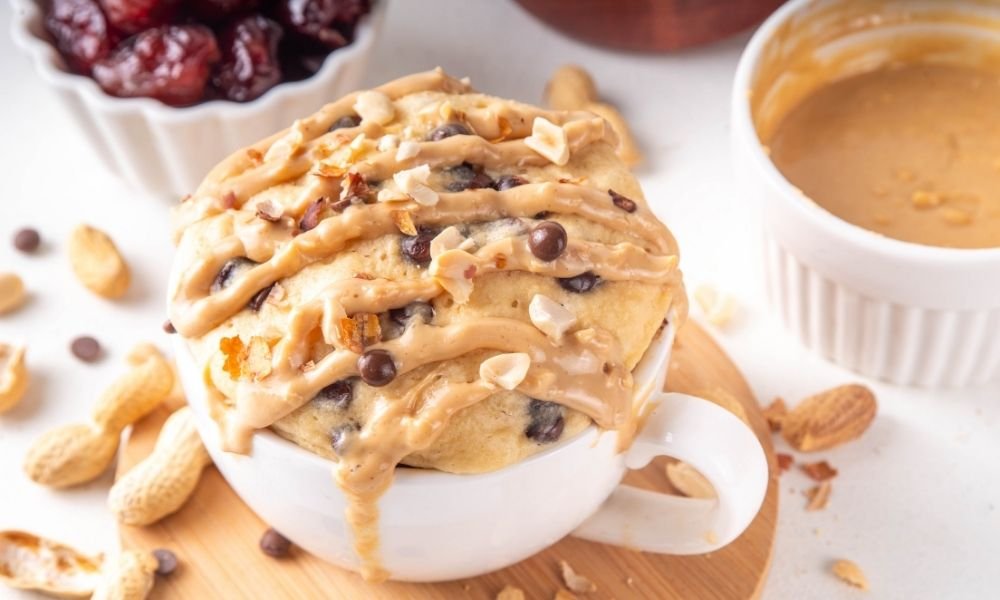
Craving something sweet but struggling to find gluten-free options that are actually simple and satisfying? You’re not alone. Many people assume gluten-free desserts are complicated, time-consuming, or require hard-to-find ingredients—but that’s not the case.
From a nutrition perspective, I’ve seen how keeping recipes simple makes it much easier to stay consistent—especially when you’re managing sensitivities or just trying to eat cleaner. When desserts feel easy and accessible, you’re far less likely to fall back on processed options that don’t support your goals.
The good news is, you don’t need advanced baking skills or special tools. In this guide, you’ll find a few easy gluten-free desserts that are quick to prepare, use simple ingredients, and help you enjoy something sweet without the extra hassle.
Contents
- 1 Why Choose Gluten-Free Desserts
- 2 3 Easy Gluten-Free Desserts You Can Make at Home
- 3 Gluten-Free Cinnamon Mug Cake (Quick & Microwave-Friendly)
- 4 Coconut Vanilla Breakfast Bites (No-Bake & Simple)
- 5 Gluten-Free Sweet Potato Crackers (Light & Crispy Snack)
- 6 Best Ingredients for Gluten-Free Desserts
- 7 Tips to Make Gluten-Free Desserts Healthier
- 8 Common Mistakes to Avoid on a Gluten-Free Diet
- 9 Frequently Asked Questions
- 9.1 Are gluten-free desserts healthier than regular desserts?
- 9.2 Do I need to follow a gluten-free diet if I don’t have intolerance?
- 9.3 What flour is best for gluten-free desserts?
- 9.4 Why do gluten-free desserts sometimes feel dry or dense?
- 9.5 Can I make gluten-free desserts without sugar?
- 9.6 Are gluten-free desserts suitable for weight loss?
- 10 Final Thoughts
Why Choose Gluten-Free Desserts
Gluten-free desserts aren’t just for people with gluten intolerance—they can also be a lighter, simpler option for anyone looking to reduce processed ingredients and eat more mindfully.
One of the main benefits is ingredient control. When you make gluten-free desserts at home, you’re often using basics like nuts, seeds, natural sweeteners, and simple flours. This reduces exposure to highly processed ingredients and makes it easier to understand exactly what you’re eating.
From a nutrition perspective, many gluten-free desserts rely on ingredients that are more filling and balanced, which can help reduce overeating and keep energy levels more stable. This is especially helpful if you’re trying to avoid constant snacking or sugar crashes.
Most importantly, gluten-free desserts can be very simple. You don’t need complicated techniques or long baking times—just a few well-chosen ingredients and quick preparation.
3 Easy Gluten-Free Desserts You Can Make at Home
One of the biggest misconceptions about gluten-free desserts is that they’re difficult to make. In reality, many of them are quick, require minimal ingredients, and don’t need advanced baking skills.
With simple options like mug cakes, no-bake bites, or light homemade snacks, you can create desserts that are both satisfying and easy to prepare. These recipes are designed to be:
- Quick and beginner-friendly
- Made with simple, accessible ingredients
- Flexible based on your preferences and needs
Whether you’re looking for something warm, soft, or slightly crunchy, the recipes below offer easy ways to enjoy gluten-free desserts at home—without making your routine more complicated.
Gluten-Free Cinnamon Mug Cake (Quick & Microwave-Friendly)

If you’re craving something warm, soft, and slightly sweet, this gluten-free cinnamon mug cake is one of the easiest desserts you can make. It takes just a few minutes, uses simple ingredients, and is perfect when you want a quick treat without baking.
Ingredients (2 servings)
- 1 medium egg
- 3 tbsp lentil flour
- ½ tbsp cinnamon
- ½ tsp vanilla extract
- 4 tsp sugar or stevia (for a sugar-free option)
- 5 tbsp full-fat milk
- ¼ tsp baking powder
Instructions
- In a small bowl, combine all the dry ingredients.
- Add the egg, vanilla extract, and milk.
- Mix well until the batter is smooth and fully combined.
- Divide the mixture evenly into two microwave-safe mugs.
- Microwave for about 2 minutes.
- Let it cool for a couple of minutes before serving.
Tips & Variations
- Add chopped nuts (like walnuts or hazelnuts) for extra texture.
- Use stevia or another sweetener to reduce sugar content.
- For a richer flavor, add a small piece of dark chocolate in the center before microwaving.
Why This Recipe Works
This mug cake is a great option when you want something quick, gluten-free, and comforting without spending time in the kitchen. The combination of cinnamon and vanilla gives it a warm flavor, while the simple preparation makes it ideal for beginners.
Coconut Vanilla Breakfast Bites (No-Bake & Simple)

These coconut vanilla breakfast bites are a quick, gluten-free treat that’s soft, slightly sweet, and perfect when you want something easy without turning on the oven. They’re made with simple ingredients and can be customized based on what you have at home.
Ingredients
- 1 medium egg
- 1 tbsp coconut flour
- 3 tbsp rice flour
- ½ tsp vanilla extract
- 3 tsp sugar or stevia (for a sugar-free option)
- 2 tbsp coconut milk
- 2 tbsp desiccated coconut
- ¼ tsp baking powder
Optional add-ins:
- Dark or white chocolate
- Blueberry sauce
- Cinnamon
- Nuts (walnuts, peanuts, hazelnuts)
- Dried fruits
Instructions
- In a small bowl, mix all the dry ingredients together.
- Add the egg, vanilla extract, and coconut milk.
- Stir well until the mixture is smooth.
- Place small pieces of chocolate or nuts into each compartment of a microwave-safe silicone ice tray.
- Pour the mixture evenly into the compartments.
- Sprinkle desiccated coconut on top.
- Microwave for about 2 minutes.
- Let it cool for a few minutes before removing and serving.

Tips & Variations
- Use stevia or monk fruit to reduce sugar content.
- Add berries or cinnamon for extra flavor.
- For a softer texture, slightly reduce cooking time depending on your microwave.
Why This Recipe Works
These bites are perfect for when you need something quick, gluten-free, and flexible. You can easily adjust flavors and ingredients based on your preference, making them a great option for both snacks and light desserts.
Gluten-Free Sweet Potato Crackers (Light & Crispy Snack)
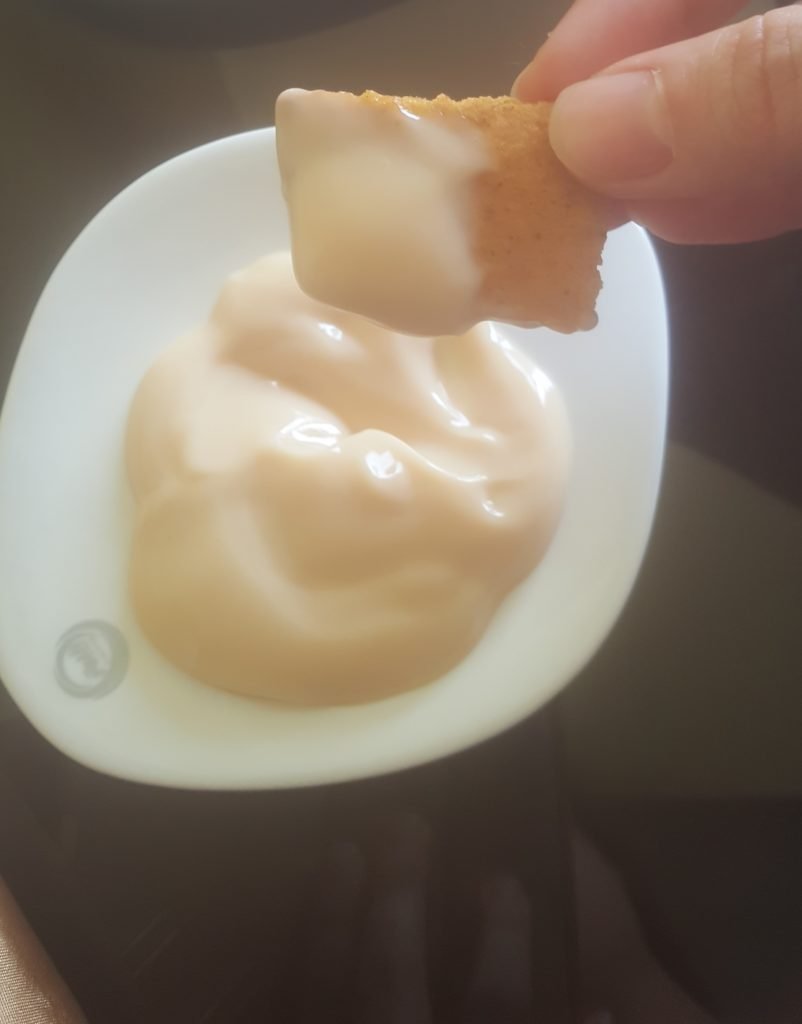
If you’re looking for something slightly crunchy and naturally sweet, these gluten-free sweet potato crackers are a simple and satisfying option. They’re made with just a few ingredients and work well as a light snack or a healthier alternative to processed crackers.
Ingredients
- 1 medium baked sweet potato
- 1 large egg
- 4 tbsp rice flour
- 1 tsp cinnamon
- 2 tbsp sugar (or stevia/low-calorie sweetener)
- 1 tbsp coconut oil
- 1 tsp vanilla extract
- ¼ tsp baking powder
Instructions
- In a mixing bowl, mash the baked sweet potato until smooth.
- Add the egg and whisk until fully combined.
- Stir in coconut oil, vanilla extract, and sugar until creamy.
- Add rice flour, cinnamon, and baking powder, then mix until a thick, spreadable dough forms.
- Lightly grease a microwave-safe plate or dish with coconut oil.
- Spread the mixture into a thin, even layer (about ⅛ inch thick).
- Microwave for 4–6 minutes, or until firm and slightly crisp.
- Let it cool, then break into cracker-sized pieces.
Tips & Variations
- For extra crispiness, microwave a little longer in short intervals.
- Add chopped nuts or seeds for texture.
- You can reduce or replace sugar with stevia for a lower-sugar option.
Why This Recipe Works
These crackers offer a balance between light sweetness and crunch, making them a great option when you want something different from soft desserts. The natural sweetness from sweet potato adds flavor while keeping the ingredients simple and gluten-free.
Best Ingredients for Gluten-Free Desserts
Choosing the right ingredients is what makes gluten-free desserts both successful and enjoyable. Instead of relying on traditional wheat flour, you can use simple alternatives that are naturally gluten-free and often more nutrient-dense.
Gluten-Free Flours
The base of most gluten-free desserts starts with the right flour. Options like coconut flour, rice flour, and lentil flour are commonly used and easy to work with. Each one has a slightly different texture, so combining them can give better results.
Eggs
Eggs play an important role in gluten-free baking. They help bind ingredients together and improve texture, especially since gluten (which usually provides structure) is missing.
Natural Sweeteners
You can use regular sugar, but many recipes also work well with alternatives like stevia or other low-calorie sweeteners. Choosing the right sweetener helps control both taste and overall nutritional value.
Healthy Fats
Ingredients like coconut oil, butter, or coconut milk add richness and moisture to desserts. They also help improve texture and make recipes more satisfying.
Flavor Enhancers
Simple additions like vanilla extract, cinnamon, cocoa, or coconut can elevate the flavor without adding complexity. These ingredients make gluten-free desserts taste just as good—if not better—than traditional ones.
What to Keep in Mind
Gluten-free baking works best when you keep things simple. Using a few well-chosen ingredients not only improves the texture and taste but also makes recipes easier to follow and more consistent.
With the right combinations, gluten-free desserts can be just as soft, flavorful, and satisfying as traditional ones—without the need for complicated substitutes.
Tips to Make Gluten-Free Desserts Healthier
Gluten-free doesn’t always mean healthy—especially when recipes rely heavily on sugar or refined ingredients. A few simple adjustments can make your desserts more balanced and better for your overall routine.
Choose Less Processed Ingredients
Whenever possible, use simple ingredients like coconut flour, nuts, eggs, and natural flavorings. These are more filling and provide better nutritional value compared to highly processed gluten-free mixes.
Reduce Added Sugar
Even in gluten-free recipes, sugar can add up quickly. You can lower the amount or replace part of it with alternatives like stevia. This helps reduce blood sugar spikes and keeps cravings more controlled.
Add Fiber-Rich Ingredients
Ingredients like coconut flour, flaxseed, or even certain fruits can add fiber, which supports digestion and helps you feel fuller for longer.
Balance with Protein and Healthy Fats
Including eggs, coconut milk, or nuts can improve satiety and make desserts more satisfying. This helps prevent overeating and keeps your energy levels more stable.
Keep Portions in Check
Even healthier desserts can become a problem if portions are too large. Keeping servings moderate allows you to enjoy sweets without affecting your overall progress.
Avoid Overcomplicating Recipes
Simple recipes are often easier to control and less likely to include unnecessary ingredients. The more straightforward the recipe, the easier it is to keep it both healthy and consistent.
The goal isn’t to eliminate desserts—it’s to make them work better for your lifestyle. With a few small changes, gluten-free desserts can be both enjoyable and more balanced.
Common Mistakes to Avoid on a Gluten-Free Diet
Following a gluten-free diet can feel simple at first, but there are a few common mistakes that can make it harder to stay consistent or actually benefit from it.
Relying Too Much on Processed Gluten-Free Products
Many packaged gluten-free foods are still highly processed and often contain added sugars, starches, or unhealthy fats. Just because something is labeled “gluten-free” doesn’t mean it’s a healthy option.
Not Checking Labels Carefully
Gluten can hide in sauces, dressings, and even seasoning mixes. Ingredients like wheat derivatives or modified starches can easily be overlooked, so it’s important to read labels carefully.
Replacing Gluten with Too Much Sugar
Some gluten-free desserts compensate for texture by adding more sugar, which can lead to energy crashes and increased cravings. Keeping recipes balanced is key.
Lack of Variety in Meals
Sticking to the same few foods can make your diet restrictive and harder to maintain. Exploring simple homemade options—like this microwave gluten-free mini pizza—can help add variety without complicating your routine.
Ignoring Nutritional Balance
Removing gluten doesn’t automatically make a diet balanced. It’s still important to include enough protein, healthy fats, and fiber to support overall health and keep you satisfied.
Frequently Asked Questions
Are gluten-free desserts healthier than regular desserts?
Not always. Gluten-free desserts can still be high in sugar and calories. They become healthier when made with simple ingredients and balanced portions.
Do I need to follow a gluten-free diet if I don’t have intolerance?
No, a gluten-free diet is essential for people with celiac disease or gluten sensitivity. For others, it can still be a way to reduce processed foods, but it’s not required.
What flour is best for gluten-free desserts?
There isn’t just one option. Coconut flour, rice flour, and almond flour are commonly used. The best choice depends on the recipe and desired texture.
Why do gluten-free desserts sometimes feel dry or dense?
Without gluten, recipes lack structure. That’s why ingredients like eggs, healthy fats, and proper mixing are important to improve texture.
Can I make gluten-free desserts without sugar?
Yes, you can use alternatives like stevia or other low-calorie sweeteners. Just adjust the quantity carefully to maintain taste and texture.
Are gluten-free desserts suitable for weight loss?
They can be part of a balanced diet, but portion control is still important. Gluten-free doesn’t automatically mean low-calorie.
Final Thoughts
Gluten-free desserts don’t have to be complicated or restrictive. With a few simple ingredients and easy recipes, you can enjoy sweet treats that fit into your routine without extra effort.
The key is to keep things practical—choose recipes that are quick, use ingredients you already have, and don’t rely on heavily processed products. This makes it much easier to stay consistent and actually enjoy what you’re eating.
Over time, you’ll find what works best for you. Start with simple recipes, adjust based on your preferences, and build a small collection of go-to options that make your gluten-free lifestyle feel easy and sustainable.
