
If you’ve tried dieting before, you already know the hardest part isn’t “knowing what to do” — it’s staying consistent without feeling tired, hungry, and miserable.
That’s why a female 7-day smoothie weight loss diet plan can be a helpful short-term reset. When it’s done the right way, it can simplify meals, reduce snacking, support a calorie deficit, and help stabilize energy — without cutting out solid food completely.
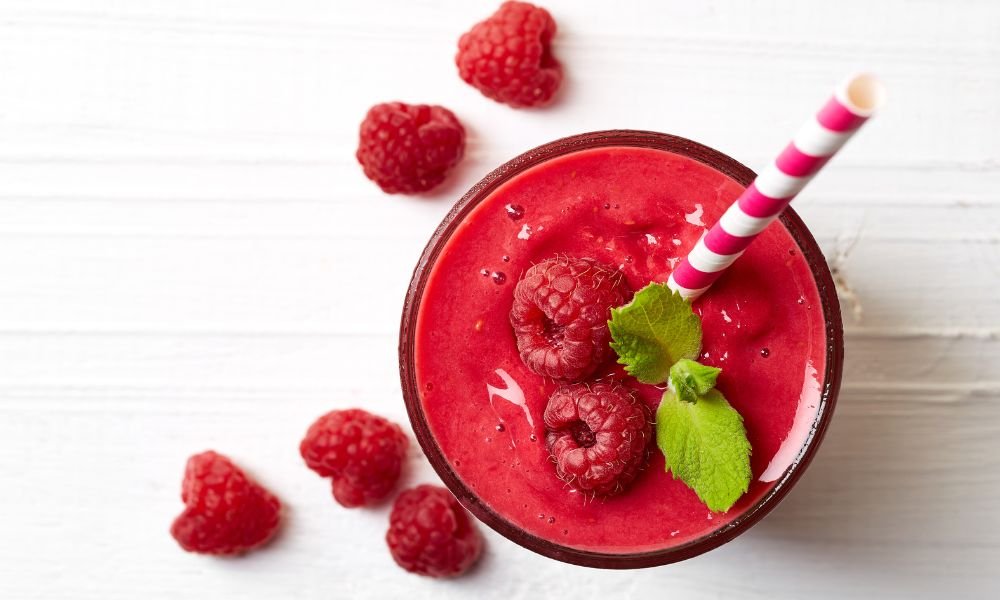
But as a nutritionist, I want to be clear: smoothies aren’t automatically healthy. A smoothie made mostly from fruit or juice can spike blood sugar and leave you hungrier later. A balanced smoothie — with enough protein, fiber, and healthy fats — can actually keep you full and support steady weight loss.
In this guide, I’ll walk you through a realistic 7-day smoothie plan designed for women, plus the nutrition details most plans leave out so you can do this safely, feel good, and transition back into a sustainable routine.
Contents
- 0.1 How a 7-Day Smoothie Plan Affects Women’s Hormones and Energy
- 0.2 6 Common Mistakes Women Make on Smoothie Diet Plans
- 0.3 7-Day Smoothie Weight Loss Plan for Women
- 0.4 Day 1 – Gentle Reset & Blood Sugar Stability
- 0.5 Day 2 – Appetite Control & Steady Energy
- 0.6 Day 3 – Higher Protein Support
- 0.7 Day 4 – Gut & Inflammation Support
- 0.8 Day 5 – Metabolic Rhythm
- 0.9 Day 6 – Satisfaction & Sustainability
- 0.10 Day 7 – Transition Day
- 1 Important Nutrition Notes
How a 7-Day Smoothie Plan Affects Women’s Hormones and Energy
Before starting a 7-day smoothie plan, it’s important to understand how even short-term changes in calorie intake and macronutrient balance can affect your hormones and energy.
Women’s bodies are especially sensitive to rapid shifts in food intake. When calories drop too low, or when meals are heavily carbohydrate-based without enough protein and fat, hormones like insulin, cortisol, ghrelin (your hunger hormone), and leptin (your fullness hormone) can shift quickly. That’s often when women report feeling shaky, irritable, fatigued, or suddenly ravenous by mid-afternoon.
A smoothie plan can support weight loss — but only if it’s structured to protect blood sugar stability and adequate nutrition.
Blood Sugar Stability and Energy
Your energy levels are closely tied to how stable your blood sugar is throughout the day.
A smoothie made mostly from fruit or juice digests quickly, causing a rapid rise in blood sugar followed by a drop. That drop can trigger cravings, brain fog, and low energy. Over time, repeated spikes and crashes can also increase hunger later in the day.
When smoothies include:
- 20–30 grams of protein
- 8–12 grams of fiber
- A source of healthy fat
digestion slows down. This leads to a steadier release of glucose into the bloodstream, more stable insulin levels, and more consistent energy. Most women notice a significant difference in how they feel when protein and fat are adequate.
Protein, Fats, and Hormonal Signaling
Protein does more than preserve muscle — it directly affects appetite hormones. Adequate protein intake helps regulate ghrelin and supports satiety signals, which makes staying in a mild calorie deficit far more manageable.
Healthy fats are equally important. Diets that are too low in fat can interfere with hormone production because many hormones are synthesized from cholesterol and fatty acids. While you don’t need large amounts, including sources like almond butter, flax seeds, chia seeds, or full-fat Greek yogurt supports hormonal balance and helps prevent constant hunger.
For most women, completely removing fats in an effort to “cut calories” backfires quickly.
Calorie Intake and the Stress Response
One of the biggest mistakes I see with short-term smoothie plans is unintentionally undereating.
When calorie intake drops too aggressively — even for a week — cortisol levels may rise. Elevated cortisol can contribute to poor sleep, increased cravings (especially for sugar), water retention, and feeling wired but tired.
A 7-day smoothie plan should still meet basic energy needs. Weight loss works best when the deficit is moderate, not extreme. If you feel lightheaded, constantly hungry, or unable to focus, that’s a sign the plan needs adjustment — usually more protein, slightly more calories, or an additional solid meal.
Why Fiber Matters for Hormone Balance
Fiber supports gut health, and your gut plays a significant role in hormone metabolism. Certain gut bacteria help regulate estrogen metabolism and inflammatory pathways. When fiber intake drops too low, digestion slows and appetite regulation can suffer.
Including chia seeds, flax seeds, leafy greens, and whole fruits — rather than juice — supports digestive health and helps regulate hunger hormones during the week.
6 Common Mistakes Women Make on Smoothie Diet Plans
A smoothie-based weight loss plan can absolutely work — but most women don’t struggle because smoothies are ineffective. They struggle because small nutritional gaps add up quickly.
After reviewing hundreds of food logs and meal patterns, I’ve noticed the same patterns come up again and again.
Let’s walk through them so you can avoid them.
1. Under-Eating Protein (The Most Common Problem)
In practice, women often under-eat protein on smoothie plans.
A smoothie might look balanced — banana, almond milk, spinach, maybe some chia seeds — but when we actually calculate the protein, it sometimes comes out to 8–12 grams. That’s not enough for a meal replacement.
For steady energy, muscle support, and appetite control, most women benefit from 20–30 grams of protein per smoothie if it’s replacing a meal.
When protein intake is too low:
- Hunger hormones rise faster
- Cravings increase
- Lean muscle support drops during a calorie deficit
That’s when a smoothie stops feeling like a “complete meal” and starts feeling like a snack.
If you want a smoothie to support fat loss and stable blood sugar, build it around protein first — then add fruit, fiber, and healthy fats.
2. Making Smoothies Too Fruit-Heavy
Fruit is healthy. But quantity matters.
Many women report afternoon crashes when smoothies are fruit-heavy — especially when they include multiple bananas, mango, pineapple, or fruit juice without enough protein or fat.
What happens physiologically?
Rapid carbohydrate digestion → quick blood sugar rise → insulin response → drop in blood sugar → fatigue, shakiness, cravings.
That crash is not a willpower issue. It’s blood sugar instability.
Using whole fruit in moderate portions, pairing it with protein powder, Greek yogurt, soy milk, nut butter, flax seeds, or chia seeds slows digestion and supports steadier energy levels.
A balanced smoothie like oatmeal smoothies supports weight loss. A fruit-dominant smoothie often fuels the hunger cycle.
3. Letting Calories Drop Too Low
I often see calorie intake drop too low unintentionally.
When women switch to 1–2 smoothies per day plus a light meal, they sometimes assume they’re eating “enough” because the food feels clean or healthy. But when we calculate total calorie intake, it may be far below their energy needs.
Short-term calorie deficits can support weight loss.
Aggressive under-eating often triggers:
- Increased cortisol (stress hormone)
- Poor sleep
- Intense sugar cravings
- Low mood and brain fog
- Reduced metabolic output
A 7-day smoothie reset should create a moderate deficit, not a starvation response.
If you feel constantly cold, irritable, dizzy, or unable to focus, that’s not “detox symptoms.” That’s under-fueling.
4. Removing Healthy Fats to “Save Calories”
Another pattern I see is fear of fats.
Women will skip almond butter, flax seeds, chia seeds, or full-fat yogurt because they want to lower calorie intake. But removing fats entirely often makes smoothies less satisfying and harder to sustain.
Healthy fats:
- Slow digestion
- Improve satiety
- Support hormone production
- Help absorb fat-soluble vitamins
You don’t need large portions — but you do need some.
Completely fat-free smoothies rarely control hunger for long.
5. Forgetting That Liquid Calories Behave Differently
Even healthy smoothies are still liquid meals.
Liquid calories don’t trigger satiety signals as strongly as chewing does. That means portion size matters. Adding multiple spoonfuls of nut butter, sweetened yogurt, or oversized fruit servings can quietly increase total calorie intake beyond what supports weight loss.
At the same time, replacing all solid food with smoothies often leaves women feeling mentally unsatisfied — even if calorie intake looks adequate on paper.
That’s why I recommend:
- 1–2 smoothies per day
- At least one balanced solid meal
- Adequate hydration
- Portion awareness
This approach supports digestion, appetite regulation, and long-term sustainability.
6. Ignoring Biofeedback
Your body gives feedback quickly during dietary changes.
Persistent hunger.
Energy crashes.
Digestive discomfort.
Constant cravings.
These are adjustment signals — not signs you failed.
Some women need:
- More protein
- Slightly higher calories
- More fiber
- Or simply one additional solid meal
A successful 7-day smoothie weight loss plan should feel structured — not restrictive.
7-Day Smoothie Weight Loss Plan for Women
(With Protein & Fiber Targets)
Before we begin, here’s how I recommend using this plan:
- 1–2 smoothies per day
- At least one balanced solid meal daily
- 20–30g protein per meal-replacement smoothie
- 8–12g fiber per smoothie
- 300–450 calories per smoothie (depending on your size and activity level)
- Stay hydrated (water or herbal tea)
This is a short-term structured reset, not a long-term liquid diet.
Day 1 – Gentle Reset & Blood Sugar Stability
Breakfast Smoothie
Target: ~25g protein | 9–12g fiber | ~350–400 calories
- Unsweetened almond milk
- 1 scoop protein powder
- ½–1 banana
- Spinach
- 1 tbsp chia seeds
- 1 tbsp almond butter
This combination slows digestion, stabilizes blood sugar levels, and reduces early-day cravings.
Lunch (Solid Meal)
Lean protein (chicken, tofu, fish)
Leafy greens
Olive oil or avocado
Optional small whole-grain portion
Dinner Smoothie
Target: ~20–25g protein | 8–10g fiber | ~350 calories
- Greek yogurt
- Frozen berries
- Flax seeds
- Coconut water (small amount)
Focus: gut health, fiber support, gentle calorie deficit.
Day 2 – Appetite Control & Steady Energy
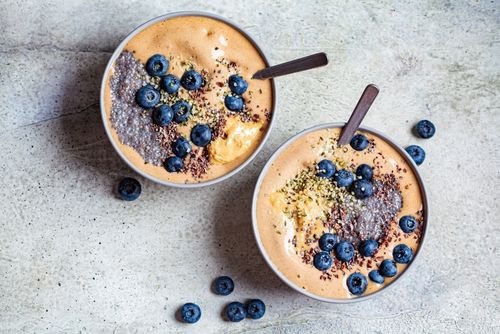
Breakfast Smoothie
Target: ~25–30g protein | 8–10g fiber
- Soy milk (higher protein base)
- Blueberries
- 1 scoop protein powder
- 1 tbsp peanut butter
- Spinach
Many women report afternoon crashes when smoothies are fruit-heavy. This balance prevents that.
Lunch (Solid Meal)
Lean protein
Vegetables
Small portion whole grains
Optional snack: Herbal tea or small protein-based snack if needed.
Focus: sustained energy and hunger regulation.
Day 3 – Higher Protein Support
In practice, women often under-eat protein on smoothie plans — so this day emphasizes it.
Breakfast Smoothie
Target: ~30g protein | 8–12g fiber
- Greek yogurt
- Protein powder
- Banana (½)
- Chia seeds
- Almond butter
Lunch Smoothie (Meal Replacement)
Target: ~25–30g protein | 8–10g fiber
- Unsweetened almond milk
- Spinach
- Protein powder
- Flax seeds
- Small amount coconut oil
Dinner (Solid Meal)
Balanced plate: protein, fiber-rich vegetables, healthy fats.
Focus: muscle preservation, satiety hormones, metabolic support.
Day 4 – Gut & Inflammation Support
Breakfast Smoothie
Target: ~25g protein | 10–12g fiber
- Coconut milk (unsweetened)
- Spinach
- Pineapple (small portion)
- Protein powder
- Flax seeds
Lunch (Solid Meal)
Protein + colorful vegetables + healthy fats
Dinner Smoothie
Target: ~20–25g protein | 8g fiber
- Almond milk
- Berries
- Greek yogurt or protein powder
- Chia seeds
Focus: digestive tract support and microbiome-friendly fiber.
Day 5 – Metabolic Rhythm
By this point, calorie intake often drops too low unintentionally. Stay mindful.
Breakfast Smoothie
Target: ~25–30g protein | 8–10g fiber
- Soy milk
- Protein powder
- Banana (½)
- Peanut butter
- Spinach
Lunch Smoothie
Green smoothie with:
- Leafy greens
- Protein powder
- Chia seeds
- Coconut water (small amount)
Dinner (Solid Meal)
Balanced, portion-aware meal with adequate protein.
Focus: preventing metabolic slowdown and evening cravings.
Day 6 – Satisfaction & Sustainability
Weight loss is easier when food still feels enjoyable.
Breakfast Smoothie
Target: ~25g protein | 8–10g fiber
- Greek yogurt
- Berries
- Almond butter
- Chia or flax seeds
Lunch (Solid Meal)
Favorite balanced healthy meal (avoid ultra-processed foods)
Dinner Smoothie
Target: ~20–25g protein
- Almond milk
- Spinach
- Protein powder
- Small portion fruit
Focus: taste satisfaction + appetite regulation.
Day 7 – Transition Day
The goal now is shifting back toward a balanced routine.
Breakfast Smoothie
Target: ~25g protein | 8g fiber
- Unsweetened almond milk
- Protein powder
- Banana (½)
- Chia seeds
Lunch (Solid Meal)
Balanced meal similar to how you plan to eat long term.
Optional light smoothie or protein snack if needed.
Focus: maintaining consistency beyond the 7 days.
Important Nutrition Notes
- If you feel dizzy, extremely fatigued, or constantly hungry, increase calories slightly.
- Most women do well around 1,400–1,800 calories per day during a short-term weight loss phase, but needs vary.
- Protein intake across the day should generally land around 0.8–1.2g per kg of body weight during fat loss.
- This plan is not appropriate for pregnant or breastfeeding women, individuals with diabetes, history of disordered eating, or those under medical supervision without professional guidance.
Is This 7-Day Smoothie Plan Right for You?
Before you start a female-friendly 7-day smoothie weight loss plan, I want you to pause for a moment and check in with your body and your health history.
Smoothies can be a helpful short-term tool for simplifying meals and supporting a calorie deficit — but they aren’t the right fit for everyone.
This plan may be a good fit if you:
- Want a structured reset without extreme restriction
- Do well with smoothies as breakfast or a meal replacement
- Need help reducing snacking and decision fatigue
- Want to support blood sugar stability with higher-protein meals
- Are generally healthy and not managing a medical condition that requires close nutrition monitoring
I do not recommend this plan if you:
- Are pregnant or breastfeeding
- Have diabetes, hypoglycemia, or a history of blood sugar issues
- Have a history of disordered eating, binge-restrict cycles, or food anxiety
- Are underweight or recovering from significant weight loss
- Have been experiencing missed periods, chronic fatigue, or signs of under-eating
- Have digestive conditions that worsen with high-fiber blends (like severe IBS flare-ups)
If you’re unsure:
A safer option is to use this as a 1-smoothie-per-day plan (usually breakfast), while keeping the rest of your meals solid and balanced.
And if you’re currently on medication or managing a medical condition, it’s always worth checking in with your doctor or a registered dietitian before making major changes — even for just 7 days.
Final Thoughts: A Short-Term Tool, Not a Long-Term Rule
A 7-day smoothie weight loss plan can be a helpful reset — not because smoothies are magical, but because structure reduces overwhelm.
When smoothies are built with enough protein, fiber, healthy fats, and adequate calories, they can stabilize blood sugar, reduce mindless snacking, and make a calorie deficit feel more manageable. For many women, that simplicity alone lowers stress around food.
But here’s what matters most:
This plan should leave you feeling steady — not exhausted. Focused — not foggy. Satisfied — not obsessed with your next meal.
If you feel consistently hungry, irritable, lightheaded, or fatigued, that’s not “discipline.” That’s feedback.
Weight loss that supports hormonal health, metabolism, and long-term sustainability is never about extreme restriction. It’s about balance, consistency, and realistic habits you can maintain after the 7 days are over.
Use this plan as a structured starting point — then transition into a balanced routine that includes both smoothies and solid meals, adequate protein intake, and enough energy to support your life.
Because the real goal isn’t just losing weight for a week.
It’s building a way of eating that supports your body long after the reset ends.
