
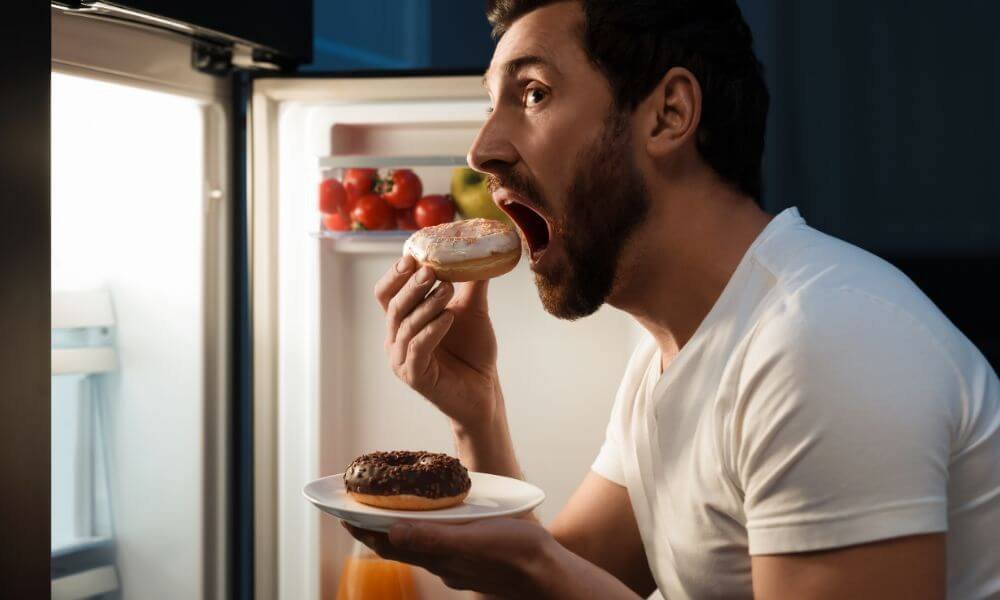
How to control junk food cravings is a common question for anyone trying to eat healthier or lose weight. Studies show that over 90% of people experience intense cravings, often triggered by stress, lack of sleep, or even dehydration. The good news? You can train your brain and body to manage these urges with simple, practical steps. From balancing your meals with protein and fiber to using mindfulness techniques, learning how to control junk food cravings can help you feel more in control, improve energy levels, and make healthy eating easier every day.
Contents
- 1 Understanding Why Junk Food Cravings Happen
- 2 Balance Your Meals to Reduce Cravings
- 3 Hydration and Sleep: The Overlooked Solutions
- 4 Mindful Eating Techniques to Stay in Control
- 5 Healthy Substitutes to Satisfy Your Cravings
- 6 Could Hidden Sugar Be Sneaking Into Your Diet?
- 7 Building Long-Term Habits for Craving Control
- 8 Frequently Asked Questions
- 8.1 Why do I crave junk food at night?
- 8.2 Can drinking more water really stop cravings?
- 8.3 Are cheat days bad for controlling cravings?
- 8.4 How long does it take to reduce junk food cravings?
- 8.5 Can stress alone trigger junk food cravings?
- 8.6 Is it okay to completely cut out junk food?
- 8.7 Do artificial sweeteners help with junk food cravings?
- 9 Conclusion
Understanding Why Junk Food Cravings Happen
Junk food cravings aren’t just about willpower — they’re the result of a mix of biological, psychological, and environmental triggers. Your brain releases dopamine, the “feel-good” chemical, when you eat high-sugar or high-fat foods, creating a reward loop that makes you crave them again.
Several factors can make cravings even stronger:
- Nutrient Imbalances: Diets low in protein or fiber can leave you hungrier, making junk food more tempting.
- Stress and Emotions: High stress levels raise cortisol, which increases cravings for comfort foods.
- Lack of Sleep: Even one night of poor sleep can spike hunger hormones, making sugary and salty snacks harder to resist.
- Environmental Cues: Passing by a bakery, scrolling through food posts, or seeing ads can trigger cravings even when you’re not hungry.
By understanding these triggers, you can start addressing the root causes instead of just trying to “avoid” junk food, which makes your craving-control strategies far more effective.
Balance Your Meals to Reduce Cravings

One of the most effective ways to curb junk food cravings is to balance your meals so your body feels satisfied and your blood sugar stays steady. When your meals are too low in protein, fiber, or healthy fats, your body signals hunger sooner, making high-calorie, low-nutrient foods harder to resist.
Here’s how to build a balanced plate that fights cravings naturally:
- Include protein in every meal: Foods like eggs, Greek yogurt, chicken, beans, or tofu help keep you full for longer.
- Add fiber-rich carbs: Whole grains, fruits, and vegetables keep blood sugar stable and reduce sudden hunger spikes.
- Don’t fear healthy fats: Avocados, nuts, and olive oil help with satiety and provide slow-burning energy.
- Avoid skipping meals: Skipping meals often leads to overeating or reaching for quick, processed snacks later in the day.
Studies show that meals high in protein and fiber can reduce cravings by up to 60% and help you feel fuller for hours. By nourishing your body properly, you’ll crave less junk food and feel more in control of your choices.
Hydration and Sleep: The Overlooked Solutions
When trying to figure out how to control junk food cravings, two often-overlooked factors are hydration and quality sleep. Both play a bigger role in your appetite and cravings than most people realize.
Hydration
Your brain often confuses thirst with hunger. Even mild dehydration can trigger cravings for salty or sugary snacks. Drinking a glass of water and waiting 10–15 minutes before grabbing a snack can help you determine if you’re truly hungry. Aim for about 8 cups (2 liters) of water a day, more if you’re active or in a hot climate.
Are You Drinking Enough Water?
Staying hydrated is one of the simplest ways to boost your energy, improve your skin, and support healthy weight loss.
But how much water does your body really need?
Take 30 seconds to find your ideal daily water intake using our free hydration calculator!
Calculate Your Perfect Water Intake NowSleep
Lack of sleep disrupts your hunger hormones — ghrelin (hunger hormone) goes up, and leptin (fullness hormone) goes down. This makes junk food far more tempting. Research shows that even one night of poor sleep can increase your calorie intake by up to 400 extra calories the next day, most of it from high-carb, high-sugar foods. Prioritize 7–9 hours of quality sleep to keep your appetite hormones balanced and your cravings in check.
By staying hydrated and getting enough rest, you give your body the foundation it needs to regulate hunger signals naturally, making it much easier to avoid impulsive junk food choices.
Mindful Eating Techniques to Stay in Control
Mindful eating is a powerful tool when learning how to control junk food cravings. By slowing down and paying attention to what and how you eat, you can reduce impulsive snacking and develop a healthier relationship with food.
Pause Before You Eat
Before grabbing a snack, take a moment to check in with yourself: Are you truly hungry, or are you bored, stressed, or thirsty? This pause gives you a chance to make a conscious choice instead of eating on autopilot.
Eat Slowly and Without Distractions
Put away your phone and turn off the TV during meals. Eating slowly allows your body’s fullness signals to catch up, helping you eat less and feel more satisfied.
Savor Every Bite
Pay attention to the flavors, textures, and aromas of your food. Enjoying your meals mindfully makes you feel more satisfied, even with smaller portions, and reduces the urge to reach for extra junk food.
Practice Portion Control
If you’re craving chips or cookies, portion out a small amount instead of eating straight from the bag. This keeps you in control and prevents mindless overeating.
By practicing these mindful eating habits, you can retrain your brain to respond to hunger cues more accurately and cut down on unnecessary cravings over time.
Healthy Substitutes to Satisfy Your Cravings
One of the easiest ways to manage junk food cravings without feeling deprived is to swap out unhealthy snacks for healthier alternatives that still satisfy your taste buds. These swaps give you the flavors and textures you crave while adding more nutrients and fewer empty calories.
For Sweet Cravings
- Fresh fruit with Greek yogurt – adds protein and natural sweetness
- Dark chocolate (70% or higher) – a small square can curb sugar cravings while providing antioxidants
- Frozen banana “ice cream” – blend frozen bananas with a splash of milk for a creamy, guilt-free treat
Find Out If You’re Eating Too Many Hidden Sugars
Could Hidden Sugar Be Sneaking Into Your Diet?
Take our quick, free quiz to reveal if you’re getting too much hidden sugar—plus get instant tips to take control of your cravings and boost your energy!
Take the Free Hidden Sugars Quiz NowFor Salty Cravings
- Air-popped popcorn – sprinkle with herbs or a pinch of parmesan instead of butter
- Roasted chickpeas – crunchy, savory, and full of fiber and protein
- Whole-grain crackers with hummus – satisfies the crunch with added protein and healthy fats
For Crunchy Cravings
- Veggie sticks with guacamole or salsa – crisp, fresh, and nutrient-dense
- Nuts and seeds – a handful of almonds, walnuts, or pumpkin seeds delivers healthy fats and crunch
- Kale chips – bake kale with olive oil and a pinch of sea salt for a crunchy, low-calorie snack
For Creamy Cravings
- Smoothies – blend fruits, veggies, and protein powder for a creamy, filling option
- Cottage cheese with fruit – a balance of protein and natural sweetness
- Avocado toast – creamy and satisfying, with healthy fats to keep you full longer
Making these small swaps can help you satisfy your cravings without derailing your health goals, while keeping your meals and snacks balanced and enjoyable.
Building Long-Term Habits for Craving Control

Learning how to control junk food cravings isn’t about quick fixes — it’s about creating consistent habits that make healthier choices automatic. Over time, these habits reprogram your brain and body, making it easier to say “no” to junk food without feeling deprived.
Plan Your Meals and Snacks
Having healthy options ready reduces the temptation to grab chips or candy when hunger strikes. Meal prep for the week and keep easy, nutritious snacks on hand.
Keep Junk Food Out of Sight
Research shows that we eat up to 70% less of tempting foods when they’re not visible. Store unhealthy snacks in opaque containers or out of reach, and keep fruits and nuts easily accessible.
Build a Balanced Routine
Consistent sleep, hydration, and regular meals keep your hunger and hormones in check, reducing impulse eating. A steady routine also strengthens your self-control.
Manage Stress in Healthy Ways
Stress is one of the biggest triggers for cravings. Incorporate stress-busting activities like walking, journaling, or deep breathing to help you cope without food.
Celebrate Small Wins
Each time you make a healthier choice, acknowledge it. Positive reinforcement helps your brain create stronger habits and makes long-term success easier.
By focusing on sustainable lifestyle changes rather than strict diets, you create an environment where junk food cravings naturally lose their power over time.
Frequently Asked Questions
Why do I crave junk food at night?
Nighttime cravings are often linked to low-calorie intake during the day, stress, or habits formed around late-night snacking. Eating balanced meals and having a protein-rich evening snack can reduce these cravings.
Can drinking more water really stop cravings?
Yes. Mild dehydration is often mistaken for hunger, which can lead to unnecessary snacking. Drinking a glass of water and waiting 10 minutes before eating can help you tell if you’re truly hungry.
Are cheat days bad for controlling cravings?
Not necessarily. Planned indulgences can help you feel less deprived and prevent binge eating. The key is moderation — enjoy a portion-controlled treat instead of an all-day splurge.
How long does it take to reduce junk food cravings?
It varies, but most people notice a significant reduction in cravings within 2–4 weeks of consistently eating balanced meals and reducing processed sugar and refined carbs.
Can stress alone trigger junk food cravings?
Absolutely. High stress levels increase cortisol, a hormone that makes you crave high-fat, high-sugar foods for quick energy. Stress management techniques like exercise, meditation, or deep breathing can help.
Is it okay to completely cut out junk food?
It’s possible, but not always sustainable for everyone. Instead, aim for balance — limit junk food while focusing on nutrient-dense meals. This reduces cravings naturally over time without feeling restricted.
Do artificial sweeteners help with junk food cravings?
They can help reduce sugar cravings short-term, but they may also increase cravings for sweet foods in some people. Using natural options like fruit is often a better long-term strategy.
Conclusion
Learning how to control junk food cravings is less about strict willpower and more about building smart, sustainable habits. By balancing your meals, staying hydrated, getting enough sleep, and managing stress, you give your body the support it needs to reduce those intense urges. Pair that with mindful eating and healthier substitutes, and cravings become easier to manage — and eventually, they lose their hold on you. Remember, it’s not about being perfect; it’s about making better choices more often. The more consistent you are, the more natural it becomes to choose foods that fuel your body and help you feel your best.
