

You want something to eat at four in the afternoon that will not blow the day, and every list you find is either raw celery or a “healthy” bar with 240 calories in it. The problem is not willpower. It is that most low-calorie snacks stop working an hour later, and you end up eating twice.
The fix is smaller than it sounds. A snack keeps you full because of protein and fibre, not because it is low in calories — and once you sort that, “low calorie” stops meaning “hungry again by five”. I have a certification in nutrition science, I have tested a lot of these on myself, and below are six that hold up, with the amounts that make them work.
Why most low-calorie snacks leave you hungry
Two numbers explain almost everything about snacking, and neither of them is a calorie count.
Protein. Cleveland Clinic’s guidance is that only about 25 to 35 grams of protein can be absorbed and used at once, which is why spreading it across the day beats one enormous dinner (Cleveland Clinic). A snack carrying 10–15g of protein is doing real work; one carrying 2g is a flavour with a calorie cost.
Fibre. Mayo Clinic cites the National Academy of Medicine targets: 25g a day for women up to 50 and 21g after 50; 38g for men up to 50 and 30g after (Mayo Clinic). Most people are nowhere near that, and snacks are the easiest place in the day to close the gap.
This is also the honest reason “fibermaxxing” has taken off online this year. Stripped of the name, it is just people finally hitting the fibre target that has been on the books for decades. One caution the trend usually leaves out, and Mayo is explicit about it: add fibre slowly, over a few weeks, and drink water alongside it. Going from 12g to 35g in a day will give you the gas, bloating and cramping you were hoping to avoid.
6 low-calorie snacks worth buying
1. Plain Greek yogurt — the highest protein per calorie on the shelf
A 150g pot of plain 0% Greek yogurt gives you roughly 15g of protein for around 90 calories. Nothing else in the chilled aisle comes close on that ratio, and it is the snack I come back to most.
Buy it plain and add the flavour yourself. The fruit-on-the-bottom versions carry a surprising amount of added sugar, and you lose the thing that made the snack worth eating. A handful of berries and cinnamon does the job, adds fibre, and costs you very little.
2. Cottage cheese — the one that came back
Half a cup is about 12g of protein for roughly 80–90 calories. Cottage cheese spent twenty years as a punchline and is now genuinely everywhere, which is one trend that deserves the attention it is getting.
If the texture is the barrier, blend it — thirty seconds turns it into something closer to a thick dip, and it will take either sweet or savoury. Whipped with a little lemon it works with vegetables; with cocoa and a chopped date it covers a chocolate craving for a fraction of what a dessert would cost you.
3. Edamame — the highest-fibre snack here
A cup of shelled edamame delivers around 17g of protein and about 8g of fibre for roughly 190 calories. That is the best protein-and-fibre combination on this list, and podded edamame has the extra advantage of taking a while to eat.
Buy frozen. Three minutes in boiling water, a pinch of salt, done — and a bag in the freezer removes the “there is nothing in” excuse that ends with a biscuit.
4. String cheese and babybel — the portion is the whole point
Around 6–7g of protein for 70–80 calories, and critically, it comes in a wrapper that decides the portion for you. Cheese from a block does not have that property, which is why a “small piece” of cheddar has a habit of becoming three.
Pair it with an apple and you have got protein, fibre and something to chew for roughly 150 calories total. That combination will hold most people from mid-afternoon to dinner.
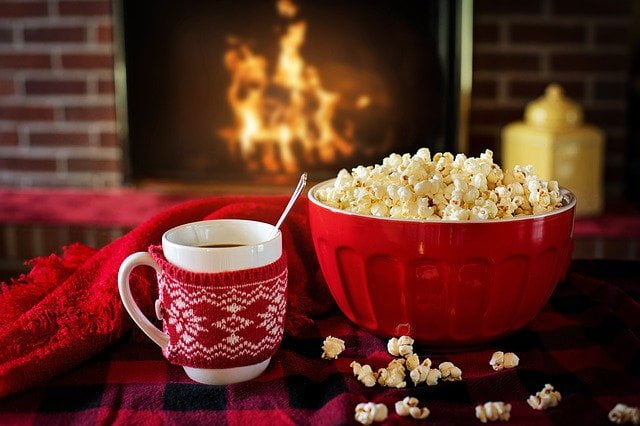
5. Air-popped popcorn — volume for almost nothing
Three cups of air-popped popcorn is about 90 calories and roughly 3.5g of fibre. When what you actually want is a lot of something in front of the television, this is the only snack here that delivers real volume.
The catch is what happens to it. Microwave butter varieties and ready-made sweet-and-salty bags land in a completely different bracket. Air-pop it, then use a spray of oil and a seasoning — smoked paprika, or a little nutritional yeast for something savoury. If you want the crunch without the popping, homemade rice cakes scratch a similar itch, though they bring far less fibre.
6. Roasted chickpeas — the crisp replacement that actually fills you
A 30g serving runs about 120 calories with roughly 5g of protein and 5g of fibre. They are crunchy and salty, which is usually what the crisp craving is actually about, and unlike crisps they register as food.
Check the label on flavoured versions for added sugar and oil, which can quietly double the calories. Or roast a drained tin yourself at 200°C for 25–30 minutes and season them after they come out.
Snacks side by side
Roughly what each one gives you, so you can pick on the numbers that matter rather than the calorie count alone:
| Snack | Calories | Protein | Fibre | Best for |
|---|---|---|---|---|
| Greek yogurt, 150g plain 0% | ~90 | ~15g | 0g | Best protein per calorie |
| Cottage cheese, ½ cup | ~85 | ~12g | 0g | Sweet or savoury |
| Edamame, 1 cup shelled | ~190 | ~17g | ~8g | Longest-lasting fullness |
| String cheese, 1 | ~75 | ~6g | 0g | Portion decided for you |
| Air-popped popcorn, 3 cups | ~90 | ~3g | ~3.5g | Volume |
| Roasted chickpeas, 30g | ~120 | ~5g | ~5g | Crisp replacement |
Read down the protein and fibre columns rather than the calories. Edamame is the highest-calorie row and it is also the one most likely to stop you eating again an hour later — which makes it the cheapest snack on the list in terms of what you actually eat that day.
Knowing the numbers is one thing; having them decided before you are hungry is another. That gap is what my 4-Week Weight Loss Planner covers — four weeks of meals and snacks already mapped out, so the four o’clock decision is made in advance rather than in front of an open cupboard.
🥣 Decide at 10am, Not at 4pm
Snacking goes wrong when you are already hungry and choosing. The 4-Week Weight Loss Planner lays out four weeks of meals, snacks and movement so the good option is the default one, not the one you have to talk yourself into.
Get the Weight Loss Planner — $5 →The traps on the “healthy snack” shelf
A few things that cost people more than they realise:
- 100-calorie packs. The portion is controlled, which is genuinely useful, but they are usually low in both protein and fibre — so you have spent 100 calories and bought yourself about twenty minutes.
- Flavoured yogurt. Often carries more sugar than you would guess, and undoes the reason you picked yogurt.
- Dried fruit. Nutritious, but the water is gone, so the portion shrinks dramatically. A handful of raisins is a very different proposition from a handful of grapes.
- “Veggie” crisps. Almost always potato starch with vegetable powder for colour. Nutritionally they are crisps.
- Smoothies as snacks. Liquid calories register poorly for fullness. Eat the fruit instead — or if you are making one anyway, build it around protein rather than juice.
If you want genuinely near-zero options for the days when you just want to chew something, zero-calorie snacks covers those, and low-calorie foods that keep you full goes wider than snacks alone.
Building a snack that holds: the 10-and-5 rule
A rule of thumb that has served me better than any calorie ceiling: aim for at least 10g of protein or 5g of fibre, ideally both. Almost every snack that fails does so because it has neither.
Pairing is how you get there without much effort:
- Apple + string cheese — fibre and protein, roughly 150 calories.
- Greek yogurt + berries — protein plus the fibre yogurt lacks.
- Carrots + hummus — a classic that works because the hummus brings both.
- Popcorn + a handful of edamame — volume alongside something substantial.
If you are eating plant-based, the protein side takes a little more thought — vegan protein sources lists the ones worth keeping in. For blood-sugar-conscious snacking specifically, pre-diabetic snack ideas is built around that goal, and if you need gluten-free options, quick gluten-free snacks that fill you up covers it.
Questions people actually ask
What is the best low-calorie snack for weight loss?
Plain Greek yogurt, on protein per calorie. Edamame if you need it to last longer, because the fibre carries it further.
How many calories should a snack be?
It depends on your overall intake, but 100–200 is a workable range for most people. Composition matters more than the number — a 200-calorie snack with 15g of protein usually beats a 100-calorie one with none. The maintenance calorie calculator gives you the daily figure to fit them into.
Is snacking bad for weight loss?
No. What matters is total intake across the day. A snack that stops you arriving at dinner ravenous is usually a net gain.
Can I snack at night?
Yes. Timing has far less effect than people assume; the calories are what count. Pick something with protein so it settles you rather than leaving you rummaging again.
Why am I hungry an hour after a low-calorie snack?
Almost always because it had no protein and no fibre. Rice cakes on their own are the classic example — add nut butter or cottage cheese and the same snack behaves completely differently.
What to put in the trolley this week
Plain Greek yogurt, a tub of cottage cheese, frozen edamame, string cheese, popcorn kernels and a tin of chickpeas. That is under £15 in most supermarkets and covers a fortnight of the four o’clock problem.
Then change one snack at a time. Swapping your usual afternoon thing for one of these is a change you will still be making in a month, which is more than can be said for overhauling everything on a Monday.
One note before you start: if you are managing diabetes, kidney disease or any condition that puts limits on protein, or you are pregnant, run changes like these past your doctor or a registered dietitian first. General advice is a starting point, not a substitute for guidance built around you.
Check out more posts:
- Anti-Inflammatory Diet for Joint Pain: 15 Foods That Help (and 7 That Make It Worse)
- Fibermaxxing Diet Guide: High-Fiber Foods List, 7-Day Plan & How to Start Without Bloating
- Cortisol Belly: How to Get Rid of Stress-Related Belly Fat Without Another Crash Diet
- 7 Best Protein Shakes for GLP-1: 7 Easy Options for Better Nutrition, Strength, and Energy
- Zepbound Constipation Relief: A Pharmacist’s Guide to Restoring Your Gut Flow
