
Quick answer
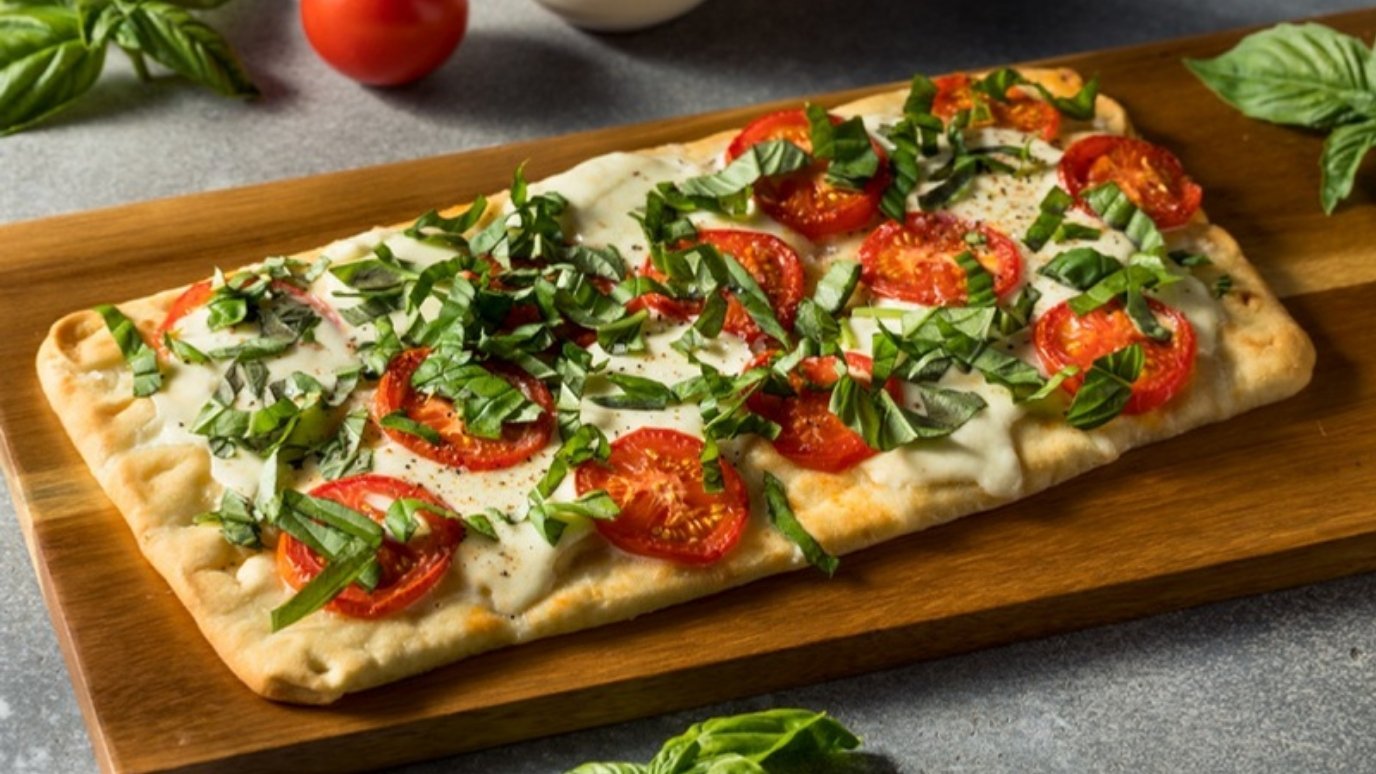
Blend 1 cup (226 g) of cottage cheese with 2 large eggs until completely smooth, spread it thin on parchment, and bake at 350°F (175°C) for 30 to 40 minutes until the edges are deep golden and the top is dry. Let it cool fully before you lift it. Half the sheet makes one large wrap with about 18 g of protein and under 6 g of carbs.
You saw it on your feed: someone peels a golden, floppy flatbread off a baking sheet, folds it around chicken and greens, and says it’s just cottage cheese and eggs. So you try it. Twenty minutes later you’re scraping a pale, soggy layer off the parchment and wondering what you did wrong.
Almost nothing, it turns out. Cottage cheese flatbread is simple, but three small details decide whether you get a wrap or a mess, and most recipes skip all three. Below is the recipe that works, the real nutrition numbers worked out from USDA data, why yours might be falling apart, and the sodium and lactose details nobody else seems to mention.
A quick note on who’s writing: I’m Nada, I have a background in medicine and a Nutrition Science certification from Zewail International Academy, and every number in this article comes from USDA FoodData Central or the food-safety sources listed at the end.
The Recipe: 2-Ingredient Cottage Cheese Flatbread
Makes: 1 sheet (2 large wraps or 4 small flatbreads) | Prep: 5 minutes | Bake: 30 to 40 minutes | Cool: 10 minutes
Ingredients
- 1 cup (226 g) cottage cheese, 2% or full-fat
- 2 large eggs
- Optional: ½ tsp garlic powder, 1 tsp Italian seasoning or everything bagel seasoning, a pinch of black pepper
You’ll need
- A blender, food processor or stick blender
- A quarter sheet pan (about 9 x 13 inches / 23 x 33 cm)
- Parchment paper, not wax paper
- Heat the oven to 350°F (175°C) and line the pan with parchment. Lightly oil the parchment even if it’s labeled non-stick. The egg proteins grip paper as they set.
- Blend until there are no curds left at all. This takes 30 to 60 seconds in a blender. The batter should look like thick pancake batter with no white specks. Leftover curds release water in the oven and leave wet pockets that tear.
- Spread it thin and even, about ¼ inch (5 to 6 mm). Use the back of a spoon or an offset spatula and push batter into the corners. A thick center with thin edges is the classic reason the middle stays soft while the edges burn.
- Bake 30 to 40 minutes, until the edges are deep golden and the top looks dry and matte with no shine. Pale and glossy means it needs more time, even if the timer says done.
- Cool on the pan for at least 10 minutes, then peel the parchment away from the flatbread rather than lifting the flatbread off the paper. It firms up a lot as it cools, so this step matters more than it looks.
- Cut into 2 or 4 pieces and use it right away, or store it (see the food-safety section below).
Because this is an egg dish, it should reach 160°F (71°C) in the center, which is the FDA’s safe temperature for egg dishes. A sheet this thin passes that long before the top dries out, so if it looks dry and golden, it’s done.
This trips a lot of people up. If you search for cottage cheese flatbread, you’ll find two recipes that have almost nothing in common except the cottage cheese. One is the viral egg-baked sheet above. The other is a kneaded dough made with cottage cheese and self-rising flour, cooked in a skillet like naan. Both are good, but they do different jobs.
| Egg-baked (this recipe) | Flour dough version | |
|---|---|---|
| Ingredients | Cottage cheese + eggs | Cottage cheese + self-rising flour |
| Method | Blend, spread, bake | Mix, knead, roll, cook in a skillet |
| Texture | Thin, soft, foldable, eggy | Bready, chewy, puffs like naan |
| Protein per piece | About 18 g per large wrap (half sheet) | About 11 g per flatbread* |
| Carbs per piece | Under 6 g | About 33 g per flatbread* |
| Gluten | None in the ingredients | Contains wheat |
| Best for | Low-carb wraps, GLP-1 meals, gluten-free eating | Anyone who wants real bread texture with some extra protein |
If your goal is more protein and fewer carbs, the egg version wins by a wide margin. If you want something that tastes like bread and holds up to dipping, the flour version is the one to make. This article sticks with the egg version from here on.
Why Your Cottage Cheese Flatbread Falls Apart (and How to Fix It)
“Why is my cottage cheese flatbread falling apart?” is one of the most searched questions about this recipe. Nearly every failure traces back to water or to lifting it too soon. Here’s what each problem is telling you.
| What happened | Most likely cause | Fix |
|---|---|---|
| Soggy or wet in the middle | Spread too thick in the center, or underbaked | Spread to an even ¼ inch; bake until the top is matte, not shiny |
| Tears when you lift it | Lifted while warm | Cool 10 minutes on the pan, then peel the paper off the bread |
| Stuck to the parchment | Bare paper, or wax paper used by mistake | Use parchment and brush it lightly with oil |
| Wet pockets and holes | Curds not fully blended | Blend until there are no specks left |
| Rubbery, spongy texture | Spread too thick | Use the full quarter sheet pan; don’t crowd it into a smaller dish |
| Edges burn before the center sets | Uneven spread, or pan too high in the oven | Level the batter and bake on the middle rack |
| Watery batter from the start | Very loose cottage cheese with lots of liquid | Drain it in a fine sieve for 10 minutes before blending |
The single biggest fix is patience at the end. A warm egg-and-cheese sheet is fragile. Ten minutes later it behaves like a tortilla.

Cottage Cheese Flatbread Nutrition: What You Get Per Wrap
Most recipes either skip nutrition or list one number for the whole sheet. I worked it out per piece from USDA FoodData Central values for 2% cottage cheese and whole large eggs, so you can see exactly what one wrap gives you and how it compares to the flour tortilla it might be replacing.
| Per serving | Calories | Protein | Carbs | Fat | Sodium |
|---|---|---|---|---|---|
| Whole sheet | 327 | 36 g | 11.6 g | 14.8 g | 838 mg |
| 1 large wrap (½ sheet) | 164 | 18 g | 5.8 g | 7.4 g | 419 mg |
| 1 small flatbread (¼ sheet) | 82 | 9 g | 2.9 g | 3.7 g | 210 mg |
| 8-inch flour tortilla, for comparison | 144 | 3.8 g | 23.6 g | 3.6 g | 293 mg |
One large wrap gives you almost five times the protein of a flour tortilla and about a quarter of the carbs, for roughly 20 more calories. That’s about the same protein as three large eggs, in something you can fold around lunch.
Not sure how much protein you need in a day? Our protein calculator will give you a personal target, which makes it easier to see where a wrap like this fits.
The sodium nobody mentions
Regular cottage cheese is salty. USDA data puts 2% cottage cheese at about 308 mg of sodium per 100 g, so one cup brings close to 700 mg before you add a single topping. That’s why one large wrap lands around 419 mg, more than the tortilla it replaces. Add deli meat or cheese and it climbs quickly.
The simple fix is low-sodium or no-salt-added cottage cheese. USDA lists low-sodium lowfat cottage cheese at just 13 mg of sodium per 100 g, with slightly more protein (12.4 g per 100 g). Swapping it in drops the whole sheet from about 838 mg to about 171 mg of sodium, an 80% cut, and nudges the protein up to roughly 40 g. If you’re watching your blood pressure, this one swap matters more than anything else in the recipe.
Can you eat it if you’re lactose intolerant?
Probably, at a normal portion. Cottage cheese has about 4 g of lactose per 100 g, so the whole sheet holds roughly 9 g and one large wrap about 4.5 g. A 2010 systematic review in the Annals of Internal Medicine and the European Food Safety Authority both concluded that most adults with lactose intolerance tolerate about 12 g of lactose in one sitting with little or no symptoms, and often more when it’s spread across the day.
Tolerance varies, and some people react to less. If you’re sensitive, start with a small flatbread, or use lactose-reduced cottage cheese, which USDA lists as well. Our lactose intolerance diet list covers which other dairy foods tend to be easier.
Who This Flatbread Is Especially Good For
If you’re on a GLP-1 medication
On Ozempic, Wegovy, Mounjaro or Zepbound, your appetite shrinks, and every bite needs to carry more protein to protect muscle. A small flatbread is a compact way to get 9 g of protein without a heavy, greasy meal that can worsen nausea. If you want the bigger picture, read how to handle muscle loss on Ozempic, Wegovy and Zepbound, or see a full week of meals in our Mounjaro meal plan.
🥗 Need more protein-first meals like this?
The GLP-1 Kickstart Kit is a 73-page printable guide with small-portion, protein-first meal ideas, grocery lists and tips for eating well when your appetite is low on a GLP-1 medication.
Get the GLP-1 Kickstart Kit for $27 →If you’re eating low-carb
Under 3 g of carbs per small flatbread means you can have a wrap or a pizza night without the 20-plus grams in a regular tortilla or pita. It also keeps a breakfast sandwich from turning into a blood-sugar spike, which pairs well with the ideas in our calorie deficit breakfast ideas.
If you avoid gluten
Cottage cheese and eggs contain no gluten, so the egg version is naturally gluten-free. The catch is the label: some cottage cheeses include modified food starch or other thickeners, and seasoning blends can hide wheat. Check every ingredient, and if you have celiac disease, look for a certified gluten-free label. Our guide to hidden gluten ingredients shows what to look for. If you’re new to this way of eating, the Gluten-Free Lifestyle E-Book walks you through shopping, swaps and eating out.
5 Ways to Use Cottage Cheese Flatbread
1. Protein wrap. Use a half sheet as a wrap for grilled chicken, tuna salad or leftover roasted vegetables with hummus. Fold it while it’s at room temperature; cold from the fridge, it cracks more easily, so warm it for 10 to 15 seconds first.
2. Thin-crust pizza. After the first bake, top it with a thin layer of tomato sauce, mozzarella and vegetables, then return it to a 400°F (200°C) oven until the cheese melts and bubbles. Keep the sauce thin; a heavy layer makes the base soggy again.
3. Breakfast sandwich. Cut the sheet into four squares and stack two around a scrambled egg, spinach and sliced tomato. It’s a fast way to get past 20 g of protein before 9 a.m.
4. Crackers. Spread the batter thinner than usual, score it into squares, and bake longer, until it’s browned all over. Let it cool fully on the pan and it crisps into crackers for dips.
5. Bowl topper. Slice a flatbread into strips and use it like pita alongside a high-protein bowl for a meal that holds you until dinner.
Flavor variations
- Everything bagel: sprinkle the seasoning on top before baking.
- Herby: blend in a handful of fresh basil or spinach; it turns the batter green and adds almost no calories.
- Smoky taco: add smoked paprika, cumin and garlic powder for taco-night wraps.
- Cheesy: scatter a little grated Parmesan over the top in the last 5 minutes for crispier edges (this adds sodium, so go easy).
Air fryer? Pinterest is full of air fryer versions. It works best in small batches: line the basket with a parchment round, use about half the batter, and cook at 350°F. Air fryers run hotter and vary a lot between models, so check early and often and go by the same signs as the oven: golden edges and a dry, matte top.
How Long It Keeps: Storage and Reheating
Some recipes say this flatbread keeps for 4 to 5 days in the fridge. Because it’s an egg dish, I follow USDA and FDA guidance instead, which is shorter:
- Fridge: refrigerate within 2 hours of baking and eat within 3 to 4 days. Separate the pieces with parchment so they don’t stick.
- Freezer: freeze flat in a single layer, then stack with parchment between pieces. USDA’s Food Safety and Inspection Service says leftovers keep their best quality for 3 to 4 months in the freezer.
- Reheating: warm in a dry skillet for about a minute per side or in the microwave for 15 to 20 seconds. USDA and FDA advise reheating leftover egg dishes to 165°F (74°C).
Batch tip: bake two sheets on Sunday, cut them into eight small flatbreads, and freeze half. Pull one out the night before and lunch is half done.
Cottage Cheese Flatbread FAQs
Is cottage cheese flatbread healthy?
For most people, yes. One large wrap gives about 18 g of protein and under 6 g of carbs for around 164 calories. The main thing to watch is sodium: regular cottage cheese adds about 419 mg per wrap, which low-sodium cottage cheese cuts dramatically.
Can I make cottage cheese flatbread without eggs?
Not the baked-sheet version, because the eggs are what hold it together. Without eggs, make the flour dough version instead: cottage cheese mixed with self-rising flour, kneaded and cooked in a skillet. It has more carbs and less protein, but it’s egg-free.
Does it taste like cottage cheese?
Not really. Once it’s blended smooth and baked, it tastes mild and slightly eggy, closer to a thin omelet or crepe than to cottage cheese. Seasoning on top makes the biggest difference to flavor.
Can I use Greek yogurt instead of cottage cheese?
It isn’t a straight swap. Greek yogurt is wetter and has a different protein structure, so it doesn’t set the same way. If you try it, expect a softer, more fragile result and a longer bake.
Full-fat or low-fat cottage cheese?
Both work. Full-fat gives a slightly richer flavor and a more tender texture; 2% or low-fat keeps calories lower with about the same protein. Fat-free tends to be wetter, so drain it first.
How do I know when it’s done?
Look for deep golden edges and a top that’s dry and matte with no wet shine. If it’s pale or glossy, give it 5 more minutes. As an egg dish, it should reach 160°F (71°C) in the center.
Start Here
Make one sheet this week, blend it longer than feels necessary, spread it thinner than feels right, and wait the full 10 minutes before you touch it. Get those three things right and you’ll have a wrap that folds instead of falling apart. If it becomes a staple, switch to low-sodium cottage cheese and you’ve got one of the most protein-dense breads you can make at home.
Pair it with one of our protein shakes for GLP-1 users on busy days, or check our guide to starting a gluten-free diet if this recipe is part of a bigger change.
This article is for general education and isn’t medical advice. If you have kidney disease, high blood pressure, a milk or egg allergy, or celiac disease, check with your doctor or a registered dietitian about how this fits your diet.
References
- USDA FoodData Central: cottage cheese, lowfat 2% milkfat (FDC 172182); cottage cheese, lowfat, low sodium; cottage cheese, lowfat 1%, lactose reduced (FDC 167703); egg, whole, raw; flour tortilla, ready-to-bake.
- FoodSafety.gov: Safe Minimum Internal Temperatures (egg dishes 160°F; leftovers 165°F).
- USDA FSIS: Leftovers and Food Safety (refrigerate within 2 hours; 3 to 4 days in the fridge, 3 to 4 months frozen).
- Shaukat A, et al. Systematic review: effective management strategies for lactose intolerance. Annals of Internal Medicine, 2010 (12 to 15 g lactose well tolerated by most adults).
- EFSA Scientific Opinion on lactose thresholds in lactose intolerance (2010).
