

Ever open the fridge and just… pause?
Not because there’s no food—but because you don’t know what will actually feel right anymore.
If that sounds familiar, you’re not alone.
A lot of women I work with aren’t just struggling with what to eat—they’re stuck in a loop of stress, overthinking, and emotional eating. Long days, kids, mixed advice online… and suddenly food becomes another decision you’re too tired to make.
Here’s the part no one tells you:
It’s not a willpower problem. It’s a pattern.
I’m Dr. Nada, a pharmacist (BPharm, Cairo University) certified in Nutrition Science and Obesity Management, and in my work with nutrition clients I see the same loop again and again: stress, quick food, guilt, repeat.
That’s why this isn’t just a list of “healthy recipes. ”These high-protein bowls are designed to be a reset habit:
simple, balanced meals you can fall back on when your brain is tired and your body just needs something steady.
Not to be perfect. Not to “diet harder.”
But to gently break the loop and give your body a sense of calm again.
Let’s start simple…
The quick answer: a protein bowl that supports weight loss pairs a palm-sized portion of lean protein with half a bowl of vegetables, a small scoop of fiber-rich carbs and a spoonful of healthy fat. The 10 bowls below are built exactly that way, and the table further down shows roughly how much protein each one gives you, so you know what you are actually eating.
Why lead with protein? A 2015 review in the American Journal of Clinical Nutrition found that higher-protein, calorie-reduced diets led to more weight loss, more fat loss and better preservation of lean muscle than lower-protein versions, and that protein has a modest effect on fullness. That is the whole idea behind these bowls.
What Makes a High-Protein Bowl Perfect for Weight Loss
A high-protein bowl for weight loss isn’t about strict rules or perfect macros—it’s about building a meal that keeps you full, steady, and satisfied, especially on days when you don’t have the energy to overthink food.
Instead of grabbing whatever is quickest and ending up hungry an hour later, a well-built protein bowl gives your body what it actually needs in a simple, repeatable way.
Here’s what makes it work:
A solid protein base
This is the anchor of your bowl—the part that helps reduce cravings and keeps you full longer.
Think: chicken, eggs, Greek yogurt, tuna, tofu, lentils, or cottage cheese.
Fiber-rich carbs (not zero carbs)
You don’t need to cut carbs to lose weight—you need the right ones.
Adding quinoa, brown rice, sweet potatoes, or beans helps with satiety and energy without spikes and crashes.
Healthy fats (in small amounts)
A little fat makes meals more satisfying and helps you stay full.
Avocado, olive oil, tahini, or nuts can make a big difference, even in small portions.
Volume from vegetables
Vegetables add bulk without heaviness. They help you feel like you actually ate a full meal, not just a snack.
If you’re not sure how much protein you actually need, you can use this simple protein calculator to get a personalized estimate based on your body and goals.
Why this matters more than you think
When your meals are balanced like this, something important happens:
- You stay full longer
- You stop thinking about food all the time
- You’re less likely to fall into stress eating later
And that’s where this becomes more than just nutrition.
It becomes a habit that quietly breaks the cycle of grabbing something quick, not feeling satisfied, craving more, and ending up feeling off again.
How Much Protein Is in Each Bowl?
These are approximate numbers for the portions I suggest, based on standard values in USDA FoodData Central. Brands and cuts vary, so check your labels if you track closely.
| Bowl | Main protein portion | Approx. protein per bowl |
|---|---|---|
| Chicken and quinoa | 4 oz cooked chicken breast + 1 cup cooked quinoa | about 40 g |
| Salmon and avocado | 4 oz cooked salmon + 1/2 cup brown rice | about 27 g |
| Ground beef and sweet potato | 4 oz cooked lean ground beef | about 28 to 30 g |
| Shrimp and rice | 4 oz cooked shrimp + 1/2 cup rice | about 27 to 29 g |
| Turkey and brown rice | 4 oz cooked lean ground turkey + 1/2 cup brown rice | about 30 g |
| Tofu and veggie | 150 g firm tofu + 1 cup cooked quinoa | about 25 to 30 g |
| Greek yogurt (sweet) | 1 cup plain nonfat Greek yogurt + a few nuts | about 25 g |
| Egg and avocado | 3 large eggs + toast | about 20 to 22 g |
| Lentil and chickpea | 1/2 cup each cooked lentils and chickpeas | about 16 to 18 g |
| Cottage cheese and berry | 1 cup low-fat cottage cheese + nuts | about 25 to 28 g |
Notice the two lowest: the egg bowl and the lentil bowl. If you want them to keep you as full as the others, add an extra egg white or a side of Greek yogurt to the first, and a scoop of quinoa or a few cubes of tofu to the second. To find your own daily target, try my macronutrient calculator.
10 High-Protein Bowl Recipes for Weight Loss
1. Chicken & Quinoa Protein Bowl
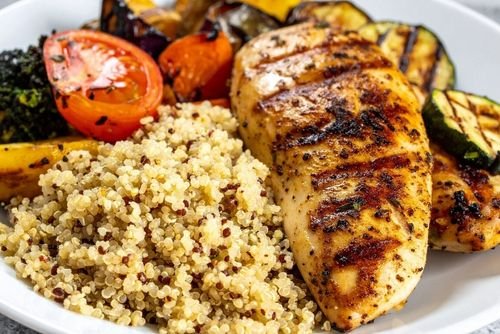
This is one of those meals you can come back to on busy days when you don’t want to think too much. It’s simple, balanced, and filling enough to keep you steady for hours.
Protein: Grilled or baked chicken breast
Carbs: Quinoa
Healthy fats: Olive oil or a few avocado slices
Veggies: Cucumber, cherry tomatoes, spinach or arugula
How to build it:
- Add a base of cooked quinoa
- Top with sliced chicken
- Add your vegetables
- Drizzle with olive oil and a squeeze of lemon
- Season with salt, pepper, and any herbs you like
Why it works:
This bowl gives you a steady mix of protein, fiber, and healthy fats, which helps reduce cravings and keeps your energy stable. It’s especially helpful on days when you would normally grab something quick and end up feeling hungry again soon after.
Make it easier:
Cook extra chicken and quinoa ahead of time so you can throw this together in minutes. On low-energy days, having something this simple ready can make a big difference in staying consistent without pressure.
2. Salmon & Avocado Protein Bowl
This is a calming, satisfying option when you want something nourishing without feeling heavy. It’s rich, simple, and helps you feel steady instead of chasing snacks later.
Protein: Baked or pan-seared salmon
Carbs: Brown rice or quinoa
Healthy fats: Avocado
Veggies: Spinach, cucumber, shredded carrots
How to build it:
- Start with a base of rice or quinoa
- Add cooked salmon (flaked or whole)
- Add sliced avocado and vegetables
- Drizzle with olive oil, lemon juice, and a pinch of salt
Why it works:
The combination of protein and healthy fats helps keep you full longer and reduces the urge to snack mindlessly. It’s a good choice on days when you feel physically or mentally drained and need something steady.
Make it easier:
Use pre-cooked rice and bake salmon in batches. Even canned salmon works if you’re short on time.
3. Ground Beef & Sweet Potato Protein Bowl
This bowl is warm, grounding, and especially helpful when you’re craving something comforting. It gives you that “real meal” feeling so you don’t keep looking for more food afterward.
Protein: Lean ground beef
Carbs: Roasted sweet potatoes
Healthy fats: Olive oil or tahini drizzle
Veggies: Zucchini, bell peppers, or broccoli
How to build it:
- Roast sweet potato cubes with a little olive oil
- Cook ground beef with salt, pepper, and simple spices
- Add sautéed or roasted vegetables
- Combine everything in a bowl and drizzle lightly with olive oil or tahini
Why it works:
This bowl satisfies both physical hunger and emotional cravings. The balance of protein and carbs helps you feel full and reduces the need to keep eating later out of stress or habit.
Make it easier:
Cook a batch of ground beef and roasted vegetables ahead of time. On busy days, you can quickly assemble a warm, filling meal instead of reaching for whatever is easiest.
4. Shrimp & Rice Protein Bowl
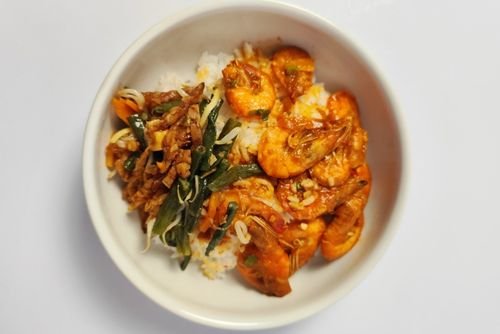
This is a quick, light option for days when you want something easy but still satisfying. It comes together fast and helps you avoid the “grab anything” pattern when you’re short on time.
Protein: Shrimp (sautéed or grilled)
Carbs: White or brown rice
Healthy fats: Olive oil or a light sesame drizzle
Veggies: Bell peppers, shredded cabbage, cucumber, or carrots
How to build it:
- Start with cooked rice
- Sauté shrimp with garlic, salt, and a squeeze of lemon
- Add your vegetables
- Drizzle with olive oil or a light sauce
Why it works:
Shrimp cooks in minutes, so you’re less likely to skip the meal or replace it with snacks. The protein and carbs together help stabilize your energy and reduce cravings later.
Make it easier:
Keep frozen shrimp on hand—they thaw quickly and can save you on busy days when you don’t feel like cooking.
5. Turkey & Brown Rice Protein Bowl
This is a simple, reliable meal you can repeat without getting overwhelmed. It’s balanced, filling, and easy to adjust based on what you have at home.
Protein: Ground turkey
Carbs: Brown rice
Healthy fats: Olive oil or avocado
Veggies: Green beans, spinach, or roasted vegetables
How to build it:
- Cook ground turkey with simple spices (salt, pepper, paprika, garlic)
- Add a base of brown rice
- Add your vegetables
- Drizzle lightly with olive oil or add a few avocado slices
Why it works:
It’s steady and predictable, which is exactly what you need when your mind is tired. Having a “default meal” like this reduces decision fatigue and helps you stay consistent without pressure.
Make it easier:
Cook turkey and rice in batches. When you already have the basics ready, putting together a balanced meal becomes almost automatic.
6. Tofu & Veggie Protein Bowl
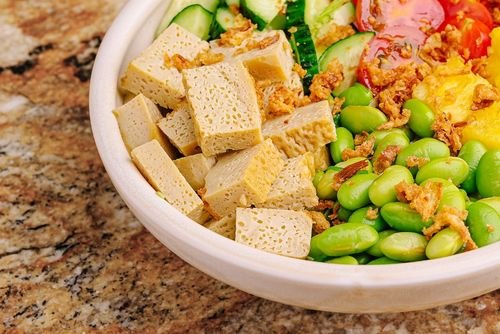
This is a simple, plant-based option that feels light but still keeps you full. It’s a good choice when you want something easy on your body without losing that sense of a complete meal.
Protein: Firm tofu
Carbs: Quinoa, brown rice, or even roasted potatoes
Healthy fats: Olive oil or tahini
Veggies: Broccoli, zucchini, carrots, or any roasted vegetables
How to build it:
- Press and cube the tofu, then sauté or bake until lightly golden
- Add a base of quinoa or rice
- Add your vegetables (roasted or steamed)
- Drizzle with olive oil or a simple tahini-lemon sauce
Why it works:
This bowl is balanced without being heavy. It helps you feel satisfied while keeping your energy steady, which can reduce the urge to snack out of boredom or stress.
Make it easier:
Bake a tray of tofu and vegetables ahead of time. When everything is ready, assembling a meal takes just a few minutes. If you prefer plant-based options, you can explore these vegan protein sources to easily build high-protein bowls without relying on animal products.
7. Greek Yogurt Protein Bowl (Sweet Option)
This is a quick, no-cook option for when you’re craving something sweet but still want to feel full and in control. It works well as breakfast or even a calm alternative to late-night snacking.
Protein: Greek yogurt
Carbs: Fresh fruit (berries, banana, apple)
Healthy fats: Nuts, seeds, or a small drizzle of nut butter
Extras: Cinnamon or a touch of honey
How to build it:
- Add Greek yogurt to a bowl
- Top with fruit
- Add a small handful of nuts or seeds
- Sprinkle cinnamon or add a light drizzle of honey if needed
Why it works:
It satisfies sweet cravings in a balanced way, so you don’t feel like you need to keep eating. The protein helps you stay full, while the natural sweetness feels comforting without the crash.
Make it easier:
Keep yogurt, fruit, and nuts ready at home. On days when you want something quick, this can replace less satisfying options and help you stay consistent without effort.
8. Egg & Avocado Breakfast Protein Bowl
This is a simple, grounding meal to start your day without overthinking. It’s especially helpful on mornings when you’re rushed or already feeling mentally tired.
Protein: Eggs (boiled, scrambled, or poached)
Carbs: Whole grain toast pieces, roasted potatoes, or quinoa
Healthy fats: Avocado
Veggies: Spinach, cherry tomatoes, or cucumber
How to build it:
- Add your carb base (toast pieces, potatoes, or quinoa)
- Top with cooked eggs
- Add sliced avocado and vegetables
- Season with salt, pepper, and a drizzle of olive oil if needed
Why it works:
Starting your day with protein and fat helps you feel steady and reduces early cravings. It sets a calmer tone so you’re not chasing food all day.
Make it easier:
Boil eggs ahead of time and keep them in the fridge. On busy mornings, you can assemble this bowl in minutes without thinking.
9. Lentil & Chickpea Plant-Based Protein Bowl
This is a hearty, plant-based option that feels filling and comforting. It’s great when you want something simple that still keeps you satisfied for hours.
Protein: Lentils and chickpeas
Carbs: Brown rice, quinoa, or keep it lighter with just legumes
Healthy fats: Olive oil or tahini
Veggies: Spinach, cucumber, tomatoes, or roasted vegetables
How to build it:
- Add a base of lentils and chickpeas (cooked or canned, rinsed)
- Add rice or quinoa if you want a fuller meal
- Add vegetables
- Drizzle with olive oil or a simple tahini-lemon dressing
Why it works:
The combination of plant protein and fiber helps you feel full and reduces the need to keep snacking. It’s steady, simple, and works well on days when you want something easy but nourishing.
You can also explore these high fiber breakfast foods to add more fiber to your meals, which helps you stay full longer and keep your energy more stable throughout the day.
Make it easier:
Use canned lentils and chickpeas to save time. Keep a simple dressing ready so you can quickly turn this into a complete meal.
10. Cottage Cheese & Berry Protein Bowl
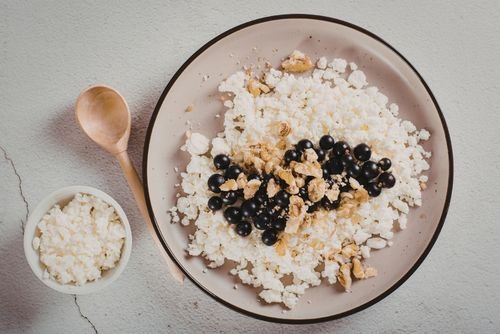
This is a simple, no-cook option that works when you want something light, slightly sweet, and still filling. It’s a good choice for breakfast, a quick meal, or when you’re about to reach for random snacks.
Protein: Cottage cheese
Carbs: Fresh berries (strawberries, blueberries, raspberries)
Healthy fats: Nuts, seeds, or a small spoon of nut butter
Extras: Cinnamon or a light drizzle of honey
How to build it:
- Add cottage cheese to a bowl
- Top with berries
- Add a small handful of nuts or seeds
- Sprinkle cinnamon or add a little honey if needed
Why it works:
It satisfies the need for something sweet without leaving you hungry. The protein helps you stay full, so you’re less likely to keep grazing afterward.
Make it easier:
Keep cottage cheese, berries, and nuts ready in your fridge. When you want something quick, this becomes an easy default instead of overthinking what to eat.
Quick Tips to Make These Bowls a Daily Habit
You don’t need perfect planning to stay consistent. The goal is to make these bowls your “easy option” when your energy is low.
1- Keep a few basics ready: Cook protein and carbs ahead of time so you can build a bowl in minutes.
2- Have a simple default: Pick 1–2 bowls you like and repeat them. You don’t need variety every day.
3- Make it visible and easy: Keep ingredients where you can see them. When food is easy to grab, you’re more likely to use it.
4- Don’t wait until you’re starving: Try to eat before you reach that “I’ll eat anything” point. It helps you stay more in control.
5- Keep it simple, not perfect: A basic bowl is enough. You don’t need to build the perfect meal every time.
6- Use it as a pause, not a rule: When you feel the urge to grab random food, come back to one of these bowls. It’s not about restriction—it’s about giving yourself something that actually satisfies you.
Consistency doesn’t come from strict plans. It comes from having something easy you can rely on, even on your busiest days.
If planning is the part that falls apart for you, my 4-Week Weight Loss Planner gives you printable pages for weekly meals, a grocery list and a quick check-in, which is usually enough to keep two or three default bowls in rotation. Leftovers keep well, too: the USDA advises eating cooked leftovers within 3 to 4 days from the fridge, so cook proteins and grains in batches you can finish by midweek.
Build Your Own Protein Bowl: A Simple Formula
Once you have made a few of the bowls above, you will not need recipes at all. Every one of them follows the same four-part pattern, which you can fill with whatever is in your fridge.
- Protein (a palm-sized portion): chicken, turkey, fish, shrimp, eggs, tofu, Greek yogurt, cottage cheese, lentils or beans.
- Vegetables (about half the bowl): leafy greens, cucumber, peppers, broccoli, zucchini, cabbage, roasted carrots.
- Fiber-rich carbs (a cupped handful): quinoa, brown rice, sweet potato, beans, oats or a small portion of fruit for sweet bowls.
- Fat and flavor (a thumb-sized amount): olive oil, avocado, tahini, nuts or seeds, plus lemon, herbs and spices.
Hand portions are a rough guide, not a rule, but they scale with your body size, which is exactly why they work better than one fixed number for everyone. If you prefer fall flavors, the same pattern works with pumpkin and squash in these high-protein fall recipes that won’t spike your blood sugar.
Common Mistakes That Make Protein Bowls Stall Weight Loss
The sauce quietly doubles the calories. A heavy pour of tahini, peanut sauce or creamy dressing can add more calories than everything else in the bowl except the protein. Measure it once with a tablespoon so you know what a normal portion looks like, then eyeball it after that.
The carb scoop keeps growing. Rice and quinoa are easy to over-serve straight from the pot. Plating the vegetables first and adding the grain last keeps the proportions honest.
Plant-based bowls come up short on protein. Lentils and chickpeas are great, but as the table above shows, a typical serving gives less protein than a piece of chicken or fish. Combine two plant proteins, or add tofu, edamame or Greek yogurt on the side.
Skipping the vegetables because they take time. A bag of pre-washed greens or frozen stir-fry vegetables counts. Volume is what makes a modest-calorie bowl feel like a full meal.
📝 Make these bowls a weekly habit
Planning is what turns a good recipe into a routine. My 4-Week Weight Loss Planner has printable pages for meal planning, grocery lists and weekly check-ins, so you can see your progress without overthinking it.
Get the planner – $5 →Protein Bowl FAQ
How much protein should a weight-loss bowl have?
Most of the bowls above land between about 20 and 40 grams. Your daily need depends on your size: the Harvard Nutrition Source notes the National Academy of Medicine’s minimum of 0.8 grams per kilogram of body weight per day, and research on weight loss suggests higher-protein diets help protect muscle while you eat less. My protein calculator gives you a personal estimate.
Are protein bowls good for meal prep?
Very. Cook the protein and grain in batches, keep vegetables and sauces in separate containers so nothing goes soggy, and follow the USDA’s 3 to 4 day guideline for refrigerated leftovers.
Can I eat a protein bowl every day?
Yes, as long as you rotate the ingredients. Switching between fish, poultry, eggs, dairy and plant proteins, and changing the vegetables through the week, gives you a wider range of nutrients than eating the identical bowl every day.
Do these bowls work if I take a GLP-1 medicine?
They are a good fit, because GLP-1 medicines such as semaglutide often reduce appetite, and protein-first meals help you keep muscle while you eat less. You may need smaller portions than listed here. I explain why in muscle loss on Ozempic, Wegovy and Zepbound, and my GLP-1 Kickstart Kit has meal plans sized for a smaller appetite. Ask your prescriber before making big changes to how you eat.
Final Thoughts
You don’t need another strict plan to follow or a perfect diet to stick to.
If you’ve been feeling stuck with food—confused, tired, or eating without really thinking—it’s not because you’re doing something wrong. It’s usually a mix of habits, stress, and patterns that built up over time.
That’s why something as simple as these protein bowls can make a real difference.
They give you a steady option to come back to when your energy is low and your mind is tired. Instead of overthinking every meal or grabbing whatever is easiest, you have something that actually satisfies you and helps you feel more in control.
Not perfectly. Just consistently.
Start with one bowl you like. Repeat it. Let it become familiar.
Over time, it’s these small, steady choices that help you feel better in your body and a little more at ease with food again.
If you have a medical condition such as kidney disease, take prescription medicines, or are pregnant, talk to your doctor before making a big change to how much protein you eat.
Last reviewed: November 2026.
Written by Dr. Nada Ahmed El Gazaar, BPharm — a pharmacist certified in Nutrition Science (Zewail International Academy) and Obesity Management (EPSN Academy), who works with nutrition clients online. This article is educational and not a substitute for personal medical advice.
References
- Leidy HJ, et al. The role of protein in weight loss and maintenance. Am J Clin Nutr. 2015.
- Harvard T.H. Chan School of Public Health. The Nutrition Source: Protein.
- U.S. Department of Agriculture. FoodData Central.
- USDA Food Safety and Inspection Service. Leftovers and Food Safety.
