
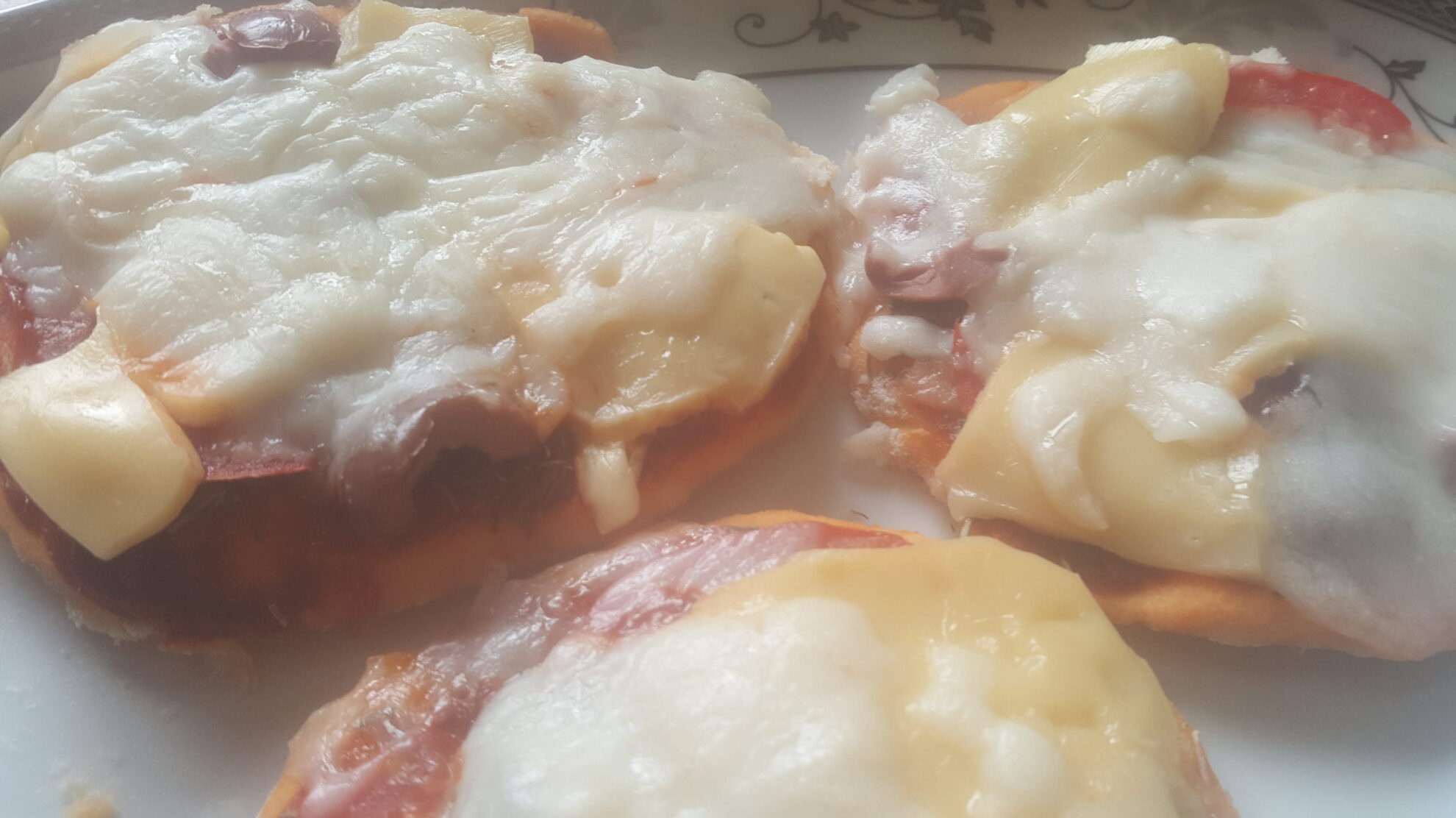
You want pizza, not a science project. Most gluten-free crusts either need forty minutes of baking, a bag of xanthan-gum-heavy flour blend, or both, and by the time it’s ready the craving has usually passed. This one skips all of that: a lentil-and-rice-flour base that goes from bowl to plate in under ten minutes, cooked entirely in the microwave.
I built this recipe around ingredients I’d actually keep in my kitchen, not specialty gluten-free flour blends that sit half-used in the pantry. Lentil flour and rice flour are both naturally gluten-free, cheap, and easy to find, and together they hold up better than rice flour alone.
Why Lentil Flour Changes the Texture
Rice flour on its own makes a crust that’s dry and a little gritty once it cools. Lentil flour fixes that. It’s higher in protein than rice flour, and that protein is what gives the dough enough structure to hold toppings without turning gummy in the microwave, where there’s no dry heat to crisp anything up.
It also means this isn’t just a gluten-free workaround — it’s a slightly more filling one. A base built partly from lentil flour brings more protein and fiber to the plate than a straight rice-flour crust, which matters if gluten-free pizza is something you’re making on repeat rather than once a month.
The microwave method is the other half of why this works. No preheating, no fifteen minutes watching a conventional oven, and no risk of a soggy center that a lot of quick gluten-free crusts end up with. Two minutes on high, and it’s done.
Making it yourself also means you’re not stuck with whatever additives are in a packaged gluten-free crust. If you want something sweet to follow it, these easy low-carb no-bake desserts use the same no-oven logic.
Ingredients
- 2 tbsp lentil flour
- 2 tbsp rice flour
- ¼ tsp baking powder
- Pinch of salt
- 1 tbsp olive oil
- 3 tbsp warm water
- 2 tsp tomato paste
- 1 small tomato, finely chopped or grated
- 1 tsp dried thyme
- Olives, sliced
- Mozzarella cheese, shredded
Instructions
- In a bowl, combine lentil flour, rice flour, baking powder, and salt.
- Add olive oil and warm water, then mix until a soft dough forms. The dough should be smooth and slightly thick, not too runny.
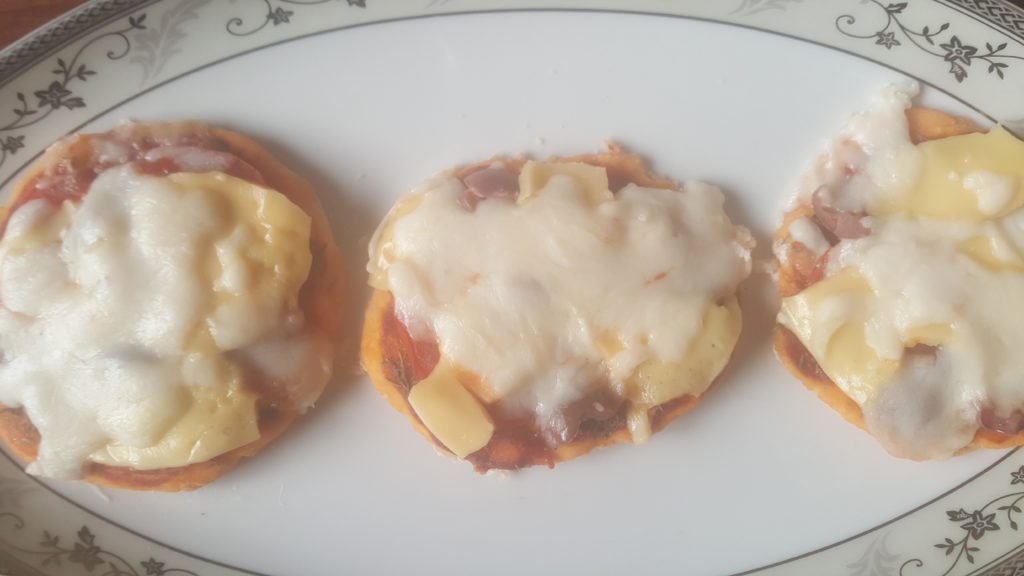
- Divide the dough into 2–3 portions and shape into small, flat pizza bases (about ½ cm thick).
- Place the bases on a microwave-safe plate lined with parchment paper (or lightly greased).
- Spread tomato paste over each base and sprinkle with thyme.
- Add chopped tomato, olives, and shredded mozzarella cheese.
- Microwave on high for about 2 minutes.
- Cooking time may vary slightly depending on your microwave.
- Let the mini pizzas rest for 2–3 minutes before serving to allow them to firm up.
Now it is ready to serve

Toppings That Actually Work in a Microwave
Not every topping survives two minutes of microwave heat the same way it survives an oven. Raw vegetables that need real cooking time — think raw broccoli or thick potato slices — will still be raw when the timer goes off. Stick to toppings that only need warming through, and this stays flexible without turning into a soggy mess:
- Cheese swap → Cheddar, parmesan, or a dairy-free cheese if you want it vegan too.
- More vegetables → Mushrooms, bell peppers, baby spinach, or grated zucchini work because they’re thin enough to cook through in two minutes.
- Protein boost → Shredded rotisserie chicken, canned tuna, or leftover grilled meat, added after the cheese so it heats rather than dries out.
- Spicy → Chili flakes or a few slices of jalapeño.
- Mediterranean → Olives, crumbled feta, a drizzle of olive oil after cooking.
- Breakfast version → Crack a small egg on top before microwaving — it’ll set in roughly the same two minutes as the rest of the toppings.
If you like keeping a rotation of quick homemade options, these easy gluten-free desserts follow the same no-fuss approach.
I made a version of this weekly for a stretch when I was rebuilding my own gluten-free routine after being diagnosed with a gluten intolerance, mostly because it meant not having to plan ahead or thaw anything. If you’re in that same early stage, starting a gluten-free diet the right way makes a big difference in whether it sticks.
Keeping It Actually Gluten-Free
The dough itself is gluten-free by ingredient, but the toppings are where gluten sneaks in. Mayo Clinic flags condiments, gravies, and pre-shredded cheese blends as common hidden sources — some pre-shredded cheeses are coated in a starch that isn’t always gluten-free, and tomato paste can occasionally contain modified food starch derived from wheat. If you have celiac disease rather than a general sensitivity, check the label on both before you buy, since in the US a product can only be marketed “gluten-free” below 20 parts per million of gluten.
Cross-contamination is the other risk, and it’s easy to miss in your own kitchen. A cutting board or knife that touched regular bread earlier that day can transfer enough gluten to trigger symptoms in someone with celiac disease, even after a rinse. If gluten-free needs to mean gluten-free in your house, a dedicated cutting board and utensil set for this dough is worth the small extra step — the common myths around cross-contamination are worth a read if you’ve been told it’s overblown.
If you’re gluten-free by choice rather than medical necessity, it’s worth knowing that cutting gluten doesn’t automatically mean cutting calories or carbs — some packaged gluten-free products are more processed than their wheat-based counterparts. Whether gluten-free is always healthier is a fair question to ask before building your whole diet around it.
If you’ve just started and you’re not sure whether a headache or a flat mood after eating is your body reacting to gluten or something else entirely, this gluten intolerance symptoms checklist is a more useful starting point than guessing.
Recipes like this one solve dinner. They don’t solve the harder part, which is knowing what to keep in your pantry, what to check on a label, and what to swap when a craving hits and you don’t have forty minutes. That’s the gap I built the Gluten-Free Lifestyle E-Book to close — it’s the pantry list and label-reading guide I wished I’d had when I started.
Beyond the Pizza: Snacks and Flours Worth Knowing About
Gluten-free flour has moved past the rice-and-cornstarch blends that dominated a decade ago. Cassava, tigernut, and green banana flour are showing up more often in 2026 because they hold moisture and structure better than straight rice flour — the same reason lentil flour works here. If this dough becomes a regular thing in your kitchen, it’s worth experimenting with a small ratio of one of those in place of the rice flour to see how the texture changes.
Between meals, a lot of the “gluten-free snack” aisle is still ultra-processed rice-and-corn puffs with little to offer besides being technically safe to eat. If you want something with more staying power than this pizza between meals, these gluten-free snacks that actually fill you up are a better bet than another bag of puffed rice crisps.
And if gluten is hiding somewhere you didn’t expect — soy sauce, some oats, certain broths — this list of hidden gluten ingredients covers the ones people miss most often.
🌾 Ditch the Guesswork on Gluten-Free Eating
The Gluten-Free Lifestyle E-Book covers the pantry staples, label red flags, and meal ideas that make this way less overwhelming after the first few weeks.
Get the E-Book – $15 →Three Mistakes That Ruin This Recipe
The dough is forgiving, but three things reliably go wrong. Too much water is the first — the dough should hold its shape when you pat it into a round, not spread on its own. If it’s sticking to your hands, add a spoonful more rice flour rather than fighting it.
The second is overloading the toppings. This isn’t a New York slice — a thin layer of sauce, a modest handful of cheese, and two or three toppings is the limit before the center stays wet no matter how long you microwave it. The third is skipping the rest time after cooking. Straight out of the microwave, the base is still setting; give it those two or three minutes and it firms up considerably.
Frequently Asked Questions
Can I make this without lentil flour?
Yes — chickpea flour is the closest swap since it’s also legume-based and has a similar protein boost. Oat flour (certified gluten-free) or extra rice flour both work too, but the dough will be a little less sturdy and slightly more crumbly once it cools.
Is this gluten-free mini pizza healthy?
It’s a reasonable option compared to a lot of packaged gluten-free pizza, mostly because you control the ingredients and portion size. The lentil flour adds fiber and protein that a plain rice-flour crust wouldn’t have, but it’s still a pizza — the overall nutrition depends heavily on how much cheese and how many toppings you pile on.
Can I make this dairy-free too?
Yes. Swap the mozzarella for a plant-based cheese, or skip cheese entirely and use nutritional yeast for a savory, cheese-like flavor without dairy.
How long does this actually take, start to finish?
About 8 to 10 minutes total — a couple of minutes to mix and shape the dough, 2 minutes in the microwave, and a few minutes to let it firm up before you eat it. There’s no rise time and no preheating, which is the whole point.
Can I store leftovers?
These are best fresh since the crust softens as it sits, but you can refrigerate leftovers for up to 1–2 days and reheat in the microwave for 30–40 seconds. Reheating in a toaster oven instead will bring some of the firmness back if you have one that’s dedicated gluten-free.
Is this suitable for kids?
Yes, and letting kids pick their own toppings is an easy way to get them involved without turning dinner into a project. Just double-check any packaged toppings you didn’t make yourself for gluten if anyone eating is celiac rather than just gluten-free by preference.
The Bottom Line
A lentil-and-rice-flour base gets you a real, structurally sound crust in under ten minutes with no oven and no specialty flour blend. It won’t fool anyone into thinking it’s a wood-fired pizza, but it solves the actual problem: a craving, a microwave, and not much time. Keep the ingredients on hand and this becomes less of a recipe and more of a five-minute default.
