
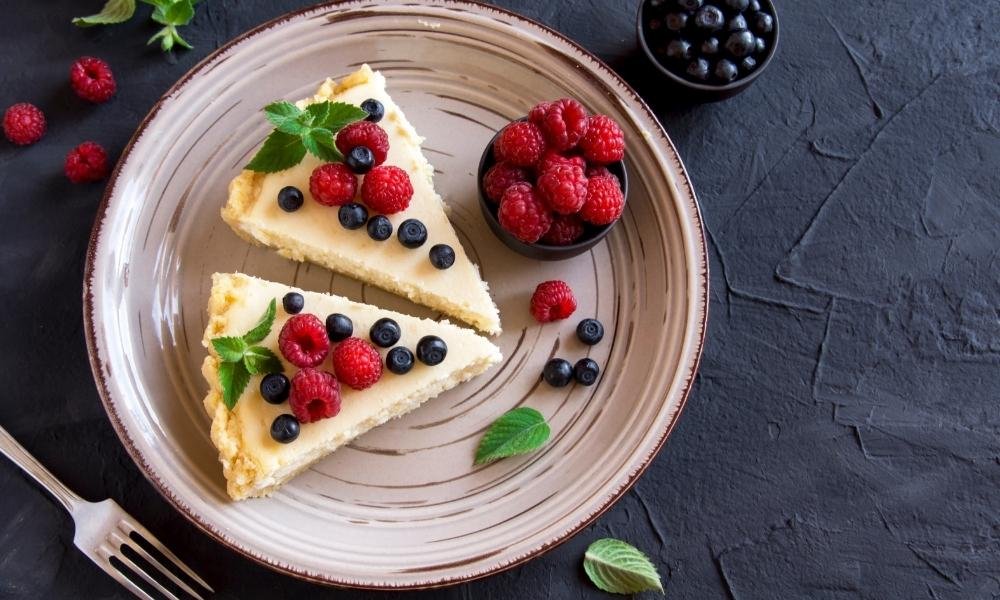
It’s 9pm, you’ve eaten clean all day, and suddenly you’d do almost anything for something sweet. Turning on the oven feels like too much work, and most “healthy” desserts either taste like cardboard or blow your carb count for the day. That’s the exact moment this guide is for.
I have a background in nutrition science, and the question I hear more than almost any other is some version of “what can I eat that’s sweet but won’t wreck my progress?” The honest answer is that you don’t need to bake, measure out a dozen ingredients, or give up dessert entirely. You need a handful of simple, cream- and cocoa-based recipes that come together in the time it takes to load the dishwasher.
Below are three no-bake desserts I actually make on repeat, plus what changed in 2024 about one of the sweeteners most low-carb recipes (including a lot of mine, in the past) lean on. That part matters more than it sounds like it should.
Why No-Bake Wins When a Craving Hits
No oven, no timer, no risk of a cheesecake cracking because the kitchen got too hot. That’s the whole appeal, but it’s not just about convenience.
Most no-bake low-carb desserts come down to four or five ingredients: cream, a fat source, cocoa or fruit, and a sweetener. Fewer ingredients means fewer places for hidden carbs to sneak in, which is exactly how a “keto” bakery treat can quietly carry 20g of net carbs from the flour blend alone. When you’re building the dessert yourself, you control every gram.
There’s also a blood sugar angle. A fat-and-protein-based dessert like a mousse or cheesecake digests slowly, so it doesn’t spike and crash the way a slice of regular cake does. If you’re managing blood sugar in the evening, that steadiness is the difference between sleeping fine and waking up at 3am hungry again.
And because these desserts lean on fat for texture instead of sugar for bulk, a single serving tends to be more filling per calorie than its traditional counterpart. A slice of regular cheesecake and a jar of the no-bake version below land in a similar calorie range, but the no-bake version keeps you full longer because it’s carrying almost no carbs to burn through quickly.
The Sweetener Question: What Changed Since This Was Written
Here’s the part I want to flag before you make anything below: erythritol, the sweetener most keto dessert recipes (again, mine included) have treated as the default safe choice, has real question marks around it now.
In 2023, a study of roughly 4,000 people published in Nature Medicine linked higher blood levels of erythritol to a greater risk of heart attack and stroke. Cleveland Clinic followed up with a small human trial: healthy volunteers who consumed about 30g of erythritol (similar to what’s in a “sugar-free” muffin or soda) saw their blood erythritol levels jump more than 1,000-fold, and their blood showed increased clotting activity. Table sugar, given to a comparison group, did not cause the same effect. The Cleveland Clinic research team has called this “increasing evidence” that erythritol isn’t as harmless as its current safety classification suggests.
To be fair about the limits here: the human trial was small and short, and the FDA still classifies sugar alcohols like erythritol as safe. Nobody has shown that an occasional low-carb dessert causes a clot. But if you have heart disease, diabetes, or any clotting risk, or if erythritol shows up in your diet daily rather than occasionally, this is worth knowing before you keep reaching for it out of habit.
What I use instead now: allulose or monk fruit, alone or blended. Neither has the same clotting signal in the research so far, and both measure and taste close enough to sugar that you won’t notice the swap in any of the three recipes below. I’ve written each recipe with “powdered erythritol or preferred low-carb sweetener” for exactly this reason — swap it 1:1 for allulose, or use a monk fruit blend if you prefer a bit more sweetness per spoonful.
Here’s how the three most common low-carb sweeteners actually compare, so you’re not guessing in the baking aisle:
| Sweetener | Sweetness vs. sugar | Known downside | Best for |
|---|---|---|---|
| Allulose | ~70% as sweet | Can cause mild GI upset in large amounts | Mousse, ice cream, anything blended |
| Monk fruit (blend) | Equal or sweeter | Aftertaste for some people at high doses | Cheesecake filling, drinks |
| Erythritol | ~70% as sweet | Linked to clotting markers in 2023–2024 research; can bloat some people | Occasional use, not a daily default |
Three No-Bake Desserts You Can Make Tonight
You don’t need complicated recipes or hard-to-find ingredients. With a few basics like cream, berries, cocoa, and a low-carb sweetener, you can create desserts that feel indulgent without the extra carbs or effort.
All three below are:
- Quick to prepare (most take just a few minutes)
- Low in carbs and blood sugar-friendly
- Made with simple ingredients you likely already have
Low-Carb Chocolate Mousse (Quick & Creamy)
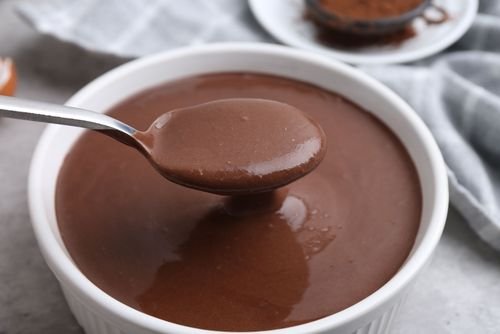
This is the one I make when I want something sweet in under five minutes flat. No cooking, no cooling time required — just a bowl, a hand mixer, and whatever cocoa you have in the pantry.
Ingredients
- 1 cup heavy cream
- 2 tbsp unsweetened cocoa powder
- 2–3 tbsp powdered erythritol (or preferred low-carb sweetener)
- 1/2 tsp vanilla extract
Instructions
- In a mixing bowl, add the heavy cream, cocoa powder, sweetener, and vanilla extract.
- Using a hand mixer, whip the mixture until it thickens and forms soft peaks.
- Taste and adjust sweetness if needed.
- Spoon into serving bowls and chill for 10–15 minutes (optional, but improves texture).
Nutrition (Per Serving)
- Calories: ~220
- Fat: 22g
- Net Carbs: ~2–3g
- Protein: ~2g
Tips & Variations
- For a richer texture, add a tablespoon of cream cheese before whipping.
- Use monk fruit sweetener for a smoother taste with less aftertaste.
- Top with a few berries or shaved dark chocolate (85%+) for extra flavor.
Five minutes of effort, zero oven time, and it still feels like a real dessert.
No-Bake Keto Cheesecake (recommended)
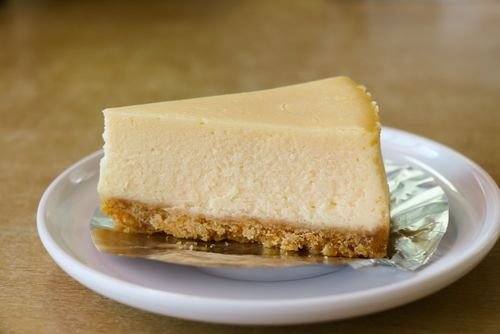
If the mousse is what you make on a weeknight, this cheesecake is what you make when you’re hosting people who don’t even know they’re eating low-carb. It holds its shape, slices cleanly, and nobody has ever correctly guessed there’s no sugar in it.
Ingredients
For the crust:
- 1 cup almond flour
- 2 tbsp melted butter
- 1 tbsp powdered erythritol
For the filling:
- 8 oz cream cheese, softened
- 1/2 cup heavy cream
- 3 tbsp powdered erythritol (adjust to taste)
- 1 tsp vanilla extract
- 1 tsp lemon juice (optional, for freshness)
Instructions
- In a bowl, mix almond flour, melted butter, and erythritol until combined.
- Press the mixture firmly into the bottom of small jars or a lined pan to form the crust. Place in the fridge to set.
- In another bowl, beat the cream cheese until smooth and creamy.
- Add heavy cream, sweetener, vanilla extract, and lemon juice.
- Whip until the mixture becomes light and fluffy.
- Spoon the filling over the chilled crust and smooth the top.
- Refrigerate for at least 1–2 hours until firm.
Nutrition (Per Serving)
- Calories: ~320
- Fat: 30g
- Net Carbs: ~3–4g
- Protein: ~5g
Tips & Variations
- You can skip the crust for an even lower-carb option.
- Add a few berries on top for flavor without significantly increasing carbs.
- For a firmer texture, chill overnight.
Cold, dense, and creamy enough that it’s hard to believe it skipped the oven entirely.
👉 Easy Keto Fat Bombs: 5 Quick Recipes to Curb Cravings & Stay on Track
🍓 Still Not Sure What To Eat Day to Day?
Desserts are easy once the rest of your day is dialed in. My 4-Week Weight Loss Planner lays out exactly what to eat, track, and prep each day, so a dessert like this one stays a planned treat instead of a slip-up.
Get the Planner – $5 →Low-Carb Blackberry Ice Cream (No-Bake & Refreshing)
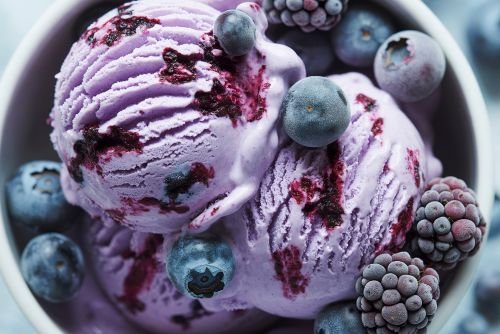
This one skips the dairy-heavy richness of the first two and leans into fruit instead. It’s the dessert I reach for on hot days when a dense cheesecake sounds like too much.
This low-carb blackberry ice cream is a naturally sweet dessert that’s perfect when you want something cool and satisfying without added sugar or baking. It’s simple to make and uses real ingredients that fit easily into a low-carb lifestyle.
Ingredients
- 1 cup blackberries (fresh or frozen)
- 1/2 cup heavy cream
- 2–3 tbsp powdered erythritol (or preferred sweetener)
- 1/2 tsp vanilla extract
Instructions
- Blend the blackberries until smooth. You can strain the mixture to remove seeds if preferred.
- Add heavy cream, sweetener, and vanilla extract to the blender.
- Blend again until fully combined and creamy.
- Pour the mixture into a container and freeze for 2–3 hours.
- Stir once or twice during freezing to improve texture.
Nutrition (Per Serving)
- Calories: ~180
- Fat: 17g
- Net Carbs: ~3–4g
- Protein: ~2g
Tips & Variations
- Add a tablespoon of cream cheese for a creamier, more ice cream-like texture.
- If using frozen berries, let them thaw slightly before blending.
- Adjust sweetness depending on how tart your berries are.
Light, fruity, and the closest thing to actual ice cream you’ll get without a machine or a carb hangover.
👉 7 Easy Keto Muffins: Savory & Almond Flour Recipes for Breakfast and Snacks
The Mistakes That Turn a “Healthy” Dessert Into a Problem
None of these three recipes will derail you. What derails people is what they do around the recipe.
Treating “Low-Carb” as “Unlimited”
A cup of heavy cream has around 800 calories. Eat the whole batch of mousse in one sitting and the carbs were never the issue — the calories were. Stick to the serving sizes above, especially if weight loss, not just carb counting, is the goal.
Stacking Sweetness on Top of Sweetness
If every meal and snack is sweetened, even with “good” sweeteners, your palate never recalibrates and the cravings never actually fade. Keep desserts moderately sweet and let savory meals stay savory.
Making Dessert a Daily Habit
Even a zero-sugar dessert, eaten every single night, keeps your brain anchored to “I need something sweet after dinner.” Occasional is what keeps these recipes working as a tool instead of a trap.
Ignoring How Your Own Body Responds
Some people get bloated on erythritol or sugar alcohols generally, independent of the cardiovascular research above — that’s a separate, well-documented digestive effect. If you notice bloating, loose stools, or stalled progress after a sweetener-heavy stretch, that’s your own data, and it’s worth listening to over anything a label says.
Buying “Keto” Packaged Desserts Instead
Packaged low-carb desserts are convenient, but the ingredient label often hides a blend of three or four sweeteners stacked together, plus gums and fillers that add their own digestive baggage. Making your own means you know exactly what’s in the bowl, down to the brand of sweetener.
Need something else to grab when the craving hits mid-afternoon instead of after dinner? These no-prep keto snacks cover that gap.
The goal isn’t perfection. It’s having two or three desserts you trust enough that you stop improvising with whatever “keto-friendly” packaged snack is in the pantry.
Frequently Asked Questions
Are no-bake low-carb desserts really keto-friendly?
Yes, as long as they use low-carb ingredients like almond flour, heavy cream, and sugar-free sweeteners, they fit well into a keto diet. The key is keeping total carbs within your daily limit, which all three recipes above do easily at 2–4g net carbs per serving.
Do no-bake desserts affect blood sugar?
Much less than traditional sweets, since they’re low in net carbs and higher in fat, which slows digestion. Individual responses still vary depending on the sweetener used and portion size.
Can I eat low-carb desserts every day?
You can, but I’d treat them as an occasional option rather than a daily habit. Even a sugar-free dessert can keep cravings alive if it shows up every single evening.
Is erythritol still safe to use in 2026?
The FDA still lists it as safe, and nothing here says one occasional dessert is dangerous. But given the 2023–2024 research linking it to blood clotting markers, I use allulose or monk fruit by default now, and I’d especially suggest the swap if you have heart disease, diabetes, or any personal clotting risk.
What is the best sweetener for no-bake desserts?
Allulose measures and tastes closest to real sugar and browns similarly, while monk fruit works well as a straight 1:1 swap in anything you whip or blend, like the mousse and ice cream above. Both avoid the clotting signal that’s shown up in erythritol research.
Why am I still craving sweets on a low-carb diet?
Cravings are often triggered by stress, poor sleep, or a diet that’s still sweetened constantly, just with sugar-free versions. If cravings feel out of proportion to actual hunger and keep showing up regardless of what you eat, that’s a pattern worth addressing directly rather than out-recipeing it — which is the specific gap Lean Bliss was designed around, since it targets cravings rather than just carb counts. Disclosure: that’s an affiliate link — if you buy through it, I may earn a small commission at no extra cost to you. More on that on my affiliate disclosure page.
Can I make these desserts dairy-free?
Yes — substitute full-fat coconut cream for heavy cream, and use a dairy-free cream cheese alternative in the cheesecake. Just check the carb count on whatever dairy-free product you use, since some add more sugar than you’d expect.
Final Thoughts
You don’t need perfect recipes or strict rules — just a few reliable options that work for your lifestyle and a sweetener choice you’ve actually thought about rather than defaulted into. Start with whichever of these three sounds best tonight, see what satisfies you most, and build from there.
