

You cut the bread, skipped the pasta, and ate your eggs like a good keto student. So why is the scale stuck and the cravings back? Most of the time it isn’t the obvious carbs. It’s five foods that look healthy and quietly eat your whole carb budget.
Here is the short answer. On keto you usually aim for roughly 20–50 grams of carbs a day (Harvard’s Nutrition Source describes it as typically under 50 grams, and sometimes as low as 20). The keto foods to avoid that trip people up most are legumes, peanuts and peanut butter, low-fat dairy, most fruit, and trans fats or hydrogenated oils. Below I explain why each one causes trouble, give you rough numbers, and show what to eat instead.
A quick note on who I am: I’m Nada. I hold a certification in Nutrition Science from Zewail International Academy and I’m a pharmacist, but I’m not a registered dietitian and I don’t treat patients. I went through the nutrient data and the published guidance for this guide, and I flag where numbers vary. If you take diabetes medication, have kidney or liver disease, or are pregnant, please talk to your doctor before starting keto (more on that near the end).
Why “Healthy” Foods Can Stall Keto
Keto doesn’t care whether a food is nutritious in general. It cares about how many carbohydrates you take in, because that is what decides whether your body keeps producing ketones. A lentil soup can be a great meal on a Mediterranean plan and a bad one on keto.
Three patterns show up again and again:
- A “healthy” snack with hidden sugar in the ingredient list
- A high-fiber food that people assume is automatically keto-friendly, when the net carbs are still high
- Low-fat products that replace the missing fat with sugar or starch
None of these feel like mistakes in the moment. Together they can push you over your limit and make it harder to stay in ketosis. If you suspect that has already happened, my guide on the signs you’ve been kicked out of ketosis shows what to look for.
Keto Foods to Avoid: Quick Reference
These are rough net-carb figures (total carbs minus fiber) from USDA FoodData Central values. Brands, ripeness and portion size change them, so treat them as ballpark numbers and check your own labels.
| Food | Typical portion | Roughly net carbs | Better swap |
|---|---|---|---|
| Cooked lentils | 1 cup | 20–25 g | Zucchini, cauliflower |
| Cooked chickpeas | 1 cup | About 30 g | Roasted pumpkin seeds, olives |
| Peanut butter | 2 tablespoons | About 5 g (more if sweetened) | Unsweetened almond butter |
| Low-fat milk | 1 cup | About 12 g | Heavy cream splash, unsweetened almond milk |
| Banana | 1 medium | 20–25 g | Raspberries, a few strawberries |
| Apple | 1 medium | About 20 g | Blackberries |
| Grapes | 1 cup | About 25 g | Raspberries |
1. Legumes: Lentils, Beans and Chickpeas
Lentils, chickpeas and kidney beans are fantastic on most diets, which is exactly why they trip people up on keto. They are rich in fiber and plant protein, but a single cup of cooked lentils still lands around 20–25 grams of net carbs, and chickpeas run closer to 30. That is most of a strict keto day in one bowl.
What to eat instead: if you miss the bulk and chew of beans, zucchini and eggplant give volume, cauliflower works as a mash or base, and a small handful of nuts or seeds gives you something filling to reach for.
If you’re doing keto for weight loss, I’d skip legumes at first, then test small portions later once you know how your body responds. If you prefer a flexible approach, my keto cycle diet plan shows when and how to move your carb intake up and down.
2. Peanuts and Peanut Butter
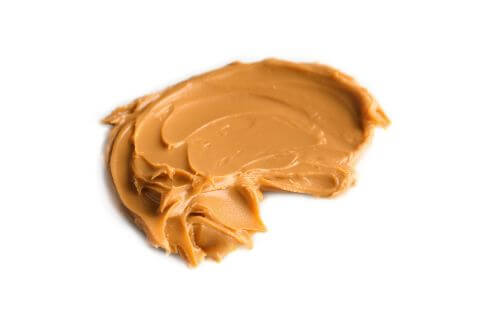
Peanuts feel like a keto snack: crunchy, fatty, full of protein. They are actually legumes, and they come with two problems.
The first is portions. Peanut butter is very easy to eat by the spoonful, and the carbs add up faster than you notice. The second is the label. Many commercial jars contain added sugar and hydrogenated oils, which can turn a 5-gram serving into something much higher in carbs.
Better options: unsweetened almond butter, macadamia nut butter, or whole pecans and walnuts. If you do keep peanut butter, pick a natural jar whose ingredients are just peanuts (and maybe salt), and measure one to two tablespoons instead of eating from the jar.
3. Low-Fat Dairy
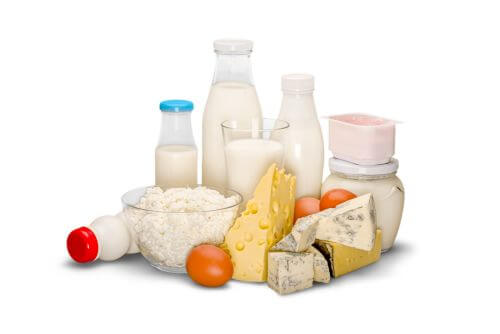
Low-fat dairy feels like the sensible choice until you remember what keto runs on. When fat is taken out of yogurt or flavored milk, manufacturers often add sugar or milk solids back to fix the taste and texture. A cup of milk already carries around 12 grams of carbs from lactose, and low-fat flavored yogurts can be higher than the full-fat versions.
Fat is also what keeps you full on keto. Strip it out and you tend to snack more, which defeats the point.
Better options: plain full-fat Greek yogurt, hard cheeses like cheddar and parmesan, and butter or heavy cream in modest amounts. Always read the label on yogurt, since even one sweetened spoonful can shift the numbers. For easy ways to use these foods, see my easy keto dinner recipes and these lazy keto breakfast recipes for busy mornings.
4. Most Fruit
Fruit is where people feel most righteous and lose the most ground. The sugar in fruit is natural, but your body still counts it as carbohydrate. A medium banana is roughly 20–25 grams of net carbs, a medium apple about 20, and a cup of grapes about 25. Any of those can use up a strict day’s allowance.
You don’t have to give up fruit entirely. Berries are the exception, as long as you keep them small and measure them:
- Avocado: technically a fruit, very low in net carbs and high in fat
- Raspberries and blackberries: the lowest-carb berries, in small handfuls
- Strawberries: fine in moderate portions
Side effect worth knowing: many people feel digestive changes when they first drop carbs and fiber patterns shift. If that sounds familiar, I explain what’s going on in my guide to keto diarrhea and the “whoosh”.
5. Trans Fats and Hydrogenated Oils
Keto encourages eating more fat, and that leads some people to think any fat is fine. It isn’t. Artificial trans fats come from partially hydrogenated oils, which the FDA determined are not generally recognized as safe in food. Manufacturers were required to stop adding them to most foods after June 18, 2018, but they can still turn up in older stock, some imported products, and as small amounts in certain fried or processed foods. Trans fats are linked to higher heart disease risk, which is the opposite of what you want from a diet you’re choosing for your health.
Check ingredient lists for “partially hydrogenated oil” in margarine, shortening, packaged baked goods and snack foods. Where possible, build your fats around olive oil, avocado, butter or ghee, nuts and seeds. For a make-ahead option made from simple ingredients, these savory keto muffins are an easy start.
The Obvious Carbs People Still Forget
The five above are the sneaky ones. Pfizer’s health education team lists the more obvious high-carb groups too: grains such as bread, pasta, rice, cereal and oats; starchy vegetables like potatoes, corn and peas; sugary foods and desserts; and sugary drinks like juice, sports drinks and soda. Sauces, dressings and “low-carb” packaged products deserve a label check, because starch and sugar hide there.
What to Eat Instead
- Instead of legumes: zucchini, cauliflower, broccoli or eggplant for volume
- Instead of peanut butter: almond or macadamia butter, or pecans and walnuts
- Instead of low-fat dairy: full-fat Greek yogurt, cheese, butter or cream, checked for added sugar
- Instead of sweet fruit: small portions of berries, or avocado
- Instead of processed fats: olive oil, avocado, butter or ghee, nuts and seeds
The goal is not to eat less variety. It’s to swap, so keto stays easy to repeat. When you want something sweet, these warm keto desserts or these no-bake low-carb desserts are better than a half-banana “just this once.”
How to Catch Hidden Carbs
Hidden carbs are the biggest reason people think keto “doesn’t work for them.” A tracking habit solves most of it:
- Read labels: check total carbs, fiber and serving size, not the “keto-friendly” banner on the front
- Measure portions for a week: nuts, nut butter and cheese are easy to over-pour
- Watch sauces and dressings: ketchup-style sauces and many dressings contain sugar or starch
- Go easy on keto-labeled snacks: some use polyols that cause bloating. If you need grab-and-go options, start with these easy keto snacks on the go
- Lean on whole foods: eggs, fish, poultry, meat, leafy greens and natural fats are easy to count
If you want a simple way to log meals and spot patterns, my 4-Week Weight Loss Planner is a simple, low-cost place to write meals down and see which ones are quietly adding carbs. It isn’t keto-specific, but the habit of recording what you eat is what matters.
📋 Track what you eat for four weeks
Hidden carbs are much easier to catch when you write meals down. The 4-Week Weight Loss Planner is a simple, $5 place to do it, so you can see what is really stalling your results.
Get the 4-Week Weight Loss Planner – $5 →If you track macros more closely, my free macronutrient calculator and the pescatarian keto meal plan are good next reads.
Who Should Be Careful With Keto
Keto isn’t right for everyone. Harvard’s Nutrition Source notes that very-low-carb diets can cause fatigue, headaches, constipation and brain fog early on, and raises concerns about long-term effects such as kidney stones. Ketoacidosis is rare in people without diabetes but is a real risk in type 1 diabetes. Talk to your doctor first if you have diabetes, kidney or liver disease, a history of kidney stones, are pregnant or breastfeeding, or take regular medication. Don’t change prescribed doses on your own.
Keto Foods to Avoid: FAQ
How many carbs can I eat on keto?
Most plans aim for about 20–50 grams of net carbs a day. Where you land depends on your body, activity level and goals, which is why testing and tracking beat guessing.
Can I eat any fruit on keto?
Yes, in small amounts. Avocado, raspberries, blackberries and a few strawberries fit most plans. Bananas, apples and grapes usually don’t.
Are beans ever okay on keto?
Small spoonfuls might fit if you’re at the higher end of the carb range, but a full cup of lentils or chickpeas is too much for most strict keto days.
Is full-fat dairy really better than low-fat on keto?
Usually, yes. It tends to have fewer carbs per serving and keeps you fuller. Plain versions without added sugar are the safest choice.
How do I know a food has knocked me out of ketosis?
The only reliable way is to measure ketones with a test. Symptoms such as returning cravings, stalled weight and low energy are hints, not proof. My article on the signs you’ve been kicked out of ketosis covers them in detail.
The Bottom Line
Keto rarely fails because of one dramatic slip. It stalls because of small, repeated choices: the half-cup of lentils, the spoonful of peanut butter, the “healthy” fruit bowl. Swap those five categories, read your labels, and keep a simple record, and you’ll remove most of the friction.
Sources
- Harvard T.H. Chan School of Public Health: Ketogenic Diet
- U.S. FDA: Final Determination Regarding Partially Hydrogenated Oils
- Pfizer Health Answers: Foods to Avoid While on Keto Diet
- USDA FoodData Central (nutrient values)
Last reviewed: October 2026. Written by Nada, certified in Nutrition Science (Zewail International Academy) with a pharmacy degree. This article is educational and not a substitute for personal medical advice.
