
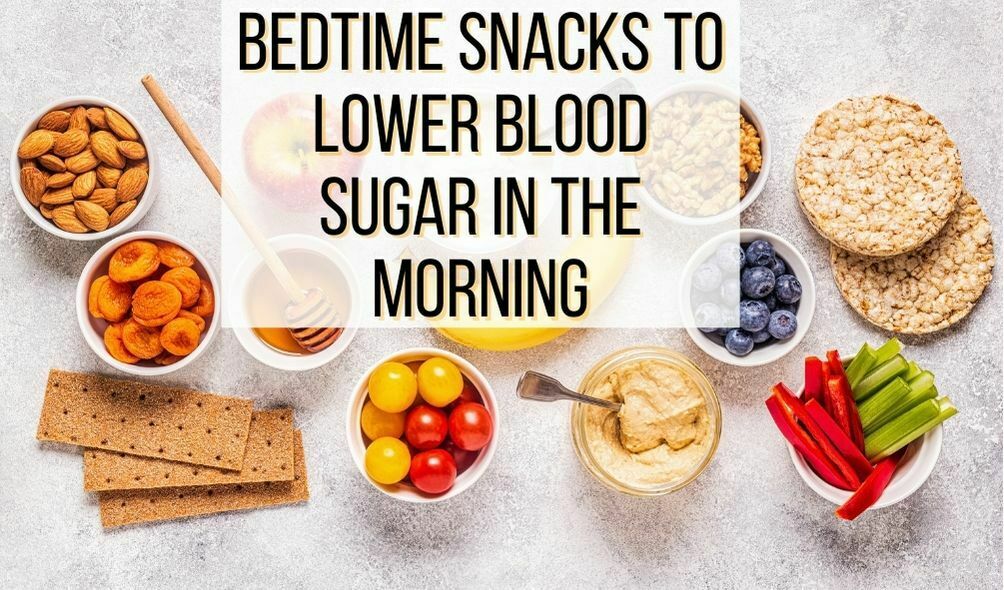
You did everything right last night. Dinner was reasonable, you skipped dessert, you were in bed by ten — and your fasting number is still higher than it was the morning after the birthday cake. If that has ever made you want to throw the meter across the room, you are not imagining it, and it is not really about willpower.
An estimated 40.1 million Americans have diagnosed or undiagnosed diabetes and another 115.2 million have prediabetes, according to the CDC’s most recent national data. If you are one of them and you wake up to a number that does not match how careful you were the evening before, the explanation almost never has anything to do with a midnight sugar drop. It is a hormone surge that happens whether you snack or not.
A note on who is writing this: my background is in medicine and I hold a certification in Nutrition Science from Zewail International Academy. I am not a registered dietitian and I do not have clients — what follows is what the current evidence says, corrected against an earlier, less accurate version of this article.
The Somogyi Effect Is Not What Is Happening To You
This article used to build its entire argument around something called the Somogyi effect: the idea that your blood sugar crashes overnight, and your body overcorrects by dumping glucose into your bloodstream by morning. That theory is from the 1930s, and modern continuous glucose monitoring research has not been kind to it.
A Washington University study using CGM data found that nocturnal hypoglycemia did not actually cause daytime hyperglycemia, and people with high morning readings typically had elevated glucose all night, not a dip. Cleveland Clinic still lists the Somogyi effect as a real but specific scenario in people using insulin who accidentally overdose it before bed — it is not the universal explanation this article previously claimed, and for most people managing type 2 diabetes with diet alone, it is not what is happening.
What Is Actually Raising Your Morning Number: The Dawn Phenomenon
Between roughly 3 a.m. and 8 a.m., your body releases cortisol and growth hormone that tell your liver to produce more glucose — a completely normal mechanism that is supposed to help you wake up with enough energy to get moving. In someone without diabetes, the pancreas answers with a matching burst of insulin and nothing changes. In someone with diabetes, that answering insulin is missing or blunted, so the glucose stays elevated.
This is common: it affects more than half of people with type 1 or type 2 diabetes. And critically, it happens whether or not you ate a snack at 9pm. That is the correction this article needed most.
Cleveland Clinic’s actual guidance for people not on an insulin pump comes down to two things: increasing your evening exercise, and shifting your evening meal toward a higher protein-to-carbohydrate ratio. Oral medications and long-acting insulin injections typically do not touch the dawn phenomenon specifically — it is a timing problem, not a dose problem, which is exactly why a pump with an adjustable overnight basal rate is the most effective fix when one is available.
None of this means bedtime snacks are pointless. It means the honest reason to eat one is steadier evening blood sugar and better sleep, not an attempt to prevent a crash that, for most people, was never really happening.
What A Good Bedtime Snack Actually Needs
The formula that shows up across the research is consistent: some protein, a little healthy fat, and carbohydrate you keep modest. Protein and fat both slow gastric emptying, which flattens the glucose curve compared to eating the same carbs alone. None of the nine ideas below need to be more complicated than that.
Portion matters more than people expect. A snack in the 150 to 200 calorie range is enough to prevent the “too hungry to sleep” problem without turning into a second dinner that raises your overnight average instead of steadying it. If you already have a list of prediabetes-specific ideas you like, this roundup of pre-diabetic snack ideas overlaps with several of the picks below and adds a few store-bought options.
Check out more posts about Diabetic diet:
- Can Diabetics Eat Mango?
- Vegetables for Diabetics to Avoid.
- Best Diet for Type 2 Diabetes and Weight Loss.
- 7-day diabetic meal plan pdf
- Fast Food Breakfast For Diabetics
- Diabetic Exchange List of Foods.
- Is The South Beach Diet Good For Diabetics?
- What happens when you eat a lot of sugar with diabetes?
- 9 Ideas for Bedtime Snack to Lower Blood Sugar in the Morning
9 Bedtime Snacks Worth Keeping In Rotation
1. Nuts and seeds
A small handful — about an ounce — of almonds, walnuts or pumpkin seeds gives you roughly 6 grams of protein, healthy fats and next to no carbohydrate impact. Walnuts specifically bring omega-3 fatty acids; almonds are a strong source of vitamin E. Pre-portion these into small containers if you tend to eat past a handful once the bag is open.
2. Eggs
One large egg supplies about 6 grams of complete protein for roughly 70 calories and almost no carbohydrate, which makes it one of the cleanest bedtime options on this list. Pair it with a couple of whole-grain crackers if you want a little fiber alongside it — fiber slows digestion, which is the same mechanism that makes protein and fat useful here.
3. Low-fat cheese
A stick of low-fat mozzarella or a slice of an unprocessed cheese with a few whole-wheat crackers gives you protein from the cheese and fiber from the cracker. Watch sodium if you also have blood pressure to manage — check the label rather than assuming “low-fat” also means low-sodium, because it often does not.
4. Whole grain, not whole wheat bakery items
Whole grains carry more fiber than refined flour, which blunts the glucose response somewhat, but a whole-wheat muffin from a bakery case is still often a sugar-and-refined-flour product wearing a health halo. Read the ingredient list: the first ingredient should be a whole grain, not enriched wheat flour. A slice of genuinely 100% whole-grain bread with a thin layer of nut butter is the more reliable version of this idea.
5. Non-starchy vegetables
Carrots, cucumber, celery and leafy greens are low in calories and carbohydrate but bring real fiber and micronutrients. On their own they will not do much to slow a glucose response because they have almost no protein or fat — pair a handful with a low-fat cheese stick or a tablespoon of hummus to get the combination that actually helps. Not every vegetable behaves the same way once you look at the numbers — this guide to vegetables worth limiting covers the starchier ones that act more like a grain than a green.
6. Legumes
Chickpeas, lentils and beans combine plant protein with fiber in the same bite, which is part of why legume-heavy diets consistently show up in blood sugar research. A quarter cup of roasted chickpeas with lemon and a pinch of salt is a genuinely good bedtime snack, not just a healthy-sounding one.
7. Air-popped popcorn
Three cups of air-popped popcorn is a whole grain, brings real fiber, and comes in under 100 calories — but it is nearly all carbohydrate on its own. Add a small handful of nuts or a sprinkle of parmesan for the protein half of the equation, and skip the microwave bags loaded with butter flavoring and sodium.
8. Fruit with a nut butter
An apple or pear sliced with a tablespoon of natural peanut or cashew butter pairs fruit’s fiber and micronutrients with the fat and protein that slow its sugar hitting your bloodstream. Whole fruit beats fruit juice or dried fruit here by a wide margin — juice strips the fiber that was doing the work, and dried fruit concentrates the sugar into a much smaller volume.
9. Plain Greek yogurt
Plain, unsweetened Greek yogurt delivers calcium and high-quality protein with far less sugar than flavored versions, which can carry as much added sugar as a dessert. Check the label — “Greek” and “low-fat” on the front do not guarantee “no added sugar” on the back.
Should You Get A Continuous Glucose Monitor?
This is genuinely new since this article was first written. The FDA cleared the first over-the-counter continuous glucose monitor, the Dexcom Stelo Glucose Biosensor System, in March 2024, and by 2026 several OTC options exist for adults who do not use insulin, including people without diabetes who simply want to see how specific foods affect them personally.
If you have been guessing at which of these nine snacks actually helps your morning number, two or three weeks with a CGM patch will answer that far more precisely than any general list can, including this one. It is not necessary, and it is not cheap, but it turns “I think eggs work better for me” into an actual data point. Ask your doctor whether it makes sense for your situation before buying one, especially if you are prone to low blood sugar, since these OTC devices are not built with low-glucose alerts.
📋 Want a plan instead of guesswork?
Working out the right foods and portions when you’re managing blood sugar takes trial and error. My 4-Week Weight Loss Planner gives you a simple daily structure for meals and snacks you can adapt around your own numbers, so you are not starting from a blank page every night.
Where A Blood-Sugar Supplement Might Fit — And Where It Does Not
I want to be direct about this section, because supplement marketing around diabetes is full of overpromising. No supplement treats, cures or replaces a prescribed diabetes medication, and nothing here should be read as suggesting otherwise.
Berberine is the one with the most research behind it: a 2021 systematic review found meaningful evidence for it as a supportive therapy in type 2 diabetes management alongside standard treatment, and earlier reviews found it outperformed placebo for lowering blood sugar. It is not without real risks, though — one study found it reduced metformin’s effectiveness by around 25% when taken together, and it commonly causes digestive side effects. If you take metformin or any other glucose-lowering medication, talk to your doctor before adding a berberine supplement; it should never replace a prescribed medication on your own judgment.
Some readers also ask me about all-in-one blood-sugar-support blends like GlucoTrust, built around ingredients such as chromium, cinnamon and gymnema. The individual ingredients have scattered supporting research but nothing close to the strength of the berberine data above, and supplements in this category are not FDA-regulated for safety or effectiveness the way medications are. If you are curious, treat it as something to discuss with your doctor and layer on top of the eating pattern in this article — never as a substitute for it or for your prescribed treatment.
Disclosure: this post contains affiliate links. If you buy through them I may earn a small commission at no extra cost to you.
What Actually Helps Your Morning Number
- Shift your evening protein-to-carb ratio. Cleveland Clinic’s specific advice for the dawn phenomenon is a higher-protein, lower-carb dinner, not a bigger one.
- Move in the evening. Even a 20-minute walk after dinner measurably improves how your body handles glucose overnight.
- Keep the snack modest. Under roughly 150–200 calories, built around the protein-plus-fiber combination above, not a second dinner.
- Watch your sleep timing. Both too little sleep and a very late bedtime relative to your last meal are linked to worse morning readings.
- Track your own pattern for two weeks before changing anything major — a CGM or even a fasting-glucose log at the same time each morning shows you what is actually happening to your body, not the average person’s.
If snacking itself is not the issue and the real driver is stress hormones running high through the evening, that shows up in blood sugar too — cortisol and blood sugar are more connected than people assume covers the mechanism, and this stress level quiz is a quick way to see where your own baseline sits.
4 Mistakes That Undo A Good Bedtime Snack
- Eating carbs alone. A bowl of cereal or crackers with nothing else is the fastest way to spike and then crash. Pair every carb with protein or fat.
- Trusting the word “whole wheat” on packaging. Check that a whole grain is the first ingredient, not just present somewhere on the list.
- Snacking on autopilot at the same size regardless of dinner. A bedtime snack after a light dinner and one after a heavy dinner should not look identical.
- Skipping the snack out of guilt. Going to bed with blood sugar trending down and skipping food entirely can make some people’s fasting numbers worse, not better — this is genuinely individual, which is the case for testing your own pattern rather than following a blanket rule.
If you are newly diagnosed or newly told you are prediabetic and still working out which foods to build meals around day to day, this diabetic diet food list and this prediabetes foods-to-avoid guide are both good starting points, and this rundown of fruits worth limiting covers the fruits that tend to cause the most trouble.
Bedtime Snacks and Blood Sugar: FAQ
How late can I eat and still have it help my morning number?
Aim to finish eating at least an hour before you actually fall asleep, not before you get into bed. If you are a genuine night owl who eats very late, that is worth raising with your doctor rather than forcing an earlier bedtime that will not stick.
Is it true that skim milk before bed helps?
Milk brings protein and calcium, which fits the general pattern, but it also brings natural sugar (lactose) with nothing to slow it down unless you pair it with something else. A small glass alongside a protein source works better than milk alone.
Do I need to avoid all fruit at night?
No. Whole fruit paired with a nut butter or a handful of nuts is one of the nine snacks above for a reason — the fiber and fat blunt the sugar response. Fruit juice and dried fruit are the versions worth limiting, not fresh whole fruit.
Should I test my blood sugar before and after trying a new snack?
If you already test regularly, yes — a reading before the snack and one first thing in the morning over a week or two will tell you far more about which of these nine ideas works for your body than any general list, this one included.
The honest summary: your fasting number going up overnight is very likely a hormone surge your body runs on a schedule, not a punishment for what you ate. Pick two or three snacks from this list that you would actually eat again, keep them under 200 calories with real protein in them, and give it two weeks before deciding whether it moved your morning reading at all.
Check out our latest posts:
- Printable Menopause Meal Plan: 7 Days of Meals for Hot Flashes, Belly Fat & Energy
- How to Stop Ozempic Without Gaining the Weight Back: A Realistic 12-Month Plan
- High-Protein Fall Recipes That Won’t Spike Your Blood Sugar (Pumpkin, Squash & More)
- High-Fiber Diet for GLP-1 Users: The Fix for Ozempic & Zepbound Constipation
- Anti-Inflammatory Diet for Joint Pain: 15 Foods That Help (and 7 That Make It Worse)
