
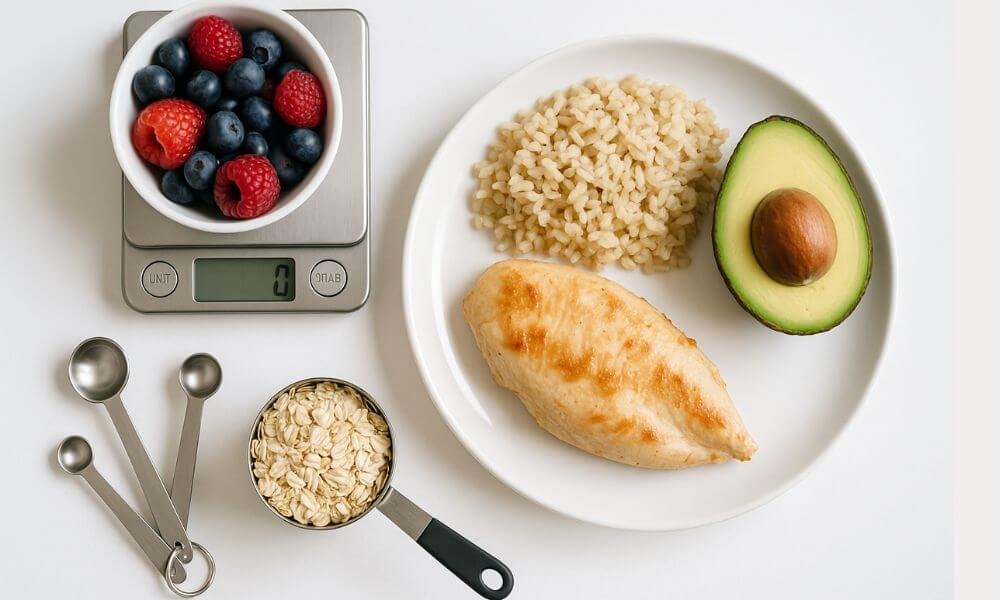
Using a Free Macronutrient Calculator can make healthy eating feel a lot less confusing. Many people try to lose weight, build muscle, or simply feel better, yet end up guessing what and how much to eat. That guessing often leads to frustration, inconsistent results, or diets that don’t last. A macronutrient calculator takes your age, weight, height, activity level, and health goals and gives you a personalized daily breakdown of protein, carbohydrates, and fats—so you’re not just eating less or more, you’re eating smart.
Research from nutrition and sports science communities suggests that having macro targets can improve dietary consistency and support goals like weight management and muscle recovery (commonly referenced by organizations such as the Academy of Nutrition and Dietetics). Instead of following restrictive trends, this tool helps you build balanced meals that keep you full, energized, and motivated. Think of it as a simple starting point—no complicated diet rules, just clarity and direction you can actually stick with.
Contents
- 1 Macro & Calorie Calculator
- 1.1 Target Calories
- 1.2 Daily Macros (Protein, Fat, Carbs in grams)
- 1.3 All-in-One Body Calculator: Get Your Daily Plan in Seconds
- 1.4 Why Tracking Macros Can Make Healthy Eating So Much Easier
- 1.5 Ideal Body Weight Calculator
- 1.6 Common Mistakes People Make When Tracking Macros (and How to Avoid Them)
- 1.7 1. Eyeballing Portions Instead of Measuring
- 1.8 2. Forgetting the “Little” Calories
- 1.9 3. Not Eating Enough Protein
- 1.10 4. Aiming for Perfection (Instead of Consistency)
- 1.11 5. Eating the Same Thing Every Day
- 1.12 6. Ignoring Your Body’s Feedback
- 1.13 Tips to Stay Consistent and Enjoy Your Meals While Hitting Your Macros
- 1.14 1. Build Your Meals Around Protein First
- 1.15 2. Keep Easy, Macro-Friendly Foods on Hand
- 1.16 3. Allow Some Fun Foods Every Day
- 1.17 4. Plan Ahead (But Keep It Realistic)
- 1.18 5. Use the “80/20” Approach
- 1.19 6. Adjust Your Macros When Needed
- 2 Before Starting Hard Diets
- 2.1 Struggling with unsustainable diets and frustrated by the lack of results?
- 2.2 Frequently Asked Questions
- 2.2.1 Can I still lose weight if I don’t track every single day?
- 2.2.2 Do I need to track macros forever?
- 2.2.3 What if I go over one macro but stay within calories?
- 2.2.4 Is it okay to eat different macros on rest days vs. workout days?
- 2.2.5 Does macro tracking work for people who don’t exercise?
- 2.2.6 Can I track macros if I eat out a lot?
- 2.2.7 What’s the best app for tracking macros?
- 2.2.8 What if scanning food labels stresses me out?
- 2.2.9 Do macros matter if my diet is mostly healthy whole foods already?
- 2.2.10 How long does it take to see results?
- 2.3 Conclusion
What Is a Free Macronutrient Calculator and How Does It Work?
A free macronutrient calculator is an online tool that helps you figure out how much of each of the three main nutrients—protein, carbohydrates, and fats—you should eat each day based on your body and your health goals. Instead of guessing how much to eat or following a diet that isn’t tailored to you, this calculator uses science-based formulas to estimate your daily calorie needs and then breaks those calories down into macros in grams.
How It Works Step-by-Step
- You enter your personal details
Things like age, gender, height, weight, and activity level. These help estimate your Basal Metabolic Rate (BMR)—how many calories your body burns at rest. - You choose your goal
Most calculators allow you to select:- Weight loss
- Muscle gain
- Maintenance (stay the same weight)
- The calculator determines your daily calorie target
This includes the calories your body uses at rest + the calories you burn through daily activity and exercise. This is often referred to as TDEE (Total Daily Energy Expenditure). - (Source references: Methods like Mifflin–St Jeor and Harris-Benedict equations are commonly used in nutrition science settings, including by sports dietitians.)
- It divides your calories into macros
- Protein (supports muscle repair and fullness)Carbs (your body’s main source of energy)Fats (important for hormones and brain function)
Macro & Calorie Calculator
Estimate calories and daily macros using safe, realistic targets.
Results
Target Calories
| Macro | Grams |
|---|---|
| Protein | — |
| Fat | — |
| Carbs | — |
Target Calories
What it is: Your daily calorie goal after applying your selected deficit/surplus (or a custom override).
How to use it:
- Track intake against this number consistently (7–14 days) before judging results.
- Expected trends (rough guide, varies by person):
- ~10% deficit ≈ slow, steady loss
- ~20–25% deficit ≈ faster loss but harder to sustain
- ~10% surplus ≈ leaner gains
- If the tool raised your target to the safety floor, that means your chosen target was too low—stay at or above the floor unless you’re medically supervised.
Daily Macros (Protein, Fat, Carbs in grams)
What it is: Your calorie target broken into macronutrients based on your chosen split.
How to use it:
- Protein (g/day): Hit this first to support muscle and satiety. The tool warns if you’re below ~0.8 g/kg body weight. Many people thrive at 1.2–1.8 g/kg when dieting or training.
- Fat (g/day): Keep at least ~0.6 g/kg as a general lower bound for hormones and comfort (don’t go ultra-low unless you know why).
- Carbs (g/day): Fill the remainder for energy, training performance, and meal satisfaction. Adjust up/down based on activity and preference.
Swap presets freely:
- Higher Protein for appetite control/recomp
- Lower Carb for preference/blood sugar control
- Keto-style only if you know you do well on very low carbs
All-in-One Body Calculator: Get Your Daily Plan in Seconds
Calculate calories, macros, BMI, BMR & more instantly — no sign-up, no confusion. Perfect for weight loss, muscle gain, or maintaining a balanced lifestyle.
Start My Calculation →Why Tracking Macros Can Make Healthy Eating So Much Easier
Tracking macros can make healthy eating feel a lot more manageable because it focuses on balance and awareness, not restriction. Instead of labeling foods as “good” or “bad,” macro tracking helps you understand how much protein, carbohydrates, and fats your body needs each day—so you can build meals that actually support your goals.
When you track macros, you’re making sure your meals work for your body, not against it. For example, many people unknowingly eat too little protein, which can leave them feeling hungry and low-energy. Others might eat more fats or carbs than they realize, which can slow weight loss or make blood sugar levels spike. Tracking brings clarity to those hidden habits.
Why It Makes Healthy Eating Easier
- No more guessing portion sizes:
You know roughly how much of each macro your body needs, so meals become more predictable and balanced. - You stay fuller longer:
Getting enough protein and fiber helps control hunger and reduces cravings—especially late at night. - Flexibility, not rigid dieting:
You can still enjoy your favorite foods; you just fit them into your daily macro goals. - Better support for fitness goals:
Whether you’re aiming for weight loss, muscle gain, or simply better health, hitting the right macros helps your body perform and recover more effectively. - Awareness leads to consistency:
Tracking macros helps you understand your eating habits, which makes long-term success more sustainable.
Instead of trying to “eat clean” all the time or follow strict rules, macro tracking gives you a clear, realistic structure. It takes away the overwhelm, helps you fuel your body properly, and lets you enjoy food without guilt.
Ideal Body Weight Calculator
Quickly find your recommended healthy weight range based on your height and gender. Simple, accurate, and easy to use.
Common Mistakes People Make When Tracking Macros (and How to Avoid Them)
Tracking macros is one of those habits that can feel life-changing once it clicks—but only if you avoid a few common traps. And honestly? Most of these mistakes are completely normal when you’re just getting started. The goal here isn’t perfection. It’s progress, awareness, and feeling good in your own body.
Let’s walk through the most common mistakes people make when tracking macros—and how you can avoid them.
1. Eyeballing Portions Instead of Measuring
It’s super easy to think you’re eating one serving of peanut butter… when it’s actually two or three. Even dietitians misjudge portion sizes sometimes—no shame here.
Research note:
A study in the Journal of the Academy of Nutrition and Dietetics found that people tend to underestimate calorie intake by anywhere from 20% to 50% when not using measuring tools.
How to avoid it:
Use a food scale or measuring cups for at least 1–2 weeks.
This teaches your eyes what realistic portions look like, so eventually, you won’t need to measure all the time.
2. Forgetting the “Little” Calories
Coffee creamer, cooking oil, ketchup, that handful of fries you “just tasted”… they all count. These tiny bites can quietly stall progress.
How to avoid it:
If you ate it, track it.
You don’t need to obsess—just be honest with yourself. Think of tracking as data, not judgment.
3. Not Eating Enough Protein
Protein often gets left behind, especially if you’re used to carb-heavy or snack-based meals. But protein is what keeps you full and helps maintain muscle—especially during weight loss.
Research note:
Studies in the American Journal of Clinical Nutrition show that higher protein intake can help reduce hunger and support better body composition.
How to avoid it:
Make protein the center of your meal, not the afterthought.
Think: chicken, eggs, Greek yogurt, tofu, cottage cheese, fish, lentils.
Even adding one protein snack a day can make a huge difference.
4. Aiming for Perfection (Instead of Consistency)
Trying to hit your macros exactly every day is exhausting. And unnecessary.
Healthy eating shouldn’t feel like punishment.
How to avoid it:
Allow yourself wiggle room:
- Being within 5–10g of each macro is perfectly okay.
- Being within 80–120 calories of your target is normal.
Your body responds to patterns, not individual days.
5. Eating the Same Thing Every Day
It’s totally fine if you love routine. But eating too repetitively can get boring fast—and when food feels boring, cravings get louder.
How to avoid it:
Keep your meal formula the same (protein + carb + fat + veggie),
but swap the ingredients.
Example:
- Monday: Chicken + rice + avocado
- Tuesday: Salmon + potatoes + olive oil
- Wednesday: Tofu + noodles + peanut sauce
Variety doesn’t need to be complicated.
6. Ignoring Your Body’s Feedback
Tracking should make you feel supported, not restricted. If you’re constantly hungry, tired, or irritable—you don’t need more discipline, you need adjusted macros.
Research note:
The International Journal of Sports Nutrition notes that individuals have highly variable needs—so personalization matters more than strict numbers.
How to avoid it:
If hunger or low energy is ongoing, try:
- Increasing protein slightly
- Adjusting carbs around workouts
- Adding more fiber or whole foods
Your body is talking—tracking simply helps you listen better.
Tips to Stay Consistent and Enjoy Your Meals While Hitting Your Macros
Sticking to your macros shouldn’t feel like you’re stuck on a strict diet. In fact, the whole point of macro tracking is to create flexibility while still moving toward your goals. You’re not giving up your favorite foods—you’re just learning how to balance them in a way that works for your body.
Here’s how to stay consistent and actually enjoy what you eat:
1. Build Your Meals Around Protein First
Protein is your best friend when it comes to staying full, maintaining muscle, and recovering from workouts.
Why it matters:
Research in the American Journal of Clinical Nutrition shows protein increases satiety (fullness) more than carbs and fats—and helps prevent overeating later in the day.
Try this:
Every meal, ask yourself:
“Where is my protein coming from?”
Examples:
- Eggs or Greek yogurt for breakfast
- Chicken, tofu, or beans as a base for lunch or dinner
- Cottage cheese or protein shakes as snacks
2. Keep Easy, Macro-Friendly Foods on Hand
Planning doesn’t have to be complicated. It just needs to be available.
Stock your kitchen with:
- Pre-cooked chicken breast or tuna pouches
- Bagged salads or microwave veggies
- Pre-washed fruit
- Light cheese sticks or yogurt cups
- Rice cups or whole grain wraps
Convenience makes consistency easier.
3. Allow Some Fun Foods Every Day
Yes—every day.
Because when you cut out your favorite foods completely, cravings get stronger.
Balance example:
- Want chocolate? Enjoy a small piece and log it.
- Craving chips? Portion a serving into a bowl and enjoy it mindfully.
The Journal of Eating Behavior notes that flexible eating habits lead to better long-term adherence than strict restriction.
4. Plan Ahead (But Keep It Realistic)
You don’t need to meal prep like a bodybuilder. Just get one step ahead of your hunger.
Simple planning:
- Log your meals before you eat them
- Or plan just your protein for each meal—build the rest as you go
Even 5 minutes of planning reduces stress later.
5. Use the “80/20” Approach
80% of the time, choose whole, nutrient-dense foods.
20% of the time, eat what you love—guilt-free.
This keeps your mindset healthy while your body stays on track.
6. Adjust Your Macros When Needed
If you’re feeling:
- Constantly hungry → Increase protein or fiber
- Low energy → Shift carbs more around workouts
- Mentally worn out → Relax accuracy for a day or two
Your macros should support your life, not control it.
The International Journal of Behavioral Nutrition highlights that flexibility is key for sustainable eating habits.
Frequently Asked Questions
Can I still lose weight if I don’t track every single day?
Yes. Consistency matters more than daily perfection. If tracking every day feels overwhelming, start by tracking on weekdays or just main meals. Your progress comes from overall weekly habits, not single days.
Do I need to track macros forever?
No. Think of macro tracking as training wheels. Once you learn what balanced portions look like and which foods help you feel your best, you can gradually track less and rely more on your internal cues.
What if I go over one macro but stay within calories?
It’s okay occasionally. Your body responds to long-term patterns, not one day. If it happens often, adjust meal planning to include more protein or fiber to help control hunger and portion balance.
Is it okay to eat different macros on rest days vs. workout days?
Yes. Many people naturally shift to more carbs on workout days (for energy) and slightly more fats on rest days (for satiety). If this feels intuitive to you, go for it—it’s a normal and flexible approach.
Does macro tracking work for people who don’t exercise?
Yes. Exercise helps with muscle maintenance and metabolism, but macro tracking is fundamentally about nutritional balance. Even without workouts, macros can help support energy, appetite, and weight goals.
Can I track macros if I eat out a lot?
Yes, but it requires approximating. Look for:
- Grilled instead of fried
- Sauces on the side
- Protein-based main dishes
Then log the closest similar item in your tracking app. The goal is to get close enough, not exact.
What’s the best app for tracking macros?
Apps like MyFitnessPal, Cronometer, MacroFactor, and Lose It! are popular. Choose the one that feels intuitive—you’ll be more consistent if the app is easy for you to use.
What if scanning food labels stresses me out?
Start small.
Track just one meal per day for a week.
Then add another meal the next week.
Gradual builds comfort and confidence—which leads to sustainability.
Do macros matter if my diet is mostly healthy whole foods already?
Yes—macros help you fine-tune your eating. You can eat healthy foods and still:
- Feel low energy
- Struggle building muscle
- Feel hungry constantly
Macros help you optimize—not restrict.
How long does it take to see results?
Most people notice better energy and appetite control within 1–2 weeks and see visible progress between 4–8 weeks, depending on consistency and goals. Every body responds differently—so be patient with yourself.
Conclusion
Using a Free Macronutrient Calculator is one of the simplest ways to take the guesswork out of healthy eating and make real, sustainable progress toward your goals. Instead of following restrictive diets or constantly wondering whether you’re eating “too much” or “too little,” tracking your macros helps you understand what your body actually needs to feel fueled, satisfied, and supported. It gives you clarity—not rules—and allows you to enjoy a flexible relationship with food while still staying on track.
Whether your goal is weight loss, muscle gain, better energy, or simply eating with more awareness, your macro targets can guide you in building meals that nourish your body and fit your lifestyle. And remember, you don’t have to be perfect. Small steps, repeated consistently, lead to the biggest changes over time. Use the calculator as a helpful tool, listen to your body, stay flexible, and give yourself credit for every bit of progress you make. You’re learning how to eat in a way that works for you—not against you—and that’s something to be proud of.
References
- Academy of Nutrition and Dietetics. “Macronutrients: Understanding Proteins, Carbohydrates, and Fats.”
https://www.eatright.org/food/nutrition/dietary-guidelines-and-myplate/understanding-macronutrients - American Heart Association. “Dietary Fats and Your Health.”
https://www.heart.org/en/healthy-living/healthy-eating/eat-smart/fats - American Journal of Clinical Nutrition. “Higher Protein Intake Increases Satiety.”
(Overview + access options)
https://academic.oup.com/ajcn - Journal of the Academy of Nutrition and Dietetics. “Accuracy of Self-Reported Dietary Intake and Portion Size Estimation.”
https://www.jandonline.org/ - International Journal of Sport Nutrition and Exercise Metabolism. “Individual Variability in Macronutrient Needs.”
https://journals.humankinetics.com/view/journals/ijsnem/ijsnem-overview.xml - Journal of Eating Behavior. “Flexible vs. Rigid Dieting and Long-Term Adherence.”
https://www.sciencedirect.com/journal/eating-behaviors - National Institutes of Health (NIH). Office of Dietary Supplements. “Protein, Carbohydrate & Fat Metabolism Overview.”
https://ods.od.nih.gov/ - Mifflin MD, St Jeor ST et al. “A New Predictive Equation for Resting Metabolic Rate.” American Journal of Clinical Nutrition.
https://pubmed.ncbi.nlm.nih.gov/2305711/
