
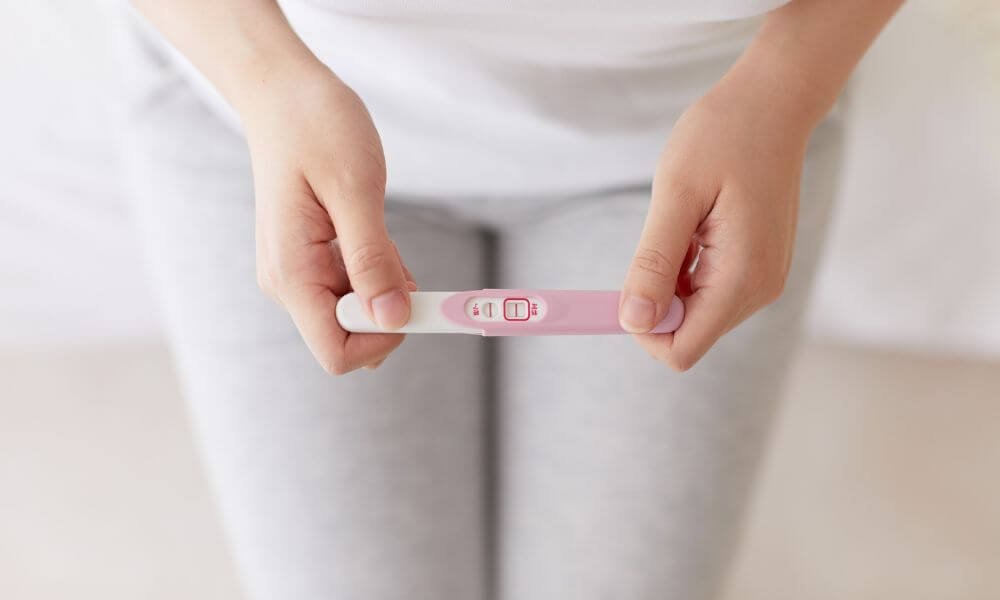
If you’re trying to conceive, nutrition plays a bigger role than many people realize. A hormone balancing diet for fertility is designed to support reproductive health by regulating hormones, improving ovulation, and creating a healthier environment for conception. Hormones like estrogen, progesterone, and insulin all influence fertility, and when they’re imbalanced, it can lead to irregular cycles or difficulty getting pregnant. The good news is, certain foods can make a real difference. Healthy fats provide building blocks for hormone production, high-fiber vegetables help regulate estrogen, and antioxidants from fruits protect reproductive cells from damage. Research suggests that even small changes in daily eating habits can improve fertility outcomes, making food a powerful part of the journey to parenthood.
Contents
- 1 Why a Hormone Balancing Diet Matters for Fertility
- 2 Key Hormonal Imbalances That Affect Fertility
- 3 Essential Nutrients in a Hormone Balancing Diet for Fertility
- 4 Best Foods to Support Reproductive Health Naturally
- 5 Foods to Limit or Avoid When Trying to Conceive
- 6 7 Days Meal Plan For Hormone Balancing Diet for Fertility
- 7 Practical Tips for Following a Hormone Balancing Diet for Fertility
- 8 Frequently Asked Questions
- 8.1 Can a hormone balancing diet for fertility help with PCOS?
- 8.2 Does my partner also need a hormone balancing diet for fertility?
- 8.3 How long should I follow a hormone balancing diet before trying to conceive?
- 8.4 Can being underweight affect hormones and fertility?
- 8.5 Is it safe to continue a hormone balancing diet for fertility during pregnancy?
- 8.6 Can stress override the benefits of diet for fertility?
- 8.7 Do I need supplements if I follow this diet?
- 9 Conclusion
Why a Hormone Balancing Diet Matters for Fertility
Fertility isn’t just about timing—it’s about the delicate balance of hormones that control ovulation, egg quality, and overall reproductive health. When hormones like estrogen, progesterone, insulin, and thyroid hormones are imbalanced, it can make cycles irregular, lower energy, and add stress to an already emotional journey. That’s where a hormone balancing diet for fertility comes in. By choosing the right foods, you can naturally support hormone production, stabilize your cycles, and create a healthier environment for conception.
Irregular Cycles and Ovulation Problems
Many women find their periods come late, early, or sometimes not at all, which makes ovulation hard to track. Foods rich in fiber, like broccoli, kale, and flaxseeds, help regulate estrogen and keep cycles more predictable. Consistent cycles give you a clearer idea of your fertile window.
Low Energy and Fatigue
Trying to conceive while dealing with constant tiredness is draining. Iron-rich foods such as spinach, beans, and lean meats replenish energy stores, while whole grains like quinoa and oats give steady fuel without sugar crashes. This helps you feel more energized through the month.
Mood Swings and Stress
Hormone fluctuations can make emotions feel like a rollercoaster. Omega-3 fatty acids from salmon, walnuts, and chia seeds support brain function and lower inflammation, which can help smooth out mood swings and lower anxiety. Calmer moods make the fertility process less overwhelming.
Poor Egg Quality
Oxidative stress can damage egg cells over time, making conception more difficult. Antioxidant-rich foods like blueberries, pomegranates, and citrus fruits protect reproductive cells and may improve egg health, supporting stronger fertility.
Weight Challenges
Extra weight or difficulty losing it can interfere with insulin and reproductive hormones. Lean proteins (eggs, chicken, lentils) paired with healthy fats (avocado, olive oil) help keep blood sugar stable, reduce cravings, and support gradual, healthy weight balance.
Thyroid Support
Thyroid hormones play a big role in fertility, and imbalances can cause irregular cycles or trouble conceiving. Selenium from Brazil nuts and zinc from chickpeas or cashews give the thyroid the nutrients it needs to function properly.
Key Hormonal Imbalances That Affect Fertility
When pregnancy doesn’t happen as quickly as expected, hormones are often part of the puzzle. These tiny chemical messengers control ovulation, egg quality, uterine lining health, and even stress response. A hormone balancing diet for fertility can help address common imbalances that stand in the way of conception.
Estrogen Dominance
Too much estrogen compared to progesterone can lead to irregular cycles, heavy periods, or PMS symptoms. Daily pain points include bloating, mood swings, and unpredictable cycles. Fiber-rich foods like broccoli, kale, and flaxseeds help your body process excess estrogen more efficiently.
Low Progesterone
Progesterone is essential for preparing the uterine lining and supporting early pregnancy. Low levels may cause short cycles, spotting before periods, or difficulty sustaining pregnancy. Healthy fats from avocados, olive oil, and nuts provide the raw materials your body needs to make more progesterone naturally.
Insulin Resistance
High insulin levels can disrupt ovulation and are common in women with PCOS. Symptoms often include stubborn weight gain, sugar cravings, and irregular periods. Swapping refined carbs for whole grains, beans, and protein helps stabilize blood sugar and keep insulin under control.
Thyroid Imbalances
An underactive or overactive thyroid affects metabolism, cycles, and fertility. Symptoms may include fatigue, hair loss, or unexplained weight changes. Nutrients like iodine from seaweed and selenium from Brazil nuts support thyroid function and hormone regulation.
Elevated Cortisol (Stress Hormone)
Chronic stress raises cortisol, which can throw off reproductive hormones. Many women feel constantly anxious, restless, or struggle with poor sleep. Magnesium-rich foods such as pumpkin seeds, spinach, and dark chocolate help calm the nervous system and balance stress hormones.
Essential Nutrients in a Hormone Balancing Diet for Fertility
When you’re trying to conceive, your body needs more than just calories—it needs the right nutrients to keep hormones in sync, improve egg quality, and prepare for a healthy pregnancy. A hormone balancing diet for fertility focuses on key vitamins and minerals that directly influence reproductive health. Here are the essentials, explained with daily struggles they can help solve.
Protein for Cycle Regularity
Protein is the building block of hormones and helps stabilize blood sugar. Without it, you may feel sluggish and crave sweets, which can disrupt ovulation. Eggs, lean poultry, lentils, and Greek yogurt provide steady energy and support hormone production.
Healthy Fats for Hormone Production
Hormones like estrogen and progesterone are made from fats. Omega-3s from salmon, walnuts, and chia seeds help regulate inflammation and support healthy ovulation. Monounsaturated fats from avocados and olive oil give long-lasting energy and balance mood swings.
Fiber for Estrogen Balance
Excess estrogen can throw off cycles, causing PMS symptoms and irregular periods. Fiber from broccoli, kale, flaxseeds, and whole grains helps the body clear out extra estrogen, leading to smoother cycles and fewer bloating episodes.
Iron for Energy and Ovulation
Low iron can cause fatigue, hair thinning, and even anovulation (when you don’t release an egg). Spinach, beans, red meat, and pumpkin seeds restore iron stores and fight that “always tired” feeling. Pairing iron with vitamin C (like citrus fruit) boosts absorption.
Zinc for Reproductive Health
Zinc supports egg development, ovulation, and even the release of progesterone. Deficiency may lead to irregular cycles or weaker ovulation. You’ll find it in chickpeas, cashews, pumpkin seeds, and oysters.
Selenium for Egg Quality
This powerful antioxidant protects reproductive cells from oxidative stress, which can age eggs faster. Just a couple of Brazil nuts a day provide the selenium your body needs to protect fertility.
Vitamin D for Hormone Regulation
Vitamin D acts like a hormone itself, influencing insulin, thyroid function, and reproductive hormones. Low levels are linked to irregular cycles and fertility challenges. Sunlight, salmon, and fortified plant milks are good sources.
Magnesium for Stress and Sleep
High stress raises cortisol, which can interfere with conception. Magnesium from pumpkin seeds, spinach, and almonds helps relax the body, improve sleep, and bring cortisol back into balance.
Best Foods to Support Reproductive Health Naturally
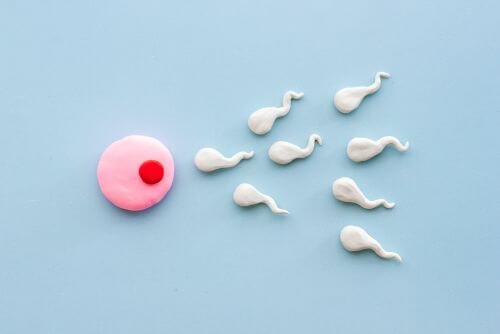
Fertility is closely tied to what you eat every day. Certain foods provide the nutrients your body needs to regulate hormones, improve egg quality, and create the right environment for conception. A hormone balancing diet for fertility highlights foods that nourish both reproductive health and overall well-being. Here are the top groups, explained with common struggles they can ease.
Fatty Fish for Hormone and Egg Health
Salmon, sardines, and mackerel are packed with omega-3 fatty acids, which reduce inflammation, support hormone production, and improve blood flow to reproductive organs. This helps when cycles feel irregular or when egg quality is a concern.
Leafy Greens for Estrogen Balance
Spinach, kale, and Swiss chard are rich in fiber, folate, and iron. They help the body process excess estrogen and support healthy ovulation. If you often deal with PMS or unpredictable cycles, adding these greens can make a difference.
Whole Grains for Blood Sugar Control
Oats, quinoa, and brown rice keep insulin steady. Balanced insulin helps prevent hormonal disruptions linked to irregular ovulation, especially in women with PCOS. They also provide lasting energy to fight fatigue.
Nuts and Seeds for Hormone Production
Almonds, walnuts, pumpkin seeds, and flaxseeds deliver healthy fats, protein, and essential minerals like zinc and magnesium. These nutrients support progesterone production, reduce stress, and help maintain cycle regularity.
Berries for Antioxidant Protection
Blueberries, strawberries, and raspberries fight oxidative stress, which can damage egg cells. Their antioxidants also boost immune function and lower inflammation, helping your reproductive system work at its best.
Legumes for Protein and Iron
Chickpeas, lentils, and black beans are excellent plant-based proteins. They provide iron and folate—nutrients that boost energy, support ovulation, and prepare your body for pregnancy.
Fermented Foods for Gut and Hormone Balance
Yogurt, kefir, sauerkraut, and kimchi promote healthy gut bacteria, which play a role in metabolizing hormones like estrogen. If you often feel bloated or sluggish, these foods can improve digestion and hormone regulation.
Foods to Limit or Avoid When Trying to Conceive
When you’re trying to get pregnant, what you don’t eat can be just as important as what you do. Some foods disrupt hormones, spike blood sugar, or increase inflammation—all of which can interfere with fertility. A hormone balancing diet for fertility works best when these trigger foods are limited and replaced with healthier alternatives.
Refined Sugars and Sweets
Daily struggle: energy crashes, sugar cravings, and weight gain.
Why it matters: Excess sugar spikes insulin, which can throw off ovulation and increase the risk of PCOS-related imbalances.
Better swap: Fresh fruits, dates, or a small piece of dark chocolate (70%+).
Processed Carbohydrates
Daily struggle: bloating, fatigue after meals, irregular cycles.
Why it matters: White bread, white rice, and pastries cause blood sugar spikes, which can harm egg quality and hormone stability.
Better swap: Quinoa, brown rice, oats, or whole grain bread.
Trans Fats and Fried Foods
Daily struggle: inflammation, weight gain, sluggish digestion.
Why it matters: Trans fats from fried fast foods disrupt insulin and increase inflammation, making it harder for hormones to stay balanced.
Better swap: Oven-baked veggies, air-fried snacks, or meals cooked with avocado or olive oil.
Excess Caffeine
Daily struggle: anxiety, poor sleep, jittery energy.
Why it matters: Too much caffeine raises cortisol (the stress hormone) and can affect estrogen and progesterone balance.
Better swap: Green tea in moderation, or calming herbal teas like chamomile and peppermint.
Alcohol
Daily struggle: disrupted sleep, lower energy, and stress eating.
Why it matters: Alcohol interferes with liver detox, which is crucial for clearing excess estrogen, and can also lower egg quality.
Better swap: Sparkling water with lemon, kombucha, or mocktails.
Highly Processed Meats
Daily struggle: bloating, digestive discomfort, and inflammation.
Why it matters: Processed meats like bacon and hot dogs contain additives and unhealthy fats that disrupt hormone balance.
Better swap: Lean poultry, grass-fed meats, or plant proteins like beans and lentils.
7 Days Meal Plan For Hormone Balancing Diet for Fertility
This 7-day fertility-focused plan is built around whole foods that help regulate hormones, stabilize blood sugar, and support reproductive health. Each day combines protein, healthy fats, fiber-rich carbs, and plenty of micronutrients to fuel your body naturally.
Day 1
Breakfast: Overnight oats with chia seeds, almond milk, and blueberries
Snack: Handful of walnuts and pumpkin seeds
Lunch: Grilled salmon with quinoa and steamed broccoli
Snack: Apple slices with almond butter
Dinner: Lentil and spinach stew with olive oil drizzle
Day 2
Breakfast: Greek yogurt topped with flaxseeds, raspberries, and a drizzle of honey
Snack: Carrot sticks with hummus
Lunch: Chicken breast with roasted sweet potatoes and kale salad
Snack: Brazil nuts and a few dates
Dinner: Stir-fried tofu with brown rice and mixed vegetables
Day 3
Breakfast: Scrambled eggs with avocado and whole-grain toast
Snack: Smoothie with spinach, banana, chia seeds, and almond milk
Lunch: Sardine salad with leafy greens, cucumber, and olive oil dressing
Snack: Dark chocolate (70%+) with almonds
Dinner: Baked turkey meatballs with zucchini noodles and tomato sauce
Day 4
Breakfast: Quinoa porridge with cinnamon, chia seeds, and strawberries
Snack: Handful of cashews and a pear
Lunch: Grilled mackerel with roasted Brussels sprouts and wild rice
Snack: Kefir with flaxseeds
Dinner: Chickpea curry with brown rice and spinach
Day 5
Breakfast: Two boiled eggs with sautéed spinach and avocado slices
Snack: Greek yogurt with pumpkin seeds and blueberries
Lunch: Grilled chicken and quinoa salad with olive oil dressing
Snack: Apple slices with walnuts
Dinner: Baked salmon with sweet potato mash and steamed asparagus
Day 6
Breakfast: Smoothie bowl with kale, banana, chia seeds, and almond butter topping
Snack: Handful of Brazil nuts and dark chocolate square
Lunch: Lentil and vegetable soup with whole-grain bread
Snack: Sliced cucumber with hummus
Dinner: Grilled turkey breast with quinoa and roasted carrots
Day 7
Breakfast: Oatmeal topped with flaxseeds, raspberries, and almond milk
Snack: Mixed nuts (walnuts, almonds, cashews)
Lunch: Sardine and avocado salad with leafy greens
Snack: Fresh orange slices with pumpkin seeds
Dinner: Baked salmon with roasted broccoli and brown rice
Practical Tips for Following a Hormone Balancing Diet for Fertility
Following a fertility-friendly eating plan doesn’t have to feel overwhelming. A hormone balancing diet for fertility works best when it fits into your lifestyle in simple, consistent ways. Here are practical tips to make it easier—and more enjoyable—to stay on track.
Plan Meals Around Balance
Each plate should include protein, healthy fats, and fiber-rich carbs. For example, salmon with quinoa and spinach keeps blood sugar stable and provides building blocks for hormones.
Prep in Advance
Busy schedules make it easy to grab processed snacks, which can throw off hormone balance. Prepping overnight oats, hard-boiled eggs, or washed greens helps you always have quick, fertility-friendly options ready.
Hydrate the Right Way
Dehydration can affect cervical mucus and energy. Aim for steady water intake throughout the day, and flavor it with lemon or cucumber for variety. Limit sodas and energy drinks that disrupt blood sugar and hormones.
Choose Organic When Possible
Pesticide residues can mimic estrogen and disrupt hormone balance. If you can’t go fully organic, focus on buying organic for the “Dirty Dozen” fruits and vegetables most exposed to chemicals, like strawberries and spinach.
Limit Stress Triggers in Food
Cutting back on excess caffeine, sugar, and processed foods can reduce cortisol spikes and help keep cycles more predictable. Swap with herbal teas, fruit, and whole grains for a calmer hormonal rhythm.
Listen to Your Body
Everyone responds differently. Notice how foods affect your mood, energy, and cycle. Keep a simple food and symptom journal to track what works best for you.
Frequently Asked Questions
Can a hormone balancing diet for fertility help with PCOS?
Yes. PCOS is one of the most common causes of hormone-related fertility challenges. A hormone balancing diet for fertility can improve insulin sensitivity and regulate cycles by focusing on high-fiber vegetables, lean proteins, and whole grains while limiting refined carbs and sugars.
Does my partner also need a hormone balancing diet for fertility?
Fertility involves both partners. For men, foods rich in zinc, selenium, and antioxidants—like oysters, Brazil nuts, and berries—can improve sperm health. Sharing the diet not only supports fertility but also makes it easier to stay consistent.
How long should I follow a hormone balancing diet before trying to conceive?
Ideally, at least three months. That’s roughly how long it takes for egg and sperm development cycles. Eating hormone-friendly foods during this time helps optimize reproductive health for both partners before conception.
Can being underweight affect hormones and fertility?
Yes. Low body fat can disrupt estrogen and progesterone production, leading to irregular cycles or lack of ovulation. Including more healthy fats like avocado, nuts, and olive oil can help restore balance.
Is it safe to continue a hormone balancing diet for fertility during pregnancy?
Yes, because it focuses on whole, nutrient-rich foods. However, during pregnancy your body will need extra calories and certain nutrients like folate, iron, and calcium. It’s best to adjust portions and check with a healthcare provider.
Can stress override the benefits of diet for fertility?
Chronic stress raises cortisol, which can interfere with ovulation even if you eat well. Combining a hormone balancing diet with stress-reducing practices—like yoga, walking, or meditation—can significantly improve fertility outcomes.
Do I need supplements if I follow this diet?
Sometimes. While a nutrient-rich diet covers most needs, many women benefit from prenatal vitamins, vitamin D, or omega-3 supplements to fill gaps. It’s important to test levels and consult with a doctor before starting supplements.
Conclusion
A hormone balancing diet for fertility is one of the most powerful natural tools to support your body when trying to conceive. By filling your meals with whole foods like lean proteins, omega-3 rich fish, leafy greens, fiber-packed grains, and antioxidant-rich fruits, you give your hormones the steady support they need. Over time, these choices can regulate cycles, improve egg quality, and create a healthier environment for conception.
The key is consistency, not perfection. Even small daily shifts—like swapping refined carbs for quinoa or adding flaxseeds to your breakfast—can make a meaningful difference. Pairing a hormone balancing diet for fertility with stress management, good sleep, and healthy lifestyle habits gives your body the best chance to thrive. With patience and nourishing foods, you’ll be actively preparing your body for the journey toward parenthood.
