
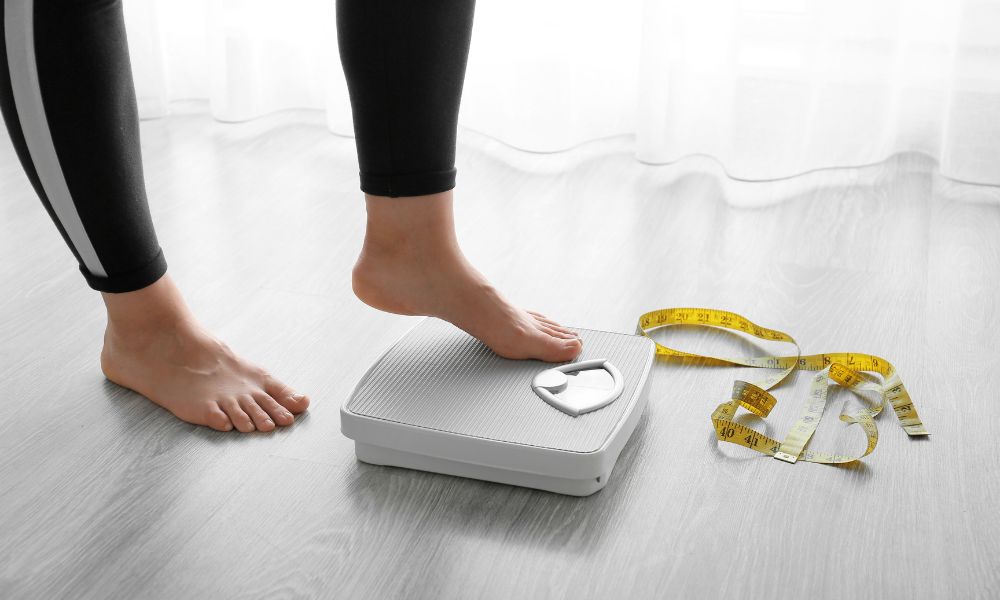
When Weight Loss Feels Like It Works Everywhere Except Your Legs
There’s a very specific kind of frustration that comes with lipedema.
You change your meals, start walking, drink more water, cut back on sugar, lose inches from your waist, notice your face looking slimmer — and your legs barely change.
That can be exhausting. It can make you wonder if your efforts are pointless, if you’re doing something wrong, or if your body is simply refusing to cooperate.
But with lipedema, the story is more complicated than ordinary weight loss.
I studied nutrition science and have a background in medicine, and I want to be direct about something: I have not personally managed a diagnosed lipedema case. So I’m approaching this topic with respect for its medical complexity, drawing on the clinical research and guidance from Cleveland Clinic and Mayo Clinic — not with false promises or claimed expertise I don’t have.
Lipedema is not simply “extra weight.” Cleveland Clinic describes it as abnormal fat buildup, most often on both sides of the lower body, that can cause pain and make daily life harder. Importantly, lipedema does not respond to diet and exercise the way ordinary body fat does.
This is not another “eat less and move more” guide. It’s about understanding what lipedema weight loss can realistically mean, why the scale may be misleading, and how to build a plan around comfort, mobility, strength, and quality of life — not just smaller legs.
Why Lipedema Weight Loss Is Different From Regular Weight Loss
For most people, a calorie deficit leads to fairly even fat loss across the body. With lipedema, the pattern often looks different: someone may lose weight from the face, chest, waist, or upper body, while the thighs, hips, calves, or arms stay disproportionately enlarged.
That doesn’t mean the person failed. It means the affected tissue behaves differently — lipedema fat is structurally and often resistant to typical weight-loss methods, and it’s sometimes confused with obesity or lymphedema, which can make diagnosis even more frustrating.
The mindset shift that matters most here: weight loss may improve health and comfort, but it may not fully reshape lipedema-affected areas. That can be hard to accept at first, but it also protects you from years of blaming yourself for something that was never about discipline.
The Goal Isn’t “Shrink the Legs at Any Cost”
Many people start searching for lipedema weight loss wanting their legs to look smaller. That’s understandable. But a more useful goal is broader:
- Can I move with less pain?
- Can I reduce heaviness?
- Can I improve stamina?
- Can I protect my joints?
- Can I reduce inflammation triggers?
- Can I feel more comfortable in my clothes?
- Can I build enough strength for daily life?
That’s a different goal from crash dieting — not forcing the body into submission, but reducing the extra burden on a body already managing a chronic condition.
What Weight Loss Can Realistically Help With
Weight loss can’t cure lipedema and won’t erase the disproportion between upper and lower body. But it can still help in real ways:
Reduce joint load. If you’re carrying additional non-lipedema weight, losing some of it can ease pressure on the knees, hips, ankles, and feet — making walking and standing easier.
Improve energy and stamina. Even if leg shape doesn’t change dramatically, many people notice easier movement, better breathing during activity, and less fatigue after daily tasks.
Support metabolic health. Sustainable weight loss can help blood sugar, cholesterol, and blood pressure — benefits that matter even without visible leg changes.
Reduce symptom triggers. Swelling and heaviness often feel worse after poor sleep, high stress, high-sodium meals, or long stretches without movement. A supportive routine can ease these regardless of what the scale shows.
What Weight Loss Usually Cannot Do
This matters because false expectations cause real emotional harm. Lipedema weight loss usually cannot:
- Cure lipedema
- Guarantee proportional leg fat loss
- Fully normalize body shape
- Replace medical diagnosis
- Remove the need for compression or therapy if prescribed
Cleveland Clinic notes that lipedema has no cure, though treatment and lifestyle support may reduce pain and inflammation and improve quality of life. So if the scale drops but your legs remain visibly affected, that doesn’t mean the process failed — it may mean your body is changing in ways the scale and mirror don’t fully capture.
Choose Your Movement: Find What Works for Your Day
Select the card that matches how your body feels today to see a recommended movement option.
High-Pain Day
Legs feel heavy and painful
Recommended
- Gentle stretching
- Breathing exercises
- Short indoor walk
Heavy-Leg Day
Legs are swollen or tired
Recommended
- Pool walking or water exercises
- Compression if prescribed
- Legs elevated when resting
Low-Energy Day
Feeling sluggish or tired
Recommended
- 5-minute gentle walk
- Chair exercises or light stretching
Good-Energy Day
Feeling strong and mobile
Recommended
- Strength training with bands or light weights
- Longer walk or cycling
- More challenging core exercises
The Scale Is a Poor Judge of Lipedema Progress
Weight alone doesn’t tell you whether inflammation is lower, whether pain is improving, whether muscle is increasing, or whether your quality of life is better. For lipedema specifically, daily weight can shift with fluid, hormones, heat, stress, sleep, and sodium intake — so you can have a “bad scale day” while still making good choices.
Better markers to track:
| Marker | Why it matters |
|---|---|
| Pain level | Shows whether symptoms are easing |
| Heaviness | Reflects daily comfort and fluid-related symptoms |
| Walking distance | Measures real-life function |
| Stairs tolerance | Shows strength and mobility gains |
| Clothing comfort | Often more telling than pounds |
| Energy | Reflects whether the plan is sustainable |
| Sleep | Poor sleep worsens cravings and inflammation |
| Limb measurements | May show trends the scale misses |
The All-in-One Body Calculator can support broader health tracking — but with lipedema, treat any number as a tool, not a judgment.
Movement Matters Even When the Scale Doesn’t
Exercise for lipedema isn’t just about burning calories — it supports circulation, lymphatic movement, muscle strength, joint stability, and pain management. Cleveland Clinic lists walking, swimming, biking, compression, and lymphatic drainage massage among the approaches that may help symptoms and mobility.
Water exercise is often the gentlest starting point — pool walking, aqua aerobics, or gentle swimming let water support the body while adding light resistance. The goal isn’t intense calorie burn; it’s comfortable movement with less joint strain.
Walking supports the calf muscle pump, which helps move fluid through the lower body. A reasonable starting point is 5–10 minutes on a flat surface in comfortable shoes, increasing slowly, with compression if it’s been prescribed. If calf discomfort limits this, see measures to avoid calf muscle pain while working out.
Strength training helps maintain muscle, support joints, improve balance, and make daily tasks easier — without needing to be extreme. Beginner options: resistance bands, chair squats, wall push-ups, glute bridges, light dumbbells, and gentle core work.
Match Your Movement to How You Feel Today
- High-pain day (legs feel heavy and painful): gentle stretching, breathing exercises, a short indoor walk
- Heavy-leg day (legs swollen or tired): pool walking or water exercise, compression if prescribed, legs elevated when resting
- Low-energy day (feeling sluggish): a 5-minute gentle walk, chair exercises, or light stretching
- Good-energy day (feeling strong and mobile): strength training with bands or light weights, a longer walk or cycle, more challenging core work
Nutrition Still Matters — But Not as a Punishment
Nutrition here isn’t a cure for lipedema tissue — it’s support for weight management, energy, and inflammation. The core principles: eat enough protein, choose fiber-rich carbohydrates, cut back on frequent added sugar, limit ultra-processed foods, manage sodium if swelling worsens, and stay hydrated.
For related support: high-fiber foods for gut health, high-protein low-carb breakfast bowls, a 5-day sugar cleanse, and a hydration calculator based on weight.
The point isn’t “eat perfectly so your lipedema disappears.” It’s “eat in a way that supports stable energy, less inflammation, better movement, and sustainable weight management.”
Why Crash Dieting Backfires Emotionally and Physically
People with lipedema are often told to “just lose weight” long before anyone identifies what’s actually happening — and that can push people toward extreme dieting out of desperation. Crash diets tend to bring fatigue, irritability, cravings, binge-restrict cycles, muscle loss, nutrient gaps, and more shame when the legs don’t change as hoped.
A sustainable calorie deficit may help reduce non-lipedema fat and improve health markers, but severe restriction rarely holds up long-term. The better goal: steady habits that ease pressure on the body without adding stress to the mind.
Hormones Can Change the Picture
Lipedema often appears or worsens around hormonal shifts — puberty, pregnancy, menopause. Its exact cause isn’t fully understood, but family history and hormonal factors both appear to play a role, which is part of why weight loss can feel harder during perimenopause, menopause, PCOS, thyroid imbalance, or high stress.
If your symptoms or weight changes seem tied to hormones, these may help: menopausal symptoms relief, polycystic ovary syndrome treatment naturally, how to reset your thyroid gland, and cycle syncing by menstrual phase.
The Emotional Side of Lipedema Weight Loss
Most lipedema content focuses only on the physical symptoms, but the emotional weight is real. Watching others lose weight “normally” while your own body responds unevenly, fielding unhelpful comments from doctors or family, feeling embarrassed by clothing fit or leg heaviness — all of that adds up.
A healthier approach means: stopping self-blame, choosing progress markers beyond the scale, avoiding comparison, finding lipedema-aware professionals, seeking emotional support when needed, and celebrating function over appearance. This isn’t toxic positivity — it’s protection from a shame cycle that makes healthy habits harder to sustain.
When Medical Support Becomes Essential
Lipedema shouldn’t be managed through diet and exercise content alone. A proper medical evaluation matters, particularly because lipedema can be confused with obesity, lymphedema, venous disease, or other causes of swelling. Mayo Clinic describes lymphedema as swelling from lymph fluid buildup, usually in an arm or leg, often when the lymph system is blocked or damaged.
Seek professional support for: worsening or one-sided swelling, sudden pain, redness or warmth, shortness of breath, signs of infection, major mobility changes, or severe emotional distress. Helpful professionals include a primary care doctor, vascular specialist, lymphedema therapist, registered dietitian, endocrinologist, physical therapist, or mental health professional.
A Better Lipedema Weight Loss Plan
Step 1 — Track your starting point. For two weeks, log pain level, heaviness, swelling, energy, walking tolerance, sleep, stress, and clothing comfort. This tells you more than weight alone.
Step 2 — Choose one nutrition habit. Don’t overhaul everything — pick one: add protein to breakfast, drink enough water, cut sugary drinks, prep one anti-inflammatory lunch, or lower sodium from packaged foods.
Step 3 — Choose one movement habit. Start small: 10 minutes of walking, pool movement twice a week, resistance bands twice a week, or stretching before bed.
Step 4 — Review monthly. Do you hurt less? Move more easily? Have better energy? Feel more consistent?
Step 5 — Bring your notes to a professional. Symptom patterns you’ve tracked help a provider understand what’s actually happening.
What Success Can Look Like
Success may not look like a dramatic before-and-after. It can look like walking longer without stopping, less pain after work, fewer swelling flare-ups, more confidence in your clothes, better sleep, stronger legs, and a more peaceful relationship with food and movement. These are real outcomes, and they deserve to count.
Final Thoughts
Lipedema weight loss isn’t the same as ordinary weight loss — that’s the central point. You can work hard, build healthier habits, improve your health markers, and still not see the leg-size change that diet culture promises. That doesn’t mean the effort was wasted. It means progress needs a wider, kinder definition: less pain, better mobility, more strength, steadier energy, fewer swelling triggers, and a more peaceful relationship with food and movement.
The goal isn’t to punish your body until it looks different. It’s to support your body so living in it feels better.
