
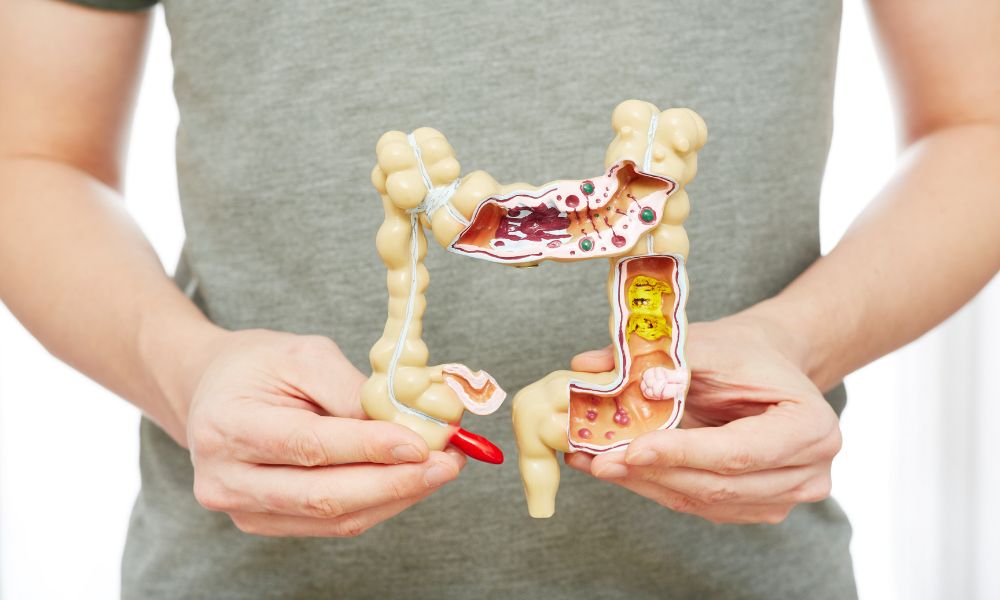
Starting Zepbound can be exciting, especially once you start seeing progress with weight loss. But for many people, that progress comes with an unwelcome side effect: constipation. If you’re feeling bloated, uncomfortable, or struggling with infrequent bowel movements, you’re not alone — the FDA’s prescribing information puts constipation rates at 11% to 17% of users depending on dose, versus 5% on placebo, most commonly in the first 4 to 8 weeks, per the FDA label.
I hold a certification in Nutrition Science and have a background in medicine, and this guide draws on published clinical guidance and gastroenterology sources to walk through why this happens and what genuinely helps — not personal medical authority I don’t have. If your constipation is severe or ongoing, talk to your prescribing doctor or a pharmacist directly; they can weigh in on your specific situation in a way general information never can.
In this guide: why Zepbound causes constipation, when it’s a normal adjustment versus a reason to call your provider, and the most effective, evidence-based ways to get relief — food, hydration, movement, and over-the-counter options.
Why Zepbound Slows Things Down
Zepbound works by mimicking hormones that regulate appetite and slow gastric emptying — the rate food leaves your stomach. That’s exactly what makes it effective for weight loss, but it also changes how your digestive tract moves, in two specific ways.
Slower stomach emptying. Food sits in your stomach and moves through your intestines more slowly than usual. The longer waste sits in your colon, the more water your colon pulls out of it — by the time it’s ready to move, stool has often lost much of its moisture, becoming dry, hard, and harder to pass. This is one of the more common Zepbound side effects people report.
Less bulk to trigger the signal. Because appetite is suppressed, people naturally eat smaller portions — and your intestines rely on physical bulk stretching their walls to trigger the wave-like contractions (peristalsis) that move waste along. Less food volume means a weaker signal to get things moving, compounding the slowdown from delayed gastric emptying — and what is there is moving too slowly and drying out.
How Long Does Zepbound Constipation Actually Last?
For most people, this eases up rather than getting steadily worse. It tends to cluster in the first 4 to 8 weeks after starting or increasing a dose — the window when your gut is adjusting to the new pace of digestion — and then settles down as your body adapts. If you’re still struggling well past two months on a stable dose, that’s less likely to be a temporary adjustment and more of a reason to bring it up at your next check-in rather than just riding it out.
Dose increases tend to restart the clock. If your provider bumps you up, expect a few weeks of the same adjustment, not a sign that something has gone wrong.
The Fiber Paradox: Why More Isn’t Always Better on a GLP-1
Generic constipation advice usually says “eat more fiber” — but on a GLP-1/GIP medication like Zepbound, that needs a caveat. When gut motility is normal, more fiber adds bulk and speeds elimination. But when your gut is already moving slowly, dumping in large amounts of coarse, insoluble fiber can create the opposite effect — more bloating, gas, and a denser stool mass that’s harder to pass.
Soluble fiber (the softener) dissolves into a gel that holds moisture in the stool, keeping it pliable rather than letting your colon dry it out completely. Good sources: peeled apples, pears, oats, chia seeds, flaxseed, and psyllium husk — though psyllium needs to be taken with plenty of fluid, or it can do the opposite of what you want.
Insoluble fiber (the sweeper) doesn’t dissolve and works more mechanically — leafy greens, cucumber skin, zucchini, cruciferous vegetables. On a slowed-down system, cooking these thoroughly rather than eating them raw makes them easier to process.
For a full weekly approach, see our Zepbound diet guide, or for ideas that translate across GLP-1 medications generally, meals to eat while on Ozempic. Our high fiber foods for constipation list is a good reference for picking options less likely to bloat you, and my high-fiber diet for GLP-1 users walks through it step by step if you want more structure.
If you’d rather not piece this together meal by meal on your own, I built my GLP-1 Kickstart Kit ($27) specifically around this — gentler, fiber-balanced meals designed for a slowed-down GLP-1 gut, with hydration and food targets mapped out day by day instead of left for you to guess.
Hydration Matters More Than It Sounds
Zepbound suppresses thirst signals along with hunger, so many people are more dehydrated on this medication than they realize — especially since eating less also means less of the water that normally comes from food itself (fruits, vegetables, cooked whole grains).
A few practical targets:
A glass of warm water first thing in the morning can help trigger the gastrocolic reflex — the nervous-system response that prompts your colon to contract when your stomach is stretched by warm liquid, often producing a natural urge to go shortly after waking.
Aim for roughly 100 oz (about 3 liters) of total fluid daily, spread through the day rather than all at once — chugging a large volume late in the day just adds to gastric discomfort given how slowly your stomach is already emptying.
Electrolytes matter. Water needs sodium, potassium, and magnesium to actually move into the bowel rather than passing straight through — this is part of why plain water alone sometimes doesn’t seem to help much.
Foods and Habits That Support Gut Motility
Bone broth is rich in glycine, an amino acid that supports the gut lining, plus natural sodium and potassium. See does bone broth make you poop for more on how it helps, or try pairing it with vegetables in our best soup for constipation.
Healthy fats — extra virgin olive oil, avocado oil, a teaspoon of MCT oil — help stool move by stimulating bile release, which acts as a natural lubricant in the intestines. Building meals around natural GLP-1 foods — lean protein, healthy fats, fiber-rich plants — supports this alongside your medication. If food sits heavy after eating, our guide on how to make your food digest faster after eating covers portion pacing, chewing, and other practical fixes.
Over-the-Counter Options: What Each Type Actually Does
When diet and hydration changes aren’t quite enough, OTC options can help — but which one you reach for matters. Here’s how the main categories work, based on standard clinical guidance for medication-related constipation:
Osmotic laxatives — Polyethylene Glycol 3350 (MiraLAX) and Magnesium Hydroxide (Milk of Magnesia) — aren’t absorbed by your body; they pull water into the stool by osmosis. MiraLAX is widely considered a first-line option for this kind of medication-induced constipation because it’s gentle and predictable, though it takes 24–48 hours to work. Milk of Magnesia acts faster (1–6 hours) and suits acute relief.
Magnesium supplements — citrate, oxide, or glycinate — relax intestinal muscle and draw water into the bowel. Magnesium citrate tablets, taken at the lower end of the label’s suggested range before bed, are a common daily option; the larger liquid bowel-prep doses (the kind used before a colonoscopy) are for occasional use only, since they can cause loose stools. Magnesium oxide is poorly absorbed, which is actually why it works as a mild, affordable daily laxative. If you’re looking for a targeted option, Magnesium Breakthrough combines several magnesium forms in one supplement (affiliate link — I may earn a small commission at no extra cost to you).
Stool softeners like Docusate Sodium (Colace) lower the surface tension of stool so moisture can penetrate it more easily — they don’t stimulate movement on their own, so they’re most useful alongside an osmotic option if straining is the main issue.
Stimulant laxatives — Senna (Senokot) and Bisacodyl (Dulcolax) — directly trigger intestinal contractions. These are for short-term, occasional use (no more than 2–3 days running); relying on them regularly can lead to dependency where the colon stops contracting on its own.
| Type | Common names | How it works | Best for | Caution |
|---|---|---|---|---|
| Osmotic | MiraLAX, Milk of Magnesia | Pulls water into stool | First-line, predictable | Drink water with each dose |
| Magnesium | Citrate, Oxide, Glycinate | Relaxes muscle, draws fluid | Daily prevention | Monitor kidney health with long-term high doses |
| Stool softener | Docusate Sodium (Colace) | Eases water penetration | Preventing straining | Won’t create urge on its own |
| Stimulant | Senna, Bisacodyl | Forces contraction | Short-term rescue only | Dependency risk with regular use |
General information, not a substitute for advice from your doctor or pharmacist — especially before starting any new supplement or OTC medication alongside Zepbound.
Physical Habits That Help
Toilet posture matters more than people expect. Sitting at a 90-degree angle on a standard toilet partially constricts the puborectalis muscle around the rectum, making elimination harder. A footstool (or two sturdy blocks) that raises your knees above your hips relaxes that muscle and opens a straighter path — a small, low-effort fix.
Gentle abdominal massage can help move things along when your gut’s internal signals are sluggish. Lying down, follow the path of your colon: stroke down the left side of your abdomen, then across the top and down the left in an inverted L, then up the right side and across for a full clockwise loop. A few minutes of this before bed or in the morning can support movement.
A Simple Daily Routine
| Time | What to do | Why |
|---|---|---|
| Morning | Warm water with a pinch of sea salt; a few minutes with a footstool; oats or ground flaxseed | Triggers the gastrocolic reflex; opens the anorectal angle; adds gentle soluble fiber |
| Midday | A meal with healthy fats (avocado, olive oil); keep sipping water | Stimulates bile release, which supports elimination |
| Afternoon | A short walk; warm herbal tea | Movement and warmth both support gut motility |
| Evening | Bone broth or a light dinner with cooked vegetables; magnesium if needed | Supports hydration and overnight softening |
🍽️ Want This Mapped Out for You?
My GLP-1 Kickstart Kit turns everything above into an actual day-by-day meal plan — gentle on digestion, high enough in the right kind of fiber, and built around foods that work with a slowed-down gut instead of against it.
Get the GLP-1 Kickstart Kit — $27 →When to Call Your Doctor
Managing everyday constipation through diet and OTC options is usually enough — but some symptoms need medical attention, not home management:
- Severe or sharp abdominal pain that makes it hard to stand up straight
- Blood in your stool, bright red or dark and tarry
- Persistent vomiting or inability to keep fluids down for over 24 hours
- Fever or chills with severe, firm abdominal bloating
- No bowel movement and no gas passed for more than 5 days
These can signal a more serious complication like fecal impaction or bowel obstruction — contact your prescribing provider or seek urgent care.
Final Thoughts
Changes in bowel habits are a common, expected adjustment to a medication that changes how your digestive system moves — not a sign you’re doing something wrong, and not usually a reason to stop treatment. Shifting from heavy insoluble fiber toward mineral-rich hydration, soluble fiber, natural lubricating fats, and the right OTC tool when needed helps most people find their footing again. Give your system a little time to adjust, and reach out to your provider if anything on the red-flag list above shows up.
