
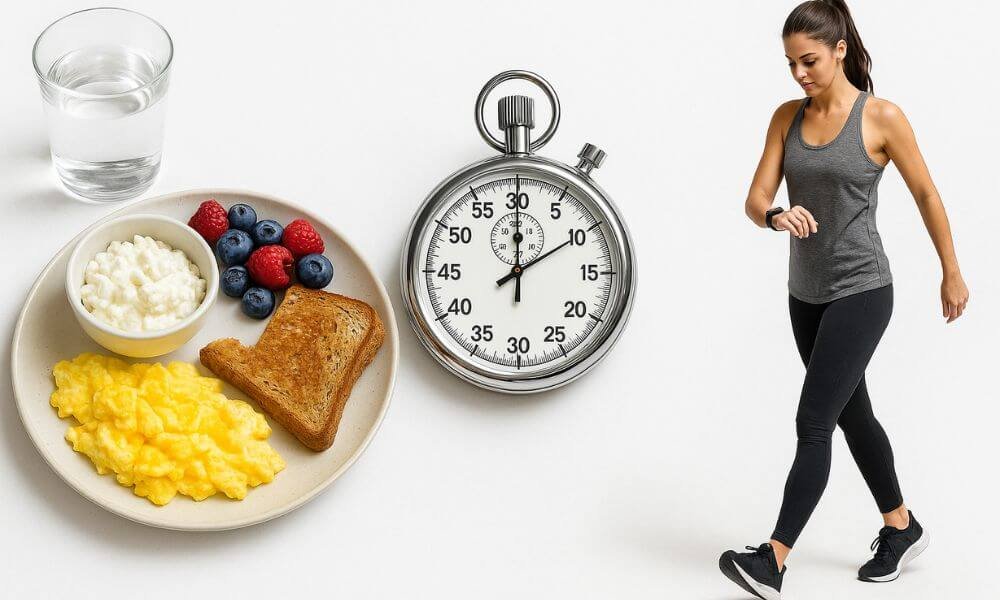
If you’re searching for a simple, step-by-step routine, the 30-30-30 method diet delivers exactly that: eat 30 g of protein within 30 minutes of waking, then move for 30 minutes (easy cardio like walking). User intent here is to know what it is and how to do it—so here’s the quick start: protein targets the 20–40 g range shown to support muscle protein synthesis, a 30-minute walk can burn roughly 100–150 calories for many adults, and pairing the two helps curb morning hunger and stabilize energy. This article gives you ready-to-use breakfast ideas, LISS workout options, and realistic results (think gradual fat loss alongside better appetite control) so you can implement the 30-30-30 method diet today.
Contents
- 0.1 What Is the 30-30-30 Method Diet? Core Rules and Who It’s For
- 0.2 Wrong deficit = no results
- 0.3 Why 30g Protein + 30 Minutes Early Movement Works: The Science in Brief
- 0.4 Step-by-Step Morning Routine: From Wake-Up to Post-Workout
- 0.5 Turn Your Steps into Calories Burned
- 0.6 Quick Breakfasts to Hit 30g Protein (Real Food, Shakes, and On-the-Go)
- 0.7 30-30-30 Method Diet 7 Day Meal Plan
- 0.8 30 Minutes of Movement: LISS Options, Heart-Rate Targets, and Variations
- 0.9 Results, Plateaus, and Safety: What to Expect and How to Adjust
- 0.9.1 How to measure progress (so you don’t get fooled by the scale):
- 0.9.2 Is it a real plateau—or just noise? (Check these first)
- 0.9.3 If weight hasn’t trended down for 2+ weeks, try ONE of these:
- 0.9.4 Structured “plateau breakers” (optional):
- 0.9.5 Common stall causes & quick fixes:
- 0.9.6 Safety first (non-negotiables):
- 0.9.7 When to maintain (not push):
- 0.9.8 Simple decision tree (weekly):
- 1 Before Starting Hard Diets
- 1.1 Struggling with unsustainable diets and frustrated by the lack of results?
- 1.2 Frequently Asked Questions
- 1.2.1 Can I do the 30/30/30 method with intermittent fasting?
- 1.2.2 What if breakfast makes me nauseous?
- 1.2.3 Is fasted cardio better than eating first?
- 1.2.4 Can I split the 30 minutes of movement?
- 1.2.5 Do meds like thyroid replacement, SSRIs, or birth control affect results?
- 1.2.6 How does my menstrual cycle change the scale?
- 1.2.7 Can I “bank” calories for the weekend?
- 1.2.8 Will creatine stop fat loss?
- 1.2.9 What about alcohol?
- 1.2.10 I’m strength training—why did my weight jump?
- 1.2.11 How much fiber and sodium should I aim for?
- 1.2.12 Traveling—how do I keep momentum?
- 1.2.13 Constipation after upping protein—what helps?
- 1.2.14 Signs I’m under-eating and should pause the deficit?
- 1.2.15 How do I find true maintenance calories?
- 1.2.16 Are smart scales for body fat worth it?
- 1.3 Conclusion
- 1.4 Before Starting Hard Diets
- 1.5 Struggling with unsustainable diets and frustrated by the lack of results?
What Is the 30-30-30 Method Diet? Core Rules and Who It’s For
The idea in one line: Within 30 minutes of waking, eat 30 grams of protein, then do 30 minutes of easy movement (walk, cycle, or similar). Repeat most days.
Core rules (simple and practical)
- 30g protein first thing: Eggs, Greek yogurt, cottage cheese, lean meats, tofu/tempeh, or a whey/plant shake.
- Eat within 30 minutes of waking: Blunts morning hunger and stabilizes energy.
- 30 minutes low-intensity (LISS): Walk, light bike, or treadmill; keep it conversational.
- Be consistent: Aim 5–7 days/week. Pair with a modest calorie deficit for fat loss.
- Round out the day: Prioritize whole foods, veggies, fiber (25–35 g/day), and total daily protein (~1.2–1.6 g/kg body weight).
Wrong deficit = no results
Find the calorie deficit that actually burns fat—without crashing your energy. Get a personalized target based on your stats.
Who it’s great for
- Beginners who want a clear, repeatable morning routine.
- Busy professionals who need structure without long workouts.
- People who overeat at night: A high-protein breakfast often reduces later cravings.
- Anyone stuck on plateaus who needs a simple habit stack to restart progress.
Who should modify or skip
- Night-shift workers: Treat your “wake time” as morning and follow the same 30-minute window.
- Those with medical needs (e.g., pregnancy, kidney issues, diabetes meds): get personalized guidance first.
- Athletes with early intense training: You may need more than 30g protein and additional carbs pre-workout.
What it is—and isn’t
- It’s a habit framework, not a strict diet. You still need appropriate calories for your goal.
- It complements strength training, sleep, and steps; it doesn’t replace them.
- Expect steady, realistic change, not overnight transformation.
Why 30g Protein + 30 Minutes Early Movement Works: The Science in Brief
First things first—breakfast protein, and here’s why it’s clutch:
- Muscle signal: Most adults need ~0.25–0.4 g/kg per meal to trigger muscle protein synthesis; 30 g covers many people (≈75 kg at 0.4 g/kg).
- Satiety & cravings: Protein bumps GLP-1/PYY and tamps down ghrelin, so you’re less snack-hungry later.
- Thermic effect: Protein costs energy to digest—about 20–30% of its calories—vs. ~5–10% for carbs and ~0–3% for fat.
- Glycemic control: A protein-anchored breakfast slows glucose spikes and steadies energy through the morning.
Next, we move—nothing crazy, just easy cardio that pays off:
- Easy burn: A brisk walk or gentle bike (~3–5 METs) typically uses 100–200 kcal in 30 minutes depending on body size and pace.
- Fat use & insulin sensitivity: Low-intensity, longer bouts tilt toward fat oxidation and can improve insulin sensitivity for the next day.
- Momentum for NEAT: Starting active nudges up steps and general activity (“NEAT”) across the day.
Now stack them—the magic is in the combo:
- Appetite control + energy use: Protein curbs overeating; movement adds a modest burn and better glucose handling—together they reduce late-day binges.
- Consistency friendly: Simple rules (30/30/30) are easy to repeat 5–7 days/week, which compounds results.
To keep it simple, aim for these daily targets:
- Protein: 1.2–1.6 g/kg body weight.
- Steps: 7k–10k most days.
- Strength: 2–3×/week to protect muscle while losing fat.
Step-by-Step Morning Routine: From Wake-Up to Post-Workout
Big picture: Protein within 30 minutes of waking, then 30 minutes of easy movement. Total time ≈ 60 minutes (or use the quick version below).
Night-before prep (2–5 min)
- Set out walking shoes, fill a water bottle, and pre-portion a 30 g protein breakfast (see options).
- Bonus: put your phone/alarm by a window so you get natural light first thing.
T+0–5 min: Wake & hydrate
- Drink 300–500 ml water (pinch of salt or electrolytes if you like).
- 60–90 seconds of joint circles + gentle hip/calf mobility.
T+5–15 min: Eat ~30 g protein
Pick one:
- Shake: 1 scoop whey/plant (25–30 g) + milk; add a banana if needed.
- Eggs: 3 whole eggs + ½ cup cottage cheese (≈30 g).
- Greek yogurt bowl: 1 cup (200–220 g) 2%–5% + 1 Tbsp PB or granola (add a 10 g protein boost if needed).
- Tofu/tempeh scramble: 150–200 g with veggies.
Coffee/tea is fine—preferably with the meal.
T+15–20 min: Get ready to move
- Bathroom, shoes on, playlist, start a step counter.
- If you’re sensitive to food before movement, choose the shake option.
T+20–50 min: 30 minutes LISS (easy cardio)
- Walk, light cycle, or treadmill at a conversational pace (RPE 3–4/10, HR ~60–70% max).
- Targets: 3–4k steps or 2–3 km easy walk.
- Keep shoulders relaxed, breathe through the nose when you can.
T+50–60 min: Cool down & plan the day
- 3–5 min easy walking + quick calf/hip flexor stretch.
- Log breakfast + walk; set a protein target (1.2–1.6 g/kg) and a step goal (7–10k) for the day.
Track What Counts
Turn Your Steps into Calories Burned
See how today’s steps translate into real energy burn—perfect for weight loss goals and daily motivation.
- Instant estimate from your step count
- More accuracy when you add weight & stride
- Great for comparing days and setting goals
Tip: Your burn can vary with pace, terrain, and stride length—use this tool to trend your progress over time.
Running late? The 15-minute “Minimum Viable Morning”
- Minute 0: Shake (25–30 g).
- Minutes 1–11: Brisk walk around the block or on a treadmill.
- Minutes 12–15: Stretch + set a reminder for another 20 min walk later.
Variations & troubleshooting
- Strength training early? Keep the 30 g protein, then lift; do the 30-min walk later.
- Night shift? Treat your wake time as “morning” and follow the same sequence.
- Stomach upset? Use lactose-free yogurt/milk or a plant shake; keep fats moderate at breakfast.
- Going too hard? If you can’t speak in full sentences, slow down—this is not HIIT.
Simple protein prep list (weekend batch)
- Hard-boiled eggs, grilled chicken strips, tofu cubes, Greek yogurt cups, ready-to-drink protein shakes, frozen fruit for smoothies.
Stick to this flow 5–7 days/week, and you’ll stack appetite control, steady energy, and easy daily movement—without overthinking it.
Quick Breakfasts to Hit 30g Protein (Real Food, Shakes, and On-the-Go)
Let’s keep mornings easy—here are plug-and-play ideas that hit ~30g fast.
Real-food plates (5–10 minutes)
- Egg + turkey scramble: 3 large eggs (18g) + 3 oz turkey breast (18g) → ~36g.
- Cottage bowl: 1 cup cottage cheese (24g) + 2 Tbsp peanut butter (7g) → ~31g.
- Greek yogurt parfait: 1 cup Greek yogurt (20g) + 1 oz almonds (6g) + 2 Tbsp hemp seeds (6g) → ~32g.
- Smoked salmon & eggs: 2 eggs (12g) + 3 oz smoked salmon (17g) + capers → ~29–31g.
- Tofu scramble (vegan): 200–250 g extra-firm tofu (18–22g) + ½ cup edamame (9g) + 1 Tbsp hemp seeds (3g) → ~30–34g.
Shakes & smoothies (2–3 minutes)
When time is tight, blend and go.
- Whey milkshake: 1 scoop whey (24–25g) + 1 cup milk (8g) → ~32–33g.
- Greek yogurt smoothie: ¾ cup Greek yogurt (15g) + ½ scoop whey (12g) + milk/water → ~30–32g.
- Plant power (vegan): 1 scoop pea or soy protein (20–24g) + 1 cup soy milk (7–8g) + 1 Tbsp peanut butter (3–4g) → ~30–36g.
- Coffee protein frappe: 1 scoop protein (24–25g) + chilled coffee + ½ cup milk (4g) → ~28–30g (add 2 Tbsp milk powder to bump +5g).
Grab-and-go combos (zero cooking)
Stock these and you’re always covered.
- RTD protein shake (11–14 oz) → ~25–30g; add a string cheese (+6g) if needed.
- Greek yogurt cup + jerky: yogurt (15–17g) + 1 oz beef/turkey jerky (9–11g) + mini cheese (5–6g) → ~30–34g.
- Cottage cup + bar: cottage cheese single (18–20g) + protein bar (10–12g) → ~28–32g.
- Hummus & soy milk (vegan): protein bar (10–12g) + 1 cup soy milk (7–8g) + roasted chickpeas ½ cup (7–8g) → ~24–28g (add a small tofu snack to hit 30g).
Build-your-own formula (never count again)
Anchor (20–25g) + Booster (5–10g) + Liquid (5–8g) = ~30g
Anchors: whey/plant scoop, 1 cup Greek yogurt, 1 cup cottage cheese, 3 eggs, 250 g tofu.
Boosters: 1 oz nuts, 2 Tbsp hemp, ½ cup edamame, 2–3 oz lean deli meat, string cheese.
Liquids: 1 cup milk or soy milk (7–8g); almond/oat (1–3g).
Tip: If appetite is low, start with a shake; if you get hungry early, choose a chewable plate (yogurt/eggs) for longer fullness.
30-30-30 Method Diet 7 Day Meal Plan
How it works: Within 30 minutes of waking, eat ~30 g protein, then do 30 minutes of easy movement (walk/cycle). Keep daily calories in a modest deficit; aim for protein 1.2–1.6 g/kg, fiber 25–35 g, plenty of water.
Portions below are for an average ~1,600–2,000 kcal day. Scale carbs/fats up or down to match your target while keeping protein similar.
Day 1
- Breakfast (30g P): 3 eggs + ½ cup cottage cheese; berries.
- Movement: 30-min brisk walk.
- Lunch: Chicken salad bowl (4–5 oz chicken, greens, cucumber, tomato, olive oil & lemon); small pita.
- Snack: Greek yogurt cup.
- Dinner: Baked salmon (5 oz) + quinoa (¾ cup cooked) + asparagus.
Day 2
- Breakfast (30g P): Whey or soy shake (1 scoop) + 1 cup milk + banana.
- Movement: 30-min easy cycle.
- Lunch: Turkey wrap (4–5 oz turkey, whole-grain wrap, mustard, lettuce); side carrots.
- Snack: Cottage cheese (¾ cup) + pineapple.
- Dinner: Stir-fried shrimp (6 oz) + mixed veggies + ½ cup jasmine rice.
Day 3
- Breakfast (30g P): Greek yogurt (1 cup) + 1 oz almonds + 1 Tbsp hemp seeds.
- Movement: 30-min walk.
- Lunch: Lentil soup (2 cups) + side salad; drizzle olive oil.
- Snack: String cheese + apple.
- Dinner: Grilled chicken thighs (5 oz) + roasted potatoes (1 cup) + green beans.
Day 4
- Breakfast (30g P): Tofu scramble (250 g tofu) with peppers, spinach; slice whole-grain toast.
- Movement: 30-min treadmill incline.
- Lunch: Tuna salad (1 can tuna + Greek yogurt) on mixed greens; crackers.
- Snack: Protein bar (~10–20 g).
- Dinner: Beef or tempeh taco bowl (5 oz protein, black beans, lettuce, salsa) + ½ cup rice.
Day 5
- Breakfast (30g P): 3-egg omelet with 1 oz feta + veggies.
- Movement: 30-min outdoor walk.
- Lunch: Chickpea quinoa bowl (¾ cup each cooked) + cucumbers, tomatoes, tahini-lemon.
- Snack: Kefir or soy milk (1 cup).
- Dinner: Baked cod (5 oz) + sweet potato (1 medium) + broccoli.
Day 6
- Breakfast (30g P): Overnight oats with ½ scoop protein + ¾ cup Greek yogurt mixed in; blueberries.
- Movement: 30-min light bike.
- Lunch: Turkey burger (5 oz) on whole-grain bun; slaw.
- Snack: Hummus (¼ cup) + peppers.
- Dinner: Chicken stir-fry (5 oz) + mixed veggies + ½–1 cup rice (per calories).
Day 7
- Breakfast (30g P): Cottage cheese (1 cup) + 2 Tbsp peanut butter + banana slices.
- Movement: 30-min walk in nature.
- Lunch: Mediterranean bowl (4–5 oz grilled chicken or tofu, cherry tomatoes, olives, cucumbers, ½ cup farro, tzatziki).
- Snack: Greek yogurt or RTD protein shake.
- Dinner: Turkey meatballs (5–6 oz) + zucchini “zoodles” + marinara; parmesan.
Vegan/Vegetarian swaps
- Use tofu/tempeh/edamame, soy/pea protein, Greek-style plant yogurts, legumes + grains to hit 30 g at breakfast and ~30–40 g per main meal.
Grocery quick list
Eggs, Greek yogurt, cottage cheese, whey/plant protein, chicken, turkey, shrimp, salmon/cod, tofu/tempeh, lentils, chickpeas, quinoa/rice/farro, wraps, mixed greens, veggies, berries, olive oil, hummus, nuts/seeds.
Pro tips: Keep breakfast and movement consistent; adjust lunch/dinner carbs to match your calorie goal. If appetite is low in the morning, start with a shake, then walk.
30 Minutes of Movement: LISS Options, Heart-Rate Targets, and Variations
What counts as LISS (low-intensity steady state):
A continuous, easy pace you could hold a conversation at (no gasping), for ~30 minutes. Think RPE 3–4/10.
Heart-rate targets (pick one method):
- Simple formula: Aim for 60–70% of max HR. Max ≈
220 − age. (Example: age 40 → max ≈ 180 bpm → target 108–126 bpm.) - Karvonen (more personal): Target HR =
[(HRmax − HRrest) × 0.6–0.7] + HRrest. - Talk test: You can speak in full sentences; singing is hard.
On beta-blockers or similar meds? Use the talk test/RPE instead of HR numbers.
Outdoor options (easy wins):
- Brisk walk: Flat route or light hills, 3–4 km (≈2–2.5 miles).
- Bike cruise: Flat spin, keep cadence smooth.
- Pool walk/easy laps: Great if you’re joint-sensitive or it’s hot out.
Indoor options (low impact):
- Treadmill walk: 3.0–3.5 mph (4.8–5.6 km/h) at 3–6% incline.
- Stationary bike: Comfortable gear; breathing a bit elevated, not burning out.
- Elliptical/rower: Smooth tempo, steady breathing.
- Steady walk: 5-min warm-up → 20 min steady at RPE 3–4 → 5-min cool-down.
- Incline waves (still LISS): 5-min warm-up → 4×(4 min at 5–6% incline + 1 min flat) → 5-min cool-down.
- Bike cruise: 5-min easy → 20 min steady spin → 5-min easy.
- Joint-friendly mix: 10 min bike + 10 min treadmill + 10 min elliptical, all easy.
Variations to keep it fresh (without turning it into HIIT):
- Incline instead of speed (walkers).
- Longer, same effort once weekly (35–45 min).
- Split sessions: 2×15 min if your morning is packed.
- Loaded walk: Light backpack (2–5 kg) if joints tolerate it.
Technique tips:
- Relax shoulders, light arm swing, mid-foot strike.
- Nose-first breathing when possible; posture tall, eyes forward.
- Aim 3–4k steps during the 30 minutes (helps hit 7–10k/day).
Warm-up & cool-down (3–5 min each):
Ankle circles, gentle calf/hip openers; finish with easy stretches (calves, hip flexors).
Progression (4 weeks):
- Week 1: 4×/week, 30 min.
- Week 2: 5×/week, 30 min.
- Week 3: 5×/week, 30–35 min (one longer day).
- Week 4: 6×/week, 30 min (or keep one 40-min day).
Safety notes:
Stay hydrated, dress for weather, and stop if you feel dizzy, chest pain, or unusual shortness of breath. Pregnant, recently injured, or managing conditions? Clear your plan with a clinician.
Results, Plateaus, and Safety: What to Expect and How to Adjust
The 30/30/30 method is a simple daily anchor—30 g protein within 30 minutes of waking + 30 minutes of easy movement—that improves appetite control and consistency. Fat loss still comes from a steady calorie deficit, so expect visible trends over 2–4 weeks, not days. Use the guide below to track progress, troubleshoot real plateaus, and stay safe while you adjust.
What results to expect (realistic, not magic):
- Fat loss pace: ~0.5–1.0% of body weight per week (e.g., 70 kg → 0.35–0.7 kg/week). Slower if you’re leaner, faster at higher starting weights.
- Early week wins: Less snacking, steadier energy, better appetite control from the 30 g protein breakfast.
- Body comp: Best changes happen when you lift 2–3×/week + keep protein 1.2–1.6 g/kg.
How to measure progress (so you don’t get fooled by the scale):
- Scale: Weigh 3–4×/week, use a 7-day average; look at 2–4 week trends, not single days.
- Tape & photos: Waist/hip weekly; front/side photos every 2 weeks in similar lighting.
- Performance & habits: Steps (7–10k/day), 30-min LISS consistency, protein targets met.
Is it a real plateau—or just noise? (Check these first)
- Sodium/carbs/hormonal cycles: Water shifts can mask fat loss for 3–7 days.
- NEAT drop: Dieting often lowers spontaneous movement; compare week-to-week step counts.
- Tracking drift: Re-measure portions for 3–5 days; tiny extras can erase a 300–500 kcal deficit.
If weight hasn’t trended down for 2+ weeks, try ONE of these:
- Calorie nudge: Reduce 100–150 kcal/day (usually from carbs/fats), or
- Move more: Add +1,500–2,000 steps/day or +10 minutes to 3 LISS sessions, or
- Protein tighten: Ensure ≥1.6 g/kg and make breakfast a full 30 g.
- Sleep/stress audit: Aim 7–9 h sleep; late nights can increase hunger by 200–300 kcal/day.
Structured “plateau breakers” (optional):
- Diet break: 7–14 days at estimated maintenance (same protein), to reduce fatigue/adaptation.
- Refeed day: 1–2 days at maintenance, mostly from carbs; can help training quality.
- Macro re-balance: Keep protein steady; shift ~10–15% calories between carbs/fats to improve adherence.
Common stall causes & quick fixes:
- Liquid calories & BLTs (bites, licks, tastes) → Swap for zero-cal drinks; pre-log snacks.
- Weekend creep → Plan two “anchor” meals + a walk before social events.
- Overdoing intensity → LISS should be RPE 3–4/10; going too hard can spike appetite and reduce NEAT.
Safety first (non-negotiables):
- Calorie floor: Generally avoid <1,200 kcal/day (women) or <1,500 kcal/day (men), or below ~85% of BMR without medical supervision.
- Macro minimums: Protein ≥1.2 g/kg, fats ≥0.6 g/kg to protect hormones; keep some carbs for training unless medically advised.
- Medical considerations: If you’re pregnant, breastfeeding, managing kidney disease, diabetes meds/insulin, eating-disorder history, or on GLP-1 drugs—get personalized guidance.
- Red flags—pause and assess: Dizziness, fainting, chest pain, rapid heart rate at rest, missed periods, hair loss, or compulsive food thoughts.
When to maintain (not push):
- After 8–12 weeks of deficit, consider 2–4 weeks at maintenance to consolidate results.
- If life stress spikes, hold weight steady: keep the 30/30/30 habit, park fat loss until routines stabilize.
Simple decision tree (weekly):
- Did you hit protein, steps, LISS 5–6×, and average calories?
- Yes: If trend is down → keep going. If flat 2+ weeks → apply a small nudge (above).
- No: Fix consistency first; don’t cut more calories.
- Feeling run-down? Insert a diet break or deload week.
Stay patient, keep the morning anchor (30 g protein + 30 min LISS), and make small adjustments. Consistency beats intensity—every time.
Frequently Asked Questions
Can I do the 30/30/30 method with intermittent fasting?
Yes. Treat your first meal of the day as the 30 g protein meal and do 30 minutes of easy movement right after. If your fasting window pushes breakfast late, you won’t get the morning appetite benefits—but fat loss still comes from your overall calorie deficit.
What if breakfast makes me nauseous?
Go liquid and lighter: a protein shake or kefir often sits better. Start with 20 g for a week, then move to 30 g. Ginger tea and a few salted crackers can help early-morning queasiness.
Is fasted cardio better than eating first?
Not for fat loss. Total calories and consistency matter more. Eating 30 g protein first tends to blunt cravings and stabilize blood sugar, which can improve adherence.
Can I split the 30 minutes of movement?
Yes. 2×15 minutes (morning + lunch or evening) works fine. Keep intensity at RPE 3–4/10 either way.
Do meds like thyroid replacement, SSRIs, or birth control affect results?
They can change appetite, water retention, or energy expenditure. Focus on habit consistency for 3–4 weeks; if trends lag, adjust calories/steps modestly. Discuss medication-related weight shifts with your clinician before making large cuts.
How does my menstrual cycle change the scale?
Many see +0.5–2.0 kg water in the late luteal phase. Evaluate progress using 2–3 cycle averages, not one week. Keep protein/fiber high and sodium consistent to reduce bloat noise.
Can I “bank” calories for the weekend?
Yes, use a weekly calorie target while keeping daily protein (≥1.2–1.6 g/kg) and the 30-minute LISS every day. Avoid extreme swings that spike hunger and reduce NEAT.
Will creatine stop fat loss?
No. Creatine may add 0.5–1.5 kg of intracellular water in muscles, which can mask scale drops but doesn’t block fat loss. It can improve training and preserve lean mass.
What about alcohol?
Limit to 0–2 drinks, preferably not daily. Alcohol reduces sleep quality and increases snack intake. If you drink, keep protein first, choose lower-cal options, and cap late-night eating.
I’m strength training—why did my weight jump?
New or hard sessions cause muscle glycogen + water and inflammation for 24–72 hours. Use weekly averages; photos and waist tape often improve even when the scale stalls.
How much fiber and sodium should I aim for?
Fiber 25–35 g/day; keep sodium consistent day to day rather than “low,” so water weight is predictable. Big sodium swings can hide real fat loss for several days.
Traveling—how do I keep momentum?
Anchor the basics: hotel-walk 30 min, 30 g protein at your first meal, 7–10k steps. Pre-plan two high-protein options per day and carry a shake or jerky for backup.
Constipation after upping protein—what helps?
Increase water, add 10–15 g fiber from fruits/veg/whole grains or psyllium, and keep daily steps up. If persistent, consider a gentler protein source (yogurt/soy) and speak with a clinician.
Signs I’m under-eating and should pause the deficit?
Persistent fatigue, cold hands/feet, hair shedding, irritability, loss of libido, missed periods, or resting HR rising. Move to maintenance for 2–4 weeks while keeping protein and movement.
How do I find true maintenance calories?
Eat a steady intake for 14 days, keep steps and training constant, and watch the 14-day weight trend. If weight holds ±0.25%/week, you’re near maintenance; adjust by ±100–150 kcal if not.
Are smart scales for body fat worth it?
They’re directional, not precise. Use them as a trend tool combined with tape measurements and photos. For accuracy checks, compare occasionally with DEXA or a well-done tape method.
Conclusion
The 30-30-30 method diet keeps weight loss simple: eat 30 grams of protein within 30 minutes of waking, then do 30 minutes of easy movement. That one-two punch steadies blood sugar, curbs cravings, and sets a consistent rhythm you can actually stick to. Pair it with a modest calorie deficit, plenty of fiber, and strength training 2–3 times a week, and you’ll see steady progress over the next few weeks—not just on the scale, but in energy and appetite control.
If your results stall, adjust gently: trim 100–150 calories, add 1,500–2,000 daily steps, or tighten protein to 1.2–1.6 g/kg. Track a 7-day weight average, tape your waist, and look for trends across 2–4 weeks. Most important, protect your health—avoid extreme deficits and prioritize sleep and recovery. Start tomorrow morning with a 30 g protein breakfast and a relaxed walk. Keep repeating. The 30-30-30 method diet works because it’s doable—small wins, every day.
