
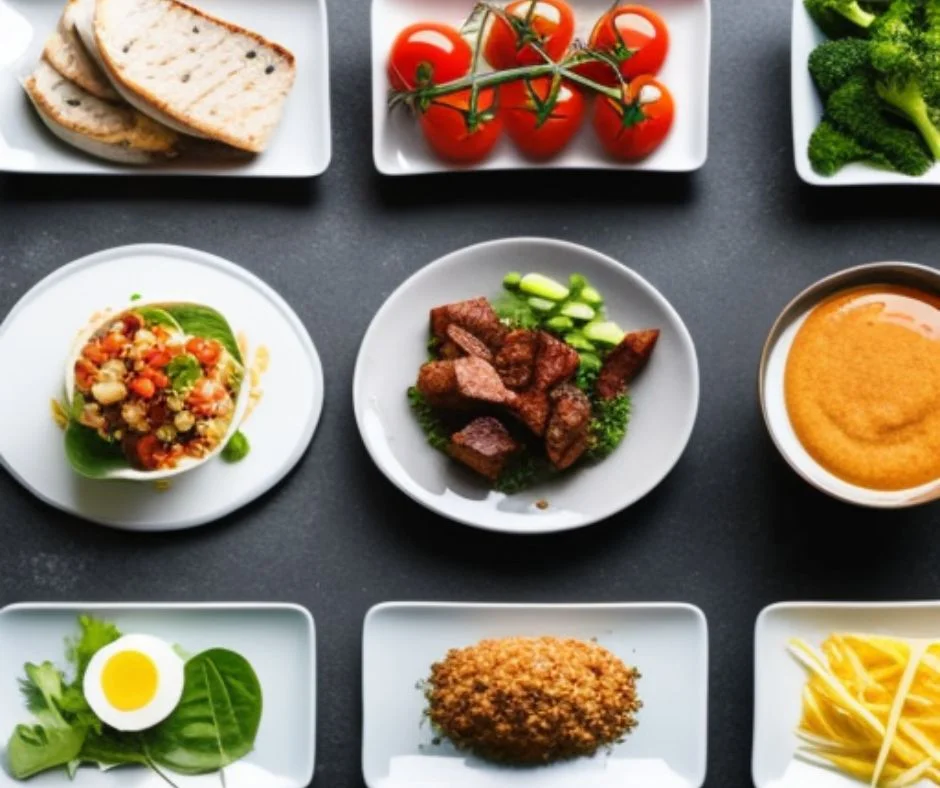
Five days of eating almost nothing sounds miserable until you realize the hard part isn’t the hunger. It’s deciding what to cook when everything feels off-limits. These five plant-based, low-protein recipes give you simple, vegetable-based meals to use during a fasting mimicking diet (FMD) cycle.
One honest caveat up front. The FMD was developed by longevity researcher Dr. Valter Longo, and the clinical protocol uses carefully set calories and macronutrients across five days. These recipes follow the same principles (plant-based, low protein, low sugar, modest healthy fats), but I have not calorie-matched them to the clinical protocol, so they are “FMD-style,” not a replica of the commercial ProLon kit. If you want the exact protocol, follow it as written or work with a clinician.
I’m Dr. Nada, a pharmacist (BPharm, Cairo University) certified in Nutrition Science and Obesity Management. I’m not a registered dietitian or a physician, and this isn’t medical advice. Please talk to your doctor before trying any fasting protocol, especially if you take medication, have diabetes, are pregnant or breastfeeding, are underweight, or have ever had an eating disorder.
What Is the Fasting Mimicking Diet?
The FMD is a short, repeated, plant-based eating pattern designed to produce some of the metabolic effects of fasting while still allowing small amounts of food. In the best-known randomized trial, published in 2017 by Longo’s group (Wei et al., Science Translational Medicine), participants followed the diet for five days a month for three months, eating roughly 750–1,100 calories a day. Compared with the control group, they lost an average of about 6 pounds, mostly body and trunk fat, and had small drops in blood pressure and IGF-1. The researchers themselves said larger trials are needed to confirm any effects on disease.
A 2024 analysis of that trial’s blood samples, plus a second study, reported that three FMD cycles were associated with lower insulin resistance, less liver fat and a median biological age about 2.5 years lower, independent of weight loss (Brandhorst et al., Nature Communications). That sounds dramatic, so here is the fine print: it was a secondary, exploratory analysis, some subgroups were small, the participants weren’t representative of the general population, and the authors are from the group that developed the diet.
That’s encouraging, but it’s not proof the FMD prevents or treats any disease, and results in your own life may differ. For a deeper explanation of how it works and who it suits, read my guide to the DIY fasting mimicking diet. If five days sounds like too much right now, my gentler 14/10 intermittent fasting plan is a better first step.
The weight lost in the 2017 trial came over three months of monthly cycles, so think of an FMD as a periodic reset rather than a weight-loss plan on its own. For the 25 days in between, a simple structure helps, and my 4-Week Weight Loss Planner ($5) was built for that.
How to Use These Recipes
- Keep portions modest. Even FMD-friendly foods can undermine the plan if portions are large.
- Use olive oil by the spoonful, not the splash. Healthy fats add satiety, but more is not better.
- Skip hidden protein and sugar. That means legumes, tofu, nuts, seeds, sweeteners and bottled sauces.
- Choose low-sodium vegetable broth. Check the label for added sugar.
- Listen to your body. Mild hunger is expected. Dizziness, weakness or palpitations mean you should stop and eat normally.
Want the full ingredient rules? My fasting mimicking diet food list explains how to follow it at home, and these 12 ProLon diet tips cover the practical side of getting through five days.
Shopping and Prep List
Because the recipes share ingredients, one shopping trip covers most of them. Buy cauliflower, spinach, zucchini, mushrooms (button and portobello), bell peppers, broccoli, onions, garlic, cucumber, lemons, leafy greens and low-sodium vegetable broth, plus olive oil, balsamic vinegar and basic spices. The soup keeps well in the fridge for a day or two and reheats easily, so it’s worth making a double batch on day one. The salad and stir-fry are best cooked or assembled fresh.
1. Spicy Cauliflower and Spinach Soup

A warm, blended soup that fills the bowl without adding protein. The spices do the heavy lifting.
Ingredients
- 1 tablespoon extra-virgin olive oil
- ½ head cauliflower, roughly chopped
- ½ medium onion, chopped
- 1 clove garlic, minced
- ½ teaspoon ground cumin
- ½ teaspoon ground coriander
- ½ teaspoon paprika
- ¼ teaspoon cayenne pepper (optional)
- 3 cups low-sodium vegetable broth
- 1 cup fresh spinach, chopped
- Sea salt and black pepper, to taste
Instructions
- Heat the olive oil in a medium pot over medium heat. Sauté the onion and garlic for 2–3 minutes until soft and fragrant.
- Add the cauliflower, cumin, coriander, paprika and cayenne. Stir and cook 2–3 minutes to lightly toast the spices.
- Pour in the broth and bring to a gentle boil. Cover and simmer 20–25 minutes, until the cauliflower is very tender.
- Blend until smooth with an immersion blender.
- Return to low heat, stir in the spinach and cook 2–3 minutes until just wilted.
- Season with salt and pepper and serve warm.
Notes: best fresh, keep the portion moderate, and don’t top with grains or high-protein extras.
2. Simple Greens and Olive Oil Salad

A no-cook option for days when you don’t want to stand at the stove.
Ingredients
- 2 cups mixed leafy greens (arugula, romaine or baby spinach)
- ¼ cup sliced cucumber
- 1 tablespoon extra-virgin olive oil
- 1 tablespoon fresh lemon juice
- Sea salt and black pepper, to taste
Instructions
- Place the greens and cucumber in a bowl.
- Whisk the olive oil and lemon juice in a small bowl.
- Drizzle over the salad and toss.
- Season lightly and serve right away.
Notes: skip cheese, nuts, seeds and legumes, and keep the portion modest.
3. Zucchini and Mushroom Sauté

Savory and quick. Zucchini and mushrooms give you volume without adding much protein or sugar.
Ingredients
- 1 tablespoon extra-virgin olive oil
- 2 medium zucchini, thinly sliced
- 2 cups sliced mushrooms
- ¼ small red onion, thinly sliced
- Sea salt and black pepper, to taste
Instructions
- Heat the oil in a large skillet over medium heat.
- Cook the onion 2–3 minutes until softened.
- Add the zucchini and mushrooms and sauté 6–8 minutes, stirring occasionally, until tender and lightly browned.
- Season and serve warm.
Notes: don’t add tofu or legumes to bulk it up.
4. Portobello Mushroom Stack
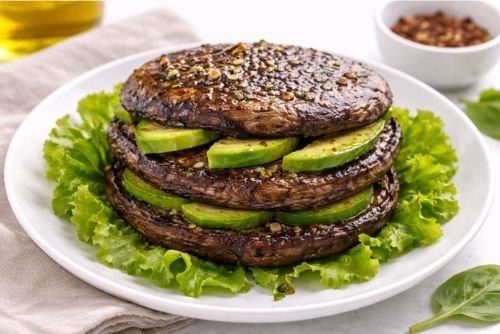
A hearty, grill-pan dish that feels like a proper meal, wrapped in lettuce instead of bread.
Ingredients
- 2 large portobello mushroom caps
- 1 tablespoon extra-virgin olive oil
- 1 teaspoon balsamic vinegar
- ½ teaspoon garlic powder
- Sea salt and black pepper, to taste
- Lettuce leaves, for serving
- A few slices of avocado (optional, keep small)
Instructions
- Clean the caps and remove the stems.
- Whisk the oil, vinegar, garlic powder, salt and pepper.
- Brush over both sides of the mushrooms.
- Cook on a grill pan or skillet over medium heat for 5–7 minutes per side, until tender.
- Stack on lettuce, add avocado if using, and serve warm.
Notes: avocado adds calories quickly, so keep slices few. Leave off cheese and other high-protein toppings.
5. Vegetable Stir-Fry
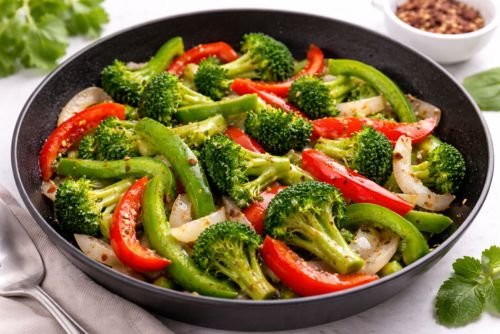
Colorful, fast and easy to adjust, as long as you stick to non-starchy vegetables.
Ingredients
- 1 tablespoon extra-virgin olive oil
- 1 red bell pepper, sliced
- 1 green bell pepper, sliced
- 1 small head broccoli, in florets
- 1 small onion, thinly sliced
- 2 cloves garlic, minced
- ¼ cup low-sodium vegetable broth
- ¼ teaspoon red pepper flakes (optional)
- Sea salt and black pepper, to taste
Instructions
- Heat the oil in a large skillet over medium-high heat.
- Sauté the onion and garlic for 1–2 minutes until fragrant.
- Add the peppers and broccoli and stir-fry 3–5 minutes.
- Pour in the broth, add the pepper flakes if using, and cook 2–3 minutes more until tender-crisp.
- Season lightly and serve warm.
Notes: skip soy sauce, tamari and any added sugar. If you’re comparing your options, see how this pattern differs from the intermittent fasting food list.
A Sample 5-Day Rotation
Here is one way to spread the five recipes across a cycle. Because they haven’t been calorie-matched, treat this as a template, not a prescription, and keep every portion modest.
- Day 1: spicy cauliflower and spinach soup (make a double batch), plus the greens and olive oil salad
- Day 2: reheated soup and the zucchini and mushroom sauté
- Day 3: vegetable stir-fry and a small salad
- Day 4: portobello mushroom stack and a cup of soup
- Day 5: zucchini and mushroom sauté with the salad, then plan how you’ll come off the fast
If your cycle uses a branded kit instead, follow its calorie and ingredient rules and use these recipes only where the protocol allows.
Who Should Avoid the Fasting Mimicking Diet?
Fasting-style diets aren’t right for everyone. Skip it, or talk to your doctor first, if you are pregnant or breastfeeding, underweight, have a history of an eating disorder, take medication whose dose depends on eating (such as insulin or other diabetes medicines), or have a chronic medical condition. If diabetes is part of your picture, my article on fasting and diabetes explains why medical supervision matters. Common side effects of fasting, like headaches and fatigue, are covered in my guide to intermittent fasting side effects.
As a pharmacist, there are two medicine points I’d add. First, if you take warfarin, remember that spinach, broccoli and other leafy greens are rich in vitamin K, which affects how warfarin works. A sudden jump in greens during a cycle is worth discussing with your prescriber. Second, if you take blood pressure medicines or water tablets (diuretics), eating and drinking much less than usual can raise the risk of dizziness or dehydration, so ask your doctor or pharmacist whether your doses need to change.
Coming Off the Fast
After the last day, go back to normal eating gradually rather than with a huge meal. Start with easily digested foods such as cooked vegetables, soup, fruit and small portions of whole grains, then add protein back over the next day. A big rich meal right away is a common reason people feel bloated or sick. If you feel unwell at any point, stop and get medical advice.
📅 Planning the 25 days in between?
A fasting mimicking cycle is only five days a month. For the rest of the month, four weeks of meals, check-ins and notes on one printable page keeps things simple.
Get the 4-Week Weight Loss Planner — $5 →FMD Recipe FAQs
Can I add protein-rich foods to these recipes?
For an FMD-style cycle, no. The point is to keep protein and sugar low, so avoid animal products, legumes, tofu, nuts and seeds.
What if I’m very hungry?
Mild hunger is normal. If you feel weak, dizzy or unwell, stop the fast and eat normally, and check with a healthcare professional.
Are these recipes for everyday eating?
No. They are designed as a short-term, plant-based, low-protein pattern for a few days at a time, not a long-term daily diet.
How often can I do a cycle?
In the trials above, participants did one five-day cycle a month for about three months. I’m not aware of evidence supporting more frequent cycles, so I wouldn’t do them more often than that without medical guidance.
What can I drink?
Plain water and unsweetened herbal tea are the safe defaults. If you’re following a specific protocol, use its drink rules, since some allow other beverages and some don’t.
Can I substitute vegetables?
Simple swaps among non-starchy vegetables are usually fine. Avoid grains, legumes and processed foods, and keep added fat small.
Can I exercise during a cycle?
Keep it gentle. Walking and stretching are reasonable for most people, but this is not the time for hard training. If you feel light-headed, stop and eat.
Final Thoughts
The FMD works best when it’s boring and repeatable: a few simple vegetable dishes you can make without thinking. Use these recipes as a short-term tool, keep the portions modest, and stop if your body tells you it’s too much. If you’re unsure whether this approach is right for you, a conversation with your doctor is worth more than any recipe.
References
- Wei M et al. Fasting-mimicking diet and markers/risk factors for aging, diabetes, cancer, and cardiovascular disease. Science Translational Medicine, 2017 (PubMed)
- Brandhorst S et al. Fasting-mimicking diet causes hepatic and blood markers changes indicating reduced biological age and disease risk. Nature Communications, 2024
- USC News: Scientifically designed fasting diet lowers risks for major diseases
Last reviewed: November 2026.
Written by Dr. Nada Ahmed El Gazaar, BPharm — a pharmacist certified in Nutrition Science (Zewail International Academy) and Obesity Management (EPSN Academy), who works with nutrition clients online. This article is educational and not a substitute for personal medical advice.
