

Starting a keto diet sounds simple—cut carbs, eat more fat, and your body shifts into fat-burning mode.
But in reality, this is where most people get stuck.
You follow the plan, avoid obvious carbs, and still don’t see the results you expected. In many cases, it’s not because keto isn’t working—it’s because of a few hidden food choices that quietly slow your progress.
As a nutritionist, I often see people make the same mistakes. Some foods seem healthy or “low-carb enough,” but they can still interfere with ketosis or lead to overeating without you realizing it.
In this guide, I’ll walk you through the most common keto diet foods to avoid, explain why they can be a problem, and show you how to make better choices so you can stay on track and actually see results.
Contents
- 1 Why Some “Healthy” Foods Can Slow Keto Progress
- 2 1- Legumes
- 3 2- Peanut Butter and Peanuts
- 4 3- Low-Fat Dairy Products
- 5 4- Most Fruits on Keto
- 6 5- Trans Fats and Hydrogenated Oils
- 7 What to Eat Instead (Better Keto Alternatives)
- 8 How to Avoid Hidden Carbs on Keto
- 9 Final Thoughts
- 10 Before Starting Hard Diets
- 11 Struggling with unsustainable diets and frustrated by the lack of results?
Why Some “Healthy” Foods Can Slow Keto Progress
One of the most common reasons people struggle on keto is not obvious mistakes—but choosing the wrong “healthy” foods.
Many foods that are considered nutritious in a general diet—like fruits, legumes, or low-fat products—can still interfere with ketosis. That’s because keto works differently. Instead of focusing only on calories or overall health labels, it depends mainly on keeping carbohydrates low enough for your body to stay in fat-burning mode.
As a nutritionist, I often see people doing everything “right” on paper, yet not seeing results. In most cases, the issue isn’t effort—it’s small food choices that add up throughout the day.
For example:
- A “healthy” snack that contains hidden sugars
- A food that’s high in carbs but also high in fiber (and assumed to be keto-friendly)
- Low-fat products that compensate with added sugars
These choices may seem harmless, but they can slow down fat loss, increase cravings, or make it harder to stay in ketosis.
The key is to look beyond labels like “healthy” or “natural” and focus on what actually supports your goal on keto: low carbs, proper satiety, and consistency.
1- Legumes
Legumes like lentils, beans, chickpeas, and kidney beans are often considered healthy—and in many diets, they are. But on keto, they can easily slow your progress.
Why they’re a problem on keto:
While legumes are rich in fiber and plant-based protein, they are also relatively high in carbohydrates. Even small portions can quickly use up your daily carb limit and make it harder to stay in ketosis.
For example:
- Lentils: ~20g net carbs per cup
- Chickpeas: ~25g net carbs per cup
That’s enough to exceed most keto daily carb targets in just one serving.
Why they can be confusing:
Because legumes are often labeled as “healthy,” many people assume they’re keto-friendly too. But keto is less about general health labels and more about carb control.
Better alternatives:
If you’re looking for similar texture or satiety, you can try:
- Zucchini or eggplant (for volume in meals)
- Cauliflower (as a base or mash)
- Nuts or seeds (for a quick, filling option)
If you’re following keto for weight loss, it’s best to avoid legumes altogether—at least in the beginning—until you understand how your body responds to carbs. If you’re trying to structure your diet more flexibly, this keto cycle diet plan can help you understand when and how to adjust your carb intake.
2- Peanut Butter and Peanuts
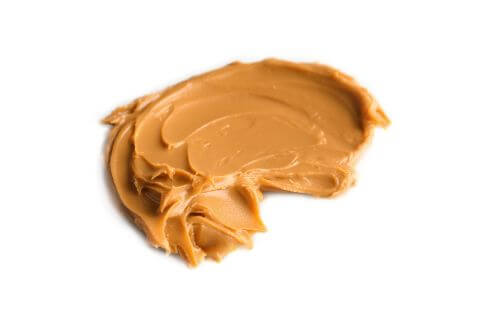
Peanuts and peanut butter are often seen as convenient, healthy snacks—but on keto, they can be a bit tricky.
Why they can be a problem:
Peanuts are technically legumes, not nuts, and they contain more carbs than many keto-friendly options. While they’re not extremely high in carbs, they are easy to overeat, which can quickly push you over your daily limit.
Peanut butter adds another layer of concern. Many commercial brands contain:
- Added sugars
- Hydrogenated oils
- Hidden carbs
These ingredients can interfere with ketosis without you realizing it.
Why they can be confusing:
Peanuts have a relatively low glycemic index and contain healthy fats, so they’re often labeled as “good for you.” But on keto, even moderate-carb foods can slow progress if portions aren’t controlled.
Better alternatives:
If you’re looking for something similar, try:
- Almond butter (unsweetened)
- Macadamia nut butter
- Whole nuts like pecans or walnuts
These are typically lower in carbs and easier to fit into a keto plan.
If you choose to eat peanut butter, go for natural, unsweetened versions and stick to small portions (1–2 tablespoons).
3- Low-Fat Dairy Products
Choosing low-fat dairy might seem like a healthy decision—but on keto, it can actually work against your goals.
Why it can be a problem:
When fat is removed from dairy products, it’s often replaced with carbohydrates (lactose) or added sugars to improve taste and texture. This means low-fat options can end up being higher in carbs than you expect. To build balanced meals that support your progress, you can explore these easy keto dinner recipes for simple, low-carb ideas.
For example:
- Milk: ~12g carbs per cup
- Low-fat yogurt: often higher in sugar than full-fat versions
These carbs can add up quickly and make it harder to stay in ketosis.
Why it can be confusing:
Many people associate “low-fat” with weight loss. But keto works differently—it relies on adequate fat intake for satiety, not restriction. Removing fat can actually leave you feeling less full and more likely to snack.
Better alternatives:
Instead of low-fat dairy, go for:
- Full-fat Greek yogurt (unsweetened)
- Hard cheeses (like cheddar or parmesan)
- Butter and heavy cream (in moderation)
These options are lower in carbs and more satisfying.
Always check labels—especially with yogurt and dairy products. Even small amounts of added sugar can interfere with your progress on keto. On hectic mornings, these lazy keto breakfast recipes can make your routine much easier to follow.
4- Most Fruits on Keto
Fruits are often seen as one of the healthiest food groups—but on keto, most of them can quickly take you out of ketosis.
Why they can be a problem:
Fruits contain natural sugars (mainly fructose), which still count as carbohydrates. Even though they come with fiber and vitamins, the total carb content is often too high for a ketogenic diet.
For example:
- Bananas: ~20–25g net carbs per fruit
- Apples: ~20g net carbs
- Grapes: ~15g net carbs per cup
These amounts can easily exceed your daily carb limit in just one serving.
Why they can be confusing:
Because fruits are “natural” and rich in nutrients, many people assume they’re automatically keto-friendly. But keto is not about avoiding processed sugar only—it’s about limiting total carbs, regardless of the source. If you’ve recently started keto and noticed digestive changes, this guide on keto diarrhea whoosh explains what’s happening and how to manage it.
Better options:
You don’t have to eliminate fruit completely—just choose lower-carb options like:
- Avocado (very low in carbs, high in healthy fats)
- Raspberries and blackberries (in small portions)
- Strawberries (moderate portions)
If you include fruit, keep portions small and track your intake. Even keto-friendly fruits can add up if eaten freely.
5- Trans Fats and Hydrogenated Oils
While keto allows higher fat intake, not all fats are beneficial—and choosing the wrong ones can negatively affect your health and progress.
Why they can be a problem:
Trans fats and hydrogenated oils are highly processed and have been linked to inflammation, insulin resistance, and an increased risk of heart disease. These effects go against the goal of improving metabolic health on a keto diet.
You’ll often find them in:
- Packaged and processed foods
- Margarine and shortening
- Some baked goods and snack products
Why it can be confusing:
On keto, people are encouraged to eat more fat, which can lead to the assumption that “any fat is fine.” But the quality of fat matters just as much as the quantity.
Better alternatives:
Focus on natural, minimally processed fat sources like:
- Olive oil
- Avocados
- Butter or ghee
- Nuts and seeds
These fats support satiety and overall health without the negative effects associated with trans fats.
Check ingredient labels and avoid anything that lists “partially hydrogenated oils.” Even small amounts can add up over time and impact your results.
For a practical make-ahead option, these savory keto muffins can help you stay consistent during busy days.
What to Eat Instead (Better Keto Alternatives)
Knowing what to avoid is important—but knowing what to eat instead is what actually helps you stay consistent.
As a nutritionist, I always recommend focusing on simple, satisfying foods that keep your carbs low while helping you feel full and energized.
Here are better keto-friendly alternatives you can rely on:
- Instead of legumes → Low-carb vegetables
Try zucchini, cauliflower, broccoli, or eggplant for volume without excess carbs - Instead of peanut butter → Lower-carb nut options
Choose almond butter, macadamia butter, or whole nuts like pecans and walnuts - Instead of low-fat dairy → Full-fat dairy
Go for full-fat Greek yogurt (unsweetened), cheese, butter, or heavy cream - Instead of high-sugar fruits → Low-carb fruits
Stick to berries (in small portions) or avocado for a more keto-friendly option - Instead of processed fats → Natural fats
Use olive oil, avocado, butter, and nuts instead of hydrogenated oils
The goal isn’t to restrict everything—it’s to make smarter swaps that support your progress without making your diet harder to follow.
Start with a few simple changes, keep your meals practical, and build a routine you can actually stick to.
How to Avoid Hidden Carbs on Keto
Hidden carbs are one of the biggest reasons people struggle to see results on keto—even when they feel like they’re doing everything right.
As a nutritionist, I often see this happen with foods that seem “safe” but contain small amounts of carbs that add up throughout the day.
Here’s how to avoid them:
- Read labels carefully:
Look beyond marketing claims like “low-carb” or “keto-friendly” and check total and net carbs per serving - Watch portion sizes:
Even keto-friendly foods can become a problem if eaten in large amounts - Be cautious with sauces and dressings:
Many contain added sugars or starches that aren’t obvious - Limit processed keto products:
Packaged snacks often contain hidden ingredients that can affect blood sugar and cravings. You can use these ready keto snacks instead. - Stick to whole foods when possible:
Simple foods like eggs, meat, vegetables, and natural fats are easier to track and more reliable - If you’re craving something more indulgent, these warm keto desserts are a good low-carb alternative.
Small details matter on keto, and paying attention to these can make a big difference in your progress.
Final Thoughts
Keto doesn’t usually fail because of one big mistake—it’s often the small, repeated choices that slow things down.
Foods that seem healthy or harmless can still interfere with your progress if they’re higher in carbs than expected or easy to overeat.
As a nutritionist, I always recommend focusing on clarity over restriction. When you understand which foods work for your body and which ones don’t, keto becomes much easier to follow.
Start with simple swaps, stay aware of hidden carbs, and keep your approach practical. The goal isn’t perfection—it’s consistency over time.