
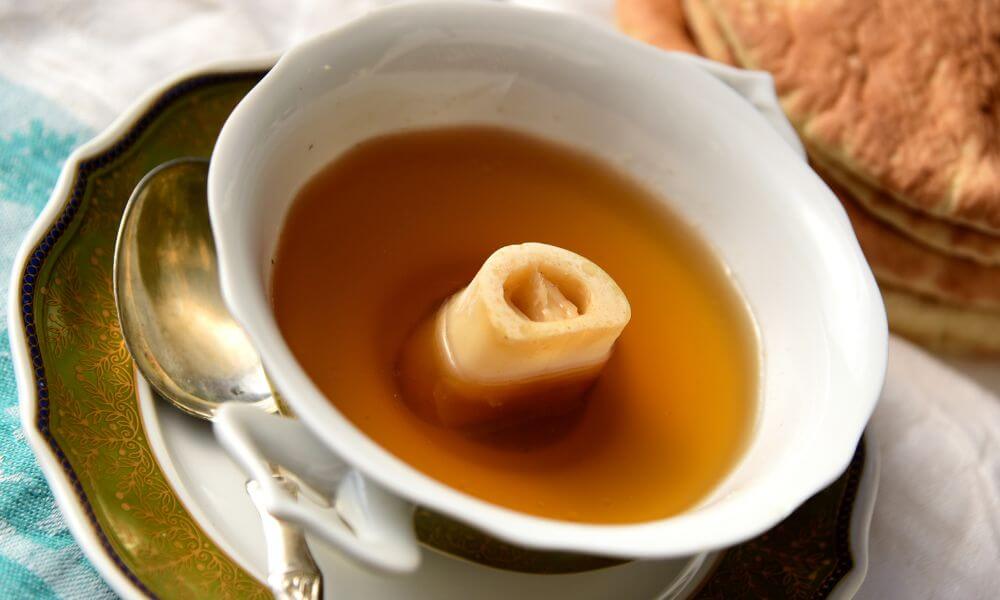
If you’re considering a bone broth cleanse, chances are you’re looking for a way to feel better in your body—maybe to lose some weight, improve digestion, or simply reset your eating habits after a period of unhealthy choices. With so many detox and fast diet trends circulating online, it’s easy to wonder whether drinking bone broth for a few days could really help.
Bone broth itself can be a nourishing food. It contains protein, minerals, and compounds from connective tissues that can fit well into a balanced diet. But turning it into a strict cleanse or short-term fasting plan raises important questions about whether it’s truly helpful—or just another quick-fix diet trend.
In this guide, I’ll walk you through what the bone broth cleanse diet actually involves, the benefits people claim, and the potential side effects you should be aware of. More importantly, we’ll look at how approaches like this compare with building sustainable nutrition habits that support long-term health and weight management.
What is the bone broth cleanse diet
If you’ve been feeling bloated, stuck with your weight, or frustrated with slow progress, you might have come across the bone broth cleanse diet. Many people turn to it hoping for a quick reset—a way to drop a few pounds fast, improve digestion, or feel lighter after periods of overeating or unhealthy habits.
The bone broth cleanse is a short-term diet where most of your daily intake comes from drinking bone broth several times a day. Some versions allow small amounts of whole foods like vegetables or lean protein, while stricter versions—often called a bone broth fast—rely almost entirely on broth for a few days.
In nutrition, the solutions that promise the fastest results are rarely the ones that support long-term health.
The reason this diet attracts attention is simple
bone broth is low in calories but contains some protein and minerals, so people often feel full while eating far less than usual. This can lead to rapid weight loss in the short term, which is why cleanse-style diets are so popular.
However, what many people don’t realize is that the quick results usually come from temporary calorie restriction and water loss, not from any special detox effect. While bone broth itself can be a nourishing addition to your meals, relying on it as the main source of nutrition for several days may leave your body short on important nutrients like fiber, healthy fats, and adequate energy.
If you’re thinking about trying a bone broth cleanse, it’s important to understand what it actually does—and what it doesn’t do—so you can make choices that support your long-term health, not just short-term results.
Can bone broth help with weight loss
If you’re considering using bone broth to support weight loss, it’s understandable. Many people reach a point where they feel stuck—maybe progress has slowed, digestion feels off, or traditional dieting just hasn’t worked the way they hoped. Bone broth is often promoted as a simple solution, but it’s important to understand what it can realistically do for your body.
From a nutrition perspective, bone broth can fit into a healthy eating pattern. It’s warm, easy to digest, and contains some protein and minerals extracted from bones and connective tissue. However, it’s not a magic fat-burning drink. Sustainable weight loss still comes from consistent eating habits, balanced meals, and an overall calorie balance over time.
If you’re curious about how bone broth affects digestion, you can read more about why bone broth may make you poop.
Below is what the evidence and nutrition science suggest about bone broth and weight management.
Can Bone Broth Help With Weight Loss?
Bone broth can support weight loss indirectly, mainly because of its protein content and low calorie density.
Protein is one of the most important nutrients for appetite control. Research has consistently shown that higher protein intake can increase satiety and reduce overall calorie intake, which may help support weight management over time.
A typical cup of bone broth provides:
- 30–50 calories
- 6–10 grams of protein (depending on preparation)
Because it’s relatively light but still satisfying, some people find it helpful as:
- a mid-afternoon snack
- a warm drink before meals
- a lower-calorie replacement for heavier snacks
From a behavioral perspective, this can make it easier to maintain a calorie deficit without feeling overly restricted.
However, it’s important to keep expectations realistic. Bone broth does not detox the body, and it does not directly burn fat. Most of the rapid weight loss reported during broth cleanses is simply the result of drastically reduced calorie intake and temporary water loss.
As a nutritionist, I usually encourage people to think of bone broth as a supportive food, not a weight-loss strategy on its own. When combined with balanced meals, vegetables, fiber-rich foods, and adequate protein, it can be a comforting addition to a healthy routine.
Real progress with weight management doesn’t come from a few strict days of dieting, but from the habits you can repeat consistently.
How much bone broth should you drink daily
If you enjoy bone broth, the good news is that it can easily fit into a balanced diet without needing extreme amounts.
For most people, a practical intake is:
- 1–2 cups per day
This amount can provide some protein and hydration without replacing other important foods in your diet.
Many people choose to drink bone broth:
- before meals, which may help with fullness
- as a snack between meals
- as a base for soups or cooking grains and vegetables
In contrast, strict bone broth diets often recommend 4–6 cups per day while limiting other foods. While this approach may temporarily reduce calorie intake, it can also lead to low fiber intake, inadequate energy, and missing key nutrients if followed for several days.
For long-term health, it’s usually more beneficial to focus on balanced meals that include protein, vegetables, whole grains, and healthy fats, rather than relying heavily on any single food.
If you enjoy bone broth, think of it as one small piece of a broader healthy lifestyle, not a quick fix. Consistent habits—regular meals, adequate protein, physical activity, and good sleep—will always play a much bigger role in sustainable weight management.
The 3-day bone broth fast
Before trying something like a 3-day bone broth fast, it’s worth pausing for a moment and asking yourself what you’re really hoping to achieve. Many people turn to short cleanses because they feel bloated, frustrated with slow weight loss, or simply want a quick reset after a period of overeating. If that sounds familiar, you’re not alone.
But understanding what actually happens in your body during these short-term fasting trends can help you decide whether they truly support your health goals.
The 3-Day Bone Broth Fast
The 3-day bone broth fast is exactly what it sounds like: for about 72 hours, most of your daily intake comes from drinking bone broth several times a day instead of eating regular meals.
You might see recommendations like:
- drinking 4–6 cups of bone broth per day
- avoiding most solid foods
- sometimes allowing small portions of vegetables or lean protein
Many people try this approach hoping it will:
- jump-start weight loss
- reduce bloating
- “reset” their eating habits
- give their digestion a break
And it’s true that you may see the number on the scale drop quickly during a short fast. But this usually happens because you’re suddenly eating far fewer calories, and your body is using up stored carbohydrates (glycogen), which also leads to water loss.
In other words, the quick results often come from temporary changes in calorie intake and fluid balance, not from a special fat-burning or detox effect.
From a nutrition standpoint, bone broth can absolutely be part of a healthy diet. But relying on it as your main source of nutrition for several days means your body is missing important nutrients like fiber, healthy fats, and sufficient energy.
If your goal is long-term weight management, building consistent habits—balanced meals, adequate protein, and regular movement—will almost always serve you better than short-term fasting plans.
Bone broth can be a nourishing addition to a balanced diet, but no single food is powerful enough to replace the benefits of overall healthy eating habits.
Bone broth detox symptoms
If you’ve looked into bone broth cleanses, you may have seen people talk about “detox symptoms.” You might even worry that if you feel tired or uncomfortable during a cleanse, it means toxins are leaving your body.
In reality, what people call detox symptoms are usually just normal reactions to suddenly eating much less food.
Some of the common symptoms people report include:
- headaches
- fatigue or low energy
- dizziness
- irritability
- strong hunger or cravings
- digestive changes
If you experience these, it’s usually because your body is adjusting to a sharp drop in calories and carbohydrates. When this happens, your body begins using stored energy, which can temporarily make you feel sluggish or lightheaded.
Another thing to keep in mind is that bone broth cleanses are typically very low in fiber, which can affect digestion and bowel habits.
It’s also reassuring to remember that your body already has its own highly efficient detox system. Your liver, kidneys, digestive system, and lungs work continuously to remove waste products and maintain balance—no special cleanse required.
If you enjoy bone broth, it can be a comforting and nourishing twist to your meals. But when it comes to improving your health and managing your weight, steady, sustainable nutrition habits will always have a greater impact than short-term detox diets.
Your body already has a powerful detox system — your liver, kidneys, and digestive system work around the clock without the need for restrictive cleanses.
Bone broth side effects and risks
Before you start drinking large amounts of bone broth or trying a bone broth cleanse, it’s important to remember something simple: even healthy foods can have downsides when they’re overused or relied on too heavily.
Bone broth can absolutely be part of a healthy diet. But if you’re thinking about drinking several cups a day or replacing meals with it, it helps to know what your body might experience.
Below are some possible side effects and risks to keep in mind.
Digestive Changes
If you suddenly start drinking a lot of bone broth, your digestion may react in different ways.
Some people notice symptoms like:
- stomach discomfort
- nausea
- bloating
- diarrhea
This doesn’t happen to everyone, but it can occur because bone broth contains gelatin and certain amino acids that may affect digestion. Another reason is that many bone broth cleanses are very low in fiber, which can slow down or disrupt normal bowel movements.
If you try bone broth and your stomach doesn’t feel great, your body may simply be telling you that smaller amounts work better for you.
High Sodium Intake
If you’re drinking several cups of bone broth a day, the sodium can add up quickly, especially with store-bought broths.
Too much sodium may lead to things like:
- water retention
- feeling bloated
- increased blood pressure in some people
If you enjoy bone broth regularly, it’s a good idea to look for low-sodium options or prepare it at home so you can control the salt.
Not Enough Nutrients During Cleanses
One thing many people don’t realize is that bone broth, while nourishing, is not a complete source of nutrition.
If you replace most of your meals with broth for several days, your body may not get enough:
- fiber
- healthy fats
- carbohydrates for energy
- certain vitamins and minerals
When this happens, you might feel symptoms like fatigue, headaches, irritability, or low energy. These are common signs that your body simply isn’t getting enough fuel.
Possible Heavy Metal Exposure
Another concern that sometimes comes up is the possibility of trace heavy metals, such as lead, being released from animal bones during long cooking times.
The amounts detected in studies are usually very small, but it’s still another reason why bone broth is best enjoyed as part of a varied diet rather than consumed in large amounts every day.
Choosing high-quality ingredients and reputable sources can help reduce this risk.
Who Should Be Careful With Bone Broth Diets
For some people, restrictive bone broth cleanses may not be the best idea.
You may want to be extra cautious if you:
- have kidney problems
- are following a low-sodium diet
- have certain digestive conditions
- are pregnant or breastfeeding
If that applies to you, it’s always a good idea to talk with a healthcare professional before trying restrictive diet trends.
If you enjoy bone broth, you absolutely can include it in your routine—as a warm drink, a snack, or a base for soups. But when it comes to improving your health or losing weight, the most reliable approach is still building balanced, sustainable eating habits rather than relying on short-term cleanse diets.
Who should avoid the bone broth cleanse
Before starting a bone broth cleanse, it’s important to ask yourself whether this kind of restrictive diet is actually appropriate for your body and your health needs. While some people can tolerate short-term cleanses, they’re not suitable for everyone.
If you’re considering trying one, here are some situations where it’s better to pause and think carefully—or avoid it altogether.
People With Kidney Problems
If you have kidney disease or reduced kidney function, restrictive diets like bone broth cleanses may not be a good idea.
Bone broth can contain significant amounts of sodium and certain amino acids, which may put extra strain on the kidneys. If you’re managing kidney issues, your diet often needs to be carefully balanced, and sudden changes like fasting or very low-calorie diets can disrupt that balance.
If this applies to you, it’s best to speak with your healthcare provider before trying any type of cleanse.
People on Low-Sodium Diets
If you’ve been advised to limit sodium—perhaps due to high blood pressure or heart disease—drinking multiple cups of bone broth per day may not be ideal.
Even broths that taste mild can contain a surprisingly high amount of sodium, especially store-bought versions. Over the course of a cleanse, this can add up quickly.
People With Digestive Conditions
If you have conditions such as:
- IBS
- acid reflux
- sensitive digestion
a sudden change to a very restrictive diet can sometimes make symptoms worse. Bone broth itself may be soothing for some people, but drinking large amounts while reducing other foods—especially fiber—can sometimes lead to digestive discomfort.
Listening to your body is important here.
Pregnant or Breastfeeding Women
During pregnancy and breastfeeding, your body has higher nutritional needs to support both you and your baby.
Restrictive diets that significantly reduce calories or eliminate many food groups—like bone broth cleanses—may make it harder to meet those needs. In this stage of life, the focus should be on balanced, nutrient-dense meals rather than detox-style diets.
Anyone With a History of Disordered Eating
If you’ve struggled with restrictive eating patterns or dieting cycles, cleanses and fasting diets can sometimes trigger unhealthy habits again.
Short-term diets that promise rapid results often reinforce an all-or-nothing mindset around food, which can make building a healthy long-term relationship with eating more difficult.
A Better Long-Term Approach
If you’re looking for better digestion, more energy, or sustainable weight management, you don’t need to rely on restrictive cleanses.
Simple habits often make the biggest difference over time:
- eating balanced meals with protein, fiber, and healthy fats
- staying physically active
- prioritizing sleep and stress management
- maintaining consistent eating patterns
Bone broth can certainly have a place in a healthy diet—as a warm drink or part of soups and meals—but it works best as one small part of a balanced lifestyle, not as the foundation of a cleanse diet.
Evidence-based nutrition perspective
Before you decide whether a bone broth cleanse is worth trying, it helps to step back and look at what nutrition research actually tells us. Diet trends often spread quickly online, but scientific evidence doesn’t always support the claims behind them.
As a nutritionist, my goal isn’t to dismiss foods like bone broth—it can absolutely be part of a nourishing diet. The key is understanding what the science supports and what it doesn’t, so you can make choices that truly benefit your health.
Bone Broth Can Be a Nutritious Food
Bone broth is made by simmering animal bones and connective tissues for several hours, which releases nutrients such as:
- collagen and gelatin
- amino acids like glycine and proline
- small amounts of minerals, including calcium, magnesium, and phosphorus
Some research suggests these compounds may support joint health, hydration, and overall dietary protein intake, although the exact amounts can vary widely depending on how the broth is prepared.
Including bone broth in soups or meals can therefore be a simple way to add flavor and some protein to your diet, especially if you enjoy warm, comforting foods.
Cleanses and “Detox” Diets Lack Strong Evidence
While bone broth itself can be nutritious, the idea that a bone broth cleanse detoxifies the body or accelerates fat loss is not supported by strong scientific evidence.
Your body already has highly effective detox systems, mainly through the liver, kidneys, lungs, and digestive system, which continuously remove waste products and maintain balance.
Most of the weight loss people experience during short cleanses happens because:
- calorie intake drops significantly
- stored carbohydrates and water are depleted
- normal eating patterns are temporarily disrupted
These changes can produce short-term weight loss, but they don’t necessarily translate into long-term fat loss or improved metabolic health.
Sustainable Habits Matter More Than Short-Term Diets
Research in nutrition and weight management consistently shows that long-term lifestyle habits have a much greater impact on health than short-term diet trends.
Habits that are strongly supported by evidence include:
- eating balanced meals with adequate protein
- consuming fiber-rich foods such as vegetables, fruits, and whole grains
- maintaining regular physical activity
- getting adequate sleep and managing stress
These factors work together to support metabolic health, weight stability, and overall wellbeing.
A Practical Way to Think About Bone Broth
If you enjoy bone broth, there’s no reason to avoid it. It can fit well into a healthy lifestyle when used in ways such as:
- a warm snack between meals
- a base for soups and stews
- a light option when you want something comforting
But instead of relying on it as the foundation of a cleanse, it’s usually more helpful to think of bone broth as one small part of a varied and balanced diet.
When your focus shifts from quick fixes to consistent, sustainable habits, you’re far more likely to see lasting improvements in both health and weight management.
References
- Fardet A., Boirie Y. (2014). Associations between food and beverage groups and major diet-related chronic diseases. Nutrition Reviews.
- Johnston B.C. et al. (2014). Comparison of weight loss among named diet programs in overweight and obese adults. JAMA.
- Pasiakos S.M. et al. (2015). Protein supplementation and weight management. American Journal of Clinical Nutrition.
- Maughan R.J., Shirreffs S.M. (2018). Hydration and human health. Nutrition Reviews.
- Harvard T.H. Chan School of Public Health. Healthy Eating Plate and evidence-based dietary patterns
