

You build muscle almost embarrassingly fast, you’ve never had to think hard about staying lean, and yet none of the standard “body type” advice quite fits you. Pure ectomorph guides tell you to eat everything in sight. Pure mesomorph guides assume you’re already carrying visible mass. You’re somewhere in between — and that in-between spot is exactly what the ecto-mesomorph category was invented to describe.
I want to be upfront about something before we go further, because it changes how you should use everything below: body typing isn’t hard science. Precision Nutrition, one of the most cited nutrition-coaching organizations in the industry, dropped body typing from its 2026 coaching curriculum entirely, saying it “creates more questions than answers” for most people. Two people who’d both get called ecto-mesomorphs can still carry very different amounts of muscle and fat. So think of what follows as a useful starting description of your build, not a rigid category that locks in your diet and training forever.
What an ecto-mesomorph build actually looks like
The ecto-mesomorph is a hybrid: the leanness and naturally quick metabolism of an ectomorph, layered with the muscle-building ease of a mesomorph. In practice that usually means a narrow waist and shoulders that broaden out, a frame that adds visible muscle from training faster than average, and a build that stays relatively lean even without obsessive dieting.
If a few of these sound like you, you’re probably in this category:
- You gain visible muscle within weeks of starting a new lifting program, faster than training partners doing the identical routine.
- You stay lean through most of the year without tightly tracking food.
- You’re tall to average height with longer limbs, giving you a naturally athletic-looking frame.
- You recover from both strength sessions and cardio quicker than most people you train with.
- You can hold your own in endurance activities and heavy lifting without specializing heavily in either.
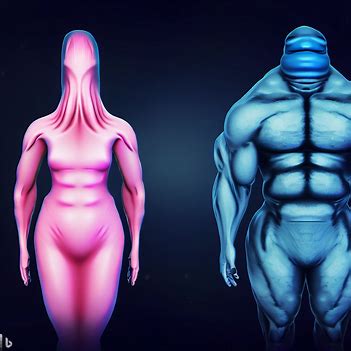
Ecto-mesomorph vs. pure ectomorph vs. pure mesomorph
The table below is the classic comparison, and it’s worth seeing side by side — just remember it’s describing tendencies, not guarantees.
| Trait | Ectomorph | Mesomorph |
| Body Shape | Long and lean, with difficulty building muscle | Athletic, solid, and strong with a well-defined musculature |
| Metabolism | Fast metabolism, burns calories quickly | Efficient metabolism, burns and stores calories evenly |
| Weight Gain/Loss | Difficulty gaining weight and muscle, loses weight easily | Gains muscle easily, but can also gain fat more easily than ectomorphs |
| Best Exercises | Cardiovascular exercises and light weight training with more repetitions | Variety of weight training exercises, with moderate to heavy weights |
| Nutritional Needs | High-calorie diet with a focus on protein and complex carbohydrates | Balanced diet with a focus on protein, complex carbohydrates, and healthy fats |
| Typical Challenges | Difficulty gaining muscle mass and body weight | Tendency to gain fat more easily than ectomorphs, need for regular exercise to maintain muscle tone |
| Ideal Training | Resistance training combined with aerobic activities | Regular strength training, combined with some cardio activities |
If you want the full picture on either end of that spectrum, the ectomorph diet guide and a closer look at what each body type really means are both worth a read.
How to eat for an ecto-mesomorph build
Because you build muscle relatively easily but can also still add fat if you consistently overeat, the useful move isn’t a special “ecto-meso diet” — it’s getting your calorie target right, then building the plate around it. Here’s what that looks like in practice.
Start with your actual numbers, not a body-type guess
Skip the generic “eat more because you’re an ectomorph-type” advice and run your real numbers through the TDEE calculator first. From there, a surplus of 200–300 calories a day supports muscle gain without much added fat; a deficit of 300–500 calories a day is a reasonable starting point if leaning out is the goal. Adjust every two weeks based on what the scale and mirror are actually telling you, not on what your “type” is supposed to do.
Protein: aim higher than you think
Roughly 1.6–2.2 grams of protein per kilogram of bodyweight daily supports the muscle growth this build is naturally good at — lean meats, fish, eggs, tofu, and legumes all count. A 2018 review in the Journal of the International Society of Sports Nutrition puts the useful per-meal range at roughly 0.4 g/kg across at least four meals to comfortably hit that daily total — though the same review is honest that concentrating protein into fewer, larger meals doesn’t appear to meaningfully hurt muscle retention either. Total daily intake matters far more than the exact schedule.
Carbs are your training fuel, not the enemy
Because your metabolism runs on the faster side, carbs from whole grains, fruit, and starchy vegetables tend to fuel training well without piling on fat the way they might for a more endomorph-leaning build. If you want to fine-tune this around training days specifically, carb cycling is worth learning, and this breakdown of macros around cardio training is useful if running or cycling is part of your routine.
This is the exact gap my own 4-Week Fitness Tracker is built for — a simple daily log for training sessions, meals, and recovery, so you can see in real numbers whether your surplus or deficit is actually doing what you think it’s doing, instead of guessing from the mirror.
Healthy fats and consistent meal timing
Avocado, olive oil, nuts, and seeds support hormone production, which matters for muscle growth regardless of body type. Skipping meals tends to backfire here too — it doesn’t suit the faster metabolism this build usually runs on, and it makes it harder to hit the protein target above.
How to train for an ecto-mesomorph build
The honest answer is that you can handle more variety than most people, which is both an advantage and a trap — it’s easy to bounce between programs and never build real progressive overload. Here’s a structure that tends to work well for this build specifically.
- Strength training, 3–4 days a week: compound lifts first — squats, deadlifts, bench press, rows — since you’ll add strength to these quickly and they carry over to everything else.
- Cardiovascular work, 2–3 sessions a week: a mix of steady-state and intervals; your naturally efficient recovery means you can handle both without it eating into strength gains.
- One dedicated mobility or recovery day: easy to skip when you’re recovering fast, but it protects the joints that are absorbing all that added muscle and training volume.
- Progressive overload tracked weekly: add small amounts of weight or reps consistently rather than chasing variety for its own sake.
If you’re building a routine from scratch, this free workout plan builder is a fast way to structure it, and this guide walks through the planning process in more depth.
💪 Track What Your Build Is Actually Doing
My 4-Week Fitness Tracker gives you a simple daily page for workouts, meals, and recovery — built for exactly the kind of consistent tracking that turns a naturally responsive build into real, visible progress.
Get the Tracker — $5 →A sample training week that fits this build
To make the structure above concrete, here’s roughly how I’d lay out seven days if I were coaching someone with this build through their first real program.
Monday — Lower body strength: squats, Romanian deadlifts, walking lunges, calf raises. Heavy on the compound lifts since this is where an ecto-mesomorph build typically responds fastest.
Tuesday — Steady-state cardio, 30–40 minutes: brisk walk, cycling, or swimming at a conversational pace. This is recovery-adjacent, not a hard session.
Wednesday — Upper body strength: bench press, rows, overhead press, pull-ups or lat pulldowns. Same principle: compound movements first, isolation work after.
Thursday — Mobility and recovery: foam rolling, stretching, a short walk. Easy to skip, and exactly the day that prevents the overuse injuries this build is prone to once training volume adds up.
Friday — Full-body strength with intervals: deadlifts or trap bar carries, push-ups, a short 10–15 minute interval finisher. This is the session that tends to separate steady progress from a plateau.
Saturday — Whatever you actually enjoy: hiking, a sport, a longer bike ride. Consistency matters more than the exact modality, and enjoying Saturday’s session is what keeps the other five days sustainable.
Sunday — Full rest. No exceptions, even when you feel like you could train. Recovery is where the muscle you built Monday through Friday actually gets used.
If you are on the lean end and trying to gain
Plenty of people with this build arrive from the other direction: not managing weight, but struggling to add it. The surplus you need is smaller than most advice suggests. Cleveland Clinic’s general guidance for healthy weight gain is about 500 extra calories a day, which works out at roughly a pound a week. If the goal is muscle rather than weight on the scale, a lean bulk sits closer to 300–500 calories a day when you are newer to training, tapering to 100–250 once you have years of consistent lifting behind you. Past that point the extra calories mostly become fat, which is the opposite of what anyone with this build is after.
A day at a 400-calorie surplus on a 2,600-calorie maintenance (about 3,000 total) is less dramatic than it sounds: oatmeal with banana and peanut butter plus two eggs at breakfast, a chicken and rice bowl with vegetables and olive oil at lunch, a protein shake blended with oats and almond butter mid-afternoon, and salmon with sweet potato and a side salad at dinner. No mass-gainer powder and no force-feeding, just consistently larger portions of ordinary food on most days rather than perfect ones every day.
What quietly stalls weight gain
- Eating “more” without measuring it. Most people who feel like they are eating everything are 200–400 calories short of a real surplus. Two weeks with a tracking app usually finds the gap.
- Filling up on volume instead of density. A large salad before dinner crowds out the calories you sat down for.
- Skipping breakfast because the appetite is not there. A faster metabolism often means low morning hunger, which compounds the problem. A smoothie goes down when solid food will not.
- Heavy cardio volume during a gaining phase. Running and swimming build real fitness, but they work directly against a surplus. Keep them moderate while you are focused on gaining.
One caution on treating a body type as a plan: in a twelve-week arm-training study, gains among people following an identical programme ranged from almost nothing to 59%. Track your own lifts and your own scale rather than assuming the category decides the outcome.
Why this build can hide problems for longer
One thing that doesn’t get said enough: an ecto-mesomorph build can mask poor habits for years. Because muscle comes easily and fat doesn’t accumulate as visibly, it’s possible to eat inconsistently, sleep badly, and skip real recovery while still looking fine in the mirror — right up until your late 20s or 30s, when metabolism naturally slows and old habits stop being invisible. If you’ve noticed your usual approach isn’t working the way it used to, that’s not your body type failing you; it’s a sign to actually build the tracking habit now rather than waiting for it to become a bigger problem.
Common mistakes people with this build make
Because progress comes relatively easily at first, it’s tempting to coast. The most common mistake I see is treating early results as permanent — muscle gained quickly can also plateau quickly once your body adapts, and skipping progressive overload is the usual culprit. The second is over-relying on “I can eat whatever” logic long after it stops being true; metabolism and training response both shift with age, and a diet that worked at 22 doesn’t always hold at 35. The third is skipping recovery because you feel fine — feeling fine and actually recovering aren’t the same thing, and joint issues from accumulated training volume tend to show up later rather than immediately.
Not sure this is actually your build?
Body typing is a rough sketch, not a diagnosis, and plenty of people are closer to an endomorph-leaning build or fall into the meso-endomorph mix instead. If you want a faster way to figure out where you actually land, this quick body type quiz is a good starting point before you commit to a specific eating or training approach.
Frequently asked questions
Is ecto-mesomorph a real, scientifically recognized category?
It’s a real description within somatotype theory, which does have some scientific grounding — genetics account for a meaningful share of build tendencies like this. But it’s not a precise or universally agreed-on medical classification, and two people labeled the same way can still look and respond to training quite differently. Use it as a rough starting point, not a rulebook.
Can an ecto-mesomorph become overweight?
Yes. A faster metabolism and easier muscle gain don’t make you immune to a sustained calorie surplus — they just mean it usually takes longer and more consistent overeating to show up on the body compared to other builds.
How fast can an ecto-mesomorph build muscle?
Faster than average, especially in the first 6–12 months of consistent training (often called “newbie gains”), but the exact rate still comes down to training program, sleep, recovery, and diet — the body type gives you a favorable starting point, not a shortcut around the work.
Do I need a completely different diet than other body types?
No. The fundamentals — enough protein, a calorie target that matches your goal, consistent training — apply to everyone. What changes is how forgiving your body tends to be when you’re not perfectly precise about it.
Whatever you land on, the concept of attractiveness is subjective, and both leaner and more heavily built physiques have their own strengths. The goal is feeling strong and capable in your own body, not chasing a label. As always, if you’re managing a health condition or starting a significantly new training or eating pattern, check in with your doctor first.
