

If you’ve hit your forties and feel like your body has its own plans, you’re not alone. The same meals, the same workouts—and somehow the numbers creep up anyway. What’s really happening is biology, not failure. As estrogen drops, your metabolism idles a little, muscles thin out, and fat starts gathering around the waist instead of the hips.
Doctors have tracked this pattern for decades. In a long-term study from the Women’s Healthy Lifestyle Project, women who added daily walks and trimmed a few hundred calories held their weight steady for five years. Those who didn’t? They gained about two kilos on average. The takeaway: gentle consistency beats extremes.
Menopause isn’t a switch that turns health off—it’s a stage that asks for new tactics. With balanced food, some strength work, and realistic kindness toward yourself, it’s entirely possible to stay light on your feet and confident in your skin.
Check our latest posts:
- How to Stop Period Cravings: Science-Backed Ways to Control PMS Hunger
- Female 7-Day Smoothie Weight Loss Diet Plan For Women: Free Smoothies Real Benefits
- Keto Cycle Diet Plan: How It Compares to Carb Cycling and Who Should Use It
- 10 Oatmeal Smoothie Weight Loss Recipes (Drinkable, Filling Blends for Busy Mornings)
- 5 Day Sugar Cleanse: A Simple Reset to Cut Cravings and Feel More Energized
Contents
- 1 Take Control of Your Menopause Journey
- 2 The Science Behind Midlife Weight Gain
- 3 Key Nutrients That Support Hormone Balance and Fat Loss
- 4 Melt Stubborn Belly Fat After 40 — Naturally
- 5 Foods That Quietly Work Against You
- 6 Ready to Turn Advice into Action?
- 7 Mind, Mood, and Eating Patterns
- 8 Building a Plate That Actually Works for You
- 9 7-Day Menopausal Diet Plan for Weight Loss
- 9.1 Day 1:
- 9.2 Day 2:
- 9.3 Day 3:
- 9.4 Day 4:
- 9.5 Day 5:
- 9.6 Day 6:
- 9.7 Day 7:
- 9.8 Lifestyle Tips to Boost Results Beyond Diet Alone
- 9.9 1. Prioritize Sleep
- 9.10 2. Engage in Regular Physical Activity
- 9.11 3. Manage Stress
- 9.12 4. Stay Hydrated
- 9.13 5. Eat Mindfully
- 9.14 6. Limit Alcohol Consumption
- 9.15 7. Track Your Progress
- 9.16 8. Seek Support
- 9.17 9. Avoid Smoking
- 9.18 10. Incorporate Healthy Habits Gradually
- 10 Frequently Asked Questions
- 10.1 Can intermittent fasting help with weight loss during menopause?
- 10.2 Is dairy good or bad in a menopausal diet for weight loss?
- 10.3 How much protein should I eat daily during menopause to lose weight?
- 10.4 Are supplements necessary on a menopausal diet for weight loss?
- 10.5 Does alcohol affect weight loss during menopause?
- 10.6 How long does it take to see results on a menopausal diet for weight loss?
- 11 Conclusion
- 12 References
Why Menopause Changes How Your Body Handles Weight
At midlife, many women start noticing that their bodies behave differently — the same meals, the same exercise routine, yet the results just aren’t the same. This isn’t a lack of effort. It’s biology quietly shifting gears.
During the menopause transition, estrogen levels fall sharply, and that drop changes how the body stores and burns fat. Estrogen normally helps maintain lean muscle and encourages fat storage in the hips and thighs. When it declines, fat distribution shifts toward the abdomen, and muscle mass starts to decrease. That’s why metabolism slows — by roughly 1% each year after 40, according to long-term observations published by Mastorakos and colleagues (2010) in Maturitas.
Researchers Gal Dubnov, Amnon Brzezinski, and Elliot Berry (2003) also found that lower estrogen levels, paired with less physical activity, play a major role in postmenopausal weight gain and its health risks. They emphasized that regular movement—especially aerobic and resistance exercise—can reverse many of these effects, improving cardiovascular health and even longevity.
In another large clinical trial led by Dr. Laurey Simkin-Silverman (2003), women who followed a five-year lifestyle program that combined a moderate diet and consistent physical activity prevented the typical 2–3 kg weight gain seen in women who didn’t change their habits. The difference came not from strict dieting but from small, steady adjustments that fit real life.
And hormones aren’t working alone. As Dr. Nanette Santoro (2020) explains, menopause triggers a broader hormonal reshuffle — changes in progesterone, testosterone, and cortisol can affect sleep, appetite, and mood, all of which influence how the body handles food and energy.
So if the old methods stop working, it isn’t failure — it’s physiology. Understanding these changes helps you adapt your routine, build strength, and work with your body instead of against it.
Take Control of Your Menopause Journey
Struggling with weight gain, fatigue, or hormonal shifts? The 28-Day Menopause Reset Journal is your printable guide to feeling better fast—with daily wellness prompts, meal & mood tracking, and easy actions made for midlife women.
Start Your 28-Day Reset →The Science Behind Midlife Weight Gain
Hormones Set the Stage
You know that feeling when your body just doesn’t react the way it used to? You eat about the same, move about the same, but somehow, things still shift. That’s not in your head — that’s hormones doing their thing.
Once estrogen starts to drop, your body changes how it uses energy. Metabolism slows, muscle takes a quiet step back, and fat starts hanging out around the waistline.
Researchers like Mastorakos and his team (2010) found that these hormonal dips can even make the body less sensitive to insulin, which explains why blood sugar or blood pressure sometimes edge up during this stage. It’s biology, not bad habits.
Lifestyle Still Matters
The hopeful part? You still have a lot of control. In a long-running study, Dr. Laurey Simkin-Silverman (2003) followed more than five hundred women through menopause. Some women changed small things — trimmed portions, walked more often — while others kept their old habits. After five years, the first group stayed at roughly the same weight, while the rest gained a couple of kilos.
So no, you don’t need to overhaul your life overnight. Tiny, steady tweaks are what keep the numbers steady.
The Power of Movement
Exercise might feel harder now, but it works harder for you. Gal Dubnov and Elliot Berry (2003) showed that even light to moderate activity can help your body use insulin better and cut down that creeping belly fat. Think half an hour of brisk walking, dancing, or cycling — it all counts.
You’re not chasing perfection here. You’re just giving your body a daily reason to stay balanced.
The Emotional Side
And then there’s the stuff that doesn’t show up in lab results — the feelings. Some women find themselves more anxious about food or frustrated with their reflection. That’s completely normal.
A 2025 study by Mangweth-Matzek and her team found that women who went through surgical menopause, especially those who had their ovaries removed, were more likely to struggle with body image and emotional eating. Hormones shift fast, mood follows, and it can mess with appetite.
The trick isn’t to judge yourself for it — it’s to notice it, breathe, and build gentler routines that make you feel good again.
Bringing It All Together
Menopause doesn’t rewrite your future; it just changes the script a little. Your hormones may set the scene, but your daily choices still decide the ending. A bit more movement, a bit more patience, and the understanding that your body’s adapting — not rebelling — go a long way.
Key Nutrients That Support Hormone Balance and Fat Loss
Let’s be honest — food starts to matter in a different way now. You don’t need complicated rules or a list taped to the fridge. You just need meals that help your body feel steady and strong again. The goal isn’t perfection; it’s balance.
1. Begin the Day with Something Real
Breakfast sets the tone. If you grab only coffee, you’ll crash by mid-morning. Try a bowl of oats with nuts, or eggs with a slice of whole-grain toast. Add berries if you can. The mix of protein, fiber, and slow carbs keeps your energy level and your mood in the safe zone.
2. Fill Half Your Plate with Plants
Vegetables and fruit do a quiet kind of magic — fiber for digestion, antioxidants for skin and heart, magnesium to ease stress. The color on your plate tells you you’re getting variety. Don’t overthink it. A big salad, roasted veggies, a piece of fruit after lunch — that’s already progress.
3. Keep the Good Fats
Menopause isn’t the time to fear fat. Your hormones actually need it. A drizzle of olive oil, a few slices of avocado, or a handful of walnuts helps balance hormones and calm inflammation. Omega-3 fats, especially from fish like salmon, have been linked to better heart health after estrogen dips.
4. Make Protein the Star, Not the Side
Protein is the thing that helps you hold on to muscle. Less muscle means slower metabolism — that’s why it’s key now. You don’t need huge portions; just include some at every meal. Think yogurt, lentils, chicken, or fish. Small amounts often beat one big serving at night.
5. Don’t Forget the Basics: Water and Timing
Some women notice they’re thirstier or bloated more often — that’s normal. Keep a bottle nearby and sip through the day. And try not to skip meals. When you go too long without food, blood sugar dips, and cravings hit harder later. Three balanced meals or smaller steady ones tend to work best.
6. Leave Room for the Fun Stuff
You don’t have to say goodbye to dessert. If you’re eating well most of the time, a little flexibility keeps you sane. It’s the 80/20 idea: nourish yourself often, enjoy life sometimes. That balance works better than any strict diet ever could.
Melt Stubborn Belly Fat After 40 — Naturally
As hormones shift during perimenopause and menopause, your metabolism naturally slows down, making fat loss feel impossible, even when you’re eating right.
Morning Fat Melter is a breakthrough program designed specifically for women over 40, helping you:
✅ Burn stubborn fat efficiently
✅ Boost metabolism naturally
✅ Balance energy and hormones
✅ Feel strong and confident again
🧡 Loved by thousands of women in their 40s, 50s, and beyond — it’s more than a supplement, it’s a complete transformation.
👉 Click here to start melting fat the smart, age-friendly way »
“This post contains affiliate links, which means we may earn a small commission if you purchase them, at no extra cost to you. Read our full affiliate disclosure here.“
Foods That Quietly Work Against You
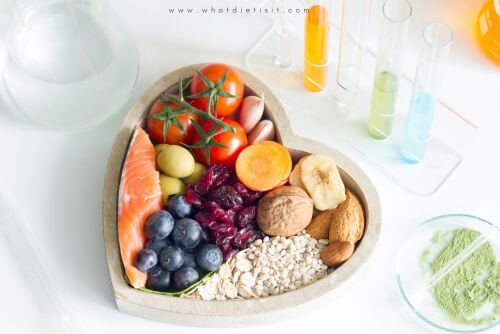
There’s no need to label foods as “good” or “bad,” but some do make this stage of life harder than it needs to be. A few everyday choices can quietly mess with your hormones, energy, and mood — often without you realizing it.
Let’s go through them one by one, no guilt involved, just awareness.
1. Refined Carbs and Sugary Snacks
White bread, pastries, sweet cereals — they taste comforting but crash your blood sugar fast. That rollercoaster leads to cravings, fatigue, and extra fat storage around the middle.
When estrogen drops, your body becomes a bit less forgiving with sugar. Try swapping the white stuff for slower options: oats, quinoa, or brown rice. And if you love sweets, pair them with protein or nuts to soften the spike.
2. Processed and Fatty Meats
Bacon, sausages, and deli meats are quick fixes but often loaded with salt and saturated fat. Too much can raise inflammation and blood pressure — two things already nudged upward by menopause-related hormonal shifts.
Save them for the occasional brunch. For everyday meals, lean toward grilled chicken, turkey, or beans. They’ll fill you up without that heavy feeling after.
3. Fried and Ultra-Processed Foods
Crispy fries, fried chicken, packaged snacks — we all crave them sometimes. The problem is trans fats and additives that throw your metabolism off balance and increase belly fat over time.
If you like that crunch, try oven-roasted potatoes or air-fried veggies. You still get the comfort without the hit to your heart or hormones.
4. Too Much Salt
Hormonal shifts can make your body hold onto water, and extra sodium only adds to the puffiness or bloating. Watch canned soups, sauces, and “healthy” frozen meals — they often hide a lot of salt.
Cooking more at home gives you power over flavor and balance. Herbs, garlic, and lemon can replace salt without making food taste bland.
5. Full-Fat Dairy and Heavy Creams
Dairy isn’t the enemy, but full-fat versions can push up saturated fat intake and cholesterol. Lighter options — like Greek yogurt or semi-skimmed milk — give you the calcium and protein you need without overdoing the fat.
If dairy doesn’t sit well with you, look for fortified plant milks with added calcium and vitamin D.
6. Artificial Sweeteners and “Diet” Products
They sound helpful but often backfire. Research shows artificial sweeteners can mess with gut bacteria and actually increase sugar cravings later. If you like sweetness, try a drizzle of honey, dates, or fruit instead — they come with nutrients, not just sweetness.
7. Caffeine Overload
That extra cup of coffee might help in the morning, but too much caffeine can raise cortisol (your stress hormone) and mess with sleep. A little is fine — about one or two cups a day — but if night sweats or anxiety are kicking in, switch your afternoon coffee for herbal tea or water with lemon.
A Balanced Reminder
You don’t have to give these up forever. The trick is awareness. The more you understand what drains your energy, the easier it gets to choose what fuels it instead. Menopause isn’t about restriction — it’s about finding what helps your body feel calm, light, and steady again. you align your nutrition and lifestyle with your body’s changing needs, menopause doesn’t have to mean weight gain or low energy. Fuel yourself right — your body will thank you.
Ready to Turn Advice into Action?
Reading about what to eat during menopause is one thing, but staying consistent, tracking your progress, and truly resetting your habits—that’s where the real transformation begins.
✨ That’s why I created the 28-Day Menopause Reset Journal—a printable, easy-to-use tool designed specifically for midlife women.
Whether you’re struggling with:
- Stubborn weight gain,
- Fatigue and low energy, or
- Hormonal imbalances that throw off your mood or motivation…
This journal walks you through exactly what to track and reset in just a few minutes a day.
✅ Meal & mood tracking
✅ Daily wellness prompts
✅ Designed for real-life busy schedules
🔗 Start your 28-day reset here — because your health deserves more than guesswork.
Movement That Matters: Exercise for Energy and Weight Control
When Exercise Starts to Feel Different
Let’s be real — workouts in your forties and fifties don’t hit the same. You recover slower, energy dips faster, and sometimes you wonder if it’s even worth it. It is. Your body isn’t quitting; it’s adjusting. You just need to move smarter, not harder.
Start Small, But Start
Forget perfection. You don’t need fancy gear or a gym plan. A 30-minute brisk walk most days does wonders for metabolism and mood. If that sounds like a lot, split it up — 15 minutes after breakfast and 15 after dinner. Easy, doable, and it counts.
Small wins add up. A few weeks in, you’ll notice you’re sleeping better and carrying yourself differently — lighter, more awake.
Why Strength Training Becomes Non-Negotiable
Here’s the truth: after 40, muscle quietly slips away every year. That’s the slow drain behind a slower metabolism.
You don’t have to lift heavy to fight back. Grab a pair of light dumbbells or just use your own body weight — squats, wall push-ups, lunges. Two sessions a week is enough to rebuild strength and keep your body burning energy even at rest.
Think of it as your personal insurance against weakness and fatigue.
Move for Joy, Not Punishment
Not every workout has to feel like “exercise.” Dancing, swimming, yoga — if it lifts your mood, it counts. In fact, studies by Dubnov and Berry show that consistent, enjoyable activity does more for heart health and weight stability than extreme routines that never last.
So choose movement that makes you want to come back tomorrow. That’s the real secret.
Don’t Skip the Rest
Recovery isn’t being lazy; it’s part of the plan. Muscles rebuild and hormones reset when you rest, not while you’re pushing. Listen to your energy levels. Some days your body will ask for a break — give it one. Balance beats burnout.
Coach’s Note
If there’s one takeaway, it’s this: move in ways you enjoy. A body that feels good keeps showing up. Meet yourself where you are, stay consistent, and your energy — and confidence — will follow.
1 Week Beginner Galveston Diet Meal Plan: For Menopause Slow Metabolism
Mind, Mood, and Eating Patterns
When Food Becomes Emotional
Let’s talk about the part that doesn’t get enough attention — how menopause changes your relationship with food.
Hormones affect mood, stress, and even comfort cravings. When estrogen and progesterone dip, serotonin and dopamine drop too, and suddenly that cookie feels like a hug. You’re not weak — your brain is just asking for calm in the only language it knows.
The trick isn’t to ban treats. It’s to pause, notice the feeling, and ask, “What am I really needing right now?” Sometimes it’s food. Other times, it’s rest, a walk, or just a moment to breathe.
The Stress–Cortisol Loop
Here’s something I see a lot: when stress builds, cortisol rises, and that pushes your body to store more fat around the belly. Add poor sleep on top, and the cycle gets louder — more cravings, less control, more guilt.
Breaking that loop starts with small resets. Try a ten-minute walk after lunch, slow breathing before bed, or a simple stretch when your thoughts race. These tiny moves signal safety to your body. Over time, they lower cortisol and make weight management feel less like a fight.
How Mood Shapes Your Appetite
Low mood can steal your appetite; anxiety can send it through the roof. Both happen in menopause. If you find yourself grazing without hunger or skipping meals out of stress, you’re not alone.
Keeping meals regular helps more than you’d think. Stable blood sugar keeps your mind steadier, which makes emotional waves easier to ride.
A lot of women find that pairing routine meals with short bursts of activity — even just walking the dog — clears the mental fog and brings back a sense of control.
When Hormones Hit Harder
If you’ve gone through surgical menopause, changes can feel abrupt — one day steady, the next all over the place.
A recent study by Mangweth-Matzek and her team found that women who had their ovaries removed were more likely to struggle with body image and emotional eating than those who entered menopause naturally.
If that sounds familiar, please don’t go it alone. A chat with a dietitian or therapist who understands menopause can make an enormous difference. It’s not vanity — it’s care.
Practical Ways to Rebalance
- Keep a loose meal rhythm — breakfast, lunch, dinner — even when you’re not hungry.
- Add a protein source to every meal; it stabilizes blood sugar and mood.
- Move daily, not for calories but for calm.
- Protect sleep like it’s medicine.
- And give yourself grace — change takes time.
Coach’s Note
Your mind and body are learning a new rhythm. Some days you’ll eat perfectly; others, you’ll reach for comfort. That’s okay. Awareness beats perfection every time.
You’re not meant to control menopause — you’re meant to understand it and work with it.
Building a Plate That Actually Works for You
Eating well in midlife isn’t about eating less — it’s about eating smarter. Your hormones are shifting, your metabolism’s slowing a bit, and your body needs a steadier kind of fuel.
Let’s build a plate that gives you energy, keeps hunger quiet, and actually fits real life — not a meal plan written by a robot.
Morning Plates That Keep You Full Till Lunch
If breakfast used to be optional, it’s time to rethink that. Skipping it now just makes cravings louder later in the day.
Start with something that mixes protein + fiber + healthy fat — that trio steadies blood sugar and prevents the mid-morning crash.
You could try:
- Greek yogurt with berries, flaxseed, and a handful of almonds.
- Scrambled eggs with spinach and avocado on whole-grain toast.
- Oatmeal cooked in milk, topped with chia seeds and a drizzle of nut butter.
You’ll stay full longer, and your focus will actually last through your first few hours of work — no sugar chase, no slump.
Lunch Without the Slump
Lunch is where a lot of women hit the wall — too light and you crash, too heavy and you want a nap.
Aim for balance: half your plate veggies, a palm-sized portion of protein, and some slow carbs like quinoa, beans, or sweet potato.
Add olive oil or avocado for healthy fats that keep hormones humming.
And if afternoons are your weak spot for snacking? A mix of fiber and protein (like hummus with carrots or apple slices with almond butter) helps you skip the vending machine.
Evening Meals That Satisfy Without the Sugar Crash
Dinner doesn’t need to be restrictive — it just needs to calm, not spike, your system.
Try lighter carbs paired with protein: grilled fish and roasted veggies, lentil soup with a slice of sourdough, or chicken stir-fry with brown rice.
If you tend to crave sweets after dinner, end with a herbal tea and a piece of dark chocolate. The ritual tells your brain, “Meal’s over, craving handled.”
Hydration and Meal Timing
Hydration sounds basic, but dehydration often hides as hunger or fatigue. Keep a glass or bottle nearby all day — it genuinely helps metabolism, digestion, and mood.
And about meal timing: you don’t have to eat on the dot, but try not to let more than five hours pass between meals. When you go too long, cortisol creeps up and your body stores more fat, especially around the belly.
Are You Drinking Enough Water?
Staying hydrated is one of the simplest ways to boost your energy, improve your skin, and support healthy weight loss.
But how much water does your body really need?
Take 30 seconds to find your ideal daily water intake using our free hydration calculator!
Calculate Your Perfect Water Intake NowCoach’s Note
You don’t have to chase perfection.
Most women see progress simply by structuring meals like this — protein at every meal, color on every plate, and carbs that come from real food instead of wrappers.
Your body’s already doing the hard part: adapting. You just need to give it the fuel that helps it do that job better.
7-Day Menopausal Diet Plan for Weight Loss
Day 1:
- Breakfast: Scrambled eggs with spinach, avocado, and a sprinkle of chia seeds. Pair with a small piece of whole-grain toast.
- Lunch: Grilled chicken salad with mixed greens, cucumbers, tomatoes, olive oil, and lemon dressing.
- Snack: A handful of almonds and a small apple.
- Dinner: Baked salmon with roasted Brussels sprouts and quinoa.
Day 2:
- Breakfast: Greek yogurt topped with berries, flaxseeds, and a drizzle of honey.
- Lunch: Turkey and avocado lettuce wraps with a side of baby carrots and hummus.
- Snack: Celery sticks with almond butter.
- Dinner: Stir-fried tofu with broccoli, bell peppers, and zucchini in a light olive oil and garlic sauce, served with brown rice.
Day 3:
- Breakfast: Oatmeal made with almond milk, topped with chia seeds, sliced banana, and a sprinkle of cinnamon.
- Lunch: Quinoa bowl with grilled chicken, mixed greens, cucumbers, and a lemon-tahini dressing.
- Snack: A small handful of walnuts and a few slices of cucumber.
- Dinner: Grilled shrimp with sautéed kale and sweet potato.
Day 4:
- Breakfast: A smoothie with spinach, protein powder, flaxseeds, almond milk, and berries.
- Lunch: Salad with mixed greens, tuna (in olive oil), avocado, cherry tomatoes, and olive oil dressing.
- Snack: Carrot sticks with hummus.
- Dinner: Baked chicken breast with roasted cauliflower and a side of quinoa.
Day 5:
- Breakfast: Scrambled eggs with sautéed mushrooms, onions, and a side of half an avocado.
- Lunch: Lentil and vegetable soup with a side of mixed greens salad.
- Snack: Greek yogurt with a small handful of mixed nuts and a few fresh berries.
- Dinner: Grilled turkey burger with a side of roasted asparagus and a small serving of brown rice.
Day 6:
- Breakfast: Chia pudding made with almond milk and topped with sliced strawberries and pumpkin seeds.
- Lunch: Grilled salmon salad with mixed greens, olives, and a balsamic vinaigrette dressing.
- Snack: A handful of mixed nuts and a piece of dark chocolate (85% cocoa or higher).
- Dinner: Roasted chicken with sautéed spinach and sweet potato wedges.
Day 7:
- Breakfast: Whole-grain toast topped with avocado, a poached egg, and a sprinkle of pumpkin seeds.
- Lunch: Grilled chicken and quinoa bowl with roasted vegetables (broccoli, carrots, and zucchini).
- Snack: A small handful of sunflower seeds and a cup of green tea.
- Dinner: Baked cod with sautéed Brussels sprouts and mashed cauliflower.


Lifestyle Tips to Boost Results Beyond Diet Alone
In addition to a healthy menopausal diet for weight loss, incorporating lifestyle changes can significantly enhance weight loss results and overall well-being. These habits support hormonal balance, reduce stress, and boost metabolism, making it easier to shed excess weight and maintain a healthy lifestyle. Here are some effective lifestyle tips to complement your diet:
1. Prioritize Sleep
Quality sleep is crucial for regulating hormones, stabilizing mood, and managing weight. During menopause, fluctuating hormone levels can interfere with sleep patterns, leading to fatigue and increased cravings for high-calorie foods. Aim for 7-9 hours of restful sleep per night to promote better hormone balance, reduce stress, and curb hunger hormones like ghrelin. Establish a bedtime routine, minimize screen time before bed, and keep your bedroom cool and dark to improve sleep quality.
2. Engage in Regular Physical Activity
Exercise is one of the most effective ways to support weight loss, improve mood, and regulate hormones. A combination of cardio (such as walking, swimming, or cycling) and strength training (such as weightlifting or bodyweight exercises) is ideal. Aim for at least 150 minutes of moderate-intensity aerobic activity per week, plus strength training exercises twice a week. Building muscle helps boost metabolism, and regular exercise can reduce symptoms like hot flashes and improve bone health.
3. Manage Stress
Stress can significantly impact hormone levels, particularly cortisol, which can contribute to abdominal weight gain and disrupt the body’s fat-burning mechanisms. To reduce stress, try incorporating mindfulness techniques such as deep breathing, yoga, or meditation into your daily routine. Even just 10-15 minutes per day of focused relaxation can help lower cortisol levels and improve your ability to lose weight and maintain hormonal balance.
4. Stay Hydrated
Proper hydration is crucial for metabolism, digestion, and energy levels. Dehydration can lead to overeating, as thirst is sometimes mistaken for hunger. Aim to drink at least 8 cups (64 ounces) of water per day, and more if you’re active or live in a hot climate. Drinking water before meals can also help with portion control and prevent overeating.
5. Eat Mindfully
Mindful eating involves paying full attention to your food and eating habits. This practice helps prevent overeating, improves digestion, and encourages healthier food choices. Avoid distractions like TV or smartphones during meals, and take the time to savor each bite. Eating slowly allows your body to signal when it’s full, helping you avoid unnecessary calorie consumption. This can be especially helpful during menopause, when emotional eating may become more frequent.
6. Limit Alcohol Consumption
While a glass of wine or two may be enjoyable, excessive alcohol consumption can interfere with sleep, disrupt hormones, and contribute to weight gain. Alcohol is also high in empty calories and may increase cravings for unhealthy foods. Limiting alcohol can improve weight loss results, support hormonal balance, and reduce the risk of other health concerns like heart disease and osteoporosis.
7. Track Your Progress
Keeping track of your diet, exercise, sleep, and stress levels can help you stay motivated and make necessary adjustments along the way. Use a journal or a mobile app to monitor your food intake, workouts, and any menopause-related symptoms. Tracking progress can help you identify patterns, such as how certain foods or activities affect your mood or weight, and allow you to make informed decisions to optimize results.
8. Seek Support
Losing weight and maintaining a healthy lifestyle during menopause can be challenging, but you don’t have to do it alone. Seek support from a healthcare provider, a nutritionist, or a fitness coach who understands the unique needs of menopausal women. Connecting with a support group or friends who share similar goals can provide accountability, encouragement, and motivation to stay on track.
9. Avoid Smoking
Smoking is linked to numerous health problems, including increased risk of heart disease, lung cancer, and osteoporosis. Additionally, smoking can worsen menopause symptoms like hot flashes and night sweats. Quitting smoking can improve overall health, support weight loss, and reduce the risk of developing chronic diseases later in life.
10. Incorporate Healthy Habits Gradually
Making sudden, drastic lifestyle changes can be overwhelming and difficult to maintain. Instead, focus on making small, sustainable adjustments. Start by incorporating one new habit at a time, whether it’s drinking more water, walking for 10 minutes daily, or practicing mindfulness. Gradually, these small changes will add up, leading to lasting improvements in weight loss and overall health.
Frequently Asked Questions
Can intermittent fasting help with weight loss during menopause?
Yes, intermittent fasting can support weight loss during menopause by improving insulin sensitivity and reducing calorie intake. A common method is 16:8, where you fast for 16 hours and eat within an 8-hour window. However, listening to your body is important, as some women may experience fatigue or hormonal fluctuations.
Is dairy good or bad in a menopausal diet for weight loss?
Dairy can be beneficial in moderation. Low-fat or fermented dairy, like Greek yogurt or kefir, provides calcium and protein, which support bone health and muscle mass. However, avoid high-sugar or full-fat options if you’re watching calories.
How much protein should I eat daily during menopause to lose weight?
Aim for at least 1.0–1.2 grams of protein per kilogram of body weight per day. For a 150-pound woman (68 kg), that’s about 68–82 grams of protein daily. Spread it across meals to support metabolism and muscle maintenance.
Are supplements necessary on a menopausal diet for weight loss?
Not always, but some women benefit from supplements like vitamin D, calcium, magnesium, and omega-3s—especially if the diet lacks these nutrients. Always check with your healthcare provider before starting any new supplements.
Does alcohol affect weight loss during menopause?
Yes, alcohol can hinder weight loss. It’s high in empty calories, disrupts sleep, and may increase appetite. Limit intake to occasional, moderate consumption—ideally no more than one drink per day.
How long does it take to see results on a menopausal diet for weight loss?
Results vary, but with consistent healthy eating and lifestyle changes, many women start noticing changes in 4 to 8 weeks. Sustainable weight loss usually averages 1 to 2 pounds per week. Patience and consistency are key.
Conclusion
Navigating midlife weight gain doesn’t have to feel overwhelming. A well-planned menopausal diet for weight loss can make a real difference, not just on the scale, but in your overall well-being. By focusing on nutrient-dense foods, cutting back on added sugars, and supporting your body’s changing needs, you can lose weight, balance hormones, and feel more energized. Pair your diet with regular movement, quality sleep, and stress management, and you’ll be on the path to lasting results. Start small, stay consistent, and remember—it’s never too late to take control of your health.
References
Dubnov G., Brzezinski A., Berry E.M. Weight control and the management of obesity after menopause: the role of physical activity. Maturitas 2003; 44(1):89-101. PMID 12590004
Simkin-Silverman L.R. et al. Lifestyle intervention can prevent weight gain during menopause: results from a 5-year randomized clinical trial. Ann Behav Med 2003 Dec; 26(3):212-220. PMID 14644697
Mangweth-Matzek B. et al. Disordered eating and body dissatisfaction in women with non-natural menopause. Arch Gynecol Obstet 2025; 40261373. PMCID PMC12334470
Santoro N. et al. The Menopause Transition: Signs, Symptoms, and Management Options. J Clin Endocrinol Metab 2020; 105(12):dgaa764. PMID 33095879
Mastorakos G. et al. Management of obesity in menopause: diet, exercise, pharmacotherapy and bariatric surgery. Maturitas 2010 Feb; 65(3):219-224. PMID 20044222
