
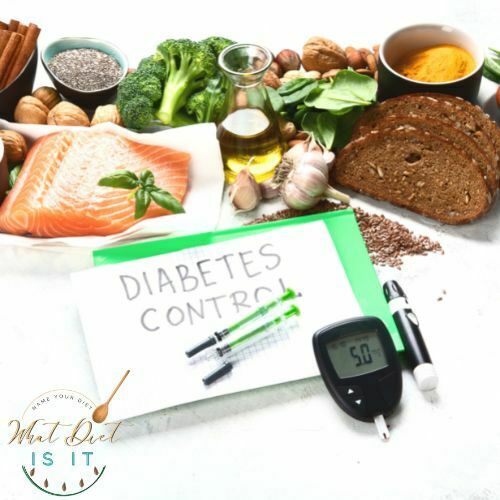
If you went looking for Klinio recently and ended up somewhere called MyBody, you are not going mad. I checked in September 2026: klinio.com now redirects straight to mybody.health, and the Google Play listing that used to carry Klinio is published under a different name. The diabetes meal-planning app a lot of people signed up for has been folded into something broader.
So this is no longer just a review. It is what Klinio was, what it has become, whether a paid diabetes meal-plan app is worth your money at all, and — if you would rather not pay a subscription — how to build the same plan yourself with a nine-inch plate. That last part is free and takes about ten minutes to learn.
What Is the Klinio Diet?
Klinio was a diabetes meal tracker: you answered a questionnaire about your diabetes type, food preferences, allergies and activity level, and it generated a personalised meal plan, recipes and a shopping list, plus a place to log blood sugar readings. Kilo Health, the company behind it, describes it as an app that integrates with glucometers so you can see meal choices and glucose readings side by side, and it bundled in home HbA1c test kits and daily guidance.
The idea is sound, and it is the reason these apps sell: the hardest part of eating for blood sugar is not knowing the rules, it is deciding what is for dinner on a Tuesday when you are tired. An app that answers that question for you removes the daily decision.
Check out more posts about Diabetic diet:
- Can Diabetics Eat Mango?
- Vegetables for Diabetics to Avoid.
- Diabetic Diet Food List: What to Eat and Avoid.
- Fast Food Breakfast For Diabetics
- Diabetic Exchange List of Foods.
- Is The South Beach Diet Good For Diabetics?
- What happens when you eat a lot of sugar with diabetes?
- 9 Ideas for Bedtime Snack to Lower Blood Sugar in the Morning
What Happened to Klinio? The Rebrand, Checked
Here is exactly what I found when I looked, so you can check it yourself rather than take my word for it.
- klinio.com returns a redirect to mybody.health. MyBody presents itself as a personalised weight-loss management and meal-plan app for women and men — broader positioning, and noticeably less diabetes-specific language than Klinio had.
- The Play Store listing under Klinio’s old app ID now appears as a differently named weight-loss app from a different publisher name. Whether that is a rename, a transfer or a split, the practical result is the same: the thing you download is not branded Klinio.
- Kilo Health’s business-facing pages still describe Klinio as a diabetes app with glucometer integration, meal and exercise plans, shopping lists and HbA1c kits — so the product lineage is real, it has simply moved.
What this means for you, practically: check what you are actually subscribing to before you pay, and check the cancellation route on the store you buy through rather than in the app. Any pricing you find quoted in an older article — including the figures that used to sit in this one — should be treated as historical. Subscription apps change their tiers constantly and run different prices by country and by promotion, so the only number worth trusting is the one on your own checkout screen before you tap confirm.
I have removed the old price list from this article rather than leave numbers I cannot currently verify. Nobody is served by a “cost” section that is quietly three years out of date.
Why Follow a Diabetes Meal-Plan App at All?
The honest case for one is decision fatigue, not magic. A good app does four things:
- It removes the daily “what do I eat” decision, which is where most people’s plans fall apart.
- It keeps your food log, glucose readings, weight and activity in one place, so patterns become visible instead of remembered.
- It turns a meal plan into a shopping list, which is the step that decides whether the plan survives contact with a supermarket.
- It builds the habit loop — log, see, adjust — that changes behaviour over months rather than days.
What it cannot do is manage your diabetes for you. No app adjusts your medication, and no meal plan replaces the advice of the clinician who knows your bloods. Talk to your doctor or diabetes team before changing how you eat, and especially before changing anything about your medication — a big shift in carbohydrate intake can change how much insulin or medication you need, and that is a conversation to have in advance, not afterwards.
How the Klinio Quiz Worked
Every one of these apps opens with the same funnel, and it is worth knowing what it is doing. The questions covered diabetes type, sex, age, height and weight, activity level, eating style, allergies, foods to exclude, other conditions and how many meals a day you wanted.
Out of that it produced a BMI reading, a daily calorie range, a macronutrient split, a water target, an exercise suggestion and recipes. Two cautions worth carrying into any app that does this. First, BMI is a population screening tool, not a diagnosis — it says nothing about where your fat sits or what your muscle mass is. Second, “metabolic age” is a marketing figure, not a clinical measurement; treat it as a nudge, not a result.
The calorie range is the part that actually matters, and you can work that out without a subscription. My 4-Week Weight Loss Planner walks through setting a realistic daily target and building a week of meals around it, and if you just want the number, the TDEE calculator gives you a starting point in about thirty seconds.
Klinio Diet: Foods on the Yes List
The plan leaned low-carbohydrate and protein-forward. Broadly:
- Fish, poultry, lean meat and eggs.
- Non-starchy vegetables and mushrooms — the backbone of the plan.
- Nuts and seeds.
- Olive oil, sesame oil, flaxseed oil, butter and ghee.
- Milk, cottage cheese and other cheeses.
- Fermented dairy such as yoghurt and kefir.
What to Drink
- Water — the default, and the one that displaces everything else.
- Unsweetened coffee and tea.
- Herbal tea.
- Unsweetened almond or coconut milk.
What to Limit — and One Thing the Old Version of This Article Got Wrong
Refined carbohydrates, sugary drinks and sweetened sauces are the fair targets: they deliver a fast, large glucose load with very little else attached. Nobody argues about those.
But this article used to list fruit under “avoid”, and that is wrong, so I have corrected it. The CDC’s own diabetes meal planning guidance treats fruit as a carbohydrate food to be counted and portioned — in the same category as rice, pasta, beans, yoghurt and a cup of milk — not as a food to be eliminated. Whole fruit arrives with fibre and water attached, which is precisely why it behaves differently from juice. Portion it, pair it with protein or fat, and check your own meter, because individual responses vary more than any list can capture. If you want the nuance on which fruits need more care, I have written about the fruits worth limiting with diabetes and specifically about whether diabetics can eat mango.
I have also dropped protein powder from the avoid list. There is no general reason to exclude it, and plenty of people use it to hit protein targets without adding carbohydrate.
Build the Same Plan Yourself: The Diabetes Plate Method
This is the part I would give someone before I gave them an app. The CDC’s plate method needs no subscription, no logging and no arithmetic, and it gets you most of the way to what a paid plan produces.
Take a nine-inch dinner plate — roughly the length of a business envelope, and considerably smaller than most modern dinner plates, which is the first thing that changes.
- Half the plate: non-starchy vegetables. Salad, green beans, broccoli, peppers, courgette, cabbage. This half is the point of the whole method.
- One quarter: lean protein. Chicken, fish, eggs, beans, tofu.
- One quarter: carbohydrate foods. Rice, pasta, potatoes, peas, bread, fruit, yoghurt. Not banned — bounded.
- To drink: water or an unsweetened drink.
Two details make it work better. Remember that a cup of milk counts as a carbohydrate food, which catches people out at breakfast. And notice that the method controls portions by geometry rather than willpower — we consistently eat more when we are served more, so shrinking the plate does quiet work that no amount of resolve will.
If you want this laid out as a full week rather than a single meal, my diabetic diet food list and my diabetic exchange list of foods between them give you the swaps to build one, and the bedtime snack ideas for morning blood sugar cover the hour that trips most people up.
📋 Want the plan without the subscription?
My 4-Week Weight Loss Planner is the paper version of what these apps sell monthly: work out your calorie target, plan the week, build the shopping list, track what actually happened. One payment, 55 pages, yours to print as often as you like.
What Has Changed in Diabetes Care Since Klinio Launched
This is the real reason to revisit an app review from a few years ago: the ground underneath it has moved. Three shifts matter.
Continuous Glucose Monitoring Went Mainstream
The American Diabetes Association’s Standards of Care in Diabetes—2026 recommends continuous glucose monitoring at diabetes onset and at any point afterwards for anyone who could benefit from it. That is a meaningful change from the era when a CGM was something you argued for. A sensor that shows you what your own breakfast does to your own glucose makes a generic meal plan far less necessary — you stop guessing which foods suit you and start seeing it.
GLP-1 Medications Reshaped the Conversation
When Klinio launched, a diabetes meal-plan app was competing with willpower. Now it is competing with semaglutide and tirzepatide, and the questions people bring to a plan have changed: how do I eat enough protein when my appetite has collapsed, how do I avoid nausea, how do I keep muscle while losing weight fast. The 2026 Standards add guidance on individualising obesity medication dosing in people with diabetes and stress monitoring nutritional adequacy during weight loss — a signal that eating well enough on these drugs is now a clinical concern in its own right.
If that is where you are, a general meal-plan app is the wrong tool. My GLP-1 Kickstart Kit is built for exactly this problem — protein-forward meals sized for a smaller appetite, and a structure for the first weeks. There is more background in my guides to what to eat while taking Ozempic and the Zepbound weight loss program.
The Guidance Named Specific Eating Patterns
The 2026 Standards point to Mediterranean-style and low-carbohydrate eating patterns as having evidence behind them for preventing type 2 diabetes. That is useful because it narrows the field without prescribing one diet: two broad patterns, both flexible, both compatible with the plate method. If Mediterranean appeals, my one-week Mediterranean meal plan is a working starting point; if lower-carb suits you better, the insulin resistance diet covers that ground.
Klinio Reviews: What Users Reported
The video below follows 28 days on the Klinio program — one person’s experience of the plan, the logging and the habit-building, which is a more useful picture than any feature list.
Read any app review, including that one, with the same filter: a single person’s four weeks is an anecdote, not evidence. What it is good for is showing you what the daily experience feels like — how much logging is involved, how the recipes read, whether the interface would annoy you. Those are the things that decide whether you still use it in month three, and they are exactly what a feature list cannot tell you.
Pros
- Removes the daily meal decision, which is the single biggest reason plans collapse.
- Generates shopping lists from the plan, closing the gap between intention and trolley.
- Genuinely customisable around allergies, dislikes and eating style.
- Puts food, glucose, weight and activity logging in one place.
- Was available across a wide range of countries and languages.
Cons
- It is a recurring subscription for information that is largely free elsewhere.
- The brand has moved — you need to check what you are buying and from whom.
- Onboarding leans on BMI and “metabolic age”, which oversell what a questionnaire can know.
- No app can replace your diabetes team, and none of them adjust medication.
- Cancellation runs through the app store, which catches people out at renewal.
What About Supplements?
It is the question that arrives in my inbox more than any other, so let me answer it plainly rather than pretend nobody asks. Berberine is the one that comes up most; it has been studied for effects on insulin sensitivity, and it is also the one most likely to interact with medication you are already taking.
So: it is not a treatment, it does not replace anything your doctor has prescribed, and it is not a substitute for the plate in front of you. If you are curious about it, the order of operations is to raise it with your doctor or pharmacist first — particularly if you take metformin or any glucose-lowering medication — and buy second, not the other way round.
Disclosure: this post contains affiliate links. If you buy through them I may earn a small commission at no extra cost to you.
Frequently Asked Questions
Is Klinio still available?
Not under that name at its old address. As of September 2026, klinio.com redirects to MyBody, and the app listing that carried Klinio now appears under a different name. Check what you are subscribing to on the checkout screen itself.
How much does the Klinio diet cost?
I am not quoting a figure, because I cannot currently verify one and the old numbers in this article had gone stale. Subscription pricing varies by country, tier and promotion. The price on your own checkout screen is the only one that applies to you.
Can a meal plan reverse type 2 diabetes?
Remission of type 2 diabetes is something clinicians do discuss, and it is generally tied to substantial weight loss under medical supervision — not to any particular app or product. It is a conversation for your doctor, who can look at your actual numbers and history. No meal-planning app can promise it, and you should be sceptical of any that implies otherwise.
Do I have to give up fruit?
No. Count it as a carbohydrate food, portion it, and pair it with protein or fat. Whole fruit and fruit juice are not the same thing.
Is a paid app better than doing it myself?
It buys you convenience, not better information. If the daily decision is what defeats you, the subscription may pay for itself. If your problem is that you do not know the rules, a plate and a food list solve that for nothing.
Check out our latest posts:
- Anti-Inflammatory Diet for Joint Pain: 15 Foods That Help (and 7 That Make It Worse)
- Fibermaxxing Diet Guide: High-Fiber Foods List, 7-Day Plan & How to Start Without Bloating
- Cortisol Belly: How to Get Rid of Stress-Related Belly Fat Without Another Crash Diet
- 7 Best Protein Shakes for GLP-1: 7 Easy Options for Better Nutrition, Strength, and Energy
- Zepbound Constipation Relief: A Pharmacist’s Guide to Restoring Your Gut Flow
The Bottom Line
Klinio was a reasonable product solving a real problem: not knowing what to cook. That problem has not gone anywhere, but the brand has moved, the price you find quoted online is unreliable, and the two things that have genuinely changed diabetes care since — continuous glucose monitoring and GLP-1 medication — are worth more of your attention than any meal-plan subscription.
Start with the nine-inch plate. Add a food list. If after a month the daily decision is still what is beating you, then pay for an app — and check exactly what you are paying for at the checkout screen. Whatever you choose, run the plan past your diabetes team before you change how you eat.
References
- CDC — Diabetes Meal Planning (the Diabetes Plate Method)
- American Diabetes Association — Standards of Care in Diabetes—2026
- CDC — Healthy Eating for Diabetes
- Kilo Health — Klinio diabetes management overview
