

If you’ve completed the AIP elimination phase and your symptoms have started to improve, you’re probably asking the next big question: When is it safe to start reintroducing foods?
The AIP reintroduction phase is a critical step in the Autoimmune Protocol. While the elimination phase helps calm inflammation and remove potential triggers, the reintroduction phase helps you learn which foods your body can tolerate and which ones may still cause symptoms.
From my experience working in nutrition with a background in pharmaceutical sciences, many people stay stuck in the elimination phase longer than they should because they’re worried about triggering symptoms again. But the goal of the AIP diet isn’t permanent restriction—it’s to help you build a sustainable, personalized way of eating.
In this guide, I’ll walk you through when to begin the AIP reintroduction phase, how the stages work, and how to track your body’s response, so you can expand your diet with more confidence and clarity.
Contents
- 1 When to Start the AIP Reintroduction Phase
- 2 How the AIP Reintroduction Process Works
- 3 AIP Reintroduction Stages
- 4 Symptoms to Watch During Reintroduction
- 5 Common Mistakes During AIP Reintroduction
- 6 Frequently Asked Questions
- 6.1 Can I skip some AIP reintroduction stages?
- 6.2 What if I react to a food during reintroduction?
- 6.3 How long should I wait between testing new foods?
- 6.4 Do I have to reintroduce every food group?
- 6.5 Can symptoms appear days after reintroducing a food?
- 6.6 Should I keep a food journal during reintroduction?
- 6.7 Final Thoughts on Successfully Reintroducing Foods in the AIP Diet
When to Start the AIP Reintroduction Phase
One of the most common questions people ask after starting the Autoimmune Protocol is when it’s the right time to begin reintroducing foods. There isn’t a strict timeline that works for everyone, but there are a few signs that usually indicate your body may be ready.
Most people remain in the AIP elimination phase for about 30 to 90 days. The goal during this time is to reduce inflammation and allow your body to stabilize before testing new foods again.
From my perspective working in nutrition with training rooted in pharmaceutical sciences, the best time to start reintroductions is when your symptoms have clearly improved or become stable. This may include improvements in digestion, energy levels, skin issues, joint discomfort, or brain fog.
Before starting the reintroduction phase, it helps to make sure that:
- Your autoimmune symptoms are noticeably better or stable
- Your digestion feels more consistent
- You’re no longer experiencing frequent flare-ups
- Your sleep and energy levels have improved
If symptoms are still fluctuating frequently, it’s usually better to stay in the elimination phase a bit longer before testing new foods. Reintroducing foods too early can make it harder to identify which foods may be triggering symptoms.
Remember, the goal of the AIP diet is not to eliminate foods forever. Instead, the reintroduction phase helps you gradually expand your diet while identifying your personal food triggers, allowing you to build a balanced eating pattern that supports your long-term health.
Before starting the reintroduction phase, it helps to understand the complete AIP diet food list for both the elimination and reintroduction phases.

How the AIP Reintroduction Process Works
The AIP reintroduction phase is designed to help you test eliminated foods in a structured way so you can identify which ones your body tolerates and which may trigger symptoms.
Rather than adding many foods back at once, the process focuses on introducing one food at a time and carefully observing your body’s reaction. From my experience in nutrition with a pharmaceutical science background, this step-by-step approach is essential because it allows you to clearly link symptoms to specific foods.
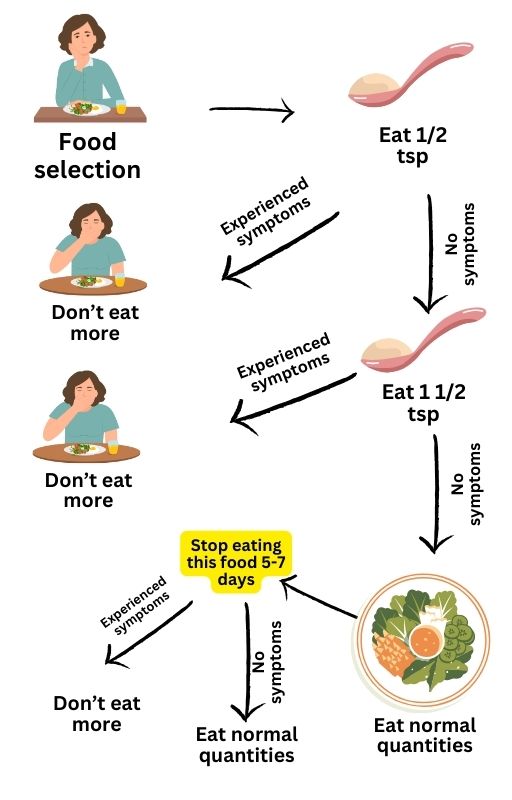
A typical AIP food challenge follows a simple pattern:
- Choose one food to test and make sure your symptoms are stable before starting.
- Start with a very small amount, such as a tiny bite or about ¼ teaspoon.
- Wait about 15–20 minutes and observe any immediate reactions.
- If no symptoms appear, eat a slightly larger portion, then wait a few hours.
- If you still feel fine, you can eat a normal portion later the same day.
After testing the food, avoid eating it again for several days while monitoring your body. This waiting period helps you detect delayed reactions, which are common with food sensitivities.
If no symptoms appear during this observation period, the food is generally considered well tolerated and can be gradually included in your diet. If symptoms occur, the food should be removed again and tested later after your body has had more time to heal.
The key to a successful reintroduction phase is patience and careful observation, allowing you to build a diet that supports your health without unnecessary restrictions.
AIP Reintroduction Stages

The AIP reintroduction phase is usually divided into four stages, starting with foods that are least likely to trigger reactions and gradually moving toward foods that are more likely to cause symptoms. This staged approach helps you expand your diet safely while identifying potential triggers.
From my perspective working in nutrition with a background connected to pharmaceutical sciences, moving through these stages slowly is important because it gives your immune system time to adapt and makes it easier to track how your body responds.
Stage 1: Foods Least Likely to Cause Reactions
Stage 1 typically includes foods that are nutrient-dense and often better tolerated. These foods may provide important nutrients while still being relatively gentle for many people recovering from autoimmune symptoms.
Examples may include:
- Egg yolks
- Ghee or clarified butter
- Seed-based spices such as cumin or coriander
- Legumes with edible pods (such as green beans)
These foods are usually the first ones tested during the reintroduction phase.
Stage 2: Moderately Reactive Foods
Stage 2 introduces foods that may cause reactions in some individuals but are still considered relatively manageable for many people.
Examples may include:
- Egg whites
- Nuts and seeds
- Grass-fed butter
- Certain gluten-free grains such as white rice
These foods should still be tested one at a time while monitoring symptoms carefully.
Stage 3: Higher Risk Foods
Stage 3 includes foods that are more commonly associated with sensitivities or inflammatory reactions for some individuals.
Examples may include:
- Nightshade vegetables such as tomatoes or peppers
- Legumes such as lentils or chickpeas
- Full dairy products like milk or yogurt
These foods should be introduced cautiously and only after earlier stages have been successfully tolerated. Planning snacks ahead of time can make the protocol easier, especially if you know which AIP snacks you can find at Whole Foods.
Stage 4: Foods Most Likely to Trigger Symptoms
Stage 4 includes foods that are more likely to trigger immune or digestive reactions, particularly in people with autoimmune conditions.
Examples may include:
- Gluten-containing grains such as wheat or barley
- Soy products
- Highly processed foods or refined sugars
These foods are usually tested last, and some people may choose to avoid them long term depending on their symptoms and tolerance.
Moving through the stages gradually helps you identify your personal food tolerances, allowing you to expand your diet safely while maintaining control over autoimmune symptoms.
If you’re struggling to get enough protein during the elimination phase, these AIP-friendly protein shakes may help support your nutrition.
Symptoms to Watch During Reintroduction
During the AIP reintroduction phase, the goal is to observe how your body reacts to each food you test. Reactions don’t always appear immediately, which is why it’s important to monitor symptoms for several days after introducing a new food.
From my experience working in nutrition with a pharmaceutical science background, many food reactions are subtle at first, so paying attention to small changes can help you identify potential triggers more accurately. Some people notice temporary symptoms when changing their diet, which is why it helps to understand the possible side effects of the AIP diet before starting.
Some common symptoms to watch for include:
Digestive Symptoms
Digestive reactions are often the first signs of food intolerance. These may include:
- Bloating or gas
- Stomach pain
- Diarrhea or constipation
- Nausea
If these symptoms appear after reintroducing a food, it may indicate that your body is not tolerating it well.
Inflammation-Related Symptoms
Certain foods may trigger inflammatory responses, especially in people with autoimmune conditions. Watch for symptoms such as:
- Joint pain or stiffness
- Headaches
- Skin rashes or itching
- Swelling or sinus congestion
These reactions may appear several hours or even a day after eating the food.
If you’re following the protocol but not seeing improvements, it may help to understand why the AIP diet doesn’t work for some people.
Energy and Cognitive Changes
Food sensitivities can sometimes affect energy levels and mental clarity. Possible symptoms include:
- Fatigue
- Brain fog
- Difficulty concentrating
- Mood changes or irritability
Because these symptoms can be subtle, keeping a food and symptom journal can make it easier to identify patterns.
Changes in Sleep or Mood
Some individuals notice changes in sleep quality or emotional balance when reacting to certain foods. This might include:
- Trouble falling asleep
- Poor sleep quality
- Anxiety or mood fluctuations
Tracking these changes can provide helpful clues about how your body responds to specific foods.
Carefully observing these symptoms helps you determine whether a food is well tolerated, needs further testing, or should be avoided for now.
Common Mistakes During AIP Reintroduction
The AIP reintroduction phase can provide valuable insights about your food triggers, but it’s also easy to make mistakes that make the process confusing or less effective. Being aware of these common pitfalls can help you get clearer results.
Reintroducing Too Many Foods at Once
One of the most common mistakes is testing several foods at the same time. When multiple foods are introduced together, it becomes difficult to determine which one caused a reaction.
It’s better to reintroduce one food at a time and wait several days before testing another food.
Moving Through the Stages Too Quickly
Some people rush through the reintroduction stages because they want to expand their diet quickly. However, introducing foods too fast may cause missed or delayed reactions, making it harder to identify triggers.
Giving your body several days between food tests helps you detect subtle symptoms.
Ignoring Mild Symptoms
Not all food reactions are dramatic. Sometimes reactions appear as mild fatigue, slight bloating, headaches, or brain fog. These smaller symptoms can still indicate that a food may not be well tolerated.
Keeping a food and symptom journal can help you notice these patterns.
Testing Foods During Stress or Illness
Reintroducing foods when you’re sick, stressed, or sleep-deprived can make results unreliable. These factors can influence how your body reacts and make it harder to determine whether symptoms are caused by food or other triggers.
It’s best to start food challenges when your symptoms are stable and your overall health feels balanced.
Staying Too Long in the Elimination Phase
Another mistake I often see, especially from people I work with in nutrition with training grounded in pharmaceutical sciences, is staying in the elimination phase longer than necessary.
The goal of AIP is not long-term restriction, but learning which foods you tolerate so you can build a more varied and sustainable diet. Moving into the reintroduction phase when your symptoms improve is an important step in that process.
Frequently Asked Questions
Can I skip some AIP reintroduction stages?
Yes, some people choose to skip certain foods or stages, especially if they already know they react poorly to specific foods. The stages are meant to guide the order of testing, but the process can be adjusted based on your personal preferences and health history.
What if I react to a food during reintroduction?
If you experience symptoms after reintroducing a food, it’s best to stop eating that food and return to the elimination phase until your symptoms settle. You can try testing that food again after several weeks or months to see if your tolerance has improved.
How long should I wait between testing new foods?
It’s generally recommended to wait about 5 to 7 days between testing new foods. This allows enough time to observe delayed reactions, which are common with food sensitivities.
Do I have to reintroduce every food group?
No, you don’t have to test every eliminated food. Some people choose to permanently avoid certain foods if they already know those foods worsen their symptoms. The goal is simply to identify which foods your body tolerates and expand your diet where possible.
Can symptoms appear days after reintroducing a food?
Yes, reactions are not always immediate. Some symptoms can appear 24 to 72 hours after eating a food, which is why monitoring your symptoms for several days after each reintroduction is important.
Should I keep a food journal during reintroduction?
Keeping a food and symptom journal can be very helpful during this phase. Writing down what you eat and how you feel afterward makes it easier to identify patterns and determine which foods are well tolerated.
Final Thoughts on Successfully Reintroducing Foods in the AIP Diet
The AIP reintroduction phase is where the real learning begins. While the elimination phase helps calm inflammation, reintroductions allow you to discover which foods your body truly tolerates and which ones may still trigger symptoms.
In my work in nutrition, shaped by a pharmaceutical science background, I often see people hesitate to move beyond the elimination phase because they’re afraid of reactions. But the purpose of the AIP protocol isn’t permanent restriction—it’s to help you build a balanced and personalized diet based on your body’s responses.
By reintroducing foods slowly, monitoring symptoms, and being patient with the process, you can gradually expand your diet while maintaining control over your autoimmune symptoms. Over time, this approach helps you move toward a more sustainable way of eating that supports your long-term health.
