
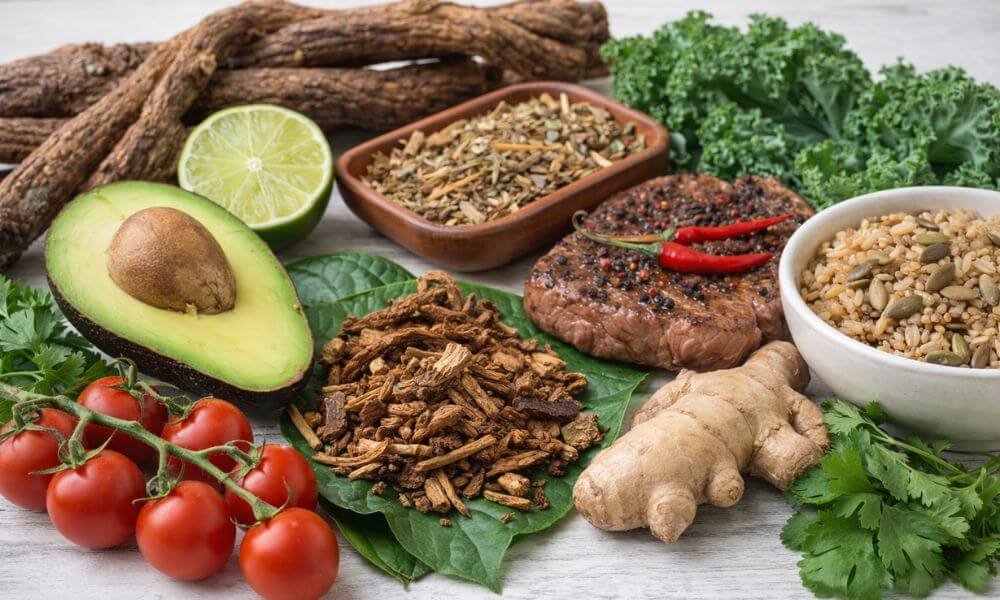
When people talk about the Ayahuasca Diet, they often imagine a strict list of foods to avoid before an ayahuasca ceremony. In reality, the diet—traditionally called the ayahuasca dieta—is a short-term way of eating designed to gently prepare your body and mind for a deeply demanding experience. It focuses on simple, whole foods, light meals, and intentional restraint to reduce physical stress, calm the nervous system, and support mental clarity in the days or weeks leading up to a retreat.
For many people in the Western world, this strict diet feels unfamiliar at first, but it plays a crucial role in the healing process—helping you enter the ceremony with a clearer mind, a lighter physical body, and fewer risks of adverse reactions.
For many first-timers, this diet feels challenging not because of hunger, but because it asks you to step away from fast food, processed ingredients, alcohol, and heavy animal products—things most people rely on in daily life.
Think of it as a gentle reset that prepares you for a potentially transformative experience, letting the plant spirit work more deeply during your ayahuasca journey.
Contents
- 1 What the Ayahuasca Diet Really Is: Beyond Food Restrictions and Into the Healing Process
- 2 What Is Ayahuasca Ceremony
- 3 Foods to Avoid Before Ceremony—and Why They Matter for Safety and Comfort
- 3.1 High-Tyramine Foods Can Trigger Dangerous Reactions
- 3.2 Heavy, Greasy, and Processed Foods Disrupt the Cleansing Process
- 3.3 Avoid Stimulants So Your Nervous System Can Slow Down
- 3.4 Certain Medications and Substances Can Cause Serious Adverse Effects
- 3.5 Sexual Activity Is Also Restricted—Here’s the Real Reason
- 3.6 The Goal Isn’t Disciplined Eating — It’s Clear Intention
- 4 The Emotional and Mental Side of the Ayahuasca Diet That Most People Overlook
- 5 A Practical, Real-Life Eating Guide: Light Meals, Natural Foods, and Simple Daily Structure
- 6 The Hidden Triggers You Don’t Hear About Online: Social Media, Stress, and Sexual Activities
- 6.1 Social Media Overstimulation Quietly Disrupts Mental Preparation
- 6.2 Chronic Stress Affects the Physical Body More Than You Think
- 6.3 Sexual Activities and Energy Regulation
- 6.4 Emotional Triggers Can Be Stronger Than Food Triggers
- 6.5 Creating a Supportive Mental Environment
- 6.6 The Diet Is Bigger Than Food
- 7 Preparing Your Body Like Indigenous Tribes Do: Rituals, Rest, and Respect for the Master Plants
- 8 Can everyday people follow the Ayahuasca diet?
- 9 Conclusion: Bringing the Ayahuasca Diet Into a Respectful, Modern Context
What the Ayahuasca Diet Really Is: Beyond Food Restrictions and Into the Healing Process
When you first hear about the Ayahuasca Diet, it’s easy to assume it’s just a checklist of foods you can and cannot eat. But if you’re preparing for an ayahuasca ceremony or retreat, you’ll quickly realize something deeper: the diet—known traditionally as the ayahuasca dieta—isn’t only about food restrictions. It’s a holistic preparation of your physical body, emotional state, and mental clarity, designed to help you enter the ceremony safely and with a receptive spirit.
Peer-reviewed studies on MAOI-containing plants (like the harmala alkaloids in the ayahuasca brew) show that certain foods and medications can cause severe hypertensive reactions or serotonin syndrome when mixed with monoamine oxidase inhibitors. That’s why the diet matters—it’s not superstition; it’s physiological safety.
Let’s break down what the diet really means for you.
What Is Ayahuasca Ceremony
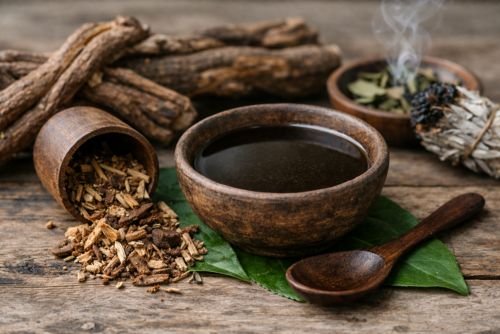
An ayahuasca ceremony is a guided spiritual and healing ritual traditionally practiced by Indigenous communities in the Amazon Basin. It centers around the ceremonial use of ayahuasca, a sacred plant medicine made from specific jungle plants, and is led by an experienced facilitator or shaman.
At its core, the ceremony is designed to support emotional healing, self-reflection, and spiritual insight. Participants usually gather in a quiet, controlled setting—often at night—where the facilitator prepares the space with rituals, intention-setting, and traditional practices such as chanting or music. The environment is meant to feel safe, respectful, and focused inward.
From a practical standpoint, the ceremony places strong emphasis on preparation and aftercare. This includes following dietary guidelines beforehand, avoiding certain substances, and approaching the experience with clear intentions. These steps help reduce physical discomfort and support mental clarity during the ceremony.
While many people describe ayahuasca ceremonies as transformative, they are not casual experiences. They can be physically and emotionally intense, which is why reputable ceremonies stress informed consent, screening for health conditions, and ongoing support. In traditional contexts, ayahuasca is viewed not as a recreational substance, but as a sacred medicine used with purpose, discipline, and respect.
The Diet Is About Creating Space for Healing — Not “Punishing” You
You’re not just avoiding red meat, spicy foods, aged cheeses, or recreational drugs. You’re intentionally reducing stimulation so your nervous system calms down before the ceremony. When your diet simplifies—more whole foods, plant-based choices, fresh fruits, root vegetables, and plenty of water—your body shifts out of the hectic rhythm of the western world.
Research on mindfulness and dietary simplification shows that reducing stimulants and processed foods supports emotional regulation and may lower baseline heart rate and stress markers. That is exactly the internal environment the master plants work best in.
By the time you sit in ceremony, you’re entering with:
- fewer toxins
- steadier blood pressure
- clearer intentions
- less emotional reactivity
This is where the healing process truly begins—not during the ceremony, but before it.
Safety Is the First Reason the Diet Exists
Ayahuasca contains natural MAO inhibitors, which interact with:
- prescription antidepressants
- certain herbal teas
- stimulants
- alcohol
- street drugs
- high-tyramine foods like aged cheeses, cured meats, soy sauce
Peer-reviewed MAOI studies show that these combinations can cause dangerous spikes in blood pressure, nausea, or adverse neurological reactions. Following the dieta protects you from these food interactions and ensures your ceremony remains a safe, transformative experience rather than a medical risk.
So if you ever wondered, “Is this diet really necessary?” — the science says yes.
The Diet Prepares Your Emotional and Spiritual Body Too
Ayahuasca isn’t just a brew; it’s a sacred ceremony. Indigenous tribes see the dieta as a spiritual practice, a way to reconnect with the plant spirit and show respect for the medicine.
Removing sexual activities, heavy meals, social media, fast food, or emotional overstimulation isn’t about deprivation—it’s about giving yourself mental preparation and emotional quietness. Many people report that even before drinking, they begin to feel:
- better emotional stability
- reduced anxiety
- increased sensitivity to intuition
- spontaneous reflection on life patterns
This is why facilitators say the dieta works on a case-by-case basis—because your healing process starts as soon as you commit to it.
The Diet Teaches Discipline—Something Ayahuasca Responds To
Indigenous communities view the dieta as a sacred commitment. You’re telling the plant: “I am here with respect, readiness, and humility.”
That mindset alone reduces the risk of difficult experiences or fear-driven “horror stories” you sometimes hear online. People who come prepared often describe their ceremonies as:
- clearer
- more grounded
- more emotionally supported
- less physically intense
Preparation is not just mental readiness—it’s physical preparation, nutritional support, and emotional discipline.
Foods to Avoid Before Ceremony—and Why They Matter for Safety and Comfort
If you’re preparing for an ayahuasca ceremony, the list of foods to avoid can feel strict at first. But once you understand the why, it becomes clear that these restrictions are not about perfection—they’re about protecting your physical body and ensuring your ayahuasca experience is safe, grounded, and as transformative as possible. Since the ayahuasca brew contains harmala alkaloids, which act as natural monoamine oxidase inhibitors (MAOIs), certain foods can cause dangerous reactions if you consume them too close to the ceremony.
Let’s break down what you should avoid—and the real reason behind each guideline.
High-Tyramine Foods Can Trigger Dangerous Reactions
Ayahuasca interacts with foods high in tyramine, a natural compound that spikes blood pressure when mixed with MAO inhibitors. This is why you’re told to avoid:
- Aged cheeses
- Cured meats and red meat
- Fermented foods like soy sauce
- Alcohol
- Pickled or aged products
Peer-reviewed MAOI research shows that mixing these foods with MAOIs can trigger a hypertensive crisis, severe headache, or nausea. This is not spiritual discomfort—it’s real physiology.
Avoiding these foods keeps your ceremony safe.
Heavy, Greasy, and Processed Foods Disrupt the Cleansing Process
If you want the healing process to begin before the ceremony, your digestive system needs to be clear and calm. Heavy animal products, fast food, fried foods, or overly spicy dishes can leave you feeling:
- bloated
- sluggish
- emotionally dull
- prone to vomiting during the ceremony
The dieta encourages natural foods, unprocessed foods, fresh produce, and whole grains because your gut and nervous system work better when they’re not overloaded.
Remember: vomiting is part of the traditional healing potential of the plant medicines, but you don’t want unnecessary physical discomfort caused by yesterday’s meal.
Avoid Stimulants So Your Nervous System Can Slow Down
On the days before the ceremony, skip:
- caffeine
- energy drinks
- recreational drugs
- nicotine
- certain herbal teas that stimulate the system
Stimulants raise heart rate, create emotional agitation, and interrupt the grounded state needed to connect with the spirit of ayahuasca.
Ayahuasca works best when your nervous system is quiet—not when it’s fighting a stimulant crash.
Certain Medications and Substances Can Cause Serious Adverse Effects
Mixing ayahuasca with prescription drugs that affect serotonin or dopamine can lead to:
- serotonin syndrome
- high blood pressure
- dangerous neurological symptoms
This includes:
SSRIs, SNRIs, some ADHD medications, pharmaceutical MAOIs, and many supplements circulating on social media wellness pages.
This is why most retreats require you to disclose medications—it’s not a formality; it’s essential safety.
Sexual Activity Is Also Restricted—Here’s the Real Reason
Avoiding sexual activities before the ceremony isn’t superstition. In indigenous traditions, sexual energy is seen as deeply intertwined with vitality. Physiologically, abstaining helps conserve physical energy and stabilize emotions during the ayahuasca journey.
It’s part of the set of restrictions that help you stay energetically open and mentally focused.
The Goal Isn’t Disciplined Eating — It’s Clear Intention
You’re not just avoiding foods—you are preparing the physical body, the emotional field, and the mind. The dieta helps you:
- sharpen intentions
- reduce “noise” from the western world
- stay grounded
- enter ceremony with respect
Think of these choices as your first conversation with the medicine.
The Emotional and Mental Side of the Ayahuasca Diet That Most People Overlook
Mental Preparation Is Not Optional — It Shapes the Entire Experience
If you’re exploring the ayahuasca diet, it’s easy to focus only on food restrictions and forget that mental preparation plays a crucial role. Research on psychedelic-assisted practices consistently shows that mindset, intention, and emotional readiness strongly influence how people process intense experiences. The ayahuasca dieta is designed not just to protect the physical body from food interactions with monoamine oxidase inhibitors, but also to quiet mental noise, reduce emotional reactivity, and help you enter the ceremony with clearer intentions. When stimulants, fast food, social media overstimulation, and recreational drugs are removed, many people report increased mindfulness and emotional awareness even before the ayahuasca ceremony begins.
Emotional Sensitivity Often Increases Before the Ceremony
One overlooked effect of the ayahuasca diet is heightened emotional sensitivity. As you remove processed foods, red meat, aged cheeses, and heavy animal products, the nervous system may become more responsive.
Studies on dietary changes and mental health suggest that shifts toward whole foods, plant-based food, and unprocessed foods can temporarily amplify emotional states. This is not a negative sign — it’s often part of the healing process. Many people notice old memories, unresolved emotions, or strong feelings surfacing days before the ceremony, which is why emotional support and self-compassion are essential.
Food Choices Influence Mood, Not Just Safety
The ayahuasca diet emphasizes light meals, fresh produce, whole grains, root vegetables, herbal teas, and plenty of water. These dietary choices help stabilize blood pressure, heart rate, and serotonin-related pathways that can otherwise contribute to adverse reactions. From a mental health perspective, research links nutrient-dense, anti-inflammatory diets to improved emotional regulation and reduced anxiety. When you remove spicy foods, alcohol, soy sauce, and fast food, you may feel mentally clearer — but also more exposed emotionally. That vulnerability is often misunderstood but is considered part of the mental preparation required for a safe ayahuasca experience.
The Diet Creates Psychological Space for Reflection
Beyond safety, the ayahuasca diet creates psychological distance from daily habits. Avoiding sexual activity, overstimulation, and constant digital input helps shift attention inward. Psychological research on ritual preparation shows that structured dietary and lifestyle changes can increase introspection and emotional openness. This is why indigenous communities view the dieta as a sacred commitment rather than a checklist. The emotional effects you notice before the ceremony often reflect how deeply you’ve stepped away from daily life patterns.
Why Emotional Grounding Matters Afterward
The emotional impact of the ayahuasca journey doesn’t end when the ceremony does. Studies on integration after transformative experiences emphasize that diet, routine, and emotional care remain important afterward. Continuing a gentle, whole-food-based approach for a short time can support emotional stability as insights are processed. Without grounding practices, people may feel overwhelmed or mentally scattered. This is why many facilitators stress that the ayahuasca diet supports both emotional safety and long-term mental clarity, not just short-term physical preparation.
A Final Reality Check
The emotional and mental effects of the ayahuasca diet vary on a case-by-case basis. Not everyone experiences dramatic emotional shifts, but most people notice at least subtle changes in awareness, mood, and sensitivity. Scientific literature increasingly supports the idea that dietary restriction combined with intentional mental preparation plays a crucial role in how transformative experiences are perceived and integrated. Understanding this emotional layer helps set realistic expectations and reduces fear caused by online horror stories or misinformation.
A Practical, Real-Life Eating Guide: Light Meals, Natural Foods, and Simple Daily Structure
When following the ayahuasca diet, think simplicity over perfection. Light meals help reduce digestive stress and support emotional clarity. Many people do best with small portions of plant-based food like steamed vegetables, root vegetables, fresh fruits, and simple soups. Research on ritual fasting and dietary restriction shows that lighter meals can calm the nervous system and reduce physical discomfort, which matters when preparing for an ayahuasca ceremony that already places demands on the body and mind.
Choose Natural, Unprocessed Foods as Your Default
A practical rule is to eat foods that look close to how they came from nature. Whole foods such as fresh produce, whole grains in moderation, olive oil, and herbal teas are commonly recommended because they lower the risk of food interactions with monoamine oxidase inhibitors and help stabilize heart rate and blood pressure.
Avoid fast food, aged cheeses, red meat, soy sauce, and heavily processed animal products, as these can increase the risk of adverse effects and mental restlessness.
Simple Daily Structure Reduces Mental Overload
Structure matters more than variety during this period. Eating at regular times, drinking plenty of water, and avoiding late-night meals helps the physical body feel grounded. Studies on mindfulness practices and routine show that predictable eating patterns reduce anxiety and support emotional regulation. This is especially helpful when mental preparation is just as important as food restrictions.
Use Food as a Form of Mindfulness
The ayahuasca dieta isn’t about deprivation — it’s about awareness. Eating slowly, without distractions like social media, turns meals into moments of reflection. Psychological research suggests that mindful eating improves emotional awareness and reduces impulsive behavior. This mindset supports the healing process by aligning dietary choices with clear intentions rather than fear of “doing it wrong.”
Adapt on a Case-by-Case Basis
Not everyone needs the same strictness. Some people tolerate small amounts of whole grains or full-fat dairy products better than others, while some feel best on a near-vegan diet. Scientific guidance around ayahuasca preparation emphasizes a case-by-case basis, especially for those with high blood pressure, prescription drug use, or sensitivity to food restrictions. Listening to your body is part of the preparation, not a failure of discipline.
The Goal Is Support, Not Perfection
In real life, the best ayahuasca diet is one you can follow calmly. Light meals, natural foods, and a simple daily structure help reduce physical strain, emotional overwhelm, and unnecessary fear. When the diet supports your energy instead of draining it, you arrive at the ceremony more grounded, mentally present, and emotionally open — which is exactly the point.
The Hidden Triggers You Don’t Hear About Online: Social Media, Stress, and Sexual Activities

Social Media Overstimulation Quietly Disrupts Mental Preparation
Most ayahuasca diet discussions focus on food, but mental inputs matter just as much. Constant exposure to social media floods the brain with stimulation, comparison, and emotional noise. Research in psychology and neuroscience shows that excessive screen time increases cortisol levels and reduces emotional regulation. When you’re preparing for an ayahuasca ceremony, this overstimulation can interfere with mindfulness practices, emotional clarity, and the ability to set clear intentions. Stepping back from social media isn’t about isolation—it’s about protecting mental space so the nervous system can settle.
Chronic Stress Affects the Physical Body More Than You Think
Stress is one of the most overlooked triggers during ayahuasca preparation. Elevated stress hormones can affect heart rate, blood pressure, digestion, and sleep—factors already sensitive during dietary restriction. Studies on stress and the gut-brain axis show that emotional tension directly impacts physical comfort and mental readiness. Reducing workload, avoiding conflict, and creating quiet time are practical forms of physical preparation, not just “self-care extras.”
Sexual Activities and Energy Regulation
Many traditional ayahuasca dieta guidelines recommend limiting sexual activities before ceremony. While this can sound abstract or cultural, research on neurochemistry and emotional regulation suggests that sexual activity influences dopamine, serotonin, and emotional attachment patterns. In the context of ayahuasca ceremonies, reduced sexual stimulation may help stabilize emotional energy, lower distraction, and support a more inward-focused healing process. This isn’t about repression—it’s about temporary alignment with the sacred commitment of the experience.
Emotional Triggers Can Be Stronger Than Food Triggers
People often fear food interactions but ignore emotional overload. High emotional stimulation—from stress, arguments, or intense media—can increase anxiety, restlessness, and physical discomfort during the ayahuasca journey. Clinical literature on psychedelic preparation consistently highlights the importance of set and setting, where emotional state plays a crucial role in safety and outcomes.
Creating a Supportive Mental Environment
Practical steps make a real difference: limit screen time, prioritize sleep, engage in light movement, and seek emotional support if needed. These lifestyle changes help regulate the nervous system and support the healing potential of plant medicines. When mental triggers are managed, the ayahuasca diet becomes more effective—not because of restriction, but because your body and mind are finally working together.
The Diet Is Bigger Than Food
The ayahuasca diet isn’t just about what you eat—it’s about what you consume emotionally and mentally. Reducing social media, managing stress, and being intentional with sexual activities helps create the internal environment needed for a safe, grounded, and transformative experience.
Preparing Your Body Like Indigenous Tribes Do: Rituals, Rest, and Respect for the Master Plants
At its core, the master plant dieta follows clear dietary guidelines rooted in indigenous knowledge passed down through different tribes. These guidelines are not arbitrary rules; they are designed to create the best way for the body to cooperate with the primary plants. Within these traditions, restriction is considered a good thing—a form of discipline that protects both the physical body and the deeper spiritual work taking place.
Why Organic Foods and a Plant-Based Diet Matter
Choosing organic foods and following a mostly plant-based diet is central to this preparation. Indigenous traditions emphasize natural, minimally processed foods because they provide essential nutrients without overwhelming the system. This simpler way of eating reduces internal noise, helping the body become more receptive while maintaining stability during the preparation period.
The Role of Healthy Fats in Physical and Spiritual Preparation
Although the diet is simple, it is not meant to be nutritionally incomplete. Healthy fats play an important role in supporting energy levels and grounding the body. When included intentionally, they help maintain balance, ensuring that dietary changes do not weaken the physical foundation needed for deeper work connected to the spirit world.
Essential Restrictions as a Form of Respect
The essential restrictions found in these diets are about respect rather than deprivation. Across different tribes, limiting certain foods is believed to minimize interference with the effects of the primary plants. This disciplined approach reflects the belief that preparation is an active partnership between the individual and the plant traditions—often guided by personal belief systems, sometimes referred to as sam believ within ceremonial contexts.
Finding the Best Way to Honor Tradition Today
For modern participants, the best way to follow these practices is with intention and humility. While cultural contexts may differ, respecting the structure of the master plant dieta—through mindful food choices and adherence to core guidelines—helps bridge ancient traditions with contemporary life in a safe and meaningful way.
Can everyday people follow the Ayahuasca diet?
Yes, in a modified, non-ceremonial way.
When stripped of its ceremonial context, the Ayahuasca diet is essentially a clean, intentional reset diet focused on whole foods, simplicity, and body awareness.
You should not treat it as a spiritual or medicinal substitute—but many of its principles are safe and beneficial when applied mindfully.
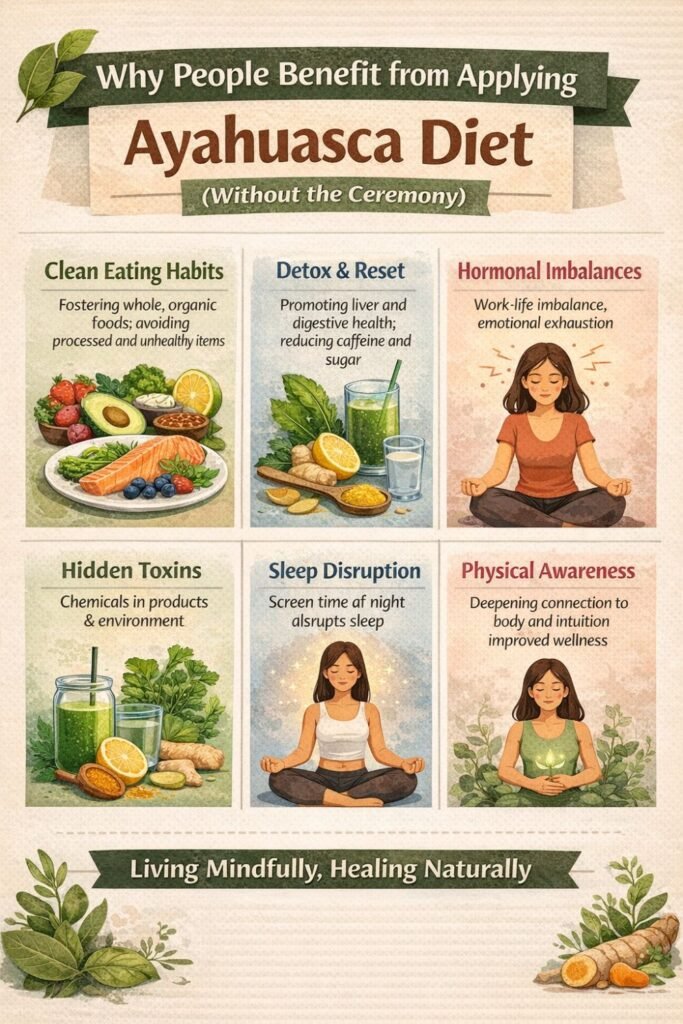
Why people benefit from applying it (without the ceremony)
1. It naturally improves gut and metabolic health
The diet removes ultra-processed foods, excess sugar, alcohol, and heavy additives. For most people, this leads to:
- Less bloating and digestive stress
- More stable energy levels
- Reduced inflammation markers
This happens because the diet emphasizes unprocessed foods, simple meals, and easier digestion, giving the gut time to recover.
2. It supports mental clarity and emotional regulation
Many people notice improved focus and calmer moods because the diet reduces:
- Stimulants (caffeine, energy drinks)
- Highly inflammatory foods
- Erratic blood sugar spikes
This creates a steadier nervous system response, which is why people often describe feeling “clearer” or more grounded.
3. It encourages mindful eating and self-discipline
One of the biggest benefits is behavioral, not nutritional.
The diet teaches:
- Slower eating
- Awareness of how food affects mood and energy
- Intentional food choices instead of emotional eating
That alone can improve long-term eating habits—even after the diet ends.
4. It aligns with modern whole-food nutrition principles
Without the spiritual framing, the diet overlaps with evidence-based approaches:
- Plant-forward meals
- Reduced red meat and ultra-processed foods
- Emphasis on fruits, vegetables, and healthy fats
These patterns are consistently associated with better heart health and lower chronic disease risk.
Important boundaries (what not to apply casually)
- Strict MAOI food restrictions are only necessary for people consuming ayahuasca or MAOI medications
- Extreme food elimination for long periods can cause nutrient gaps
- Spiritual claims should not replace medical or mental health care
For everyday use, the diet works best as a short reset (7–21 days) or as inspiration—not a lifelong restriction.
Conclusion: Bringing the Ayahuasca Diet Into a Respectful, Modern Context
The Ayahuasca Diet is more than a short-term eating plan—it’s a framework for respect, safety, and intentional living. Whether you are preparing for an ayahuasca retreat, navigating ayahuasca tourism, or simply seeking a healthier mindset around preparation, the core principles remain the same. A healthy diet, built around natural foods and specific dietary restrictions, helps reduce physical stress and supports emotional stability before ceremony. Research and indigenous knowledge alike suggest that honoring these practices over a long time—not just a few days—can positively influence the overall ayahuasca experience.
In a modern context, adapting these traditions thoughtfully allows people outside indigenous communities to engage more responsibly. Following a good diet, respecting animal and plant relationships, and understanding the potential effects of ayahuasca are essential steps toward safety and meaning. When preparation is approached with care rather than fear, it becomes a grounding practice—one that supports both the body and the deeper inner work that many seek from ayahuasca ceremonies.
