

Does managing diabetes mean giving up the foods you love? It’s a question many people struggle with—and it can feel frustrating when it seems like every meal comes with restrictions. You might have been told to avoid certain foods completely, count every calorie, or follow strict rules that are hard to maintain in real life. Over time, this can make eating feel stressful instead of enjoyable.
But here’s the reality: you don’t need to cut out your favorite foods to manage diabetes effectively. What matters most is how you balance your meals, control portions, and understand how different foods affect your blood sugar. As a pharmacist with a focus on nutrition, I’ve seen how much easier things become when people shift from restriction to structure. That’s exactly what the diabetic exchange diet offers—a simple, flexible way to plan meals that keeps your blood sugar stable without making you feel deprived.
In this guide, I’ll walk you through how it works, what you can eat, and how to use it in your daily life—so you can enjoy your meals with more confidence and control.
In this guide, I’ll show you how the diabetic exchange diet works and how you can use it to eat with more flexibility, confidence, and control.
What Is the Diabetic Exchange Method and Why Does It Work
The diabetic exchange diet is a structured meal planning system that helps you organize your daily food intake based on carbohydrates, protein, and fat. Instead of guessing what to eat, it gives you a clear framework—like building your own personalized plan using a diabetic diet food list.
This approach is especially helpful if you want more variety in your meals without compromising your blood sugar control. Rather than removing foods, it teaches you how to balance them properly.
By using the exchange system, you can choose from different food options within the same group and swap them easily—so you can plan meals with confidence, without worrying about making the wrong food choices.
How to Use Food Exchanges to Enjoy More Variety
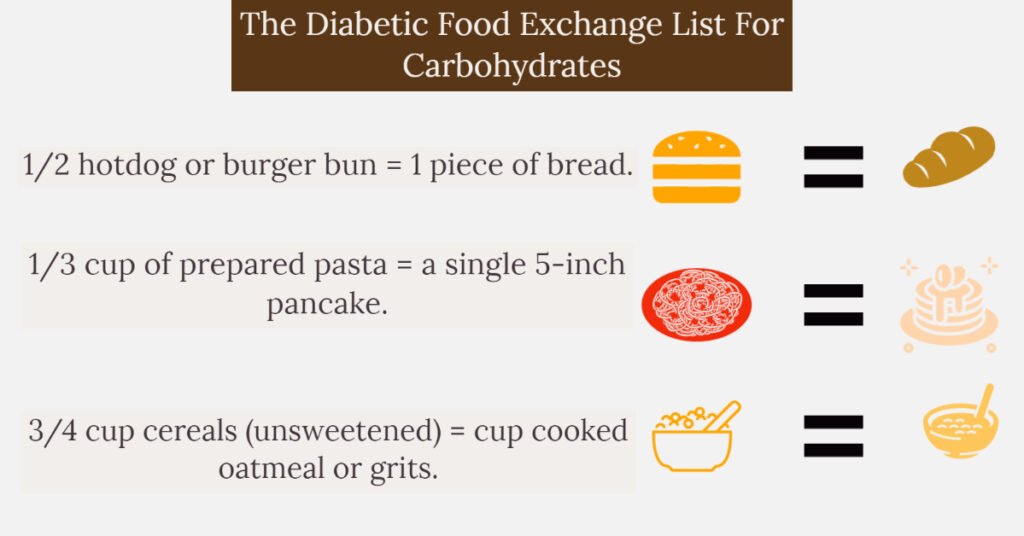
In the diabetic exchange system, foods are grouped into standard categories—such as fruits, dairy, starches, proteins, and fats—based on their nutritional content.
Each group has specific portion sizes, and every portion is counted as one “exchange.” This helps you understand exactly how much of each type of food you can include in your daily plan while keeping your calorie and carbohydrate intake balanced.
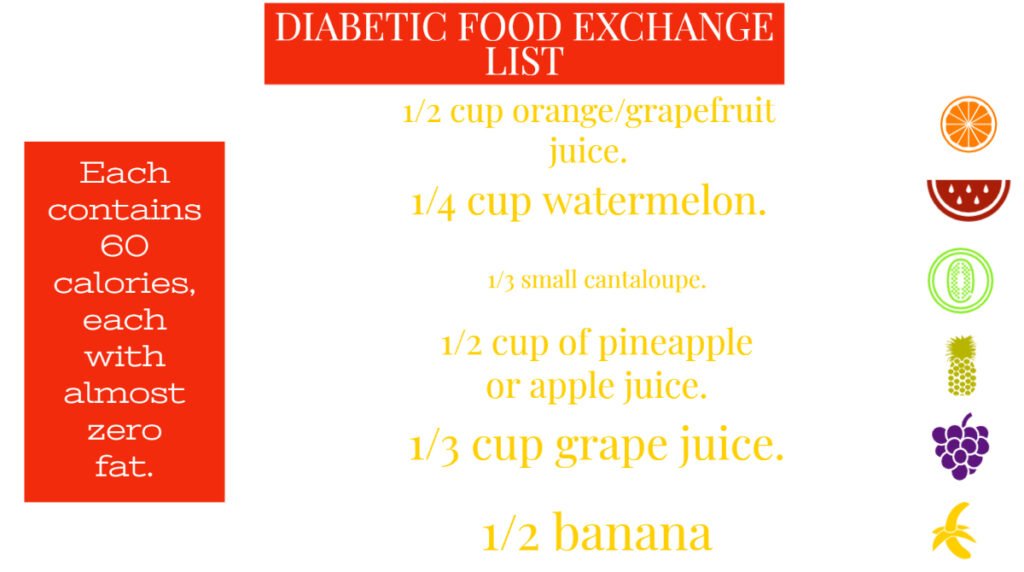
The real advantage of this system is flexibility. Foods within the same group can be swapped easily because they provide similar amounts of carbohydrates, protein, and calories. For example, you can replace one fruit with another without significantly affecting your blood sugar—as long as you stick to the same portion size.
This is especially helpful when choosing between higher-sugar options, like those discussed in worst fruits for diabetics, so you can make smarter substitutions without feeling restricted.
👉 In simple terms, the exchange system allows you to switch foods while maintaining nutritional balance, making meal planning much easier and more sustainable.
12 Foods You Can Eat Freely with Diabetes (And Still Stay on Track)
One of the biggest advantages of the diabetic exchange diet is that it allows you to enjoy a wide variety of foods—without fear or guilt. These foods fit well within the system because they provide predictable amounts of carbohydrates, protein, and fat, making blood sugar easier to manage.
As a nutritionist, I always emphasize this:
👉 It’s not about avoiding foods—it’s about choosing the right portions and combinations.
Oatmeal (½ cup cooked = 1 starch exchange)
Rich in soluble fiber, oatmeal helps slow glucose absorption and supports heart health.
Apples (1 small = 1 fruit exchange)
Low on the glycemic index and high in fiber, apples are a convenient, blood-sugar-friendly snack.
Non-Starchy Vegetables (½ cup cooked or 1 cup raw = very low impact)
Think spinach, broccoli, and zucchini. These are high in nutrients and fiber, and can be enjoyed in generous portions.
👉 For a deeper understanding, see vegetables for diabetics to avoid.
Greek Yogurt (¾ cup plain non-fat = 1 milk exchange)
High in protein and probiotics. Choose unsweetened options to avoid hidden sugars.
Hard-Boiled Eggs (1 egg = 1 medium-fat meat exchange)
A stable protein source that helps keep you full and supports blood sugar control.
Quinoa (⅓ cup cooked = 1 starch exchange)
A complete plant protein with a steady impact on blood sugar and added minerals.
Carrots (1 cup raw = very low impact)
Naturally sweet and crunchy, carrots are nutrient-dense and can fit well when eaten in moderation.
Hummus (2 tbsp = 1 fat exchange)
A fiber-rich, heart-healthy option made from chickpeas—great with vegetables or whole grains.
Cottage Cheese (¼ cup low-fat = 1 lean meat exchange)
Low in carbohydrates and high in protein, making it a good option for stable energy levels.
Sweet Potatoes (½ cup mashed = 1 starch exchange)
Naturally sweet and rich in fiber and vitamin A—but portion control is key.
Almonds (6 whole = 1 fat exchange)
Contain healthy fats and magnesium, which may support insulin sensitivity.
Berries (¾ cup = 1 fruit exchange)
Lower in sugar compared to many fruits and rich in antioxidants, making them a great option for diabetics.
Some readers managing blood sugar also ask about berberine. It has modest research behind it for lowering fasting glucose, but it can interact with diabetes medicines and is not a replacement for anything your doctor prescribes, so talk to your doctor before trying a berberine supplement. Disclosure: this post contains affiliate links. If you buy through them I may earn a small commission at no extra cost to you. See my affiliate disclosure for details.
👉 Why this matters: Choosing the right foods and portions helps prevent sudden spikes in blood sugar. If you want to understand what happens when sugar intake gets too high, see what happens when you eat a lot of sugar with diabetes
Bottom line: The exchange system isn’t about restriction—it’s about giving you the flexibility to enjoy a variety of foods while keeping your blood sugar stable.
| Food | Exchange Group | Standard Portion Size | Benefits |
|---|---|---|---|
| Oatmeal | Starch | ½ cup cooked | High in soluble fiber, supports heart health |
| Apples | Fruit | 1 small | Low glycemic index, high in fiber |
| Non-Starchy Vegetables | Free Food | ½ cup cooked or 1 cup raw | High in fiber and nutrients, very low in carbs |
| Greek Yogurt | Milk | ¾ cup plain non-fat | High in protein and probiotics |
| Hard-Boiled Eggs | Medium-Fat Meat | 1 egg | Stable protein source, keeps you full longer |
| Quinoa | Starch | ⅓ cup cooked | Complete plant protein, rich in minerals |
| Carrots | Free Food | 1 cup raw | Crunchy, sweet, and nutrient-dense |
| Hummus | Fat | 2 tbsp | Rich in fiber and heart-healthy fats |
| Cottage Cheese | Lean Meat | ¼ cup low-fat | Low-carb and protein-rich |
| Sweet Potatoes | Starch | ½ cup mashed | Rich in fiber and vitamin A |
| Almonds | Fat | 6 whole | Healthy fats improve insulin sensitivity |
| Berries | Fruit | ¾ cup | Healthy fats, improve insulin sensitivity |
Portion Control vs. Food Freedom: Finding the Balance
One of the biggest misconceptions about diabetes is that it means giving up the foods you enjoy. In reality, the diabetic exchange method is designed to give you both structure and flexibility—so you can manage your blood sugar without feeling restricted.
You don’t need to eliminate foods—you need to learn how to balance them.
Why Portion Control Still Matters
Even though foods are “exchangeable,” that doesn’t mean unlimited portions.
For example, while an apple and a slice of bread may both count as one carbohydrate exchange, eating multiple servings at once can still lead to a significant rise in blood sugar.
Portion control helps:
- Keep glucose levels stable
- Prevent sudden spikes
- Support weight management
The Psychology of Food Freedom
When you feel restricted, cravings tend to increase. But when you allow flexibility within a structured system, eating becomes more sustainable.
The exchange system gives you the freedom to choose foods you enjoy—whether it’s fruit, bread, or even something sweet—without feeling like you’re breaking the rules.
For example, instead of avoiding fruit altogether, you can learn how to include options like mango safely, as explained here in the article can diabetics eat mango.
The Balance Formula
Think of the exchange system as a budget, not a restriction.
You’re given a certain number of carbohydrate, protein, and fat exchanges per meal. Within that structure, you can mix and match foods based on your preferences—as long as you stay within your portions.
This creates:
- Flexibility in food choices
- Consistency in blood sugar control
- A more realistic long-term approach
Pro Tip: The 90/10 Rule
Aim to follow your plan about 90% of the time, while allowing some flexibility for social events or occasional treats.
This approach helps you stay consistent without feeling deprived—which is key for long-term success.
If you’re looking for practical ways to apply this in real life (even when eating out), check out:
👉 fast food breakfast for diabetics
Bottom line:
Managing diabetes isn’t about strict rules—it’s about finding a balance that works for your lifestyle. The exchange system gives you the structure you need, along with the freedom to enjoy your food without guilt.
Diabetic Exchange Food Swapper
Common Mistakes to Avoid with the Exchange Diet
The diabetic exchange diet is simple and flexible—but like any system, it can be misused if you’re not careful.
I’ve seen that most challenges don’t come from the diet itself—but from how it’s applied in real life. Avoiding these common mistakes can make a big difference in your results.
Guessing Instead of Measuring
Eyeballing portion sizes is one of the most common mistakes. A “cup of rice” or “serving of pasta” can vary more than you think depending on the plate or spoon.
👉 Using measuring cups or a food scale—especially in the beginning—helps you stay accurate until you build a better sense of portions.
Overloading “Free” Foods
Non-starchy vegetables are often considered very low impact, but they’re not completely unlimited—especially when combined with added fats like dressings, oils, or butter.
👉 A healthy salad can quickly turn into a high-calorie meal if you’re not mindful of what’s added on top.
Neglecting Protein and Healthy Fats
Focusing only on carbohydrates is a common mistake. Protein and healthy fats play a key role in:
- Keeping you full
- Stabilizing blood sugar
- Supporting overall metabolism
👉 A balanced meal always includes all three: carbs, protein, and fat.
Skipping Meals or Exchanges
Trying to “cut calories” by skipping meals or exchanges often backfires. It can lead to:
- Blood sugar drops
- Increased cravings
- Overeating later in the day
👉 Consistency is more effective than restriction when it comes to blood sugar control.
Not Adjusting for Activity Level
Your activity level directly affects how your body uses glucose. On more active days, you may need slightly more carbohydrates or a different balance of exchanges.
👉 Pay attention to how your body responds and adjust accordingly.
Misunderstanding Food Substitutions
Not all swaps are equal—even if they fall into the same category.
For example, replacing a starch (like bread) with a fruit (like a banana) changes:
- Fiber content
- Glycemic impact
- Satiety
👉 Understanding these differences helps you make smarter substitutions.
Putting it into practice
If you find it difficult to stay consistent, structured approaches like Nutrisystem for diabetics can help simplify portion control.
And if you’re experimenting with meal timing, this guide on intermittent fasting for diabetics explains how to do it safely without disrupting your blood sugar.
Avoiding these common mistakes allows you to get the full benefit of the exchange system—keeping your blood sugar stable while still enjoying flexibility in your meals.
Tips to Build a Sustainable Diabetic-Friendly Meal Plan
Creating a meal plan that works for you—both nutritionally and emotionally—is the key to long-term success with the Diabetic Exchange Method. Here’s how to build one that doesn’t just work, but lasts.
1. Start with Your Daily Exchange Budget
Most diabetic meal plans recommend around 3–5 carbohydrate exchanges per meal, depending on your energy needs, plus balanced amounts of protein and fat exchanges. Work with a dietitian to personalize your total exchange count, then break it into meals and snacks.
2. Use the Plate Method as a Visual Cue
Divide your plate visually:
- ½ plate non-starchy vegetables (free foods)
- ¼ plate lean protein
- ¼ plate of healthy starch
This simple method ensures your meals stay balanced and blood-sugar friendly—even when you’re not tracking exchanges precisely.
3. Plan Meals Around Whole Foods
Build meals using single-ingredient foods—like chicken breast, quinoa, spinach, or berries. These foods are easier to track in the exchange system and offer better nutrient density than processed alternatives.
4. Batch Cook & Pre-Portion
Cook staples like brown rice, grilled chicken, or roasted veggies in bulk. Then portion them into containers based on exchange counts. This makes weekday meals fast, easy, and accurate.
5. Always Include Protein + Fiber
Combining lean protein with fiber-rich carbs (like beans or whole grains) helps prevent blood sugar spikes and increases satiety, making your meals more satisfying and sustainable.
6. Use a Food & Glucose Log
Track what you eat and how your blood sugar responds. Over time, patterns will emerge that help you fine-tune your food choices based on your body’s actual responses.
7. Plan for Flexibility
Leave a little room for spontaneity. Whether it’s dinner out or a family gathering, the exchange system allows for easy swaps—just stick to your daily budget.
Frequently Asked Questions
Can I follow the Diabetic Exchange Diet if I’m vegetarian or vegan?
Yes. The exchange system is fully adaptable to plant-based diets. You can use plant proteins like tofu, legumes, and soy milk to fulfill meat and dairy substitutes. Just ensure you’re getting enough protein and watch for hidden carbs in meat alternatives.
Do I need to count calories on the Diabetic Exchange Diet?
No. The exchange system is designed to replace calorie counting. Each exchange already reflects a set amount of calories, carbs, protein, or fat. If you stick to your personalized exchange plan, calorie control happens automatically.
How many times a day should I eat when using this method?
Most plans divide exchanges across 3 main meals and 1–2 snacks. Eating every 3–5 hours helps keep blood sugar stable. The number of total exchanges and meals depends on your activity level and medical needs.
Can I eat sweets or desserts on the exchange system?
Yes, in moderation. You can “spend” a carbohydrate or fat exchange on desserts, like ½ cup of ice cream or a small cookie. Just be sure it fits into your daily plan and isn’t stacked on top of your usual exchanges.
Is the Diabetic Exchange Diet only for people with diabetes?
No. While it’s designed for blood sugar management, the method works well for anyone seeking better portion control, weight loss, or a structured, balanced diet. It’s often used by people with prediabetes or insulin resistance as well.
Conclusion
The Diabetic Exchange Diet isn’t about restriction—it’s about smarter choices, better control, and real freedom with food. Whether you’re managing diabetes, prediabetes, or just aiming to stabilize your energy and weight, this approach helps you eat with confidence, not confusion. By understanding your exchanges and building meals around balance, you can enjoy the foods you love while keeping your blood sugar steady. It’s simple, flexible, and designed for real life. Ready to take control of your health? Start using the Diabetic Exchange Diet today—and make your next meal a step toward better living.
