
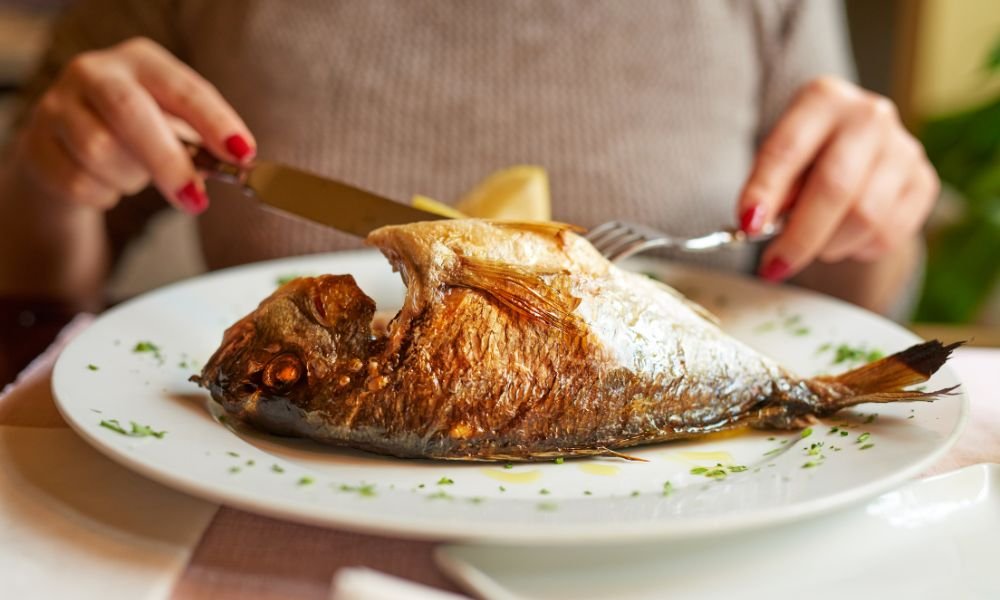
If you’ve ever tried to lose weight or stabilize your energy but felt overwhelmed by different diets, the pescatarian keto diet might finally feel like something that makes sense. It takes the low-carb structure of a traditional keto diet and blends it with the heart-healthy benefits of fatty fish, olive oil, leafy greens, and plant-based foods—without relying heavily on red meat or other land animals. For many women and men dealing with insulin resistance, chronic inflammation, or fluctuating blood sugar levels, this eating plan becomes a great way to enter ketosis while still getting essential nutrients and healthy fats.
With seafood as the primary protein source, you get omega-3 fatty acids like docosahexaenoic acid that support overall health, cholesterol levels, and heart disease prevention. Meanwhile, low-carb fruits, cruciferous vegetables, coconut oil, and plenty of water help keep net carbs low while preventing nutritional deficiencies on Pescatarian diet. Think simple pescatarian keto meals like golden brown keto fish, zucchini noodles with lemon juice and black pepper, or coconut milk bowls—all easy to meal prep and naturally lower in daily calories.
In this guide, you’ll get a practical pescatarian keto meal plan, a list of healthy foods, tips for avoiding too much mercury, and science-backed insights to help you follow a pescatarian ketogenic diet safely and effectively.
Contents
- 1 What Makes the Pescatarian Keto Diet Different From Traditional Keto (And Why It Feels Easier)
- 2 How to Balance Healthy Fats and Low Carbs When Fish Is Your Primary Protein Source
- 3 Avoiding Mercury and Nutrient Gaps: A Safe Approach to High Seafood Consumption
- 4 How the Pescatarian Keto Diet Supports Hormones, Energy Levels, and Metabolism
- 5 Practical Food Lists and Meal Planning Tips for Real Life (Not Just Theory)
- 6 Unexpected Benefits Most People Don’t Talk About: Gut Health, Inflammation Control, and Mental Clarity
- 7 7 Day Pescatarian Keto Diet Meal Plan
- 8 GROCERY LIST (Simple & Practical)
- 9 Conclusion
What Makes the Pescatarian Keto Diet Different From Traditional Keto (And Why It Feels Easier)
Most people try the traditional keto diet and quit within a few weeks—not because keto doesn’t work, but because eating so much red meat, butter, and heavy meals can feel restrictive and hard on digestion. The pescatarian keto diet changes that experience completely. Instead of relying on land animals as the primary source of protein, this approach uses fatty fish, seafood, olive oil, and plant-based foods to reach a low-carb, high-fat balance that feels lighter and more sustainable day to day.
Fish naturally contains omega-3 fatty acids, including docosahexaenoic acid, which supports heart health, helps fight chronic inflammation, and may improve insulin resistance—benefits many people don’t experience as strongly on traditional keto. Because seafood tends to be easier to digest and lower in saturated fat, people often report more stable energy levels and fewer digestive struggles.
Another reason it feels easier? The pescatarian keto diet allows a wider range of flavors and textures: zucchini noodles, leafy greens, cruciferous vegetables, coconut milk curries, lemon juice seafood bowls, and fresh produce that keeps your meals interesting. Many find it simpler to stay in a state of ketosis without feeling deprived because fish and seafood are naturally low in net carbs and high in quality protein.
In short, pescatarian keto provides the metabolic benefits of a low-carb diet while offering a more flexible, heart-friendly, and enjoyable eating plan—making it a great idea for anyone who wants the results of keto with fewer heavy meals and a more diverse list of healthy foods.
How to Balance Healthy Fats and Low Carbs When Fish Is Your Primary Protein Source
When you switch to a pescatarian keto diet, the biggest surprise is how differently fish behaves compared to red meat. Most seafood is naturally lean, which means you must add healthy fats to stay in ketosis without increasing carb intake.
Lean Fish Needs Extra Fat
Many keto fish—like shrimp, cod, or white fish—contain very little fat. Research shows ketosis requires 60–75% of daily calories from fat, so if your plate feels “light,” it probably is.
Great additions include olive oil, avocado, coconut milk, pine nuts, tahini, butter, or full-fat dairy. These boost energy, help control blood sugar, and make pescatarian meals more satisfying.
Fatty Fish Needs Balance, Not More Fat
Salmon, sardines, and mackerel naturally provide omega-3 fatty acids like docosahexaenoic acid (DHA), which support heart health and reduce chronic inflammation. On these days, you can add fewer fats. On lean-protein days, you need more. This prevents hunger, keto flu, nutrient gaps, and slipping out of ketosis.
Pair Veggies With Fats for Better Absorption
Leafy greens, cruciferous vegetables, zucchini noodles, and other plant-based foods supply essential nutrients, but many vitamins need fat to be absorbed. Pair veggies with olive oil, lemon juice, parmesan cheese, coconut oil, or black pepper to boost absorption and flavor.
Stay Low-Carb Without Feeling Restricted
To maintain ketosis—usually under 20–50 net carbs per day—focus on:
- Non-starchy vegetables
- Low-carb fruits
- High-fat seafood meals
- Coconut milk recipes
- Plenty of water and electrolytes
This keeps blood sugar stable, supports healthy weight loss, and makes the pescatarian ketogenic diet feel doable long-term.
Avoiding Mercury and Nutrient Gaps: A Safe Approach to High Seafood Consumption
If you’re following a pescatarian keto diet, it’s normal to worry about mercury or missing nutrients you’d normally get from land animals. The truth is: you can safely eat seafood as your primary protein source—as long as you choose the right fish and keep your meals balanced.
Choose Low-Mercury Fish Most of the Time
Mercury becomes an issue only when you rely heavily on high-mercury species. Most keto fish are naturally low in mercury and rich in DHA and EPA, which support heart health and stable blood sugar levels.
Best low-mercury picks:
Salmon, sardines, trout, anchovies, Atlantic mackerel.
Rotate occasionally:
Light tuna, halibut, snapper.
Limit:
King mackerel, swordfish, shark.
By mixing different pescatarian meals each week, you avoid “much mercury” buildup and get a wider range of essential nutrients.
Fill the Nutrient Gaps That Come With Eating Mostly Seafood
Relying on fish as your primary protein source can leave you short on iron, vitamin B12, zinc, and vitamin D—unless you plan ahead.
Easy food-based fixes:
- Mussels, clams, and leafy greens with lemon juice for iron
- Salmon and fortified dairy for vitamin B12
- Crab and pine nuts for zinc
- Fatty fish and eggs (if included) for vitamin D
A mix of leafy greens, cruciferous vegetables, low-carb fruits, plant-based foods, and healthy fats like olive oil or coconut oil helps prevent nutritional deficiencies while supporting ketosis.
A Simple Weekly Formula for Safe Seafood Intake
Most nutrition research points to an easy guideline:
- 2–3 servings of fatty fish
- 2–3 servings of lean fish or shellfish
- Plenty of vegetables and fresh produce
- Avoiding high-mercury predators
This keeps you in a metabolic state of ketosis while protecting heart health, supporting energy levels, and reducing chronic inflammation.
How the Pescatarian Keto Diet Supports Hormones, Energy Levels, and Metabolism
Starting a pescatarian keto diet can feel surprisingly supportive for your hormones, energy levels, and overall metabolism—especially if you’ve struggled with traditional low-carb or vegetarian diet approaches in the past. Because this eating style reduces meat consumption and relies more on the consumption of fish, you get a cleaner, steady source of protein and healthy fats without the heaviness of other types of meat or animal products.
Balanced Hormones Through Cleaner Fats
Seafood naturally contains omega-3s and a high fat content that support hormone production far better than many plant-based diet alternatives. When paired with full-fat dairy products, avocado, or olive oil, your body can use these fats to maintain stable energy and reduce inflammation—something a typical vegan diet or high-grain plan can’t always achieve.
Stable Energy From Fat + Protein
Because fish provides much protein without the digestive burden of red meat, many people report fewer energy crashes and easier digestion. Adding high-fat meals, simple seafood recipes, or even a flexible 7-day meal plan helps you stay full on fewer calories while still protecting muscle mass. These small shifts support metabolic function and may help lower risks tied to high blood pressure.
Metabolism Benefits Without Feeling Restricted
The beauty of a keto pescatarian diet is how many food options you keep. Even without whole grains, a smart food list filled with leafy vegetables, low-carb produce, and high-fat seafood creates a lineup of surprisingly healthy meals. A squeeze of lemon zest, fresh herbs, or full-fat sauces is a great addition to keep things interesting.
For those who care about animal welfare or want a good idea for a sustainable new diet, reducing reliance on land-based animal products makes this approach even more appealing. You still get the essential vitamins and metabolic boost of keto—just without the heaviness of a meat-centric high-fat diet.
Practical Food Lists and Meal Planning Tips for Real Life (Not Just Theory)
Most people love the idea of a pescatarian keto diet—until it’s time to build a grocery list or plan real meals. So let’s make this simple, practical, and something you can use today, whether you’re shopping, meal-prepping, or adjusting your weekly pescatarian meal plan around work and family.
Your Real-Life Keto Pescatarian Food List
You don’t need fancy ingredients. You just need reliable staples that make healthy meals easy:
Proteins (primary drivers of your eating plan)
• Fatty fish like salmon, sardines, and mackerel
• Lean fish with added fats (cod, shrimp, tilapia)
• Eggs and full-fat dairy products if tolerated
Healthy fats to keep ketosis stable
• Olive oil, avocado oil, coconut oil
• Pine nuts or walnuts for crunch
• Sauces flavored with herbs and lemon zest
Low-carb vegetables and plant-based diet essentials
• Leafy greens, cruciferous vegetables, zucchini noodles
• Keto-friendly produce that keeps you in a low-carb range without feeling restricted
These food options help you build a satisfying day without relying on whole grains, starchy vegetables, or heavy animal products.
How to Meal Plan Without Overthinking It
A practical pescatarian keto approach works best when meals repeat just enough to reduce stress. Think in simple templates instead of strict rules:
• One high-fat seafood recipe per day
• One large plate of low-carb vegetables with added oils
• One flexible meal you can adapt with leftover fish, salads, or quick high-fat meals
It doesn’t matter whether you follow a themed meal plan or a 7-day meal plan—the goal is something sustainable that supports your metabolism, keeps muscle mass steady, and avoids the nutritional pitfalls of other types of meat or traditional keto.
Real-Life Tip: Build Meals Around Fish, Add Fat, Then Fill the Plate
This pattern keeps carbs low, energy stable, and hunger under control. And because seafood is lighter and easier to digest than land-based animal products, you’re more likely to stick with this new diet long-term.
Unexpected Benefits Most People Don’t Talk About: Gut Health, Inflammation Control, and Mental Clarity
Most people start a pescatarian keto diet for weight loss or better energy—but what surprises them most are the quiet, behind-the-scenes benefits no one really talks about. When you combine low-carb eating with the consumption of fish, anti-inflammatory fats, and nutrient-dense plant-based foods, the body responds in ways you can actually feel within days.
Gut Health Feels More Stable Than on Traditional Keto
Many new keto dieters struggle with digestion because of the heavy meat consumption and lack of fiber. But the pescatarian version naturally includes more leafy greens, low-carb vegetables, and seafood recipes that are easier to digest.
You may notice:
• Less bloating
• More regular digestion
• Reduced discomfort after meals
This happens because omega-3 fatty acids in fish support gut lining integrity and healthy microbial balance—something peer-reviewed studies repeatedly highlight.
Inflammation Often Drops Faster Thanks to Omega-3s
Chronic inflammation is a hidden roadblock for people dealing with fatigue, joint aches, and metabolic issues. The high fat content in fatty fish (especially DHA and EPA) helps calm inflammatory pathways more effectively than fats from other animal products or many types of meat.
This means you may experience:
• Clearer skin
• Less joint stiffness
• More even energy throughout the day
It’s one reason many people find this feels easier than traditional high-fat diets that rely heavily on red meat.
Mental Clarity Improves as Your Brain Gets the Right Fats
Your brain loves ketones—but it also loves omega-3 fatty acids. Together, they support neurotransmitter function and overall cognitive performance.
Many people report:
• Better focus
• Fewer energy crashes
• A calmer, more stable mood
This combination is especially helpful if your previous eating habits caused swings in blood sugar or high blood pressure.
7 Day Pescatarian Keto Diet Meal Plan
(Portions can be increased if you need more calories.)
DAY 1 — ~1,300 kcal
Breakfast:
• 2 scrambled eggs cooked in olive oil
• Half avocado
• Black coffee or tea
Lunch:
• Salmon salad (4–5 oz grilled salmon + leafy greens + olive oil + lemon juice + cucumbers)
Snack:
• 10–12 macadamia nuts
Dinner:
• Zucchini noodles tossed with pesto + 4 oz sautéed shrimp
• Side of sautéed spinach with garlic
DAY 2 — ~1,250 kcal
Breakfast:
• Greek yogurt (full-fat, ½ cup) + chia seeds + a few raspberries (5–6 max)
Lunch:
• Tuna salad lettuce wraps (tuna + mayo + celery + lemon zest)
Snack:
• 1 string cheese or 2 tbsp pine nuts
Dinner:
• Baked cod with butter + broccoli roasted in olive oil
DAY 3 — ~1,450 kcal
Breakfast:
• Veggie omelette (eggs + spinach + mushrooms) cooked in butter
Lunch:
• Sardine salad bowl (leafy greens + sardines + olives + olive oil dressing)
Snack:
• Half avocado with salt + black pepper
Dinner:
• Pan-seared salmon with lemon + asparagus roasted in coconut oil
DAY 4 — ~1,300 kcal
Breakfast:
• Keto chia pudding (coconut milk + chia seeds + cinnamon)
Lunch:
• Shrimp stir-fry (shrimp + zucchini + bell pepper slices) cooked in avocado oil
Snack:
• ¼ cup walnuts
Dinner:
• Grilled trout + cauliflower mash with butter
DAY 5 — ~1,350 kcal
Breakfast:
• 2 fried eggs + sautéed kale in olive oil
Lunch:
• “Keto sushi bowl”: cauliflower rice + smoked salmon + avocado + sesame seeds
Snack:
• 1 small handful of olives
Dinner:
• Mackerel fillet with lemon + roasted Brussels sprouts
DAY 6 — ~1,250 kcal
Breakfast:
• Cottage cheese (½ cup full-fat) + chia + cinnamon
Lunch:
• Egg salad with mayo on a bed of mixed greens
Snack:
• 1 tbsp almond butter
Dinner:
• Garlic butter shrimp + side salad with olive oil
DAY 7 — ~1,450 kcal
Breakfast:
• Keto smoothie: coconut milk + avocado + spinach + 1 scoop low-carb protein
Lunch:
• Grilled salmon patties with lemon + arugula salad
Snack:
• 2 boiled eggs
Dinner:
• Baked halibut + roasted zucchini + drizzle of olive oil
GROCERY LIST (Simple & Practical)
Proteins (Seafood + Eggs)
- Salmon (fresh or canned)
- Tuna (canned in water or oil)
- Sardines
- Shrimp
- Cod / Halibut
- Trout
- Mackerel
- Eggs
- Smoked salmon
Vegetables (Low-Carb)
- Spinach
- Cauliflower
- Zucchini
- Kale
- Broccoli
- Asparagus
- Mushrooms
- Lettuce + mixed greens
Healthy Fats
- Olive oil
- Avocado oil
- Coconut milk + coconut oil
- Butter or ghee
- Nuts: macadamia, walnuts, pine nuts
- Avocados
Flavor Boosters
- Lemon juice + zest
- Garlic
- Black pepper
- Tahini
- Pesto
- Sesame seeds
Conclusion
Choosing a pescatarian keto diet can feel like stepping into a completely new way of eating — but once you understand how to balance your fats, proteins, and low-carb vegetables, it becomes one of the most flexible and sustainable themed meal plans out there. Unlike rigid diets that rely heavily on red meat, this approach gives you the freedom to enjoy seafood, fresh produce, and healthy fats while supporting blood sugar balance, energy levels, and long-term metabolic health.
With the right planning, the pescatarian keto lifestyle delivers a range of health benefits — from better inflammation control to clearer thinking and improved heart health — all while helping you stay consistent without feeling deprived. And as you continue exploring the content of this website, you’ll find practical food lists, meal ideas, and step-by-step guidance to help you build meals you truly enjoy.
Whether you’re trying to lose weight, improve hormones, or simply adopt a cleaner eating pattern with fewer processed foods, this diet gives you structure and flexibility. Start small, stay curious, and let your plate evolve with your lifestyle — your healthiest version is completely within reach.
