
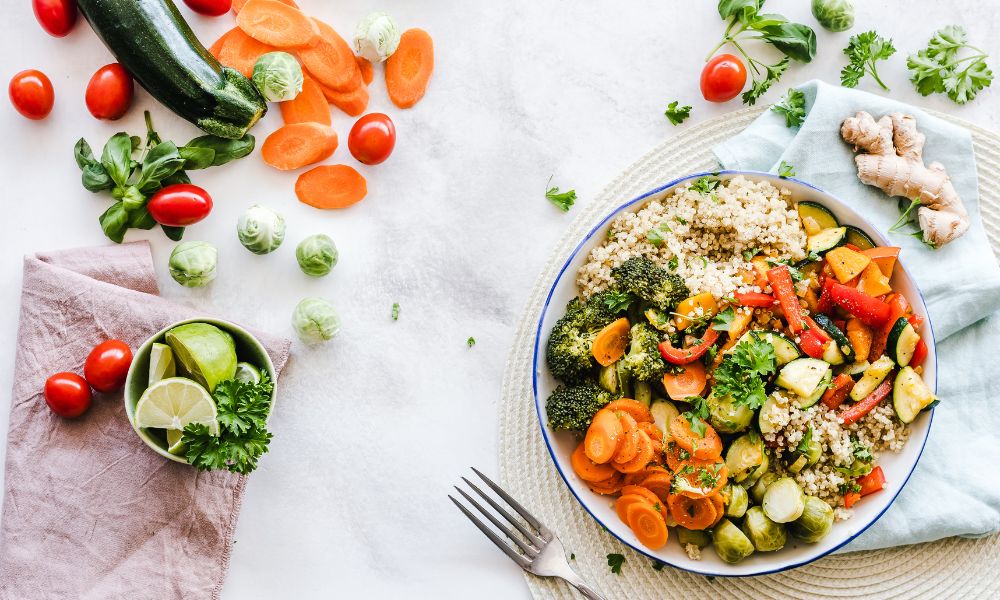
Food Is Not a Cure — But It Can Still Be a Powerful Support Tool
As a nutritionist, I have worked with many people trying to understand how food affects inflammation, energy, digestion, weight, and everyday comfort. But I want to be transparent from the beginning: I have not personally managed a diagnosed lipedema case in clinical practice.
That is exactly why I would not approach this topic with false confidence or dramatic promises.
Lipedema is a complex medical condition, and it deserves more than another restrictive “diet plan” that makes women feel blamed for symptoms they did not cause. My goal here is to explain how nutrition may support the body in a realistic way — especially around inflammation, fluid balance, blood sugar stability, and lymphatic health — while making it very clear that food does not cure lipedema.
Lipedema is a long-term condition involving abnormal fat buildup, most often in the lower body and sometimes the arms. It can cause pain, swelling, heaviness, easy bruising, and difficulty with daily activities. Cleveland Clinic notes that lipedema does not respond to diet and exercise like ordinary body fat, although treatment and lifestyle support may help people feel better.
So, this article is not about shrinking lipedema tissue through restriction.
It is about asking a more helpful question:
How can food choices support the body when inflammation, swelling, heaviness, and lymphatic stress are already part of the picture?
Lipedema vs. Lymphedema: Why the Difference Matters
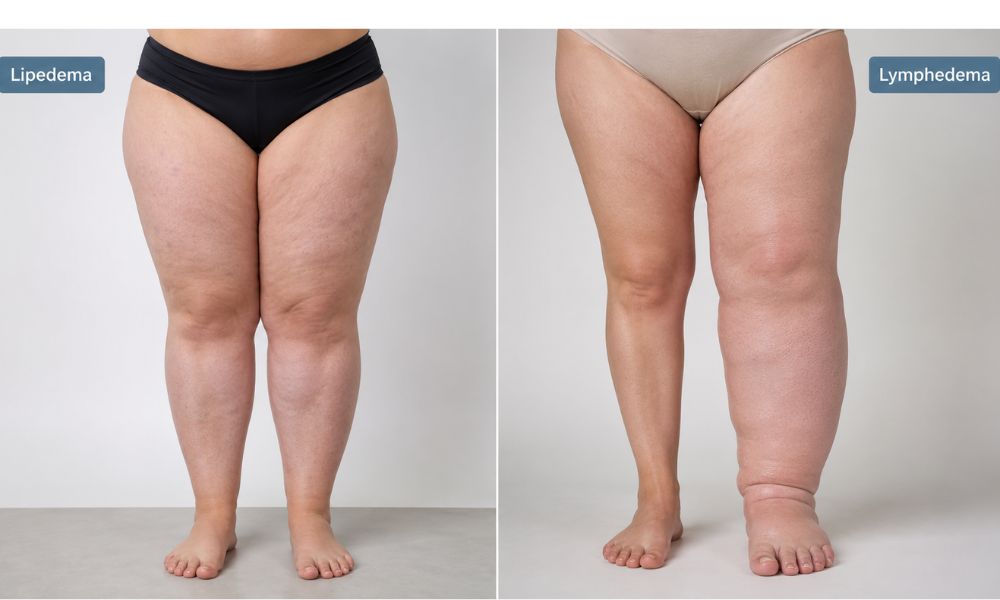
Before talking about food, it is important to separate two conditions that are often confused: lipedema and lymphedema.
Lipedema usually causes symmetrical fat buildup, most often in the legs, hips, buttocks, and sometimes arms. It often spares the hands and feet, especially earlier on. Cleveland Clinic explains that people sometimes confuse lipedema with obesity or lymphedema, but these are different conditions. Lipedema can, however, lead to secondary lymphedema in some cases.
Lymphedema, on the other hand, involves swelling caused by lymph fluid buildup. Mayo Clinic describes lymphedema as swelling that usually happens in an arm or leg when the lymph system is blocked or damaged.
This matters because nutrition can support overall health in both conditions, but neither condition should be self-diagnosed or managed by diet alone. If someone has new swelling, one-sided swelling, redness, pain, warmth, shortness of breath, sudden weight gain, or worsening symptoms, they should speak with a healthcare provider promptly.
What Does a Lipedema-Friendly Diet Actually Mean?
A lipedema-friendly diet is not a crash diet, detox, or extreme weight-loss plan.
A better way to think about it is:
An anti-inflammatory, blood-sugar-stable, nutrient-dense eating pattern that supports circulation, digestion, hydration, and overall metabolic health.
That may include:
- colorful vegetables and fruits;
- omega-3-rich foods;
- enough protein;
- high-fiber carbohydrates;
- healthy fats;
- low-sodium meal choices;
- fewer ultra-processed foods;
- steady hydration;
- meals that reduce blood sugar spikes.
Cleveland Clinic lists an anti-inflammatory diet, a heart-healthy diet, exercise, compression stockings, skin care, lymphatic drainage massage, and other treatments as possible parts of lipedema management. It also notes that dieting usually does not remove lipedema fat the way it may affect ordinary fat.
That distinction is essential.
The goal is not punishment. The goal is support.
The 3 Main Nutrition Goals for Lipedema Support
1. Support Inflammation Control
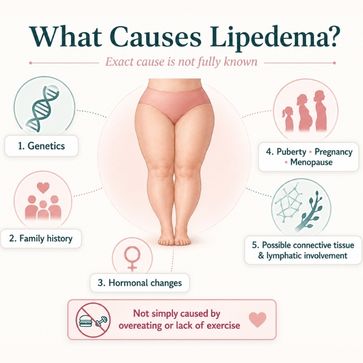
Lipedema is associated with pain, tenderness, swelling, and tissue changes. While diet cannot cure the condition, an anti-inflammatory eating pattern may support the body by reducing additional inflammatory stress from frequent blood sugar spikes, excess ultra-processed foods, and poor-quality fats.
This is where foods like fatty fish, olive oil, vegetables, berries, legumes, nuts, seeds, and green tea may fit well.
2. Support Fluid Balance
Many people with lipedema describe heaviness or swelling. Food choices that affect sodium intake, hydration, and overall circulation may influence how comfortable someone feels day to day.
High-sodium processed foods can contribute to fluid retention in some people. That does not mean salt is “bad” for everyone, but it does mean that packaged foods, fast food, canned soups, sauces, deli meats, and salty snacks are worth reviewing if swelling feels worse after eating them.
For a more personalized starting point, readers can use this hydration calculator based on body weight to estimate daily fluid needs.
3. Support Blood Sugar Stability
Blood sugar spikes and crashes can affect cravings, inflammation, fatigue, and energy levels.
A lipedema-friendly plate should avoid relying heavily on refined carbohydrates alone. Instead, meals should combine:
- protein;
- fiber-rich carbohydrates;
- healthy fats;
- colorful plants.
For example, oats with berries and ground flaxseed will usually support steadier energy than a sugary cereal eaten alone.
Best Anti-Inflammatory Foods for a Lipedema Diet
Omega-3-Rich Foods
Omega-3 fats are commonly discussed in anti-inflammatory eating because they are involved in inflammatory pathways in the body. For a lipedema-friendly diet, omega-3 foods may be a helpful part of an overall supportive eating pattern.
Good options include:
- salmon;
- sardines;
- mackerel;
- trout;
- walnuts;
- chia seeds;
- ground flaxseed.
A realistic goal could be eating fatty fish twice per week if tolerated and appropriate, or using plant sources like chia, flax, and walnuts more often.
Colorful Fruits and Vegetables
Antioxidant-rich plant foods help support general vascular and immune health. They also add fiber, water, potassium, and phytonutrients.
Helpful choices include:
- blueberries;
- strawberries;
- blackberries;
- oranges;
- leafy greens;
- red cabbage;
- bell peppers;
- tomatoes;
- broccoli;
- carrots.
A simple rule: aim to include at least two colors on your plate whenever possible.
High-Fiber Carbohydrates
Fiber supports digestion, gut health, blood sugar stability, and fullness. This matters because a very restrictive diet can backfire by increasing cravings and reducing food satisfaction.
Good fiber-rich options include:
- oats;
- lentils;
- chickpeas;
- beans;
- quinoa;
- berries;
- pears;
- apples with skin;
- vegetables;
- chia seeds;
- ground flaxseed.
If a reader struggles with constipation or low fiber intake, the article can internally link to your gut-health content, such as high-fiber foods for better gut health.
Healthy Fats
Healthy fats can make meals more satisfying and support a balanced anti-inflammatory eating pattern.
Good options include:
- extra virgin olive oil;
- avocado;
- nuts;
- seeds;
- fatty fish;
- tahini;
- natural nut butters.
The key is not to avoid fat completely. It is best to choose better-quality fats most of the time.
Enough Protein
Protein supports muscle maintenance, satiety, recovery, and balanced meals. This is especially important if someone is tempted to under-eat because of diet frustration.
Good options include:
- eggs;
- Greek yogurt;
- chicken;
- turkey;
- fish;
- tofu;
- lentils;
- beans;
- cottage cheese;
- tempeh.
For breakfast ideas, you can link to your article on high-protein low-carb breakfast bowls.
Foods to Limit on a Lipedema-Friendly Diet
Ultra-Processed Foods
Ultra-processed foods are often high in refined starches, added sugars, sodium, and low-quality fats. They may not cause lipedema, but they can make it harder to manage inflammation, maintain stable energy, and support fluid balance.
Examples include:
- Packaged pastries
- Sugary cereals
- Chips
- Fast food
- Sweetened drinks
- Processed snack cakes
- Instant noodles
- Heavily processed frozen meals
Added Sugars and Refined Carbohydrates
Frequent high-sugar meals may contribute to blood sugar spikes, cravings, and low energy.
This does not mean someone can never eat dessert. It means the daily foundation should not depend on sugar-heavy foods.
Better swaps include:
- oats with berries instead of sugary cereal;
- Greek yogurt with fruit instead of sweetened pudding;
- dark chocolate with nuts instead of candy bars;
- fruit with nut butter instead of cookies.
For readers trying to gradually reduce sugar, link to your 5-day sugar cleanse.
High-Sodium Packaged Foods
Sodium can contribute to water retention in some people, especially when intake is consistently high from processed foods. Common sources include:
- canned soups;
- deli meats;
- chips;
- frozen pizza;
- salty sauces;
- fast food;
- instant meals;
- packaged seasoning mixes.
Practical swaps:
- Choose low-sodium broth
- Rinse canned beans
- Use lemon, vinegar, garlic, herbs, and spices
- Cook simple meals at home when possible
Fried and Trans-Fat-Rich Foods
Fried foods and trans fats can work against an anti-inflammatory eating pattern. Limit:
- Deep-fried fast food;
- Shortening-based pastries;
- Packaged fried snacks;
- Hydrogenated oils were listed.
Choose baked, grilled, roasted, or air-fried options more often.
Lipedema Diet Food Swaps
Flip each card to see a gentler, more anti-inflammatory food choice.
White Bread
Refined starches may spike blood sugar and leave you less satisfied.
Oats or Whole Grains
Try oats, quinoa, or whole-grain bread for more fiber and steadier energy.
Sugary Cereal
High-sugar breakfasts can trigger cravings and energy crashes.
Greek Yogurt + Berries
A protein-rich option with antioxidants, fiber, and better fullness.
Processed Meats
Deli meats, sausages, and hot dogs are often high in sodium and additives.
Salmon or Chicken
Choose lean protein or omega-3-rich fish to support an anti-inflammatory plate.
Fried Foods
Deep-fried foods may add inflammatory fats and excess calories.
Baked or Roasted Foods
Roast vegetables, fish, or chicken with olive oil, garlic, herbs, and lemon.
Salty Snacks
Chips and packaged snacks can increase sodium intake and fluid retention.
Nuts + Fruit
Try unsalted walnuts, almonds, apple slices, or berries for a balanced snack.
Sweetened Drinks
Soda, sweet tea, and sugary juices can add a lot of sugar quickly.
Water With Lemon
Try water with cucumber, lemon, mint, or berries for gentle hydration support.
A Realistic 1-Day Lipedema-Friendly Meal Plan
This sample day is not a prescription. It is a practical example of how anti-inflammatory eating can look without becoming extreme.
Breakfast
Steel-cut oats topped with blueberries, ground flaxseed, cinnamon, and a spoon of Greek yogurt.
Why it works:
Fiber, antioxidants, protein, and slow-digesting carbohydrates.
Lunch
Salmon salad bowl with leafy greens, cucumber, avocado, quinoa, lemon, and extra virgin olive oil.
Why it works:
Omega-3 fats, fiber, potassium-rich vegetables, and healthy fats.
Snack
Apple slices with almond butter or walnuts with a small piece of dark chocolate.
Why it works:
Balanced snack with fiber, fat, and satisfaction.
Dinner
Baked chicken or lentils with roasted broccoli, zucchini, carrots, and a small serving of brown rice or quinoa.
Why it works:
Protein, fiber, antioxidants, and a balanced plate structure.
Hydration
Water throughout the day, with lemon, cucumber, or mint if that makes drinking easier.
Meal Prep Tips That Make This Easier
A lipedema-friendly diet should not require starting from zero every day.
Try these simple habits:
Batch-Cook One Grain
Cook quinoa, brown rice, or oats ahead for several days.
Prepare Vegetables Early
Wash and chop greens, cucumbers, peppers, or carrots after shopping.
Keep Protein Ready
Prepare boiled eggs, grilled chicken, cooked lentils, tuna, or Greek yogurt.
Make Snacks Easy
Pre-portion nuts, fruit, or yogurt so quick choices are still supportive.
Keep Low-Sodium Flavor Options Ready
Use herbs, lemon juice, vinegar, garlic, ginger, paprika, cumin, turmeric, and black pepper.
Common Lipedema Diet Mistakes to Avoid
Mistake 1: Treating Lipedema Like Ordinary Weight Gain
This is one of the most harmful mindset traps.
Cleveland Clinic notes that lipedema fat does not respond to diet and exercise like ordinary fat, and people may lose weight in the upper body without seeing the same change in lipedema-affected areas.
That means someone should not interpret a lack of leg-size change as a personal failure.
Mistake 2: Extreme Calorie Restriction
Very low-calorie dieting may reduce energy, increase cravings, reduce muscle mass, and make eating feel like punishment. It also does not address the reality that lipedema tissue behaves differently from ordinary fat.
The better goal is nourishment, consistency, and symptom-supportive eating.
Mistake 3: Ignoring Protein
Under-eating protein can make meals less satisfying and may affect muscle maintenance. Muscle movement supports circulation and mobility, so eating enough protein matters as part of a full care approach.
Mistake 4: Focusing Only on the Scale
The scale may not reflect symptom changes, such as:
- less heaviness;
- better energy;
- improved digestion;
- fewer cravings;
- better hydration habits;
- improved meal consistency.
If readers want a broader view of health metrics, you can link to your All-in-One Body Calculator, while reminding them not to tie self-worth to a number.
Mistake 5: Trying Supplements Without Medical Guidance
Some supplements may interact with medications or health conditions. Anyone considering supplements for inflammation, swelling, or circulation should speak with a healthcare provider first.
Lifestyle Habits That Support the Diet
Food is one part of the picture. Other supportive habits may include:
- low-impact movement, if approved by a healthcare provider;
- swimming or water exercise;
- walking within comfort level;
- compression garments if prescribed;
- lymphatic drainage therapy from a qualified professional;
- stress management;
- good sleep;
- skin care.
Cleveland Clinic lists movement such as swimming, biking, and walking, compression stockings, skin moisturizer, lymphatic drainage massage, and other treatments as possible lipedema management tools.
Stress may also affect eating patterns, inflammation, sleep, and symptom perception. Readers can start with your stress level quiz if they want a simple self-check.
When to Speak With a Healthcare Provider
This article is educational and does not replace medical advice.
Someone should speak with a healthcare provider, vascular specialist, lymphedema therapist, or registered dietitian if they have:
- painful swelling;
- easy bruising with leg heaviness;
- swelling that worsens;
- one-sided swelling;
- redness, warmth, or sudden pain;
- shortness of breath;
- sudden weight gain from fluid;
- suspected infection;
- difficulty walking;
- symptoms that affect daily life.
Cleveland Clinic notes that providers diagnose lipedema through physical exam and medical history, and may use tests to rule out other issues or identify related conditions.
Reliable external resources for readers include:
Your Next Steps
Start small. A supportive lipedema diet does not need to begin with a full lifestyle overhaul.
Try this simple plan:
- Add one omega-3-rich food this week.
- Replace one high-sodium packaged meal with a homemade option.
- Add one extra serving of colorful vegetables daily.
- Build breakfast around protein and fiber.
- Drink water consistently.
- Track symptoms gently without obsessing over weight.
- Discuss symptoms and nutrition changes with your healthcare provider.
Final Thoughts: A Lipedema Diet Is About Support, Not Blame
Lipedema is not caused by lack of willpower, and it should not be treated with shame-based dieting.
A thoughtful lipedema-friendly diet cannot cure the condition, and it may not change lipedema tissue the way ordinary weight-loss diets affect other body fat. But it can still support the body in meaningful ways by focusing on inflammation, hydration, digestion, blood sugar stability, and overall nourishment.
As a nutritionist, I would approach this topic with humility: food is not the whole treatment, and every case deserves medical guidance. But food can still be one of the daily tools that helps someone feel more supported, more steady, and less trapped in the cycle of restriction and frustration.
The goal is not to fight your body.
The goal is to feed it in a way that helps it cope better.
