
If you’ve started noticing fine lines, dull skin, or lower energy, you might have wondered whether your diet could be playing a role. Many people begin asking this question in their 30s or 40s when small lifestyle habits start showing up in their skin and overall health.
As someone working in nutrition with a background in pharmaceutical sciences, I often see how diets high in processed foods and sugar can affect not just weight, but also skin health and inflammation.
The Paleo diet focuses on whole foods like vegetables, fruits, fish, quality protein, and healthy fats while avoiding highly processed ingredients. While no diet can stop aging completely, these nutrient-dense foods may help support healthier skin and overall well-being over time.
In this article, we’ll look at some Paleo anti-aging foods that may help support healthy aging and why this diet has gained attention among people looking to improve their lifestyle as they get older.
Contents
- 1 Why Diet Can Influence Skin Aging
- 2 Paleo Anti-Aging Foods That May Support Skin Health
- 3 Other Health Benefits of the Paleo Diet Beyond Skin
- 4 Can the Paleo Diet Really Slow Signs of Aging?
- 5 Who May Benefit Most from a Paleo-Style Diet?
- 6 Frequently Asked Questions About Paleo and Aging
- 6.1 Does the Paleo diet really help with anti-aging?
- 6.2 Can diet actually affect how your skin ages?
- 6.3 How long does it take to notice skin changes on the Paleo diet?
- 6.4 Do you need to follow Paleo strictly to see benefits?
- 6.5 Are there any downsides to using Paleo for long-term health?
- 6.6 Is the Paleo diet better than other diets for healthy aging?
- 7 Final Thoughts on Paleo and Healthy Aging
Why Diet Can Influence Skin Aging
Have you ever noticed that when you eat poorly for a few days—more sugar, processed snacks, or fast food—your skin starts to look dull, tired, or inflamed? That’s not your imagination. What you eat can directly influence how your skin looks and how your body ages over time.
Your skin is constantly renewing itself, and that process requires nutrients like vitamins, minerals, healthy fats, and antioxidants. When your diet is rich in whole foods—like vegetables, fruits, fish, and healthy fats—your body gets the building blocks it needs to support skin repair and protect against environmental damage.
On the other hand, diets high in refined sugar, processed foods, and unhealthy fats may increase inflammation and oxidative stress. These factors are often associated with collagen breakdown, which can contribute to wrinkles, dryness, and loss of skin elasticity.
From my perspective as someone working in nutrition, I often see that improving diet quality can make a noticeable difference not just in energy levels but also in skin health and overall aging patterns.
That’s why dietary approaches like the Paleo diet—focused on whole, nutrient-dense foods—have attracted attention from people looking to support healthier aging from the inside out. If weight loss is one of your main goals, you can also read about how the Paleo diet may support weight loss and how long results usually take
Paleo Anti-Aging Foods That May Support Skin Health
If you’re trying to support healthier skin through diet, the Paleo approach naturally includes many nutrient-dense foods that may help protect the skin and support healthy aging. As a nutrition professional, I usually recommend focusing on foods rich in antioxidants, healthy fats, and key vitamins that support collagen and skin repair.
Here are some Paleo foods that may help support skin health.
Bone Broth
Bone broth is one of the most popular foods in Paleo-style eating. It contains collagen, amino acids, and minerals that may help support skin elasticity and hydration.
While dietary collagen doesn’t directly become skin collagen, the amino acids in collagen-rich foods help provide the building blocks your body uses to maintain connective tissues, including the skin.
Leafy Green Vegetables
Leafy greens like spinach, kale, and arugula are rich in antioxidants such as vitamin C, carotenoids, and lutein. These nutrients help protect the skin from oxidative stress caused by pollution, UV exposure, and aging.
Including leafy greens in your meals regularly can help support the body’s natural defense against free radical damage.
Blueberries
Blueberries are packed with polyphenols and antioxidants that help protect cells from damage. Research suggests these compounds may help reduce oxidative stress and support overall cellular health.
Adding a serving of berries to smoothies, snacks, or breakfast can be an easy way to increase antioxidant intake.
Salmon
Wild salmon is rich in omega-3 fatty acids, which help support skin hydration and reduce inflammation. It also contains astaxanthin, a powerful antioxidant linked to improved skin elasticity and protection from UV-related damage.
Including fatty fish like salmon a few times per week may support overall skin health.
Nuts
Nuts such as almonds, walnuts, and hazelnuts contain vitamin E and healthy fats that help protect skin cells from oxidative stress. Vitamin E is particularly known for its role in supporting skin barrier function and protecting skin from environmental damage.
A small handful of nuts can make a simple Paleo-friendly snack.
Avocados
Avocados are rich in healthy monounsaturated fats and antioxidants like vitamins C and E. These nutrients help support skin hydration and may contribute to maintaining skin elasticity.
Adding avocado to salads, meals, or snacks is a simple way to increase healthy fat intake. Some people also explore related approaches like the paleolithic ketogenic diet benefits.
Prunes
Prunes are often overlooked, but they are surprisingly high in antioxidants and polyphenols. These compounds help combat oxidative stress, which plays a role in skin aging.
A small serving of prunes can add fiber and antioxidants to your diet while still fitting within many Paleo-style eating patterns.
Other Health Benefits of the Paleo Diet Beyond Skin
Beyond potential skin benefits, the Paleo diet may also support several areas of overall health because it emphasizes whole, minimally processed foods. As someone working in nutrition, I often see people feel better simply by replacing refined foods with nutrient-dense options.
Some potential benefits people report include:
- Better blood sugar balance
Removing refined sugar and processed carbohydrates can help stabilize energy levels and reduce blood sugar spikes. - Reduced inflammation
A diet rich in vegetables, fruits, fish, and healthy fats provides antioxidants that may help reduce chronic inflammation. You can explore more about the foods included in this approach in the paleo list of foods to eat and avoid. - Improved metabolic health
Many Paleo-style foods are naturally rich in protein, fiber, and healthy fats, which may support satiety and metabolic balance. - Better energy and digestion
By focusing on whole foods and reducing ultra-processed ingredients, many people experience improvements in digestion and daily energy levels. However, during the early transition, some people may experience temporary symptoms, often called paleo detox symptoms.
The key is not just following Paleo rules strictly, but building balanced meals with nutrient-dense foods that your body tolerates well. When done thoughtfully, this eating pattern can support overall health—not just skin.
Can the Paleo Diet Really Slow Signs of Aging?
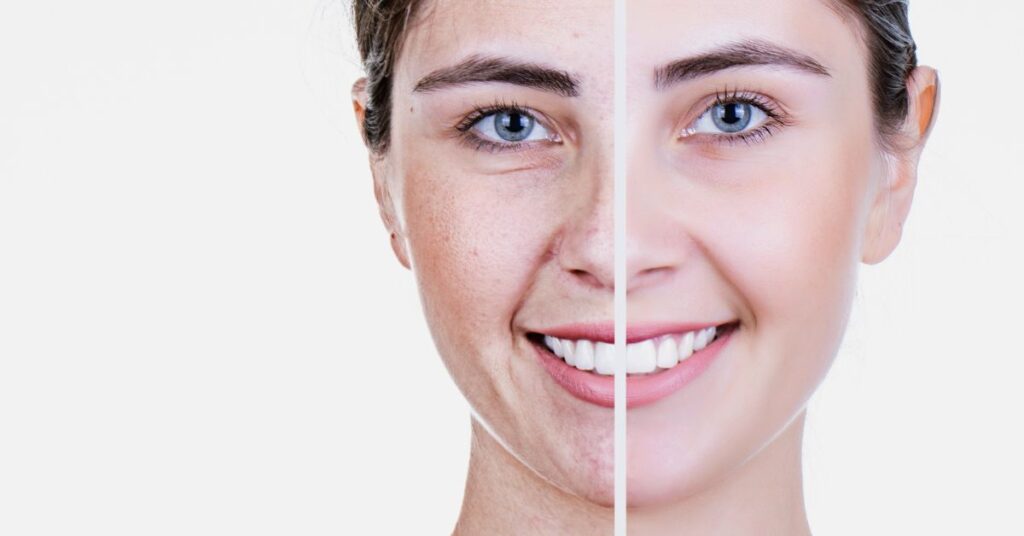
How to reverse aging face with Paleo diet?
If you’ve been looking in the mirror and wondering why your skin looks more tired, dry, or less vibrant than it used to, your diet might be part of the picture. While no diet can stop aging completely, the foods you eat every day can influence how your body—and your skin—age over time.
The Paleo diet focuses on whole, natural foods while removing many processed ingredients that can contribute to inflammation and poor skin health. Here are a few ways this way of eating may support healthier aging:
More Antioxidants for Skin Protection
Foods commonly eaten on Paleo—like berries, vegetables, and fruits—are rich in antioxidants. These nutrients help protect your skin from damage caused by pollution, stress, and everyday environmental exposure.
Less Sugar and Processed Foods
Highly processed foods and excess sugar may contribute to inflammation and collagen breakdown, which are often linked to wrinkles and dull skin. Reducing these foods can support healthier skin over time.
More Nutrients That Support Skin Health
Paleo meals typically include fish, vegetables, eggs, nuts, and healthy fats, which provide vitamins, minerals, and omega-3 fatty acids that help support skin hydration and repair.
Better Support for Collagen
Protein-rich foods like fish, meat, and eggs provide amino acids your body uses to maintain collagen, the protein responsible for skin firmness and elasticity.
Lower Inflammation
Because this eating pattern focuses on whole foods and healthy fats, it may help reduce chronic inflammation, which is often associated with aging and various health concerns.
In simple terms, the Paleo diet isn’t a miracle anti-aging solution. But choosing whole, nutrient-dense foods over heavily processed ones can help your body function better—and that can show up in how you feel and how your skin looks over time.
Who May Benefit Most from a Paleo-Style Diet?
Not everyone needs to follow the Paleo diet, but some people may find this style of eating particularly helpful—especially if they’re trying to clean up their diet and feel better day to day.
You might benefit from a Paleo-style diet if:
You Rely Heavily on Processed Foods
If most of your meals come from packaged snacks, fast food, or ready-made meals, switching to a Paleo-style approach can help you move toward whole, minimally processed foods.
You Struggle With Energy Crashes
Many people notice fewer midday energy dips when they replace refined carbs and sugary snacks with meals built around protein, healthy fats, and vegetables.
You Want to Improve Your Overall Diet Quality
The Paleo approach naturally encourages whole foods like vegetables, fruits, fish, eggs, and healthy fats, which can make it easier to build paleo balanced meals.
You’re Trying to Reduce Added Sugar
If you feel like sugar sneaks into everything you eat, the Paleo framework can help you cut back on refined sugar and sweetened foods.
You Prefer Simple Food Rules
Some people find Paleo easier to follow because the idea is straightforward: focus on whole foods and limit ultra-processed ones.
That said, Paleo isn’t the only healthy way to eat. The best diet is one that helps you maintain balanced nutrition while fitting into your lifestyle long term.
Frequently Asked Questions About Paleo and Aging
Does the Paleo diet really help with anti-aging?
The Paleo diet may support healthier aging because it focuses on whole, nutrient-dense foods like vegetables, fruits, fish, nuts, and healthy fats. These foods provide antioxidants and essential nutrients that help protect cells from damage. While it can support skin and overall health, it won’t stop aging completely.
Can diet actually affect how your skin ages?
Yes, diet can influence skin health. Foods high in sugar, refined carbohydrates, and processed fats may contribute to inflammation and collagen breakdown. On the other hand, diets rich in antioxidants, healthy fats, and vitamins may help support skin hydration, elasticity, and repair.
How long does it take to notice skin changes on the Paleo diet?
Some people start noticing improvements in energy levels and digestion within a few weeks, but visible skin changes usually take longer. Skin renewal cycles typically take about 4–8 weeks, so improvements in skin texture or glow may appear gradually.
Do you need to follow Paleo strictly to see benefits?
Not necessarily. Many people see benefits simply by reducing processed foods and increasing whole foods in their diet. Even adopting some Paleo principles—like eating more vegetables, healthy fats, and quality protein—can support better nutrition.
Are there any downsides to using Paleo for long-term health?
The Paleo diet can be healthy when it includes a wide variety of foods, but strict versions may limit certain food groups like legumes or whole grains. Balance and variety are important to ensure you’re getting all the nutrients your body needs.
Is the Paleo diet better than other diets for healthy aging?
There is no single diet that works best for everyone. Healthy aging usually depends on overall lifestyle habits, including balanced nutrition, physical activity, sleep, and stress management. Paleo can be one way to improve diet quality, but it’s not the only effective approach.
