
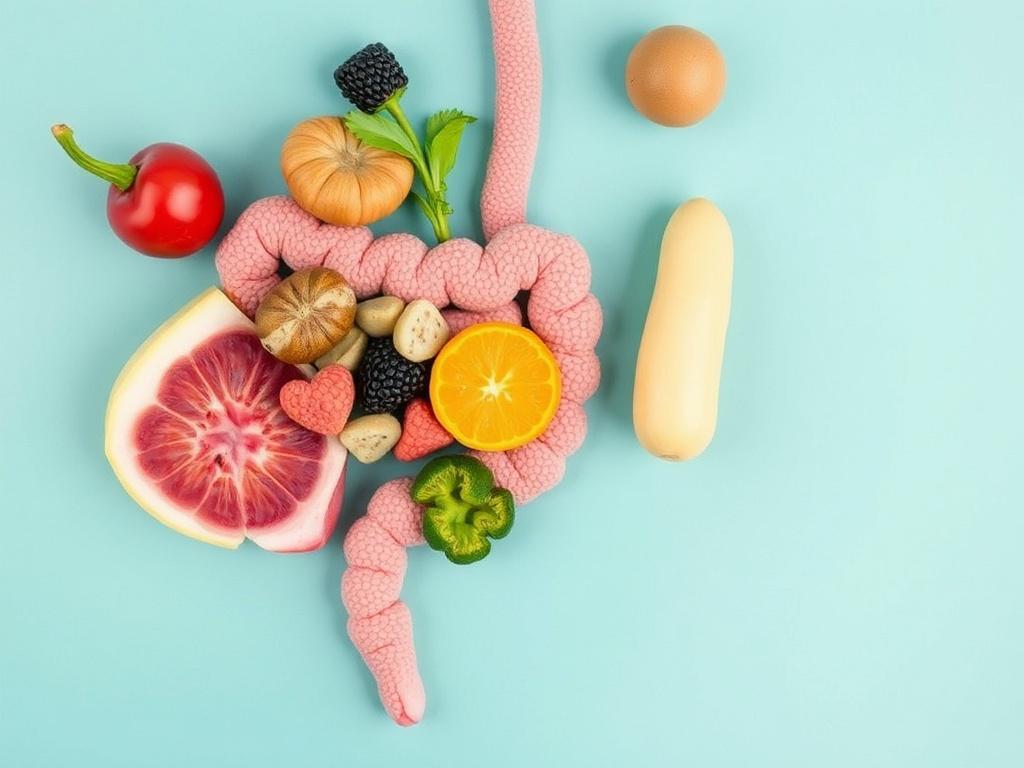
Your gut isn’t just about digestion—it’s a thriving ecosystem that affects your mood, energy, immunity, and overall wellbeing. If you often feel bloated, gassy, or sluggish after meals, or if your digestion is unpredictable, you’re not imagining it. Everyday food choices can quietly influence the balance of your gut microbes, sometimes causing discomfort and long-term health issues without dramatic warning signs.
In this article, I’ll guide you through the foods most likely to harm your gut, including surprising vegetables, practical swaps, and strategies to help you regain comfort and energy. This isn’t about strict diets or deprivation; it’s about small, realistic changes that make a tangible difference.
Why Your Gut Responds To Food
The intestinal tract is home to trillions of bacteria, fungi, and other microbes that help digest fiber, produce vitamins, and train the immune system. When these communities are diverse and balanced, digestion tends to be smooth, and inflammation is low; when they’re disrupted, you may experience bloating, irregular bowels, fatigue, or even heightened inflammation throughout the body.
Different foods feed different microbes. Whole plant foods generally encourage beneficial strains, while highly processed items tend to favor fast-growing, inflammation-associated microbes. Understanding which items do harm is less about moralizing food and more about recognizing what fuels the wrong kind of microbial party.
1- Ultra-processed foods: the quiet ecosystem wreckers
Ultra-processed foods — think boxed snacks, ready meals, and many frozen entrées — combine refined carbohydrates, cheap fats, additives, and little to no fiber. These products are engineered for taste and long shelf life, not microbial diversity, and they often displace nutrient-rich whole foods in the diet.
Eating a lot of ultra-processed items has been linked in studies to reduced microbial diversity and higher markers of inflammation. Instead of feeding slow-growing fiber-loving bacteria, these foods provide easily digestible sugars and fats that let opportunistic microbes bloom, creating an unbalanced gut ecology over time.
2- Refined sugars and sweets: immediate pleasure, long-term cost
Sugar in the form of table sugar, syrups, and sweets is rapidly absorbed in the small intestine, but its metabolic effects and how it alters gut communities go far beyond simple calories. Frequent high sugar intake tends to favor microbes associated with metabolic problems and inflammatory signals, and it can promote yeast overgrowth in susceptible people.
Sweetened beverages and desserts deliver sugar with almost no fiber, so they spike blood sugar and leave the colon starved of the slow-fermenting substrates beneficial bacteria need. Over months and years, that can lower the production of short-chain fatty acids — the compounds that help maintain the gut lining — increasing the risk of permeability and downstream inflammation.
3- Artificial sweeteners and sugar alcohols: not harmless substitutes
Many people switch to artificial sweeteners or sugar alcohols to reduce calories, assuming they’re neutral for gut health. Yet research suggests substances like sucralose, aspartame, saccharin, and some polyols can change microbial composition and, in some people, cause digestive upset such as gas, bloating, or diarrhea.
The reactions vary widely; a sugar alcohol in a protein bar may be fine for one person and cause severe gas in another. If you notice persistent bloating or altered bowel habits after consuming “diet” products, the sweetener — rather than the calories — may be the culprit and worth eliminating temporarily to assess symptoms.
4- Emulsifiers And Common Additives: Small Ingredients, Big Effects
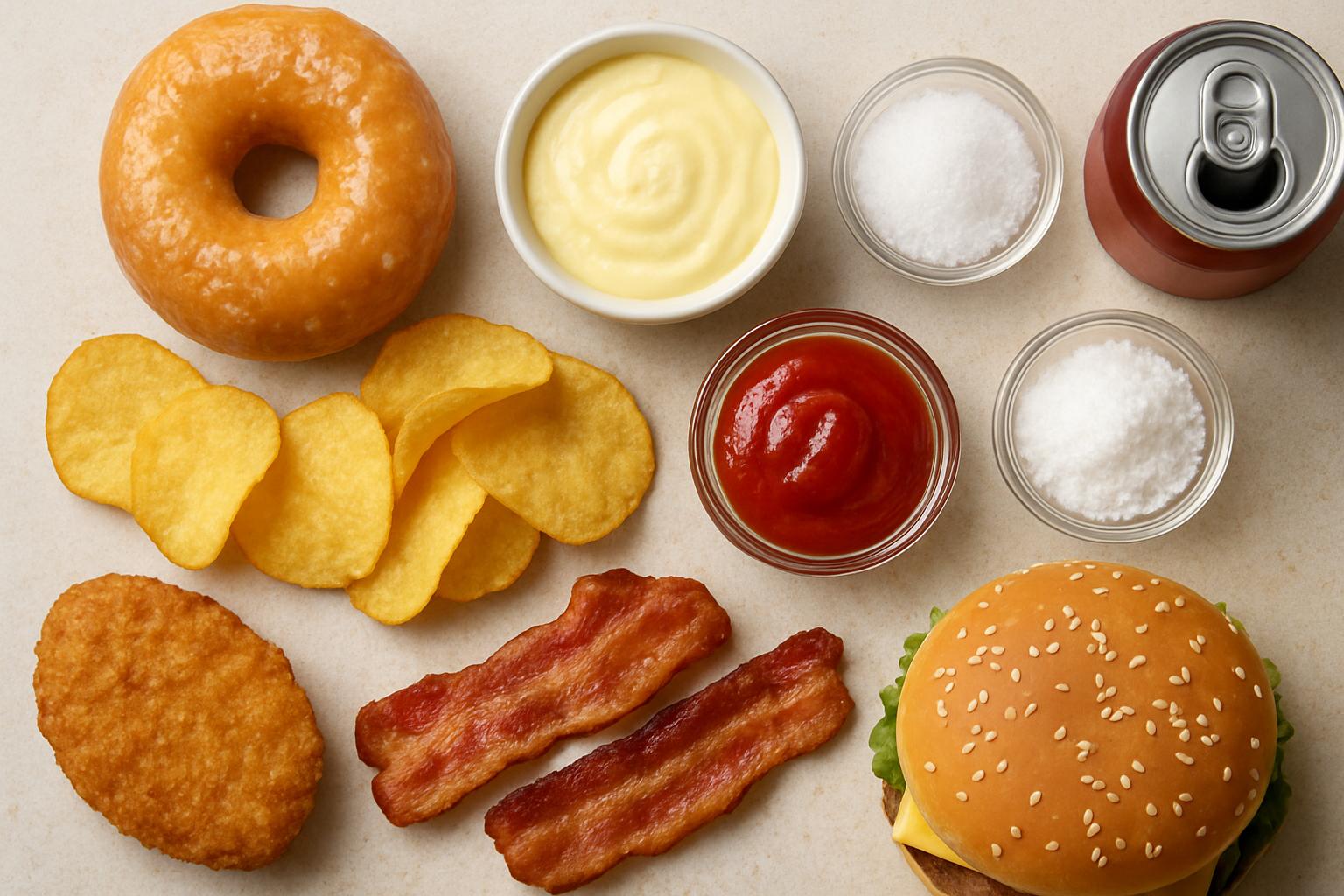
Ingredients like carrageenan, polysorbate 80, and certain emulsifiers are widely used to improve texture and extend shelf life in processed foods. Animal studies and emerging human research indicate some of these additives can alter the mucus layer, promote low-grade inflammation, and allow microbes access to the intestinal lining where they don’t belong.
These effects are subtle and not everyone will feel immediate symptoms, but long-term exposure may contribute to chronic gut irritation. Choosing fewer packaged foods and checking labels for unfamiliar additives can reduce intake and give the gut a chance to recover its protective mucus barrier.
5- Trans fats and fried foods: Inflammatory Cooking Choices
Industrial trans fats, now less common but still present in some processed goods, and repeatedly heated vegetable oils used for deep frying generate oxidation products that promote inflammation. Chronic consumption of fried foods correlates with poorer gut health and shifts toward pro-inflammatory microbes in observational studies.
Fried fast food eaten frequently can therefore be a double hit: low fiber, high heat-modified fats, and often paired with sugary sodas. Swapping occasional fries for baked or roasted alternatives can lessen inflammatory load while keeping meals enjoyable.
👉 Ate Too Much Greasy Food? What to Do When Bloating and Heaviness Hit
6- Processed Meats and Charred Foods: Compounds that irritate
Processed meats — sausages, deli slices, bacon — contain nitrates, nitrites, and other preservatives that have been associated with negative outcomes when consumed regularly. These compounds can alter gut microbes and contribute to inflammation when eaten in high amounts over time.
Similarly, charred or heavily grilled meats produce heterocyclic amines and polycyclic aromatic hydrocarbons. While an occasional barbecue won’t wreck your microbiome, frequent consumption of charred foods introduces compounds that may stress the gut lining and shift microbial balance unfavorably.
7- Dairy and lactose: individual tolerance matters
Dairy is a nuanced topic. For many people, fermented dairy like yogurt and kefir supplies beneficial bacteria and can support gut health, while unfermented milk or cheese may provoke symptoms in those with lactose intolerance. The problem isn’t dairy per se but how an individual’s digestive enzymes and microbiome handle milk sugars.
Poor lactose digestion can lead to bloating and discomfort, and some people also react to milk proteins such as casein. If you suspect dairy contributes to your symptoms, a temporary elimination with careful reintroduction can clarify whether to limit or choose fermented dairy as a gut-friendlier option.
8- Highly Refined Grains: The Fiber-Poor Culprits
White bread, refined pasta, and many breakfast cereals have had their bran and germ removed, stripping them of fiber, micronutrients, and phytochemicals. Diets high in these refined grains tend to feed a narrower set of microbes and provide little substrate for beneficial butyrate-producing bacteria.
Substituting whole grains or other fiber sources helps maintain microbial diversity. Even small changes — swapping white rice for brown rice or whole-grain pasta a few times a week — increase the fermentable fibers that support a resilient gut ecosystem.
9- Low-Fiber, Convenience Snacks: Replacing Nutrients With Emptiness
Snack foods designed for convenience — crackers, many chips, and flavored snack mixes — are often low in fiber and high in simple carbs, salt, and additives. These conveniences are engineered to be eaten frequently, and that steady stream of poor substrates shapes microbiota toward less desirable communities.
Replacing some snacks with nuts, seeds, fresh fruit, or vegetables with hummus provides resistant starch and fiber that feed beneficial microbes and reduce the tendency toward dysbiosis. Small swaps made consistently matter more than occasional indulgences.
10- Soda, Energy Drinks, and Sweetened Beverages
Liquid sugar bypasses many of the satiety signals solid food provides and delivers a quick hit of carbohydrates that promote unfavorable microbial shifts when consumed habitually. Sodas and many premixed energy drinks also contain preservatives and artificial sweeteners that compound the negative effects on gut balance.
Switching to water, sparkling water with a squeeze of citrus, or unsweetened iced tea eliminates a major source of microbiome-disrupting sugars and chemicals. For those who crave the fizz, flavored mineral water or kombucha with low residual sugar can be satisfying alternatives.
11- Alcohol: Dose-dependent Harm and Microbial Shifts
Alcohol’s effects on the gut are dose-dependent; moderate to heavy drinking is associated with increased gut permeability and changes in microbial composition that favor inflammation. Even patterns like daily light drinking can subtly shape microbial communities and the gut barrier over time.
Binge drinking causes acute problems, including increased bacterial translocation and immune activation, while chronic intake keeps the gut ecology tipped toward strain profiles linked with disease.
12- Spicy and Highly Seasoned Foods: Irritants For Some
Capsaicin and other pungent compounds in spicy foods are harmless for many people and can even increase gut motility. However, for those with sensitive guts or conditions like gastritis or certain types of irritable bowel syndrome, intense spices may trigger pain, urgency, or heartburn.
Rather than blanket avoidance, notice patterns: does a specific pepper or spice reliably provoke symptoms? If so, adjusting spice levels and pairing spicy dishes with buffering foods like yogurt or starchy sides can reduce irritation without sacrificing flavor.
13- Fodmaps And The Importance Of Individualized Reactions
Fermentable oligosaccharides, disaccharides, monosaccharides and polyols — collectively FODMAPs — are short-chain carbohydrates that many gut bacteria ferment quickly. For people with irritable bowel syndrome, high-FODMAP foods like garlic, onions, certain fruits, and legumes can cause gas, pain, and urgency.
FODMAP sensitivity doesn’t mean a food is intrinsically bad for everyone; these carbohydrates are also prebiotics that help many people. The key is individualization: under guidance, an elimination and reintroduction process can identify personal triggers while preserving overall fiber intake for long-term gut health.
14- Nightshades, Oxalates, And Common Misconceptions
Certain foods get a bad reputation online — tomatoes, potatoes, eggplant, spinach — but for most people these are nutrient-dense choices that support gut health. Some individuals with autoimmune conditions or known sensitivities might report worsened symptoms, but these cases are exceptions rather than rule.
Rather than excluding broad categories based on popular claims, assess personal responses and, when necessary, work with a clinician to test for specific intolerances. Blanket avoidance of whole food groups without cause can inadvertently reduce dietary diversity, which is harmful to the microbiome. Curious about which vegetables might stress your digestive system? Check out worst vegetable for gut
15- Antibiotics In Food And Overprescription Concerns
Antibiotics can kill beneficial bacteria alongside pathogens, causing perturbations in gut communities that sometimes take months to recover. While antibiotic residues in food are tightly regulated in many countries, overuse in medicine and agriculture has shaped both microbial resistance and individual microbiome disruptions.
When antibiotics are necessary, mindful strategies — such as taking probiotics under medical guidance, consuming fermented foods, and prioritizing fiber-rich meals during recovery — can help reestablish a healthier microbial balance after treatment.
Discover top nutrient-rich options to support your digestion in 3 superfoods for gut health.
How Meal Timing And Patterns Influence The Gut
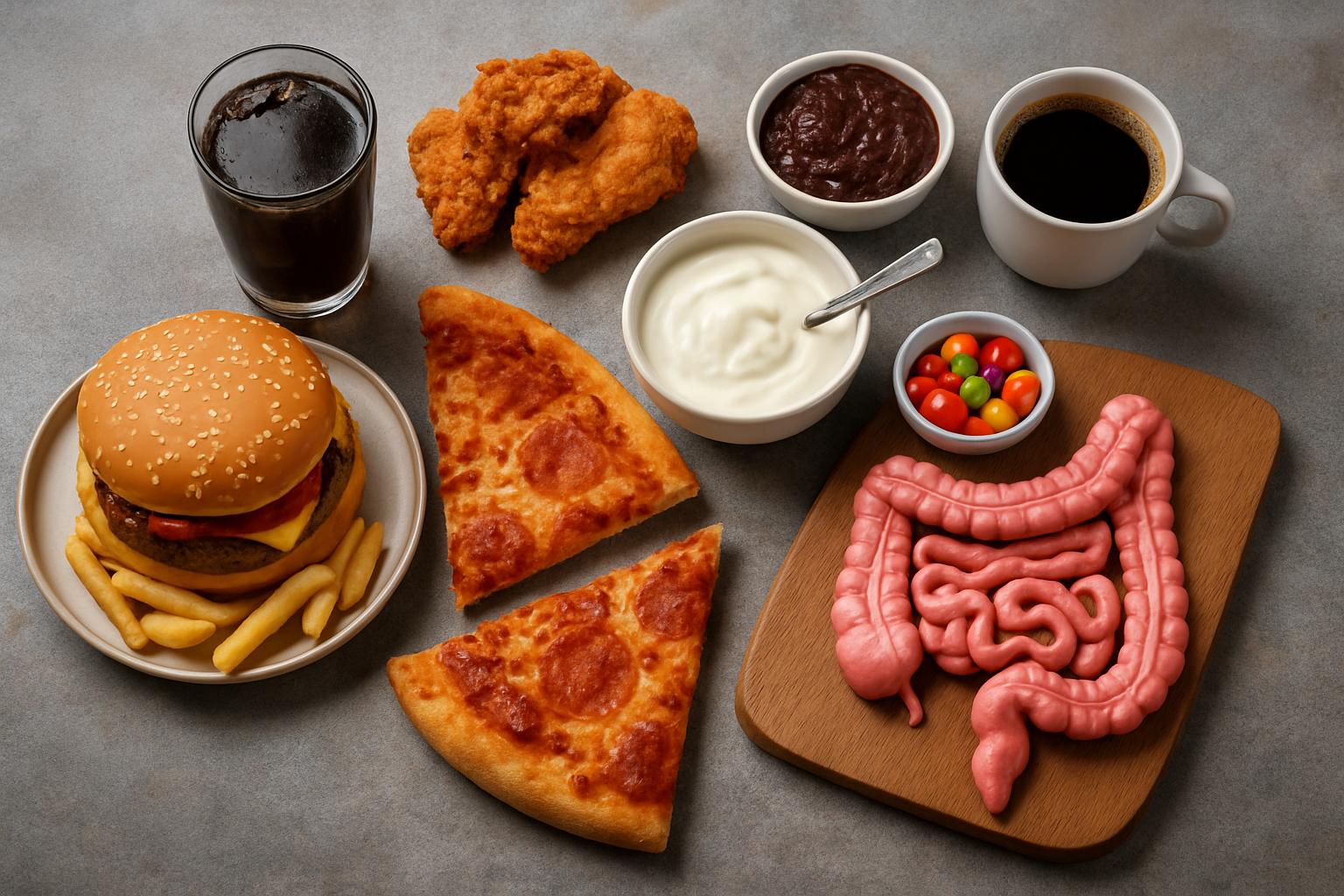
Beyond what you eat, when you eat affects the microbiome. Irregular eating schedules, frequent late-night meals, or constant grazing can disrupt circadian rhythms in gut microbes and host tissues, which influences digestion, immune signaling, and metabolic health.
Adopting consistent meal times, allowing a modest nightly fasting window, and avoiding late heavy meals can support synchrony between your body and its microbial partners. These timing changes are often easier to implement than radical dietary overhauls and can produce measurable gut benefits.
Cooking Methods That Reduce Harmful Compounds
Simple cooking adjustments can minimize the formation of harmful substances: avoid excessive charring, limit deep frying, and favor baking, steaming, or gentle roasting. Using herbs, citrus, and acid-based marinades can inhibit the formation of certain pro-inflammatory compounds during cooking.
Additionally, cool-cooled starches produce resistant starches — for example, cooked and cooled rice or potatoes — that feed beneficial colon bacteria. These small culinary choices increase fermentable fibers in otherwise low-fiber meals and support microbial diversity.
Common Additives To Watch For On Labels
When shopping, look for a few recurring additives associated with gut effects: carrageenan, polysorbate 80, carboxymethyl cellulose, and titanium dioxide. These substances appear in ice creams, processed sauces, and many baked goods, and reducing them often means choosing fresher, less processed options.
Labels can be confusing, so focus on simpler ingredient lists and whole-food preparations. Preparing more meals at home not only cuts exposure to problematic additives but also reconnects you with food textures and flavors in a way that nudges you toward nourishing choices.
How To Recognize If A Food Is Harming Your Gut
Symptoms that a food is problematic include consistent bloating, increased gas, irregular bowel movements, worsening heartburn, or flare-ups of skin or joint symptoms soon after eating. Keep a short food-and-symptom log for a couple of weeks — patterns often emerge that aren’t obvious in the moment.
When in doubt, an elimination trial of suspected items for two to four weeks followed by careful reintroduction can clarify causation. For persistent or severe issues, pursuing evaluation with a gastroenterologist or dietitian can reveal underlying conditions that simple avoidance won’t fix.
Practical Swaps: Replace Harm With Nourishment
Real-Life Example: Restoring Balance After Years Of Convenience Eating
I once coached a friend who lived on fast breakfasts, vending machine lunches, and microwave dinners for convenience. His chronic bloating and afternoon fog were routine until he committed to three changes: swap sugary coffee drinks for black coffee, add a daily serving of fermented yogurt, and replace two packaged meals per week with simple home-cooked options.
Within six weeks his bloating diminished, bowel habits regularized, and energy stabilized. He didn’t eliminate treats, but prioritizing fiber, reducing additives, and introducing fermented foods transformed how he felt — a reminder that modest, consistent shifts yield meaningful microbial improvements.
When To Seek Professional Help
If symptoms are severe — significant weight loss, persistent blood in stool, or ongoing intense abdominal pain — consult a healthcare professional promptly. These signs may indicate inflammatory bowel disease, celiac disease, or other conditions that require testing and targeted treatment.
A registered dietitian experienced in gastrointestinal health can design an individualized plan that reduces problematic foods while preserving nutrition and enjoyment. Professional guidance is particularly useful when elimination diets or reintroductions become complex or anxiety-provoking.
Long-Term Perspective: Diversity Is The Defensive Strategy
The most protective long-term strategy for avoiding foods that harm gut health is to maximize food diversity. A wider variety of plants, whole grains, and fermented items feeds a broader microbial community, creating resilience against perturbations caused by occasional indulgences.
Think of your microbiome as a garden: monocultures are fragile, while mixed plantings resist pests and recover from stress. Regularly introducing new vegetables, legumes, whole grains, and fermented foods increases microbial species richness and supports sustained gut wellbeing.
Learn why some grains might irritate your digestive system in this article on is corn bad for your gut
Practical Day-To-Day Checklist
Simple daily habits make a big difference: prioritize whole foods over packaged ones, include at least two servings of fiber-rich plants per meal, drink water instead of sugar-sweetened beverages, and limit alcohol. These steps reduce exposure to the common offenders and build a healthier microbial foundation.
Additionally, keep a rotating shopping list of new items to try each week and aim to cook more meals at home, even if it’s only preparing components to assemble quickly. Small routines compound into meaningful change for your gut.
What To Expect When You Cut Out Gut-Harming Foods
Initial changes can include reduced bloating, steadier energy, and improved stool consistency within a few weeks. However, some people experience temporary shifts such as increased gas when they boost fiber — a sign that microbes are adapting and fermenting new substrates, which typically settles over time.
Patience is important. Gradually increasing fiber, staying hydrated, and spreading plant intake across meals helps microbes adjust with less discomfort. For persistent or worsening symptoms during a change, consult a clinician to fine-tune the approach.
Final Thoughts And An Invitation To Experiment Gently
Identifying foods that harm gut health is more a matter of careful observation than moral judgment. Rather than aiming for perfection, try small, measurable changes and pay attention to patterns in how you feel after different foods and cooking methods.
Your gut will reward consistency, variety, and fewer industrial additives. Start with one or two swaps this week and notice the difference; over months, those tiny decisions add up into a gut environment that supports daily energy, mood, and long-term health.
