
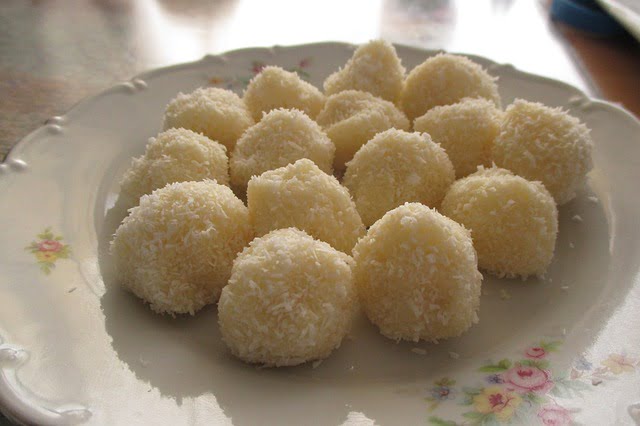
Craving something sweet, creamy, and coconutty—but not the sugar crash and heavy condensed milk that usually come with it? Imagine biting into a soft, chilled coconut ball that melts in your mouth, with a crunchy roasted nut hidden in the center, all made in just a few minutes and with simple, wholesome ingredients you probably already have at home. These coconut balls are your “fancy café dessert” made easy: gluten-free, dairy-free, low in sugar, and so effortless you can whip them up while your coffee is brewing.
Contents
- 1 Why Make Coconut Balls Without Condensed Milk?
- 2 Key Ingredients and Smart Swaps
- 3 Step-by-Step: How To Make Coconut Balls Without Condensed Milk
- 4 Delicious Variations You Can Try
- 5 Tips for Perfect Texture Every Time
- 6 Serving Ideas
- 7 Storage and Make-Ahead Instructions
- 8 Frequently Asked Questions
- 9 Conclusion
Why Make Coconut Balls Without Condensed Milk?
Making coconut balls without condensed milk gives you more control over both your health and your ingredients while still enjoying a rich, indulgent treat.
Better for different diets
- Condensed milk is high in sugar and contains dairy, which makes it unsuitable if you are lactose-intolerant, vegan (when using plant-based milk), or trying to reduce added sugars.
- Using coconut milk or another plant-based milk keeps the recipe naturally dairy-free and gluten-free, and lets you adjust sweetness to your own needs with less sugar or sugar-free sweeteners.
Less processed, more flexible
- Condensed milk is an ultra-processed product, while simple ingredients like coconut milk, desiccated coconut, nuts, and natural sweeteners keep the recipe closer to whole foods.
- Skipping condensed milk allows you to easily create versions that are low-sugar, keto-friendly, or higher in healthy fats and fiber, just by changing the type and amount of sweetener and fat you use.
Texture and flavor you can customize
- When you make the mixture yourself, you can decide whether you want the balls softer and creamier or firmer and chewier by adjusting the ratio of coconut milk to desiccated coconut.
- You can build layers of flavor—adding vanilla, almond extract, citrus zest, cocoa, or nuts—so you are not locked into the single, very sweet profile that condensed milk usually gives.
Key Ingredients and Smart Swaps
Here’s everything you need for perfect coconut balls, with easy substitutions to fit your pantry and preferences.
Desiccated coconut (2 cups total)
- Why it works: Finely shredded, unsweetened coconut gives the signature texture—snowy on the outside, moist inside.
- Swap: Use finely shredded coconut flakes if desiccated isn’t available; pulse larger flakes in a food processor for finer texture.
Coconut milk (½ cup, full-fat preferred)
- Why it works: Replaces condensed milk’s creaminess with rich coconut flavor and natural moisture. Full-fat makes richer balls; light version works for fewer calories.
- Swap: Use almond milk or cashew milk (add 1 tsp coconut oil for flavor); avoid thin milks like rice milk.
Sweetener (2 tbsp sugar or equivalent)
- Why it works: Balances the coconut’s natural flavor without overpowering.
- Smart swaps:
- Stevia or erythritol (sugar-free, 1:1 ratio or to taste).
- Maple syrup or honey (2–3 tbsp, reduces coconut amount slightly).
- Powdered sugar for smoother dissolve.
Vanilla extract (1 tbsp)
- Why it works: Adds depth and rounds out sweetness.
- Swap: Almond extract (½ tsp for nutty Raffaello vibe) or coconut extract.
Nut centers (almonds or hazelnuts, 15–20 pieces)
- Why it works: Creates that satisfying crunch and homemade Raffaello feel.
- Swap: Cashews, pistachios, or chocolate pieces; skip for nut-free (add dried fruit like cranberries instead).
Optional boosters
- Pinch of sea salt (enhances flavor).
- 1–2 tbsp almond flour (for denser texture).
- Citrus zest (lemon/orange for brightness).
Step-by-Step: How To Make Coconut Balls Without Condensed Milk
These no-bake coconut balls come together in about 10 minutes of active time. You’ll need a mixing bowl, spoon, and your hands for rolling.
1. Sweeten the coconut milk
Pour ½ cup full-fat coconut milk into a medium bowl. Add 2 tbsp sugar (or your chosen sweetener like stevia/erythritol). Stir vigorously until fully dissolved—about 1-2 minutes. If using a granulated sweetener, let it sit for 30 seconds first to help it melt.
2. Mix in the coconut
Add 1½ cups desiccated coconut to the sweetened milk. Stir until it forms a thick, sticky dough that holds together when squeezed. If too dry, add 1 tsp more coconut milk; if too wet, sprinkle in 1 tbsp more coconut. The texture should feel like playdough.
3. Add flavorings
Stir in 1 tbsp vanilla extract (or almond extract for extra nuttiness). Taste a tiny bit and adjust sweetness or add a pinch of salt if needed. Let the mixture rest 2-3 minutes to absorb flavors.
4. Prep nut centers and shape balls
Take about 1 tbsp of mixture, flatten into a disc, and place a whole almond or hazelnut in the center. Fold the coconut around it and roll gently between your palms into a 1-inch ball. Repeat for 15-20 balls. Wet your hands slightly if the mixture sticks.
5. Coat in coconut flakes
Spread the remaining ½ cup desiccated coconut on a plate. Roll each ball in it until fully coated for that snowy look. Gently press to help flakes stick.
6. Chill and serve
Arrange balls on a plate (not touching) and refrigerate for at least 30 minutes—or up to 2 hours for firmer texture. They’re ready when chilled and hold their shape perfectly. Enjoy straight from the fridge!
Delicious Variations You Can Try
Once you master the base recipe, get creative—these coconut balls adapt beautifully to different flavors and diets.
Chocolate Coconut Balls
Add 2 tbsp unsweetened cocoa powder or raw cacao to the coconut mixture in step 2. For extra indulgence, drizzle chilled balls with melted dark chocolate (dairy-free). Perfect for chocolate lovers wanting a healthier truffle-like treat.
Lemon or Orange Coconut Balls
Mix in 1 tsp fresh lemon/orange zest and ½ tsp juice during step 3. The citrus cuts through the richness, giving a refreshing, tropical vibe. Roll in extra zest for color.
Protein-Packed Coconut Balls
Stir 2 tbsp vanilla or unflavored plant-based protein powder into the mixture. Add 1 tsp extra coconut milk if it thickens too much. Ideal for post-workout snacks or meal prep.
Spiced Holiday Coconut Balls
Add ½ tsp pumpkin pie spice, cinnamon, or cardamom in step 3. Toss in finely chopped crystallized ginger or dried cranberries for chewiness. Great for festive gifting.
Nutty Overload Coconut Balls
Chop 2 tbsp extra nuts (pistachios, walnuts, or pecans) and mix into the dough. Use whole pistachios for the center. Doubles down on crunch and healthy fats.
Keto/Low-Carb Version
Use only erythritol or monk fruit sweetener, full-fat coconut milk, and skip fruit add-ins. Each ball stays under 2g net carbs—satisfying without spiking blood sugar.
For more gluten-free dessert recipes check out these
- Microwave Gluten-Free Mini Pizza
- Low-carb Gluten-free Recipes Easy to prepare
- How To Make Coconut Balls Without Condensed Milk?
- Microwave recipes; The Cinnamon lentils Mug Cake
- Gluten-free coconut Vanilla Breakfast Bites
Tips for Perfect Texture Every Time
Getting the right balance makes all the difference between crumbly failures and melt-in-your-mouth success.
Aim for the right stickiness
The mixture should feel like soft playdough—holds shape when squeezed but not soupy. If too dry (crumbly), add coconut milk 1 tsp at a time. If too wet (sticks excessively), add desiccated coconut 1 tbsp at a time.
Hand temperature matters
Warm hands melt the coconut oils, making rolling messy. Run hands under cold water or chill them briefly. Lightly oil palms with coconut oil to prevent sticking without altering flavor.
Size and shape control
Roll into 1-inch balls (about 1 tbsp mixture each)—uniform size ensures even chilling. Flatten slightly around the nut center before rolling for a smooth finish without air pockets.
Chilling is key
Don’t skip the fridge! 30 minutes minimum firms the outside while keeping the inside soft. For extra firmness (travel-friendly), chill 1-2 hours or freeze 15 minutes before coating.
Fixes for common issues
- Too soft after chilling? Use more coconut next time or full-fat milk for less moisture.
- Cracking or dry? Mixture needed more liquid; rest longer before shaping.
- Not holding shape? Add 1 tsp almond flour or chill dough 10 minutes pre-rolling.
Serving Ideas
These coconut balls shine as versatile treats—pair them thoughtfully for maximum enjoyment.
With hot drinks
Serve chilled alongside strong coffee, espresso, or chai tea. The cold, creamy bite contrasts perfectly with hot, bold flavors—like a homemade Raffaello with your morning brew.
On dessert platters
Arrange on a tiered stand with fresh berries, dark chocolate squares, and nuts for elegant parties. Their snowy look makes them a festive standout at holidays or brunches.
As lunchbox or snack bites
Pack 2-3 per person for on-the-go energy. Nut center adds protein and crunch, keeping you satisfied mid-morning or afternoon without a sugar crash.
Dipped or topped
- Drizzle with melted dark chocolate for decadence.
- Sprinkle sea salt flakes on chocolate versions for sweet-salty bliss.
- Garnish with edible flowers or citrus zest for Instagram-worthy presentation.
Holiday or gift boxes
Layer in mini parchment cups inside a pretty tin. Personalize with flavor tags (e.g., “Lemon Bliss”)—ideal for teacher gifts, neighbors, or cookie swaps.
Storage and Make-Ahead Instructions
These coconut balls stay fresh and flavorful with proper storage—easy for busy schedules.
Fridge storage
Keep in an airtight container (glass or plastic works) lined with parchment paper to prevent sticking. They’ll stay soft and fresh for up to 5-7 days. Serve straight from the fridge for the best firm-yet-creamy texture.
Freezing for longer storage
Arrange single-layer on a baking sheet and freeze until solid (1-2 hours), then transfer to a freezer bag or container. They freeze beautifully for 1-2 months without losing quality. Thaw in the fridge for 1-2 hours or at room temp for 30 minutes.
Make-ahead tips
- Prep the full batch up to 2 days ahead; chill overnight for deeper flavor as coconut milk soaks in.
- Shape and coat balls, then freeze raw—bake or just thaw as needed (no-bake stays raw).
- Texture note: Freezing slightly firms them up, mimicking store-bought even more. Avoid microwaving to thaw, as it can make them oily.
Frequently Asked Questions
Can I use fresh coconut instead of desiccated?
Fresh grated coconut works but changes the texture—it’s moister and less shelf-stable, so the balls may soften faster. Squeeze out excess moisture first and use 1.5 cups instead of 2 to avoid a soggy mix. Toast it lightly for deeper flavor if you like.
What if I want them vegan and egg-free?
This recipe is already naturally vegan—no eggs needed! The coconut milk binds everything perfectly. Just ensure your sweetener is vegan (most are) and skip honey if using that swap.
How do I make larger batches for parties?
Double or triple the recipe easily—the ratios stay the same. Prep in multiple bowls to avoid overcrowding, and chill in batches. Yields about 15-20 balls per batch; scale up coating coconut accordingly to keep them snowy.
Are these safe for kids with nut allergies?
For nut-free, omit the nut centers and add a dried cranberry, date piece, or chocolate chip instead. Or make plain balls by skipping the center entirely—they’re still delicious and hold shape well.
Can I bake them instead of no-bake?
Yes, for a chewier cookie-like version: after shaping and coating, bake at 325°F (160°C) for 10-12 minutes until golden edges form. Cool completely—they crisp up more than the no-bake style.
Conclusion
There you have it—your new go-to recipe for coconut balls that taste just like the fancy store-bought ones, but without the condensed milk guilt. In under 10 minutes, you’ve created a versatile, dairy-free, gluten-free treat that’s customizable for any craving, diet, or occasion, from cozy coffee breaks to holiday platters.
These little snowballs prove you don’t need processed shortcuts for indulgence; simple swaps like coconut milk deliver creamy texture and real flavor every time. Experiment with the variations, nail the texture tips, and watch them disappear as fast as Raffaellos—only healthier and homemade.
Grab your ingredients, roll up a batch today, and pair them with your favorite hot drink. Your kitchen (and taste buds) will thank you. Happy snacking!
